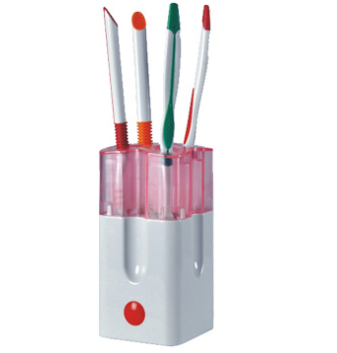
Toothbrush Sanitizers
Source high-quality Toothbrush Sanitizers directly from vetted manufacturers and suppliers. This catalog is designed for volume importers, wholesale distributors, and oral care brands seeking bulk purchasing or custom OEM/private-label production. Secure reliable UV-C sanitation devices built to global compliance standards.
The market for toothbrush sanitizers has evolved rapidly from basic desktop UV-tube units to sophisticated, wall-mounted smart devices featuring UV-C LEDs, integrated turbo-fans for moisture control, and intelligent motion sensors. For volume buyers, the primary sourcing challenge is separating factories capable of producing true germicidal UV-C devices from those assembling low-cost units with ineffective blue LEDs and poor battery management systems.
Core Technical Specifications for UV-C Sanitizers
When evaluating a manufacturer's technical capability, the bill of materials (BOM) tells the real story. The efficacy of a toothbrush sanitizer relies entirely on the quality of its optoelectronic components and power management.
- UV-C Light Source: True germicidal efficacy requires wavelengths between 253.7nm and 280nm. Legacy designs use quartz UV tubes, which are fragile and contain trace amounts of mercury. Modern, premium units utilize UVC LEDs (often paired with UVA LEDs for broader coverage).
- Battery & Power Management: Wall-mounted units typically rely on built-in lithium-ion batteries (ranging from 1200mAh to 4000mAh) charged via Type-C ports, and sometimes supplemented by thin-film amorphous silicon solar panels.
- Drying Mechanisms: Moisture breeds bacteria. Advanced sanitizers incorporate PTC heating elements or micro-fans. Ensure the factory uses brushless DC motors for the fans to guarantee longevity and minimize noise (target under 40dB).
- Safety Sensors: Because UV-C exposure is harmful to human skin and eyes, units must feature a Hall effect sensor (to shut off the light when the lid is opened) and a PIR (Passive Infrared) motion sensor to delay activation when a user is within 1.5 meters.
| Component | Standard/White-Label | Premium/Custom OEM |
|---|---|---|
| Light Source | Cold Cathode UV Tube | UVC + UVA Dual LED Array |
| Wavelength | 253.7nm | 260nm to 280nm |
| Moisture Control | Passive ventilation | Built-in turbofan or PTC heater |
| Battery Capacity | 1200mAh to 1500mAh | 2000mAh to 4000mAh |
Need help verifying the technical specifications of a potential supplier? We can audit their BOMs and component sourcing networks.
Talk to our teamManufacturing Quality & Regulatory Compliance
The electronics manufacturing hubs in Shenzhen and Dongguan produce the vast majority of the world's toothbrush sanitizers. However, assembly quality and adherence to regulatory standards vary wildly.
A common defect in lower-tier factories is the use of "fake UV" (standard blue LEDs) or poorly calibrated sensors that fail to shut off the UV light when the device is opened. Catching these issues requires rigorous oversight on the assembly line. Conducting thorough Factory Audits before placing a PO is critical to verify the supplier actually owns the testing equipment required to validate UV wavelengths.
Critical Compliance Requirements
Toothbrush sanitizers are subject to strict regulatory oversight depending on your target market:
- United States (EPA): Devices that use UV light to kill bacteria are classified as "pesticidal devices" by the EPA. The manufacturing facility must have an active EPA Establishment Number, and this number must appear on the product packaging.
- Electrical Safety & EMC: FCC (US), CE-EMC/LVD (Europe), and RoHS compliance are mandatory due to the inclusion of batteries and active electronic components.
Navigating these requirements is complex, and failing to secure the correct documentation can result in customs seizures. Professional Compliance & Testing support ensures your devices meet all regional legal requirements before they leave the factory floor.
Pre-Shipment Quality Control Checks
- Spectrometer testing to verify UV-C wavelength output.
- PIR sensor calibration check (activation delay when motion is detected).
- Lid-switch safety mechanism validation (immediate UV shutoff).
- Adhesive load-bearing test for wall-mounted backplates (minimum 72-hour hang test with 3kg weight).
- Battery charge/discharge cycle testing and thermal monitoring.
OEM/ODM Customization Strategies
Most factories offer a catalog of existing molds (white-label) which can be customized with your brand's logo, custom packaging, and specific UI colors. This is the fastest route to market.
For brands looking to differentiate, engaging in OEM/ODM Services allows for custom tooling. This might involve redesigning the housing to accommodate larger electric toothbrush heads, integrating smart-home connectivity (Bluetooth/WiFi), or adding specialized features like automatic toothpaste dispensers. Custom tooling typically requires an investment of $3,000 to $8,000 for plastic injection molds, depending on complexity.
Typical Pricing, MOQs, and Lead Times
Pricing for toothbrush sanitizers is driven by the battery capacity, the presence of an active drying system, and the quality of the UV-C LEDs.
- Basic UV-Tube Models: Often range from $2.50 to $4.50 per unit.
- Standard UVC LED Models: Typically fall between $5.00 and $8.50 per unit.
- Premium Models (UVC LED + Fan/Heater + High-Capacity Battery): Generally range from $9.00 to $15.00+ per unit.
Looking to optimize your unit costs while maintaining strict quality standards? Let us negotiate with top-tier manufacturers on your behalf.
Get a free consultationFrequently Asked Questions
Sourcing reliable electronics requires more than just finding a factory with a good catalog; it demands strict oversight of the BOM and the assembly line. By implementing robust Quality Control & Inspection protocols, you protect your brand from the high return rates associated with faulty sensors and substandard UV components.
Get Sourcing Help for Toothbrush Sanitizers
Tell us your requirements and our experts will connect you with verified manufacturers.