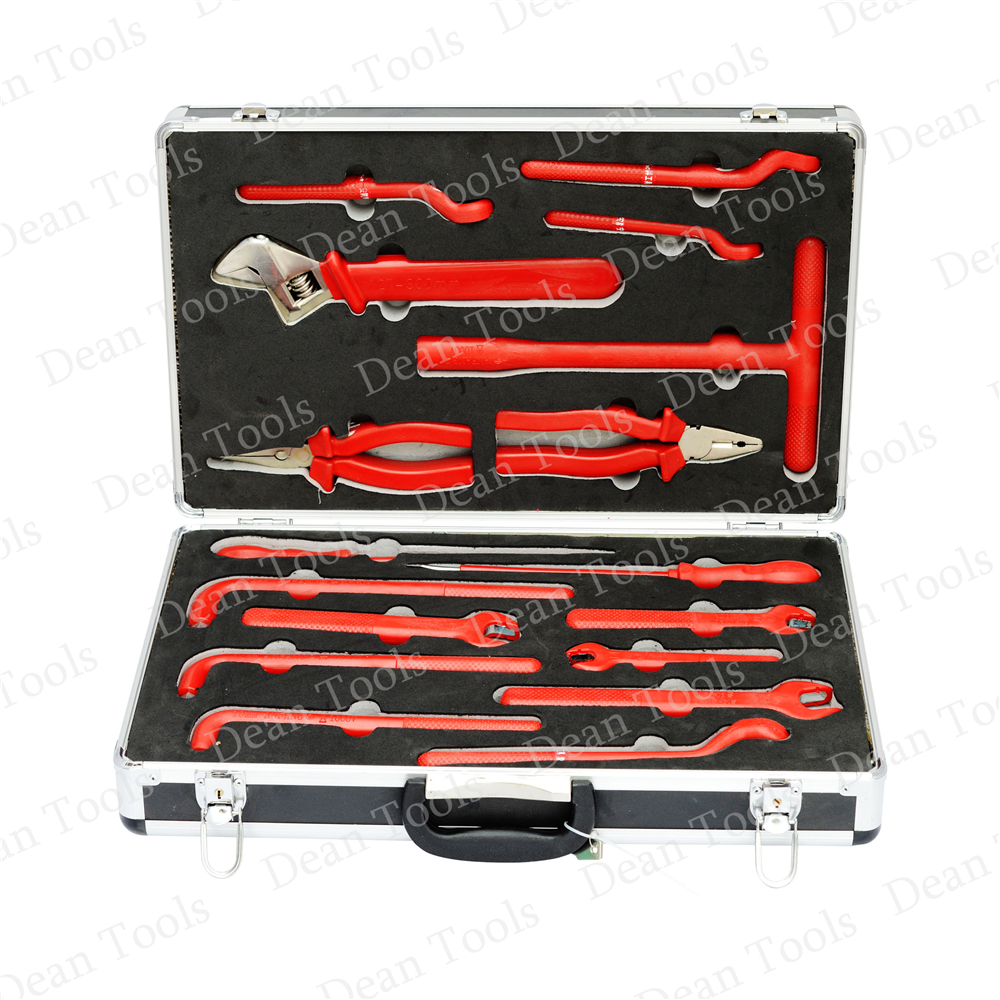
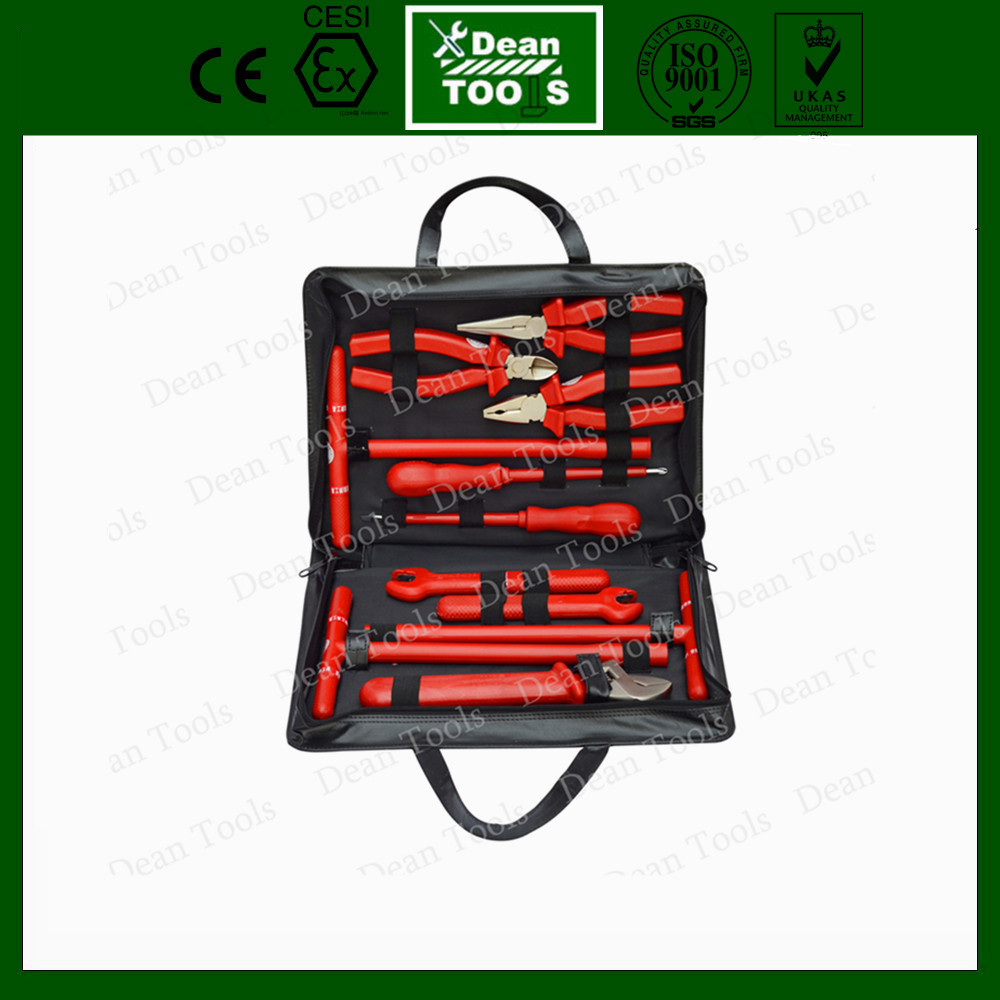
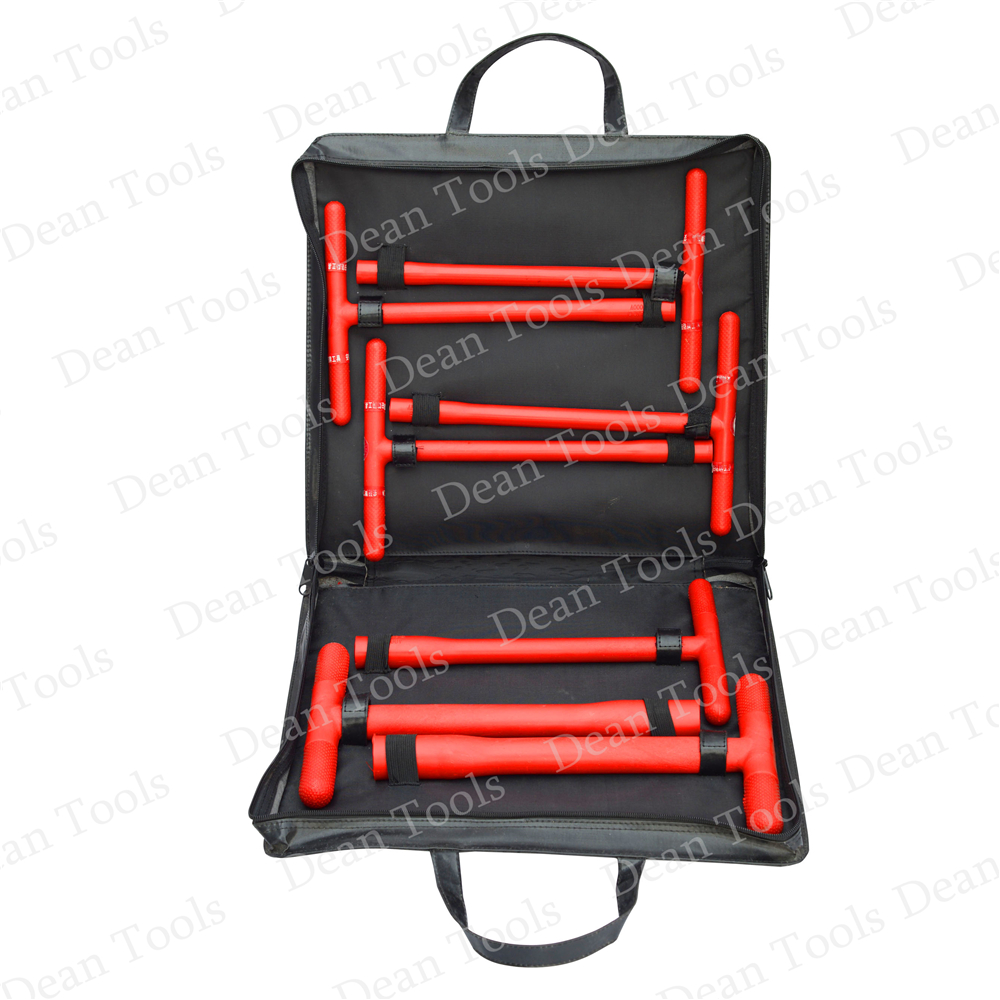
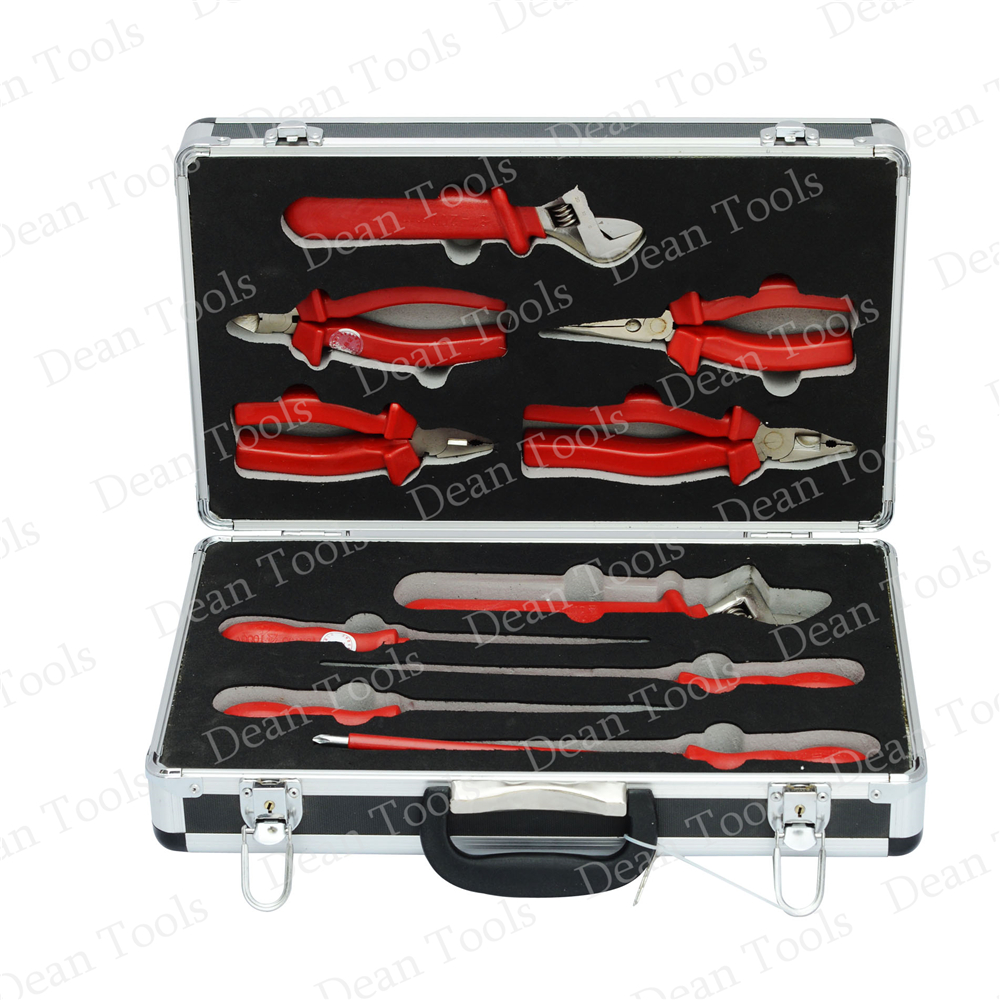
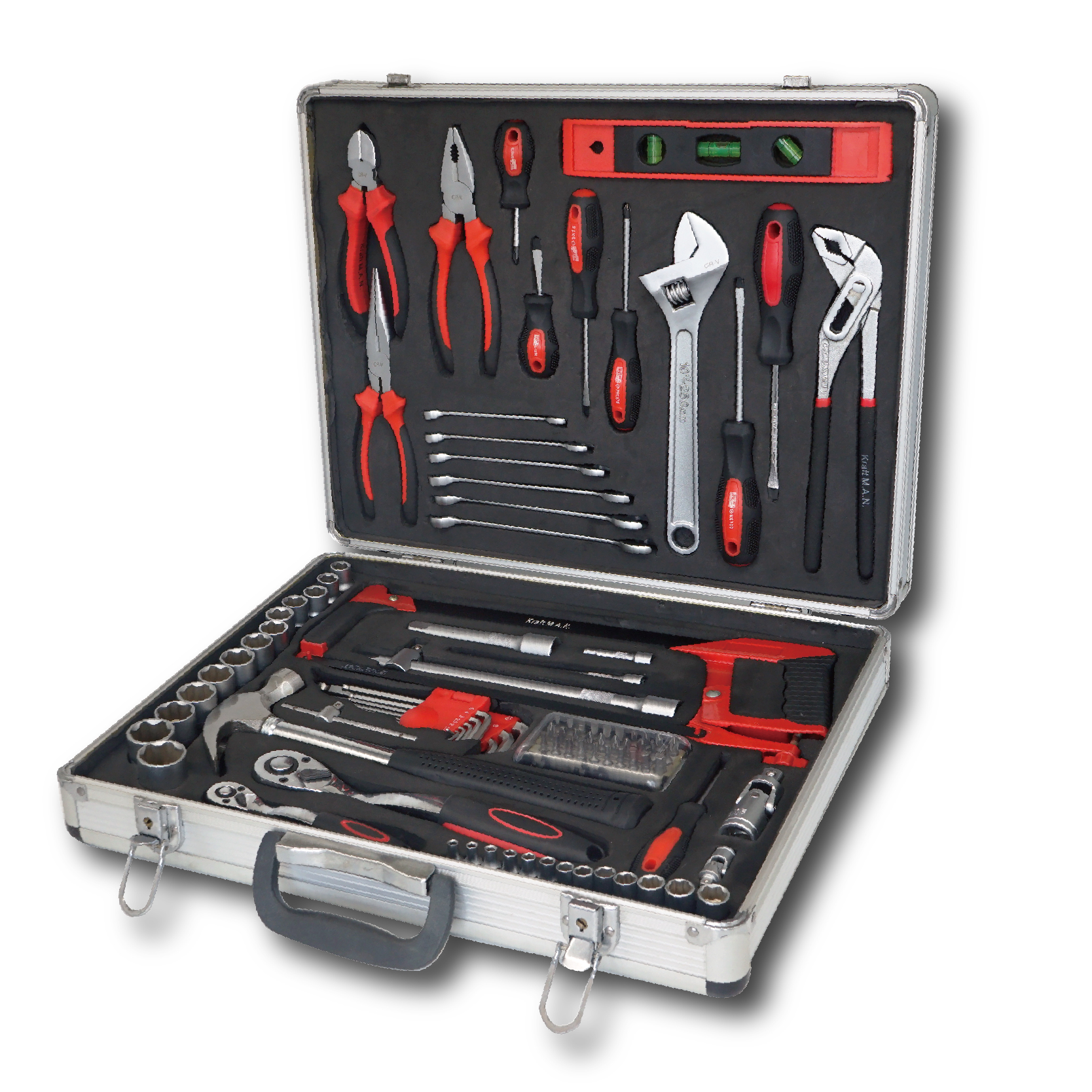
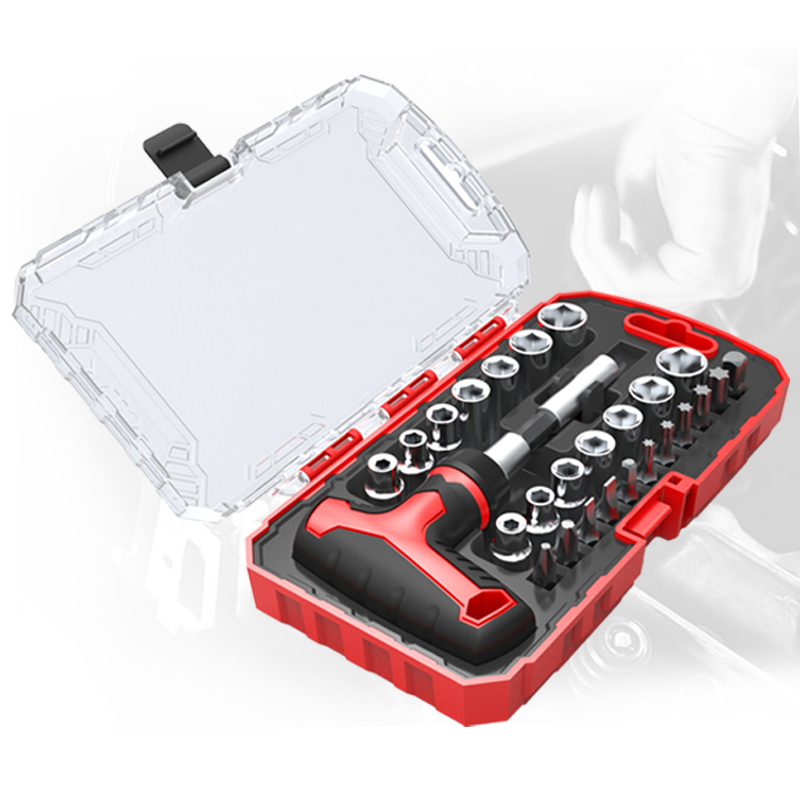
Tool Sets
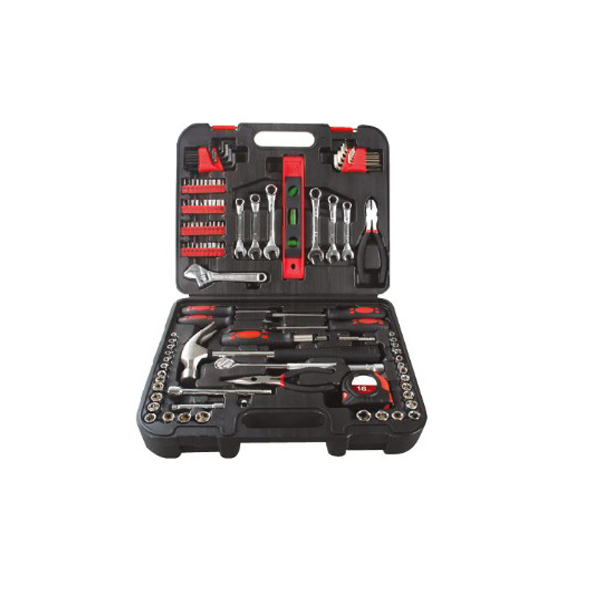
Source professional-grade Tool Sets from vetted suppliers and manufacturers across Asia. Designed for importers, wholesalers, and brands seeking reliable OEM and private-label production, our network delivers custom configurations, verified steel grades, and compliant quality control for bulk orders.
Sourcing multi-piece tool sets at scale presents a unique supply chain challenge: a 150-piece kit is only as valuable as its weakest component. A single shattered impact socket or a faulty ratchet mechanism can trigger mass returns and damage a brand's reputation. For volume buyers, success requires aligning steel metallurgy, precise heat treatment, and robust packaging into a single, cost-effective SKU.
Metallurgy and Heat Treatment Specifications
The foundation of any hand tool is its steel grade and the subsequent heat treatment process. Specifying "steel" on a purchase order is insufficient; factories will default to the cheapest carbon steel available unless strict metallurgical requirements are enforced.
| Material | Typical Application | Target Hardness (HRC) | Performance Profile |
|---|---|---|---|
| Carbon Steel (45#) | Entry-level DIY kits, light-duty hammers | 40-45 | Prone to rounding off under high torque; low cost. |
| Chrome Vanadium (CR-V) | Professional sockets, standard wrenches | 42-50 | Excellent balance of strength and wear resistance. |
| Chrome Moly (CR-MO) | Impact sockets, heavy-duty applications | 43-48 | Higher elasticity prevents shattering under impact. |
| S2 Tool Steel | Screwdriver bits, precision hex keys | 58-62 | Maximum hardness to prevent bit cam-out. |
Heat treatment is where factory quality diverges most sharply. Improper quenching and tempering lead to tools that are either too brittle (shattering under load) or too soft (deforming during use). Because heat treatment is often subcontracted by smaller assembly facilities, conducting thorough Factory Audits to verify in-house capabilities or audit their third-party treatment partners is critical before placing volume orders.
Need to verify the metallurgical capabilities of a prospective tool supplier? Let our engineers handle the vetting process.
Talk to our teamComponent Quality and Assembly Tolerances
Beyond raw materials, the mechanical design and finishing of the tools dictate their market positioning.
Ratchet Mechanisms
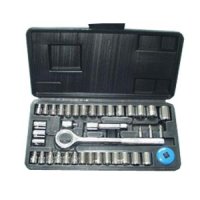
The ratchet is the mechanical heart of most socket sets. Entry-level sets typically utilize a 36-tooth or 45-tooth gear mechanism, requiring an 8- to 10-degree swing arc. Professional sets demand 72-tooth or 90-tooth mechanisms for a 4-to-5-degree swing arc in tight spaces. The pawl engagement must be precision-machined; poor tolerances here lead to gear slippage under heavy torque.
Surface Finishing
Rust prevention and aesthetic appeal rely on the electroplating process.
- Chrome Plating: Requires a multi-layer process (copper, nickel, then chrome) to prevent flaking.
- Matte/Satin Finish: Popular in European markets, offering better grip when covered in oil.
- Black Oxide / Phosphate: Standard for impact tools, offering corrosion resistance without the risk of chrome flaking under high stress.
Case and Packaging Integrity
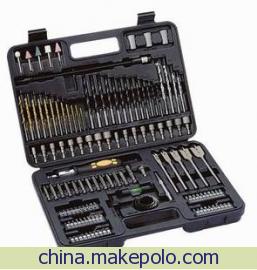
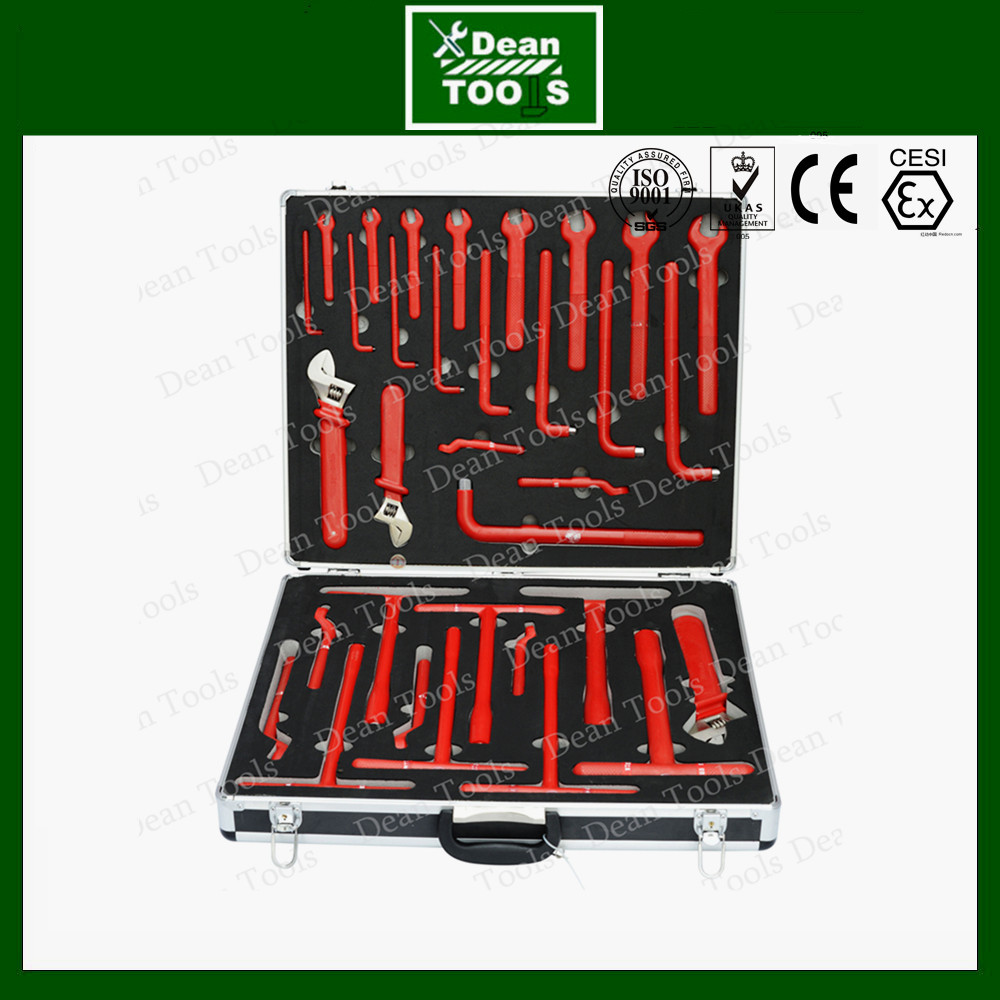
The blow-molded case (HDPE) or EVA foam tray is often the most expensive single component in a tool set. Weak plastic hinges and poorly designed retention clips will fail in transit or after a few months of use, causing tools to spill. Developing custom, durable cases that secure heavy metal components during international shipping often requires dedicated Branding & Design expertise to ensure the mold design is structurally sound.
Quality Control and Performance Standards
Visual inspections are inadequate for hand tools. To ensure safety and compliance, tools must be tested against established international standards (such as DIN in Europe or ASME/ANSI in North America).
Critical Testing Protocols for Tool Sets
- Torque Testing: Verifying sockets and wrenches meet or exceed DIN/ASME maximum torque thresholds without deformation.
- Hardness Testing (Rockwell Scale): Spot-checking HRC values across different components (bits vs. sockets) in the same set.
- Salt Spray Testing: Exposing plated tools to a saline mist for 48 to 72 hours to evaluate corrosion resistance.
- Drop Testing: Validating the durability of the blow-molded case and the tool retention clips when dropped from standard heights.
- Dimensional Tolerance: Ensuring socket hexes and wrench jaws fall within strict millimeter or fractional inch tolerances.
Implementing rigorous Quality Control & Inspection protocols at the factory level—specifically pulling random samples for destructive torque testing—is the only way to guarantee batch consistency.
Pricing, MOQs, and Production Realities
When sourcing custom or private-label tool sets, buyers must navigate specific supply chain realities regarding minimums and tooling costs.
Pricing is highly sensitive to the exact piece count and the steel grade specified. A 100-piece set made entirely of carbon steel might cost a fraction of a 100-piece CR-V set, but the return rates on the former will erode any upfront savings. For brands looking to build a unique product line rather than buying off-the-shelf configurations, leveraging comprehensive OEM/ODM Services allows you to dictate exact tool selections, finishes, and case designs while negotiating consolidated pricing.
Ready to build a custom tool set SKU? We manage the entire OEM process from mold design to final inspection.
Get a free consultationFrequently Asked Questions
Sourcing tool sets requires a rigorous approach to metallurgy, mechanical tolerances, and packaging integrity. By defining exact specifications and enforcing strict torque and hardness testing at the factory level, buyers can eliminate quality fade and build durable, profitable product lines.
Get Sourcing Help for Tool Sets
Tell us your requirements and our experts will connect you with verified manufacturers.