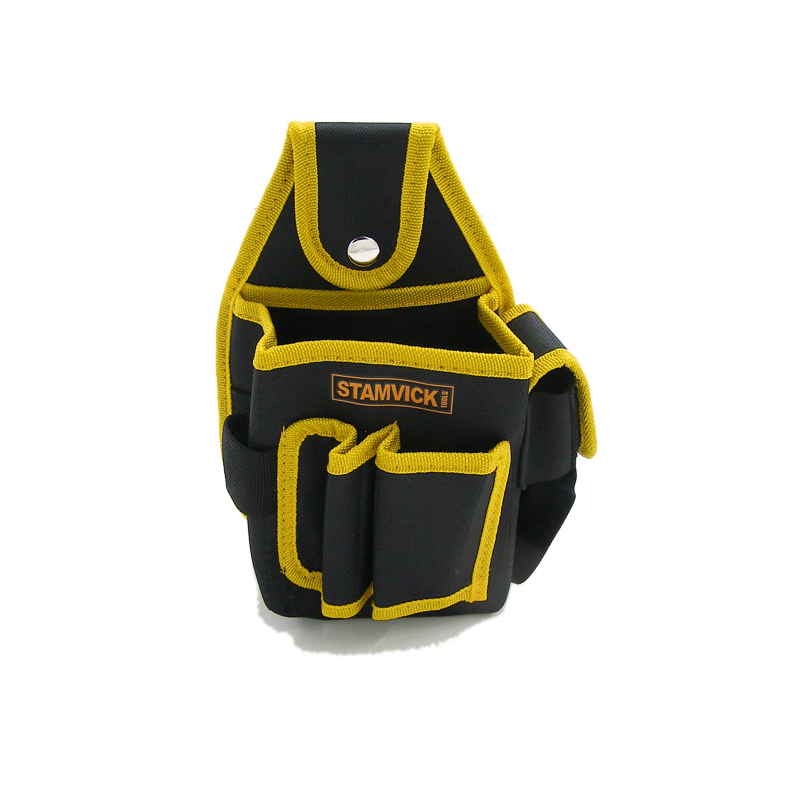
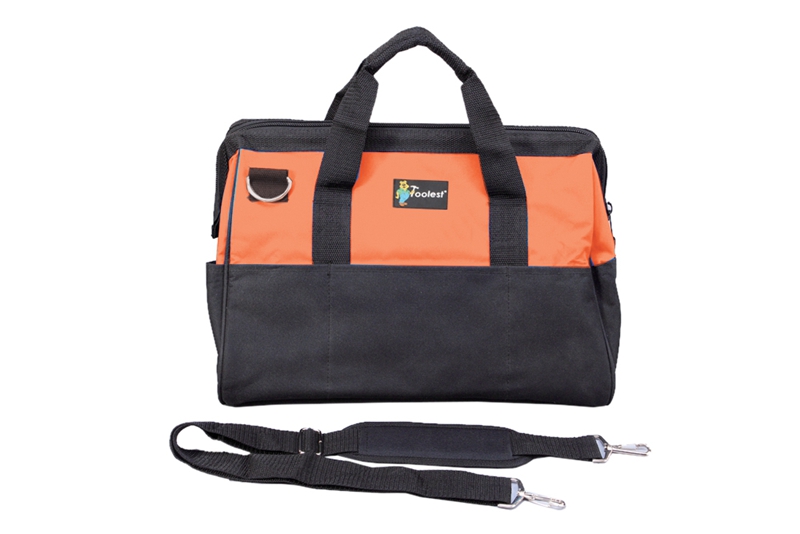
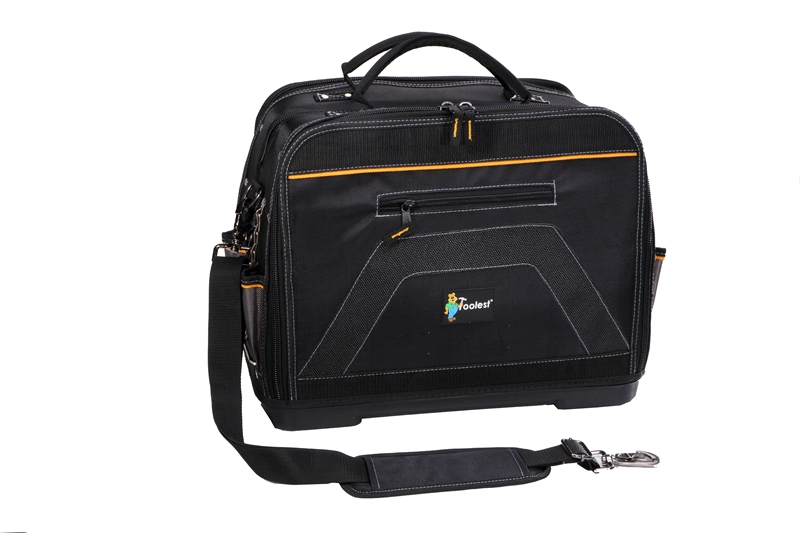
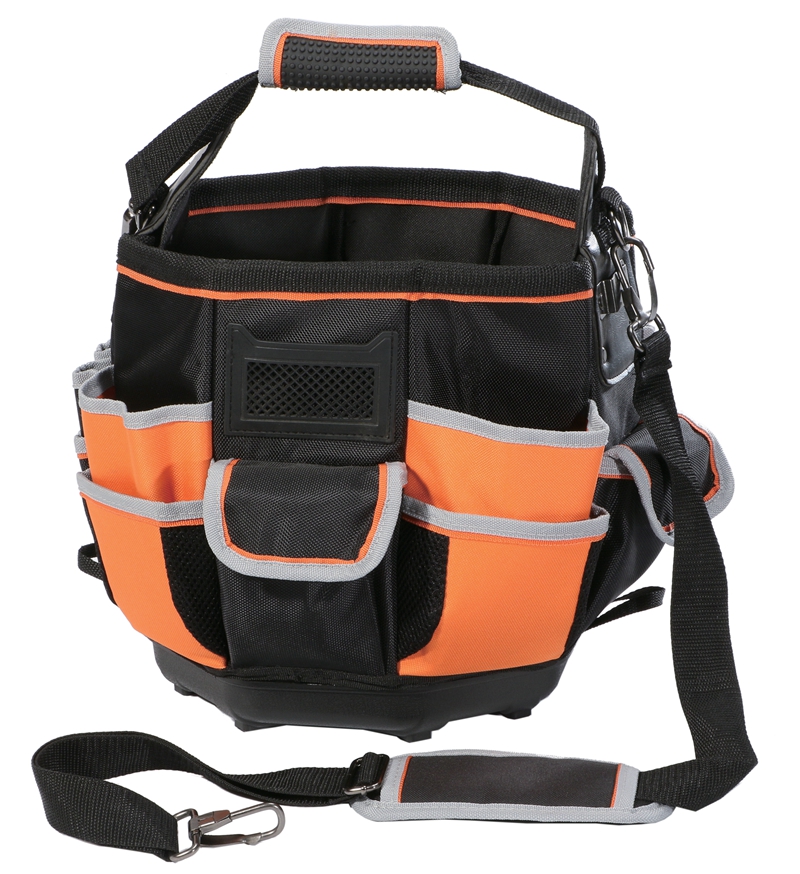
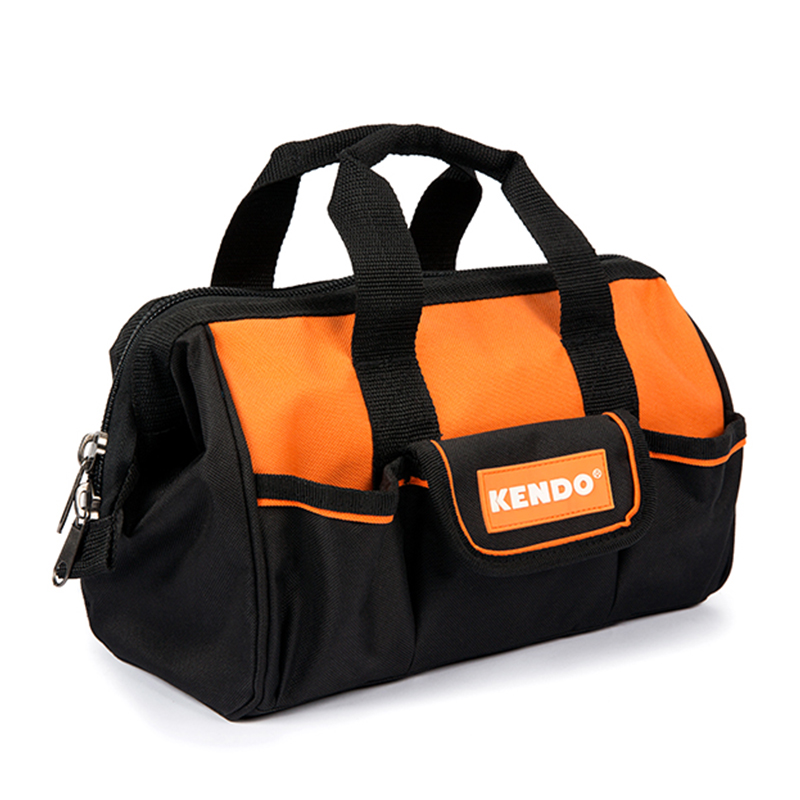
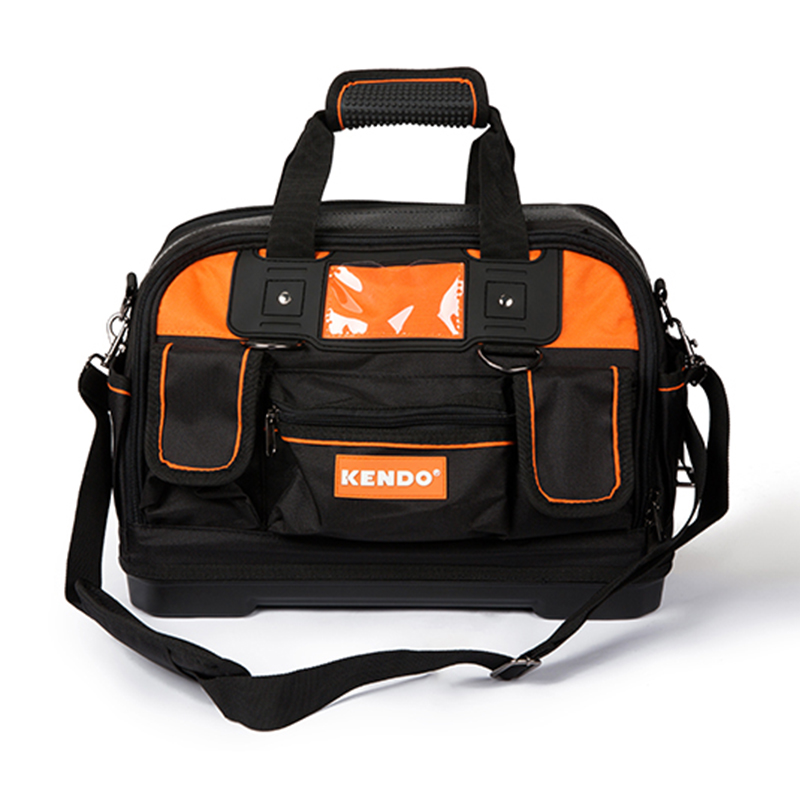
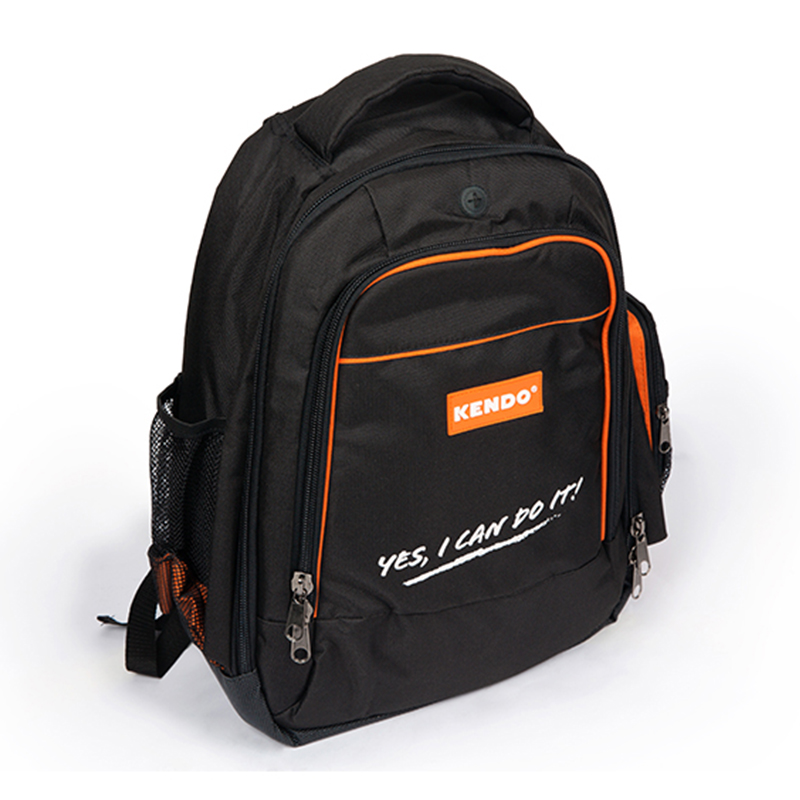
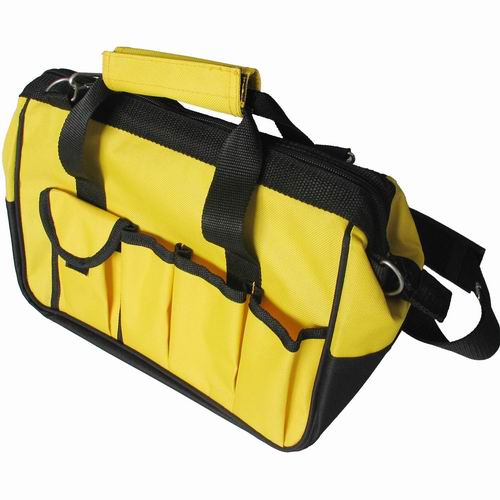
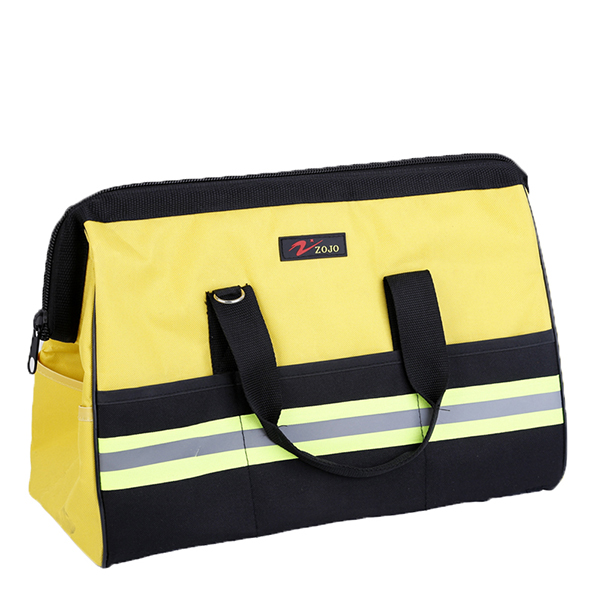
Tool Bags
Source high-quality tool bags directly from vetted manufacturers and wholesale suppliers. Designed for importers, hardware distributors, and brands seeking reliable OEM and private-label production, our network delivers durable, trade-grade tool storage solutions built for demanding job sites.
Sourcing professional-grade tool bags requires a strict focus on load-bearing construction, fabric abrasion resistance, and hardware integrity. A tool bag is subjected to harsh job site conditions, heavy sharp tools, and constant exposure to moisture and grease. For volume buyers, the challenge is specifying the right combination of textiles and structural reinforcements to meet a specific price point without compromising the bag's functional lifespan.
Core Specifications: Fabrics and Bases
The foundation of any tool bag is its primary textile and base construction. Factories typically quote based on fabric denier (D), which measures the linear mass density of fibers. Higher denier indicates thicker, heavier yarn, which translates directly to better abrasion and tear resistance.
| Specification | 600D Polyester | 1680D Ballistic Nylon |
|---|---|---|
| Target Market | DIY / Light Trade | Heavy-Duty Professional |
| Abrasion Resistance | Moderate | Exceptionally High |
| Cost Profile | Economical | Premium |
| Typical Applications | Basic totes, promotional bags | Electrician pouches, heavy-duty holdalls |
Beyond the fabric, the base determines the bag's structural integrity and moisture resistance. Entry-level bags utilize internal PE (polyethylene) boards covered with fabric, while professional-grade models feature custom-molded EVA (ethylene-vinyl acetate) or hard PP (polypropylene) waterproof bases. Molded bases protect tools from wet ground and prevent sharp objects from piercing the bottom.
Need help specifying the right materials for your target market? We can connect you with factories capable of producing custom molded bases and high-denier textiles.
Talk to our teamManufacturing Tolerances and Quality Control
Where cheap tool bags fail is almost never the main fabric—it is the stitching, zippers, and attachment points. Heavy loads place immense stress on handles and shoulder strap D-rings. Ensuring your factory employs proper reinforcement techniques is critical.
Look for factories that utilize bar tacking (tight zigzag stitching) at all stress points. Webbing handles should wrap entirely under the bag rather than just being sewn into the top seams. Zippers must be oversized, heavy-duty nylon or metal (typically #8 or #10 gauge) to withstand dust and repeated forceful pulling.
When establishing your quality control protocols, ensure pre-shipment inspections cover these critical failure points:
Critical Factory Inspection Points for Tool Bags
- Verification of bar tacking at all handle and strap attachment points
- Tensile strength testing of D-rings and metal rivets
- Zipper cycling tests under tension
- Drop testing of fully loaded bags to check base adherence and seam burst strength
- Waterproofing verification on molded bases and PVC-coated fabrics
OEM/ODM Customization and Product Development
Tool bags offer extensive opportunities for brand differentiation. Whether you are modifying an existing factory design (ODM) or bringing a completely new concept to life (OEM), the pocket layout, tool loop sizing, and branding application must be precise.
When utilizing OEM/ODM services, consider how your target tradesperson works. Electricians need numerous small vertical pockets for hand tools, while plumbers may require wider, deeper compartments for wrenches and fittings. Logos can be applied via rubberized patches, embroidery, or silk-screen printing. Keep in mind that embroidery on waterproof panels requires seam sealing on the reverse side to prevent moisture ingress. If you are designing proprietary molded bases or unique structural frames, partnering with a supplier experienced in product development will ensure your tooling molds are engineered correctly from the start.
Sourcing Realities: MOQs, Pricing, and Lead Times
Pricing for tool bags is highly elastic, driven primarily by fabric denier, the complexity of the molded base, and the number of internal and external pockets (which dictates labor time at the sewing stations).
Factories located in manufacturing hubs like Quanzhou and Guangzhou specialize in heavy-duty bags and have established supply chains for specialized hardware and high-denier textiles.
Ready to negotiate better pricing or develop a custom tool bag line? We manage supplier vetting, sampling, and production oversight.
Get a free consultationFrequently Asked Questions
Successfully sourcing tool bags requires moving beyond basic fabric specs and scrutinizing the factory's sewing capabilities and hardware sourcing. By specifying exact reinforcement methods and establishing rigorous load-testing protocols, you can deliver a product that withstands the rigors of the professional job site.
Get Sourcing Help for Tool Bags
Tell us your requirements and our experts will connect you with verified manufacturers.