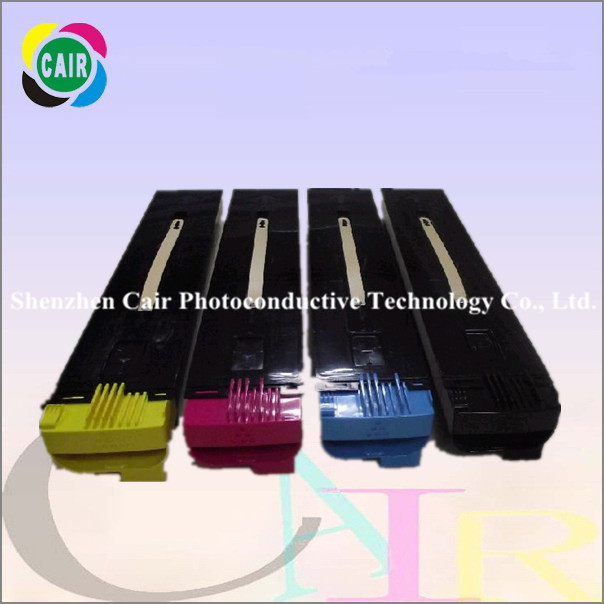
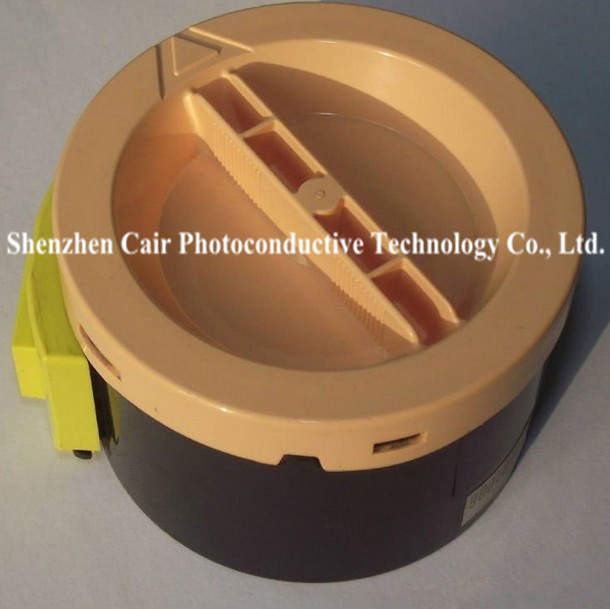
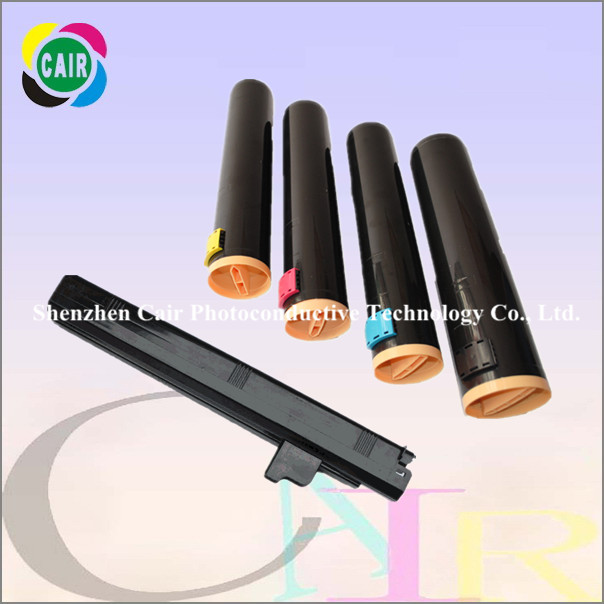
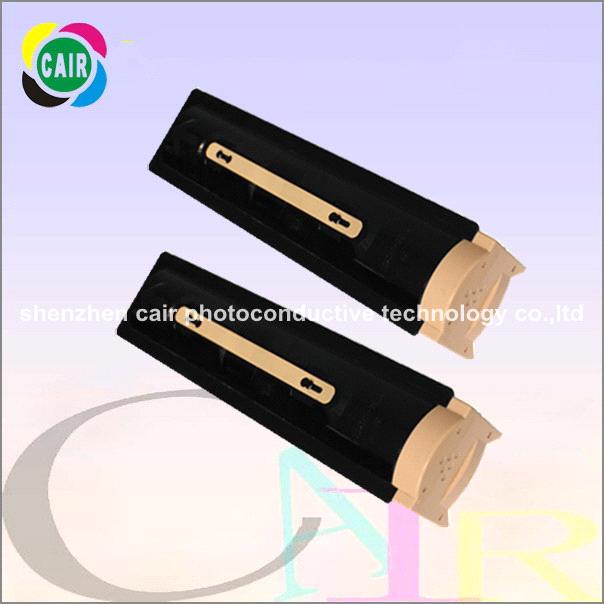
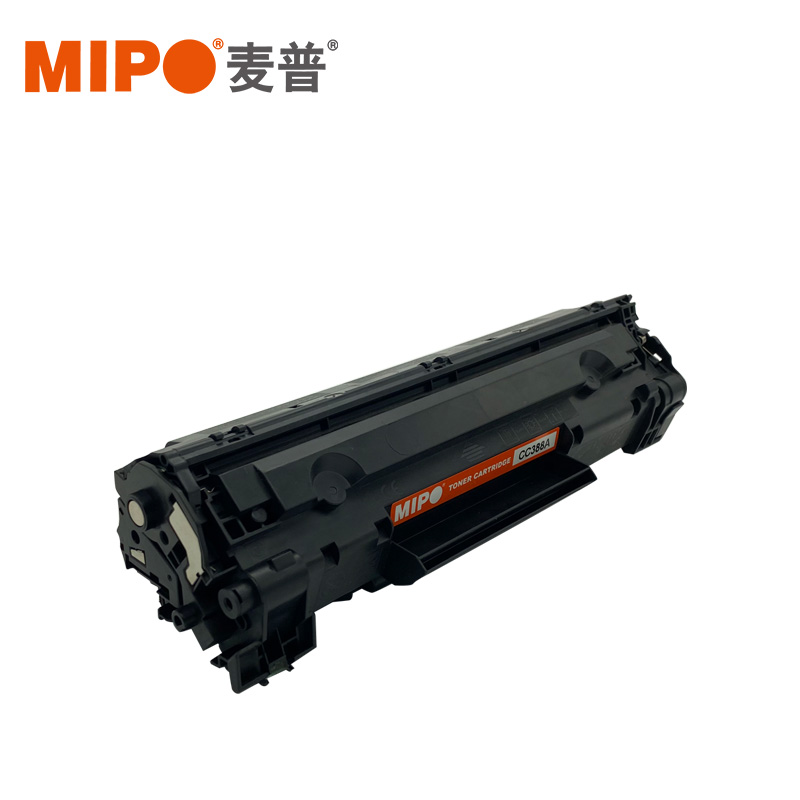
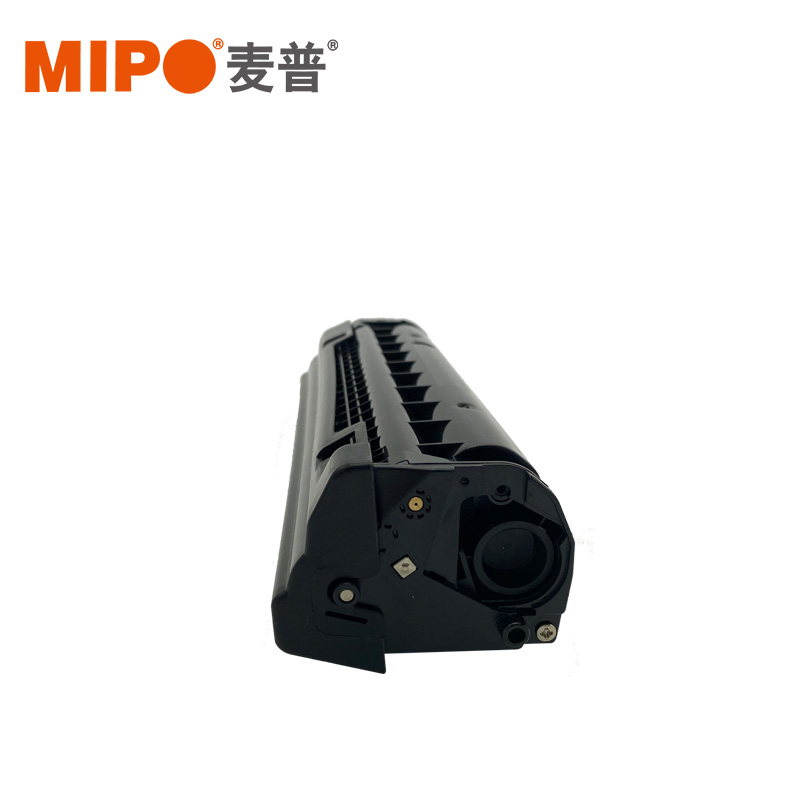
Toner Cartridges
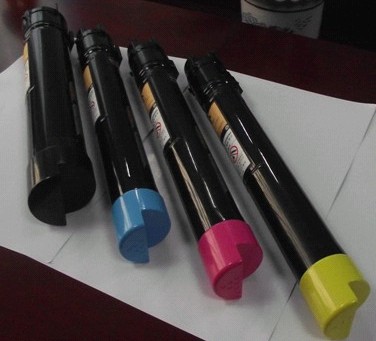
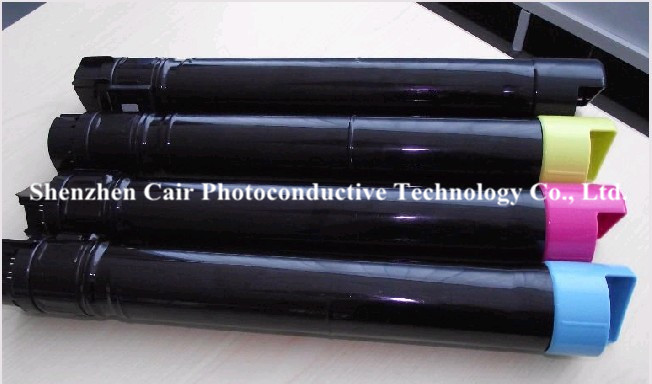
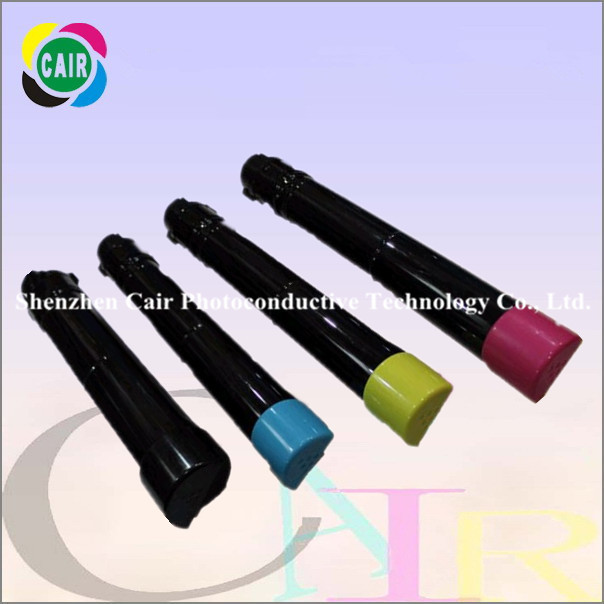
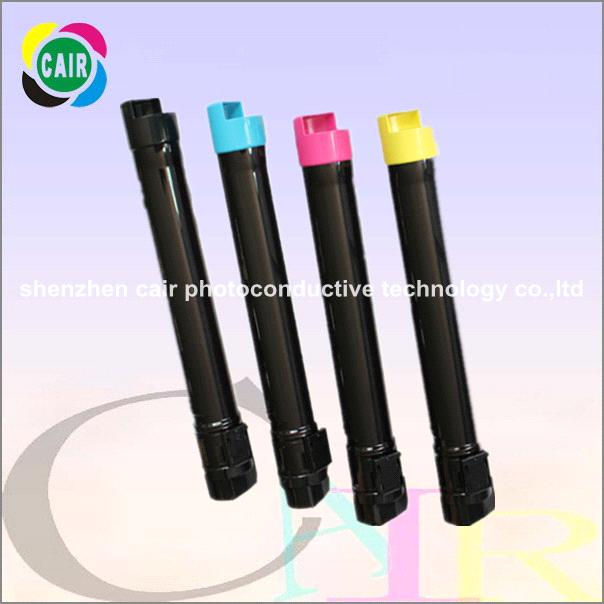
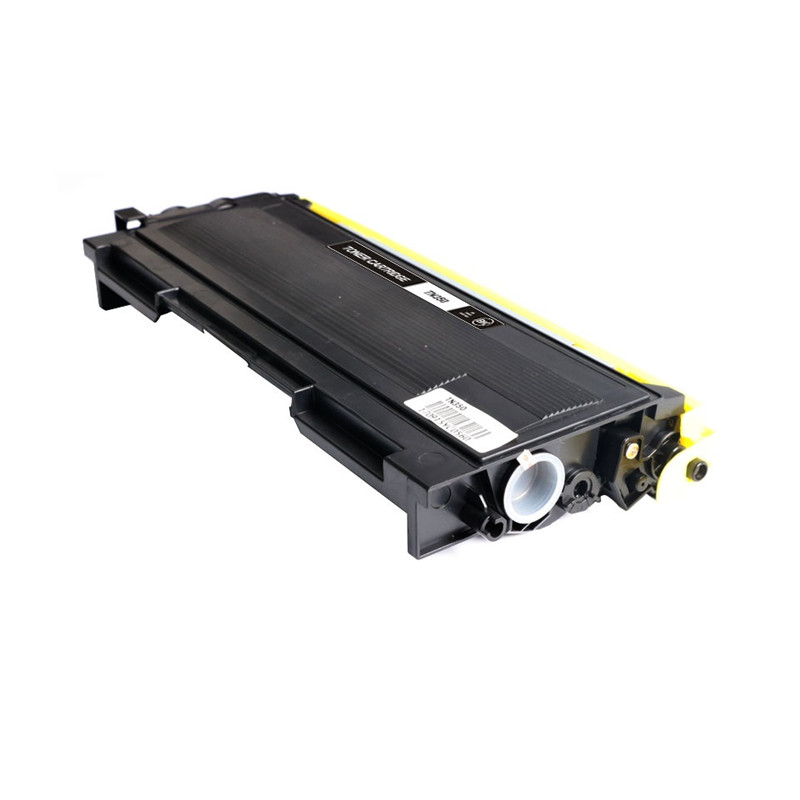
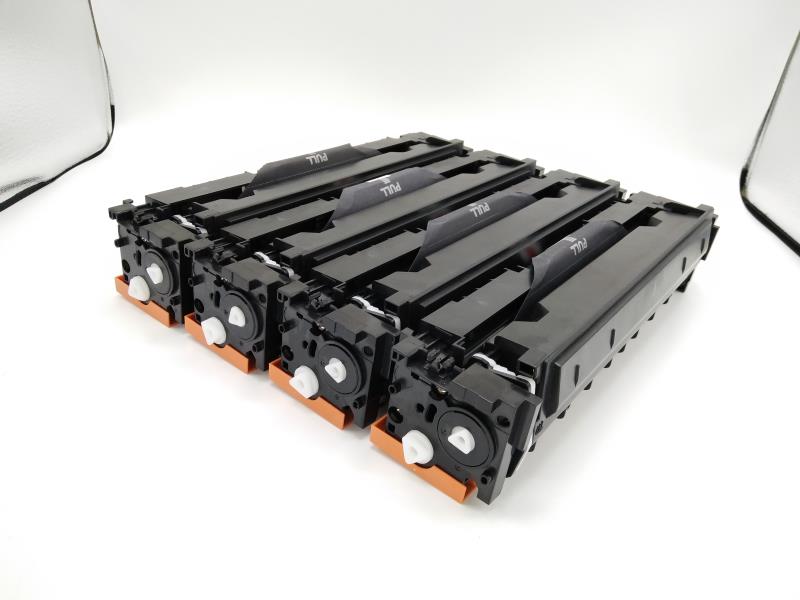
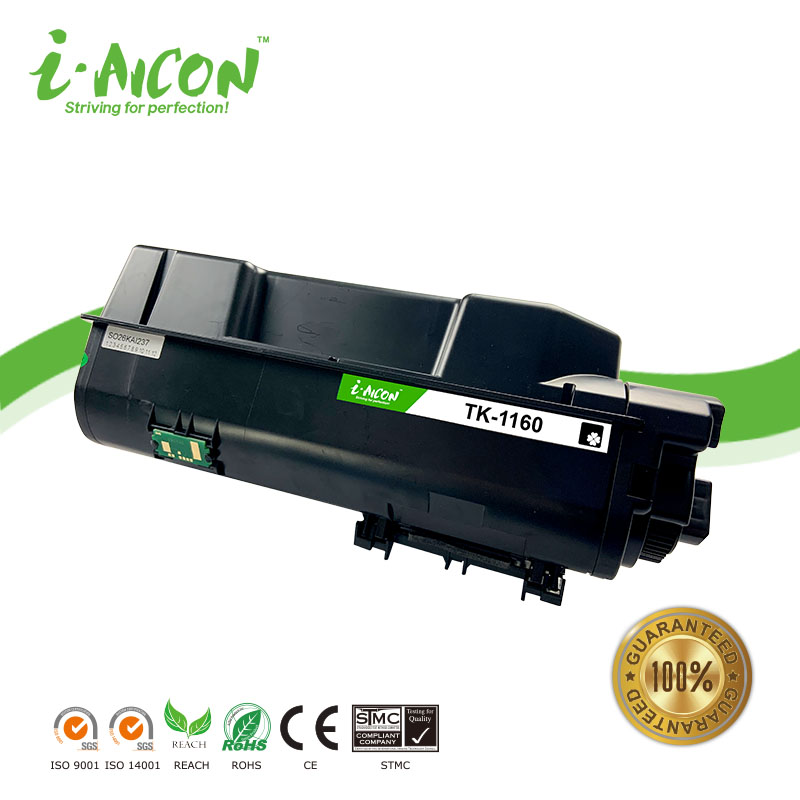
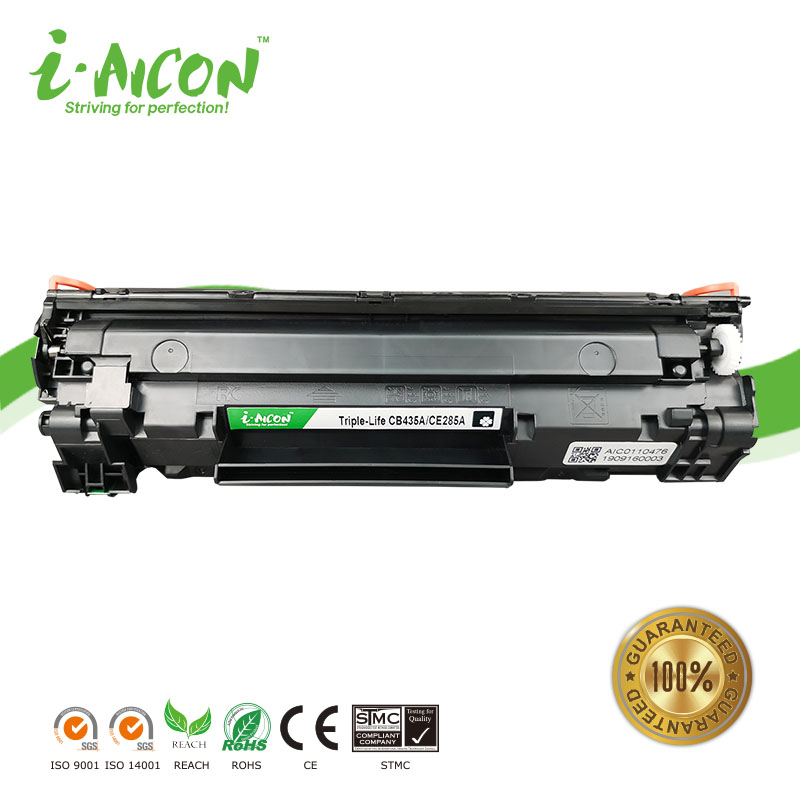
Source high-yield toner cartridges from vetted manufacturers and wholesale suppliers across Asia's leading production hubs. Designed for office supply distributors, importers, and brands seeking reliable OEM production, our network delivers consistent print quality, accurate page yields, and strict compatibility for commercial distribution.
Sourcing compatible or remanufactured toner cartridges in volume requires navigating a complex landscape of intellectual property boundaries, chip compatibility, and component quality. For B2B buyers, the difference between a high-margin consumable and a shipment plagued by RMA requests lies entirely in the factory's raw material selection and assembly precision. The global hub for printer consumables is heavily concentrated in Zhuhai, China, but supplier capabilities within this region range from premium automated facilities to basic manual assembly workshops.
Core Components and Manufacturing Variables
A toner cartridge is a complex electromechanical device. Its performance relies on the harmony between the toner powder and the internal imaging components. When evaluating a manufacturer, you must understand their supply chain for these critical sub-components.
| Component | Standard Market Quality | Premium/OEM-Grade |
|---|---|---|
| Toner Powder | Pulverized (irregular shape, higher waste) | Chemically produced (spherical, precise melting point) |
| OPC Drum | Single-layer coating (shorter lifespan) | Multi-layer durable coating (resists wear) |
| Developer Roller | Standard aluminum sleeve | High-precision sleeve with specialized conductive coating |
| Wiper/Doctor Blades | Basic polyurethane (prone to edge wear) | High-grade silicone/polyurethane (consistent pressure) |
Factories rarely produce all these components in-house. The best suppliers act as expert assemblers, sourcing premium OPC drums (often from specialized Japanese or Korean makers) and pairing them with high-grade chemical toner to ensure sharp text, accurate color registration, and low waste toner ratios.
Struggling with inconsistent print quality across different batches? We can help you secure factory lines that use verified, premium-grade internal components.
Talk to our teamThe Chip Compatibility Challenge
The most common point of failure for aftermarket toner cartridges is not mechanical—it is electronic. Printer OEMs frequently release firmware updates designed to reject third-party cartridges.
When sourcing, the quality of the ASIC chip used by your manufacturer is paramount. Suppliers must partner with top-tier chip design houses that develop robust, patent-safe microchips capable of resisting routine firmware updates. If you are importing under your own brand via OEM/ODM Services, securing a reliable chip supply chain is just as critical as the physical cartridge assembly.
Quality Control and Testing Standards
Testing protocols separate reliable export-grade manufacturers from the rest. Validating page yield and print density requires strict adherence to international testing standards. Do not accept supplier claims at face value; rigorous Quality Control & Inspection is mandatory before containers are sealed.
Critical Pre-Shipment Inspection Checks
- Page Yield Verification: Testing to ISO/IEC 19752 (monochrome) or ISO/IEC 19798 (color) at 5 percent page coverage.
- Environmental Chamber Testing: Ensuring performance in extreme temperature and humidity ranges (preventing toner clumping).
- Backgrounding & Ghosting Checks: Inspecting test prints for gray backgrounds or repeating latent images caused by poor PCR charging.
- Drop & Leak Testing: Verifying ultrasonic welds and seals hold up to transit impacts without leaking toner powder.
- Chip Recognition: Batch testing cartridges on the latest OEM printer firmware versions.
Buying Mechanics: MOQ, Lead Times, and Pricing
Because the market spans thousands of printer models, managing MOQs and lead times requires strategic forecasting. Manufacturers must balance holding raw materials with the risk of holding finished goods that might face sudden firmware obsolescence.
Pricing is heavily dictated by the cost of the smart chip and the type of toner powder used. Color toner sets are inherently more complex and expensive to produce than monochrome units due to the precise chemical toner required for accurate color mixing. Before committing to a large production run, executing thorough Factory Audits ensures your chosen supplier actually possesses the cleanroom environments and automated testing rigs they claim.
Need to consolidate your printer consumables supply chain? Our team can match your volume requirements with vetted, export-ready manufacturers.
Get a free consultationFrequently Asked Questions
Securing a reliable supply of toner cartridges means looking past the outer plastic shell and understanding the precise origin of the internal components and microchips. By partnering with manufacturers who invest in rigorous testing and premium raw materials, you can build a highly profitable, low-RMA consumables business.
Get Sourcing Help for Toner Cartridges
Tell us your requirements and our experts will connect you with verified manufacturers.