Tire Pressure Monitoring Systems (TPMS)
Source reliable Tire Pressure Monitoring Systems (TPMS) from vetted suppliers and manufacturers. Designed for automotive accessory importers, wholesale distributors, and brands seeking OEM or private-label production, our network delivers high-accuracy TPMS solutions ready for global compliance and bulk distribution.
Sourcing Tire Pressure Monitoring Systems (TPMS) at scale requires navigating a complex intersection of RF engineering, battery chemistry, and harsh operating environments. For aftermarket automotive buyers, the challenge isn't just finding a supplier who can assemble a display and four sensors; it is securing a manufacturing partner capable of consistent chipset calibration, reliable ultrasonic sealing, and stable wireless transmission under extreme rotational forces and temperature fluctuations.
Key Specifications for Bulk TPMS Orders
When developing your technical requirements, the core components of the sensor dictate both the lifespan of the unit and the overall reliability of the system. Off-the-shelf white-label units often compromise on battery quality or use legacy chipsets to drive down costs, resulting in signal dropouts and premature failure.
| Specification | External Sensors | Internal Sensors |
|---|---|---|
| Installation Concept | Threaded onto existing valve stem | Replaces valve stem inside tire |
| Battery Lifespan | 1 to 2 years (often replaceable) | 3 to 5 years (sealed, non-replaceable) |
| Durability Focus | Anti-theft locking, weather sealing | Centrifugal force resistance, pressure limits |
| Target Market | DIY retail, quick-install aftermarket | Professional installation, OEM replacement |
Frequencies and Regional Standards
TPMS sensors operate on specific radio frequencies that must align with your target market's regulatory environment. The two global standards are 315 MHz (predominantly used in North American vehicles and aftermarket systems) and 433 MHz (standard in Europe and widely adopted in Asia). Dual-frequency programmable sensors are increasingly common for universal replacement parts, but require more sophisticated programming tools.
Struggling to verify the chipset authenticity and RF stability of a potential TPMS supplier? We can help you evaluate their technical capabilities.
Talk to our teamManufacturing Quality & Component Sourcing
The reliability of a TPMS unit is won or lost in the bill of materials (BOM) and the factory's environmental testing capabilities.
- Chipsets: The sensor's microcontroller and pressure/temperature sensing elements should ideally come from Tier-1 semiconductor manufacturers like Infineon or NXP (Freescale). Lower-tier domestic chips can offer significant cost savings but often suffer from wider calibration tolerances and higher failure rates at temperature extremes (under -20°C or over 80°C).
- Battery Sourcing: A TPMS sensor transmits data continuously while in motion. Specify military-grade or high-end industrial coin cells (e.g., Maxell or Panasonic CR1632/CR2032) capable of withstanding extreme vibration and wide temperature ranges.
- Potting and Sealing: Internal sensors must be completely potted (filled with epoxy or resin) to protect the PCB from moisture, tire sealants, and vibration. External sensors require high-grade silicone O-rings to achieve an IP67 or IP69K waterproof rating.
Verifying these components requires looking past the spec sheet. Conducting rigorous Factory Audits is essential to ensure the supplier is actually purchasing the specified Tier-1 components and possesses the specialized equipment required for RF calibration and ultrasonic welding.
Critical Factory Quality Checks for TPMS
- Verification of authentic Infineon/NXP chipsets in the BOM.
- Presence of high-speed centrifugal testing machines for internal sensors.
- Environmental chambers for high/low temperature and humidity cycling.
- RF signal isolation testing rooms (Faraday cages) for calibration.
- 100% air-leak testing for sensor valve assemblies.
Pricing Drivers, MOQs, and Lead Times
Wholesale pricing for TPMS kits is highly variable based on the sensor type, display technology, and the underlying chipset.
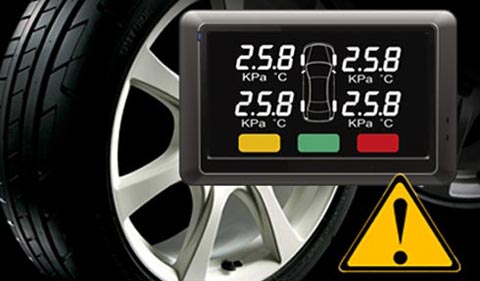
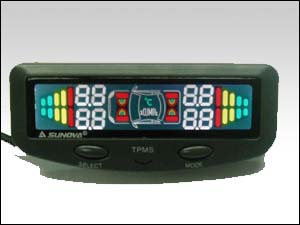
- Display Technology: Basic solar-powered LCD dash monitors represent the baseline cost. Upgrading to high-contrast color VA panels, OBD-II integration, or Bluetooth/App-based systems (eliminating the dedicated monitor entirely) will increase costs and extend development timelines.
- Vehicle Scale: Standard passenger vehicle kits include 4 sensors. Systems designed for RVs, commercial trucks, or trailers require 6 to 22 sensors, signal repeaters, and higher pressure ratings (up to 180 PSI or greater), significantly altering the price per kit.
For brands looking to differentiate their product lines, utilizing OEM/ODM Services allows for custom receiver designs, specific UI/UX development for the display, and tailored packaging that stands out in the retail environment.
Ready to develop a custom TPMS line or negotiate better terms with your current factory? Let's discuss your sourcing strategy.
Get a free consultationCompliance and Pre-Shipment Verification
Because TPMS units are intentional radiators of radio frequency energy, they are strictly regulated. Systems imported into the US must have FCC certification, while European markets require CE RED (Radio Equipment Directive) compliance. RoHS compliance is also mandatory globally for the electronic components.
Relying solely on a supplier's provided certificates is a common pitfall. Engaging independent Compliance & Testing verifies that the specific production batch meets regulatory limits, preventing costly customs seizures. Furthermore, implementing strict pre-shipment Quality Control & Inspection ensures that every sensor pairs correctly with its receiver before the container is loaded.
Successfully sourcing TPMS requires balancing aggressive price targets with the uncompromising reliability demanded by automotive safety electronics. By focusing on chipset provenance, rigorous environmental testing, and strict regulatory compliance, buyers can secure systems that perform flawlessly in the field.
Get Sourcing Help for Tire Pressure Monitoring Systems (TPMS)
Tell us your requirements and our experts will connect you with verified manufacturers.