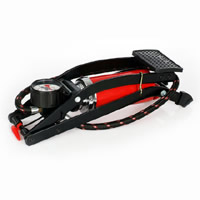
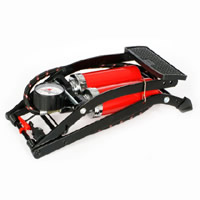
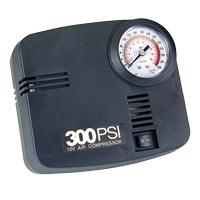
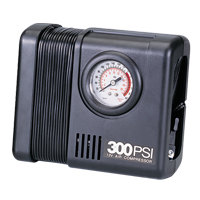
Tire Inflators
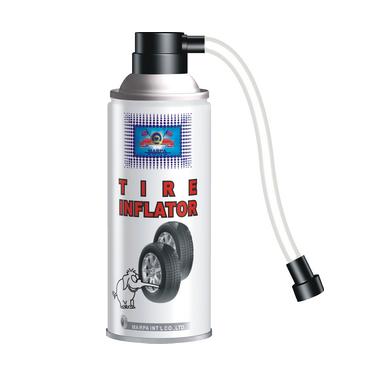
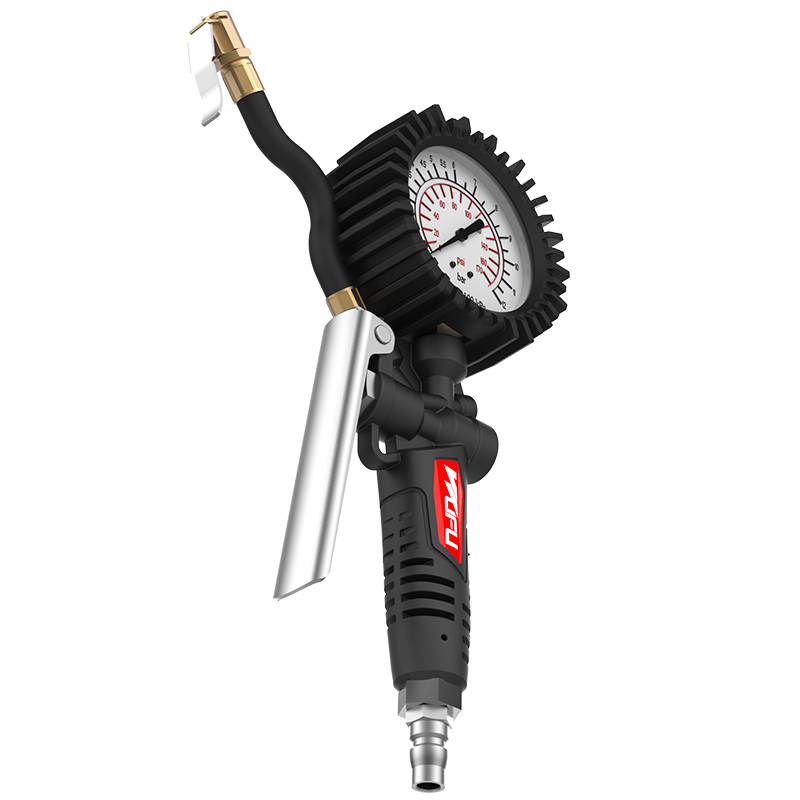
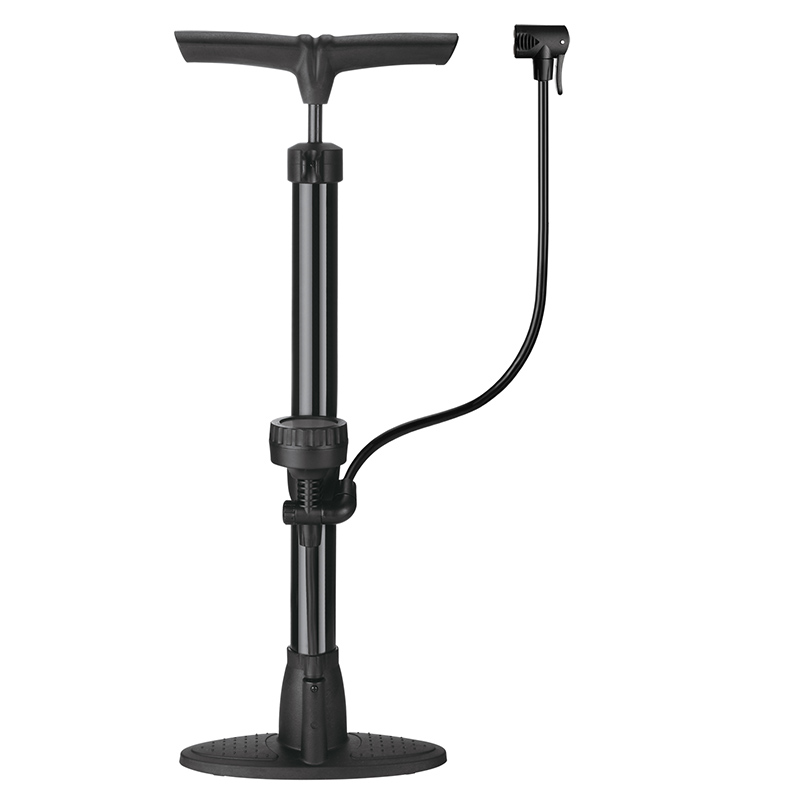
Source tire inflators in bulk from vetted manufacturers and suppliers across Asia. Designed for importers, distributors, and automotive brands seeking reliable wholesale or OEM/private-label production, our network delivers high-performance pneumatic tools built to exact specifications and international compliance standards.
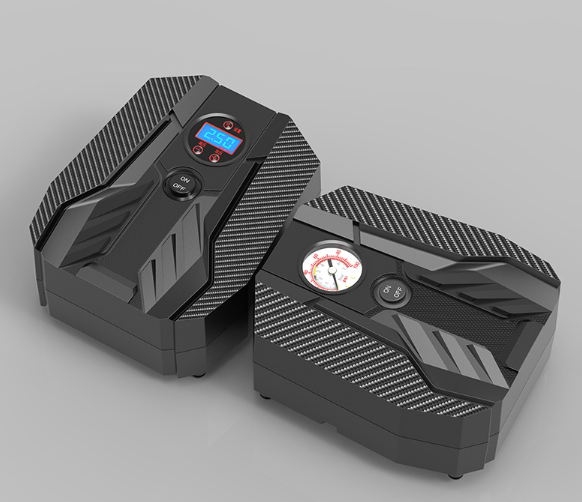
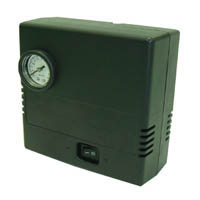
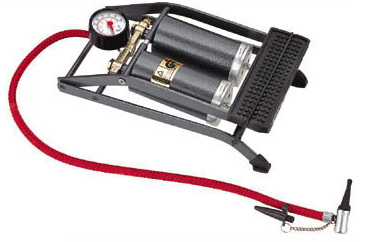
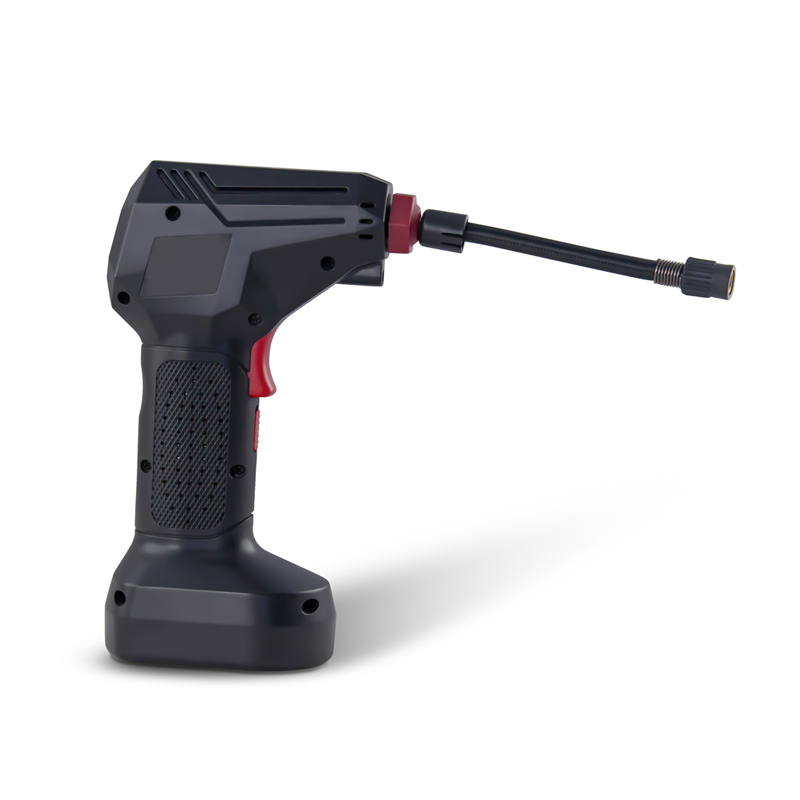
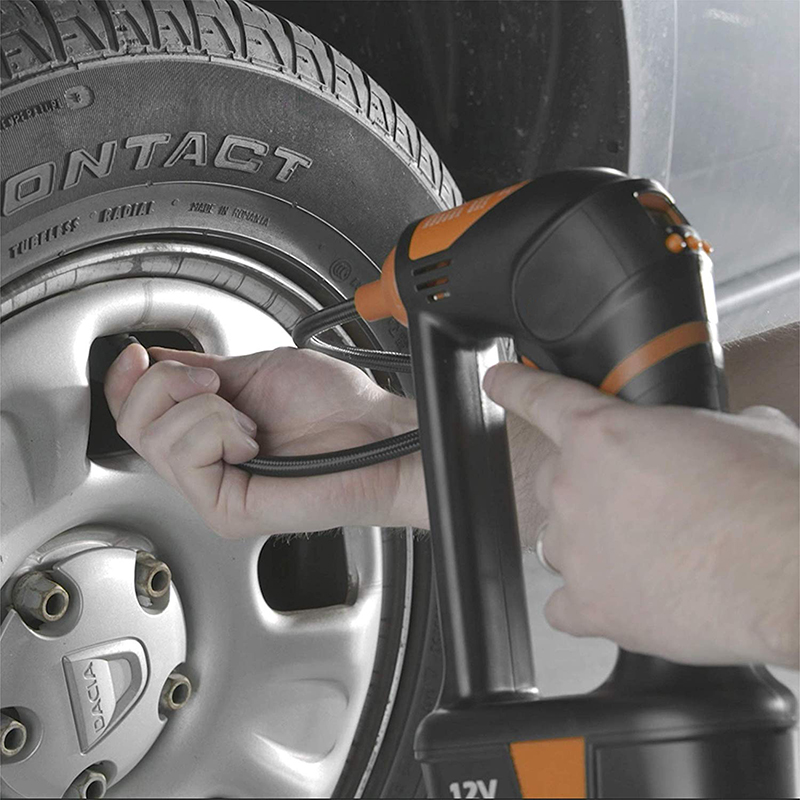
Sourcing tire inflators at volume requires balancing unit cost with thermal management, motor longevity, and battery safety. Whether you are importing compact 12V portable units for emergency roadside kits or heavy-duty dual-cylinder inflators for the off-road and RV markets, success depends on specifying the right internal components. A visually appealing outer casing can easily mask an underpowered motor or a plastic gear train prone to stripping under load.
Core Specifications for Bulk Purchasing
When negotiating with a tire inflator manufacturer, superficial specs like "Max PSI" are often used as marketing metrics rather than true indicators of performance. Professional buyers must define the internal architecture to ensure the product meets market expectations.
Motor and Cylinder Construction
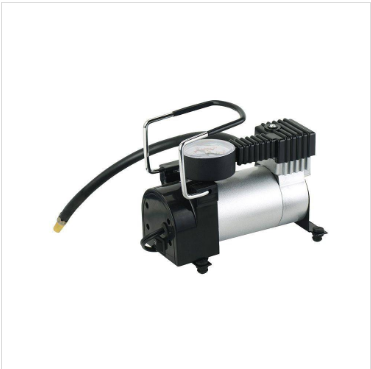
The core of any tire inflator is the motor and pump assembly. Low-cost wholesale tire inflators often utilize brushed 380-series or 540-series DC motors paired with plastic gears and small (16mm to 19mm) plastic cylinders. While acceptable for occasional use, these overheat rapidly. For premium OEM/ODM projects, specify 540 or 550-series motors, all-metal gear trains, and die-cast zinc or aluminum alloy cylinders (22mm to 30mm).
Power Delivery: 12V DC vs. Cordless Lithium-Ion
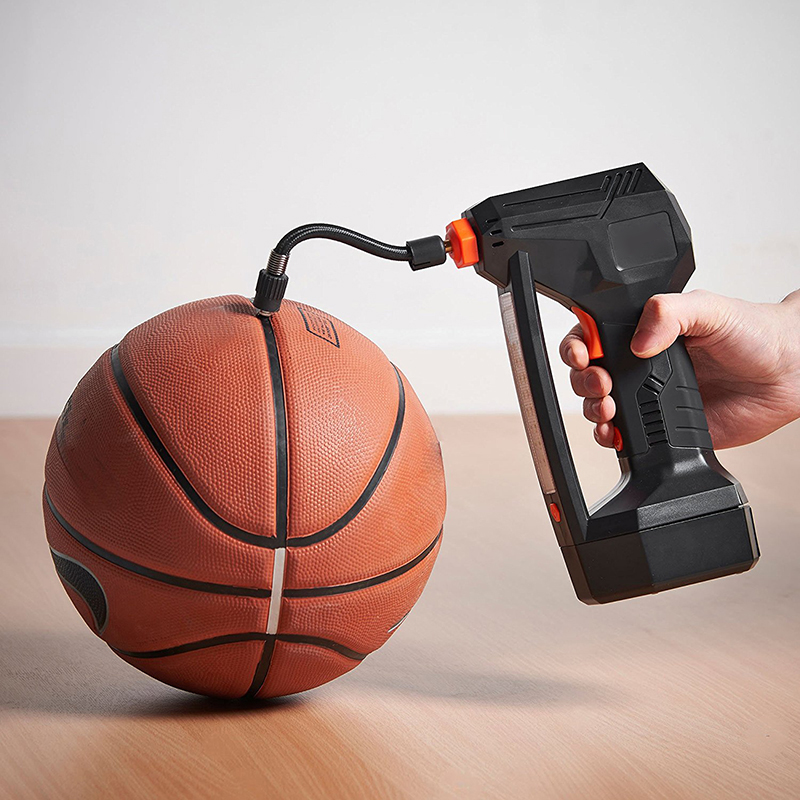
The market is heavily shifting toward cordless models. If you are developing a battery-powered inflator, the BMS (Battery Management System) and cell quality dictate the product's lifespan.
| Feature | 12V DC (Wired) | Cordless (Lithium-Ion) |
|---|---|---|
| Power Source | Vehicle 12V socket | Internal 2000mAh - 6000mAh pack |
| Portability | Limited by cord length (typically 3m) | Fully portable |
| Component Focus | Fuse quality, wire gauge (AWG 14-16) | BMS, thermal cutoff, cell balancing |
| Manufacturing Cost | Lower baseline cost | Higher due to battery cells & PCB |
Navigating motor specs and battery compliance can be complex. We help buyers verify factory capabilities and engineer reliable internal components.
Talk to our teamManufacturing Tolerances and Quality Control
Defects in tire inflators usually stem from poor thermal management or inaccurate pressure sensors. When setting up your Quality Control & Inspection protocols, focus heavily on the following areas during pre-shipment testing.
Critical QC Checkpoints for Tire Inflators
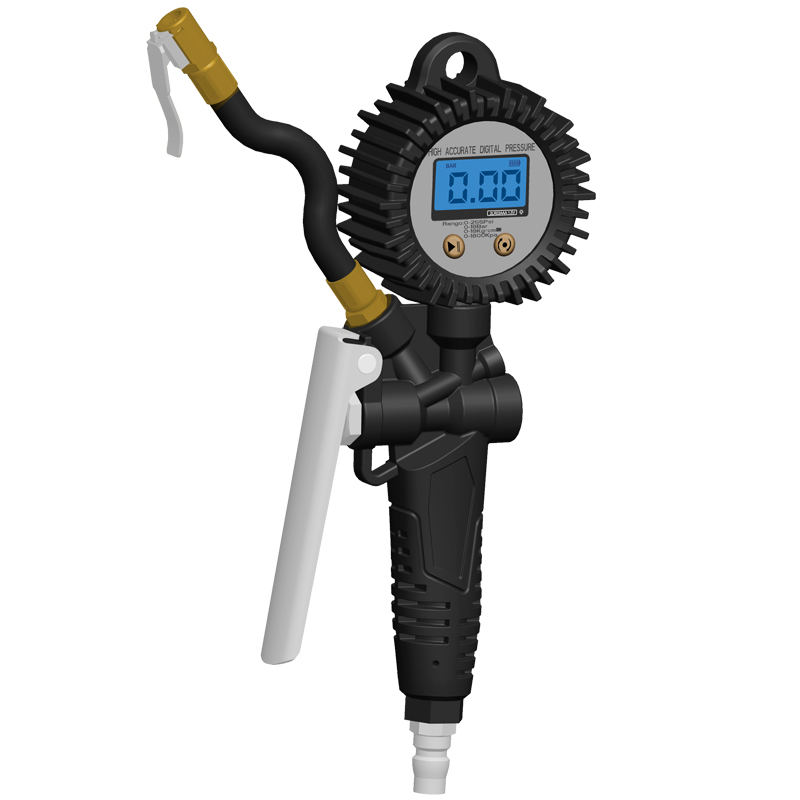
- Pressure Gauge Accuracy: Digital sensors must be calibrated to within ±1 PSI. Analog gauges require mechanical verification.
- Thermal Cut-off Testing: Ensure the inflator automatically shuts down when internal temperatures exceed safe limits (typically around 90°C to 105°C).
- Auto-Shutoff Function: Verify the PCB accurately halts inflation when the user-preset target pressure is reached.
- Air Hose Connection: Inspect the quick-connect or screw-on brass valve for thread integrity and air leakage under load.
- Vibration and Noise: Excessive rattling indicates poor internal motor mounting or unbalanced gears.
Customization and OEM/ODM Production
For brands looking to differentiate, custom enclosures and proprietary battery platforms are standard requirements. Engaging a factory for OEM/ODM Services allows you to dictate the industrial design, user interface (e.g., LED screen size, capacitive touch buttons), and accessory loadout (Presta valve adapters, sports ball needles).
Be aware that custom tooling for a new plastic injection molded housing will increase your initial capital outlay and extend the pre-production timeline by 30 to 45 days. Additionally, any new electrical design—especially cordless models—will require rigorous Compliance & Testing to secure CE, FCC, RoHS, and potentially UL certifications for the charging components.
Pricing, MOQ, and Lead Times
Sourcing tire inflators in bulk involves navigating distinct tiers of pricing and minimum order quantities based on the level of customization.
- White-Label (Off-the-shelf with custom logo): MOQs typically range from 500 to 1,000 units. Lead times are relatively short, averaging 25 to 35 days.
- OEM (Custom colorways, upgraded internals): MOQs usually sit between 1,000 and 3,000 units. Expect lead times of 40 to 50 days as factories must source specific motor or cylinder upgrades.
- ODM (Fully custom tooling and PCB): MOQs rarely fall below 3,000 units. The timeline can stretch to 70 to 90 days to account for mold creation, T1/T2 sampling, and certification testing.
Pricing is highly volatile based on lithium-ion cell costs and the spot price of copper (for motors) and aluminum (for cylinders). Always lock in component BOM (Bill of Materials) pricing during your initial factory negotiations.
Ensure your target pricing aligns with your required quality standards. We can negotiate BOM costs and manage the production schedule on your behalf.
Get a free consultationFrequently Asked Questions
Successfully importing tire inflators requires looking past the outer shell and tightly controlling the internal bill of materials. By specifying exact motor sizes, cylinder materials, and strict thermal tolerances, you protect your brand from high return rates and safety liabilities.
Get Sourcing Help for Tire Inflators
Tell us your requirements and our experts will connect you with verified manufacturers.