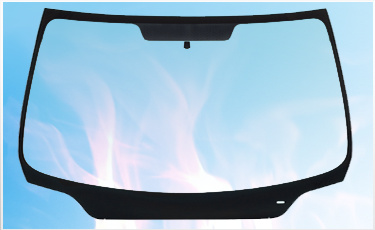
Tinted Glass
Source high-quality tinted glass directly from vetted manufacturers and wholesale suppliers. Designed for construction procurement managers, importers, and commercial distributors buying in bulk, our verified factory network delivers consistent color matching, precise thickness tolerances, and reliable global shipping.
Sourcing body-tinted float glass in commercial volumes requires strict attention to optical consistency, thermal performance, and logistics. For architectural, automotive, and industrial applications, even slight variations in the metal oxide admixtures at the factory level can result in noticeable color banding across a facade or product run. Securing a reliable supply chain means moving beyond basic price lists and validating a manufacturer's batch-control processes and furnace management.
Technical Specifications and Optical Properties
When negotiating with glass factories, precision in your specification sheet prevents costly misunderstandings. Tinted glass (also known as heat-absorbing glass) relies on specific metal oxides—such as cobalt, iron, or selenium—added during the float process. Because the tint is integrated into the glass body, the color density is directly proportional to the glass thickness.
You must specify optical and thermal performance metrics alongside physical dimensions.
| Specification | Standard Range | Critical Sourcing Tolerance |
|---|---|---|
| Thickness | 4mm to 12mm | ± 0.2mm (Standard float tolerance) |
| Visible Light Transmittance (VLT) | 14% to 83% | ± 2% variance per batch |
| Solar Heat Gain Coefficient (SHGC) | 0.35 to 0.70 | Must be tested per thickness |
| Standard Sheet Sizes | 2140x3300mm, 2440x3660mm | Squareness tolerance ± 2mm |
Struggling with color consistency across multiple glass shipments? Let us help you establish strict batch-control protocols with reliable manufacturers.
Talk to our teamManufacturing Variables and Quality Control
The primary challenge in manufacturing tinted glass is the transition phase. Float glass furnaces run continuously; changing from clear glass to a bronze or grey tint requires a transition period where the output is mixed and often discarded as cullet. Factories with poor process control may attempt to sell transition-phase glass, resulting in uneven color distribution.
Conducting thorough Factory Audits is essential to verify a supplier's furnace capacity, raw material storage, and automated inspection capabilities (such as in-line optical scanners).
Once production begins, rigorous Quality Control & Inspection is non-negotiable before the glass is packed into wooden crates.
Pre-Shipment Glass Inspection Priorities
- Spectrophotometer color matching against the approved master sample at the exact specified thickness.
- Optical distortion testing (zebra board test) to identify float line anomalies or ripples.
- Edge condition checks to ensure clean cuts, preventing micro-fractures during transit.
- Annealing strain verification using polariscopes to ensure the glass can be safely cut or tempered later.
- Interleaving powder application verification to prevent moisture staining (glass cancer) during shipping.
Buying Mechanics: MOQs, Lead Times, and Logistics
Glass is incredibly dense and fragile, making logistics the primary driver of MOQs and landed costs. Bulk tinted glass is almost exclusively shipped in full containers to ensure structural integrity during transit.
Because a 20ft container reaches its maximum weight limit (usually around 24 to 26 metric tons) long before it runs out of physical space, optimizing the crate dimensions and payload distribution is critical. Partnering with experts in Shipping & Freight ensures your glass is packed in seaworthy, fumigated wooden end-caps or A-frames, properly braced with steel banding to prevent catastrophic shifting at sea.
Need to optimize your heavy-freight supply chain? We manage everything from factory negotiations to secure container loading and customs clearance.
Get a free consultationFrequently Asked Questions
Securing high-quality tinted glass is about controlling variables—from the purity of the metal oxides in the furnace to the structural integrity of the shipping crates. By establishing strict tolerances and enforcing rigorous pre-shipment inspections, you can ensure consistent performance and aesthetics for your downstream production or distribution network.
Get Sourcing Help for Tinted Glass
Tell us your requirements and our experts will connect you with verified manufacturers.