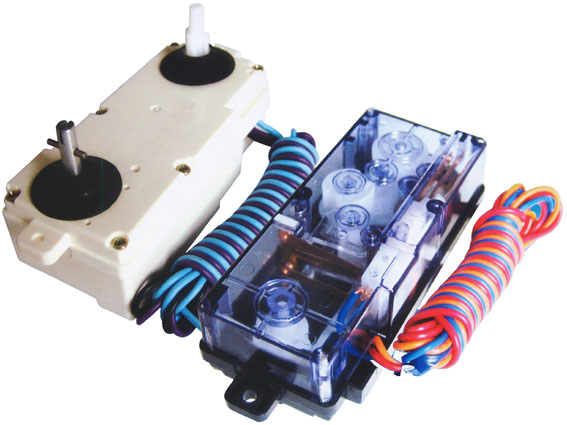
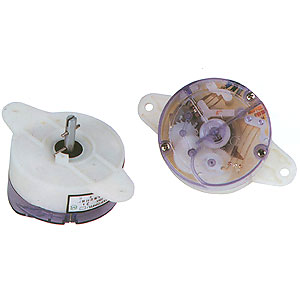
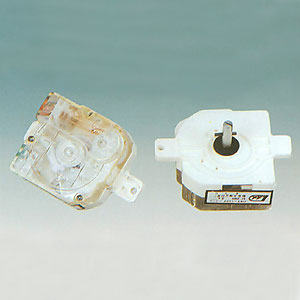
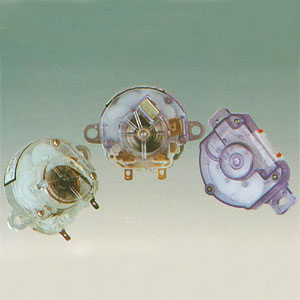
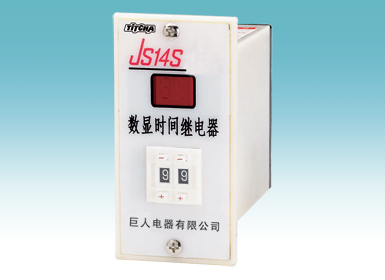
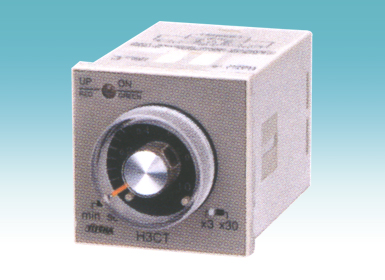
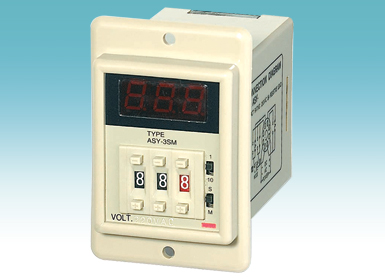
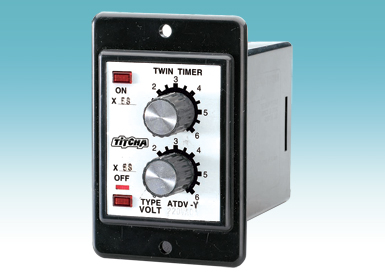
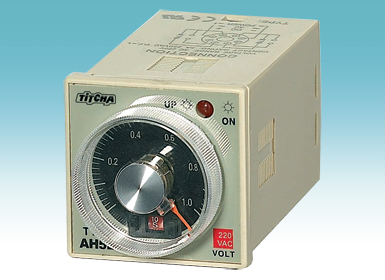
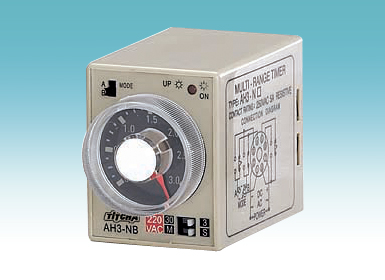
Timers
Source industrial timers from vetted manufacturers and suppliers in China and Asia. Designed for electrical distributors, importers, and brands seeking reliable OEM/ODM production, our catalog covers high-volume procurement of programmable, delay, and cyclic timers built to international compliance standards.
Industrial timers are the operational heartbeat of automated control panels, packaging machinery, and commercial lighting systems. Sourcing them in bulk requires a careful balance between unit cost and the long-term reliability of internal components. A failed timer means line downtime or damaged downstream equipment, making rigorous supplier qualification and component specification critical to a successful import program.
Core Specifications for Procurement
When specifying timers for high-volume manufacturing, the external housing often looks identical across suppliers. The true differentiation lies in the internal architecture. You must clearly define the operating parameters to avoid receiving consumer-grade electronics disguised as industrial controls.
| Specification | Standard Commercial | Heavy Industrial |
|---|---|---|
| Relay Contacts | Silver Nickel (AgNi) - general purpose | Silver Tin Oxide (AgSnO2) - high inrush |
| Electrical Life | 100,000 operations | Over 250,000 operations |
| Voltage Tolerance | ±10% of rated voltage | ±15% to ±20% for unstable grids |
| Housing Material | Standard ABS | Flame-retardant Polycarbonate (UL94 V-0) |
For digital timers, the quality of the Microcontroller Unit (MCU) dictates timing accuracy and resistance to electrical noise. If you are developing proprietary control logic, utilizing OEM/ODM Services ensures your custom firmware is flashed correctly at the board level before final assembly.
Need to customize firmware or secure reliable high-volume production for industrial timers?
Talk to our teamManufacturing Tolerances and Quality Control
The primary failure modes in industrial timers are contact welding from inductive loads, timing drift due to temperature fluctuations, and premature failure of the internal power supply (especially in wide-voltage models).
Catching these issues requires stringent Quality Control & Inspection protocols on the factory floor. Do not rely solely on final functional tests; in-line inspection of the PCB assembly is vital.
Critical QC Checks for Timers
- Dielectric strength testing (Hi-Pot) between coil and contacts (typically 2000V AC).
- Burn-in testing at maximum rated temperature to identify early MCU or capacitor failures.
- Verification of flame-retardant plastics via material data sheets and sample burning.
- Calibration checks across the full time range, especially for analog RC-circuit timers.
Compliance is another major hurdle. While CE (LVD/EMC) is standard for most export-focused factories in hubs like Yueqing (Wenzhou), true UL 508 or IEC 60947-5-1 compliance requires specific internal clearances and certified components. If your market requires strict regulatory adherence, integrating Compliance & Testing early in the sourcing phase prevents costly redesigns.
Production Realities: MOQ, Pricing, and Lead Times
Understanding the supply chain dynamics for electrical controls helps in negotiating better terms and planning inventory.
Pricing is heavily influenced by the cost of copper (for coils and internal busbars), the grade of the silver alloy used in the relay contacts, and the origin of the MCU. Factories offering prices drastically below the market average are almost certainly substituting thinner copper, lower-grade plastics, or reclaimed components. Conducting thorough Factory Audits is the most effective way to verify a supplier's component sourcing and assembly capabilities before placing a bulk order.
Looking to optimize your industrial control supply chain and reduce defect rates?
Get a free consultationBuyer FAQ
Sourcing industrial timers successfully means looking past the outer casing and understanding the electrical engineering that dictates lifespan. By partnering with vetted manufacturers and enforcing strict component standards, you can secure highly reliable control products that protect your brand's reputation in the field.
Get Sourcing Help for Timers
Tell us your requirements and our experts will connect you with verified manufacturers.