TIG Welders
Source high-performance TIG Welders in bulk from vetted manufacturers and wholesale suppliers. Designed for importers, industrial distributors, and brands seeking reliable OEM and private-label production, our network delivers precision inverter technology, rigorous compliance, and competitive factory-direct pricing.
Sourcing Tungsten Inert Gas (TIG) welding machines requires navigating a highly fragmented manufacturing base, primarily concentrated in East Asia. The difference between industrial-grade reliability and unacceptable failure rates lies entirely in the internal architecture—specifically the inverter topology, thermal management, and PCB assembly standards. When buying in bulk or developing a private-label line, verifying these internal components is just as critical as the exterior specifications.
Critical Specifications and Component Sourcing
The heart of any modern TIG welder is its inverter board. While many suppliers claim similar amperage outputs, the underlying component quality dictates the machine's true duty cycle, arc stability, and lifespan.
When negotiating specifications with a manufacturer, pay close attention to the power switching components. Industrial machines utilize Insulated-Gate Bipolar Transistors (IGBTs) rather than older MOSFET technology. However, not all IGBTs are equal. Premium manufacturers source single-tube or modular IGBTs from recognized brands (like Infineon or Fairchild), whereas budget factories may use generic alternatives that suffer from higher thermal failure rates under heavy loads.
| Specification | Light Industrial / Hobbyist | Heavy Industrial |
|---|---|---|
| Inverter Technology | MOSFET or Generic Single-Tube IGBT | Premium Brand IGBT Modules |
| Duty Cycle Rating Temp | Tested at 20°C (Inflated rating) | Tested at 40°C (True rating) |
| Arc Ignition | Standard High-Frequency (HF) board | Advanced HF with Lift-TIG backup |
| Cooling System | Standard AC Fan | On-Demand intelligent cooling |
Navigating component supply chains and verifying inverter quality can be complex. Let us help you identify the right manufacturing partner for your specific performance requirements.
Talk to our teamManufacturing Standards and Quality Control
A factory's assembly environment is a strong indicator of the final product's reliability. TIG welders are highly sensitive to metallic dust and moisture during the assembly process.
To ensure long-term reliability, the manufacturer must apply conformal coating to all PCBs to protect against conductive dust in the end-user's workshop. Furthermore, rigorous testing protocols must be in place. This is where comprehensive Factory Audits become invaluable, allowing you to verify that the supplier actually possesses the testing infrastructure they claim.
Key Factory-Floor Quality Checks
- PCB Protection: Verification of conformal coating application on all logic and power boards.
- Burn-in Testing: Machines must run at maximum output under artificial load banks for at least 2 to 4 hours in a heated room.
- Dielectric Strength Test: Ensuring proper insulation and grounding to meet international safety standards.
- Open Circuit Voltage (OCV) Verification: Confirming the OCV matches the specification for safe and reliable arc strikes.
If you cannot be on-site, implementing strict Quality Control & Inspection protocols before shipment is mandatory. In-line inspections can catch poor soldering or improper wiring routing before the machine casing is sealed.
OEM and Customization Capabilities
For brands looking to establish their own line of welding equipment, OEM/ODM Services offer significant flexibility. Most top-tier factories operate on a modular basis, allowing you to customize both the exterior design and the software interface.
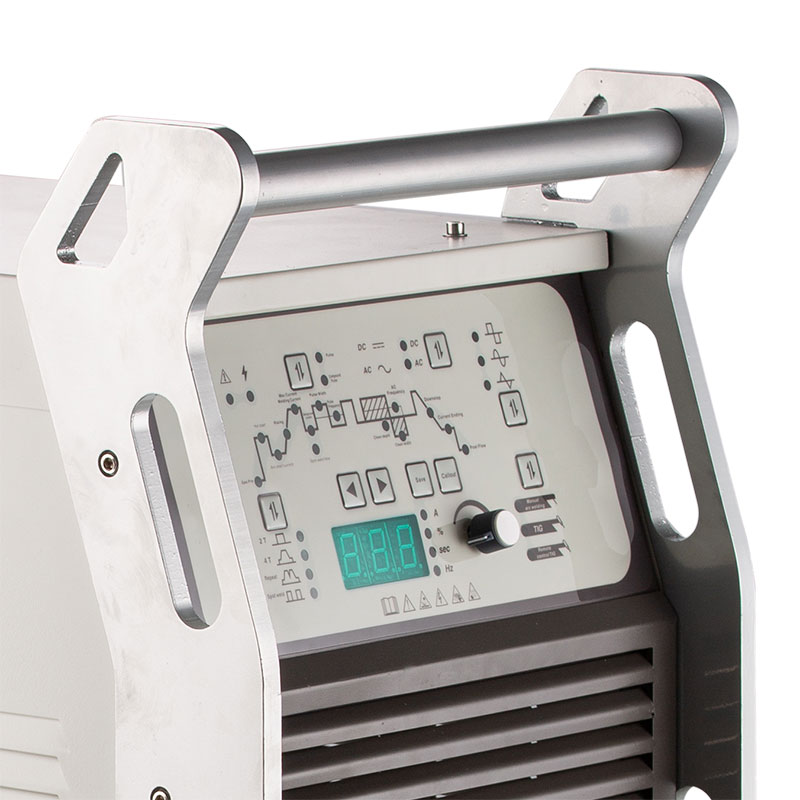
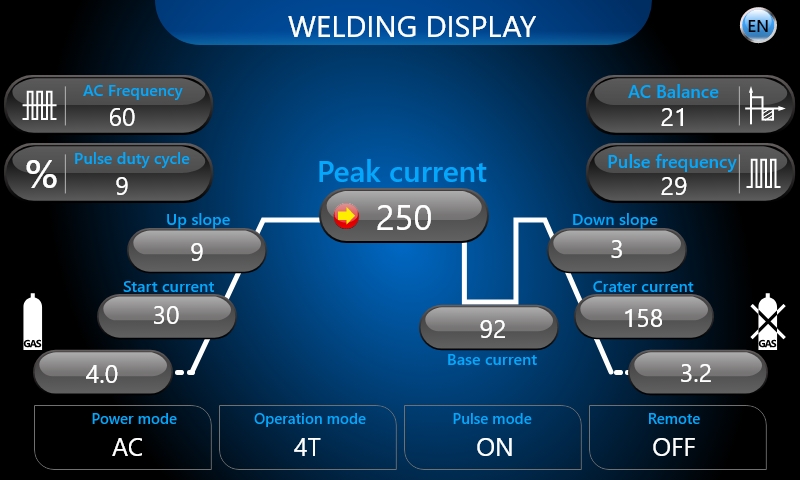
- Digital Interfaces: Upgrading from analog dials to LCD or TFT screens with synergic controls (where the machine automatically adjusts parameters based on material thickness and tungsten size).
- Casing and Tooling: Modifying the chassis for better impact resistance or unique brand aesthetics. Custom injection-molded plastics require upfront tooling costs but provide strong brand differentiation.
- Firmware: Customizing pulse frequencies, AC waveforms (square, triangular, sine), and memory save functions for specific industrial applications.
Pricing, Lead Times, and Order Mechanics
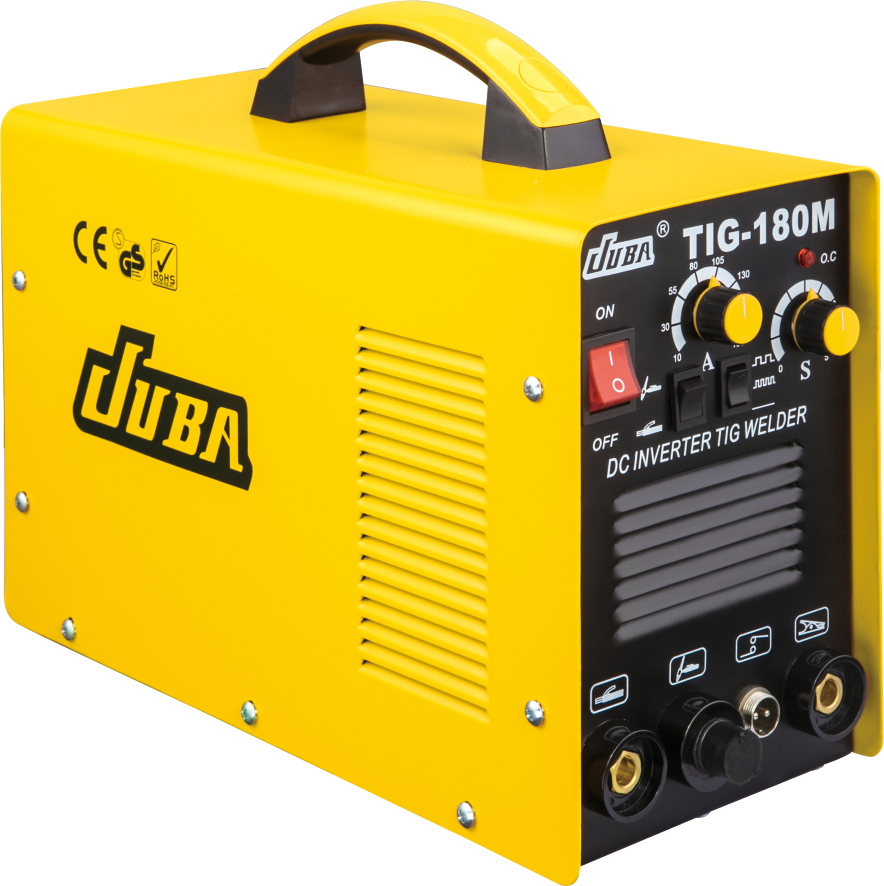
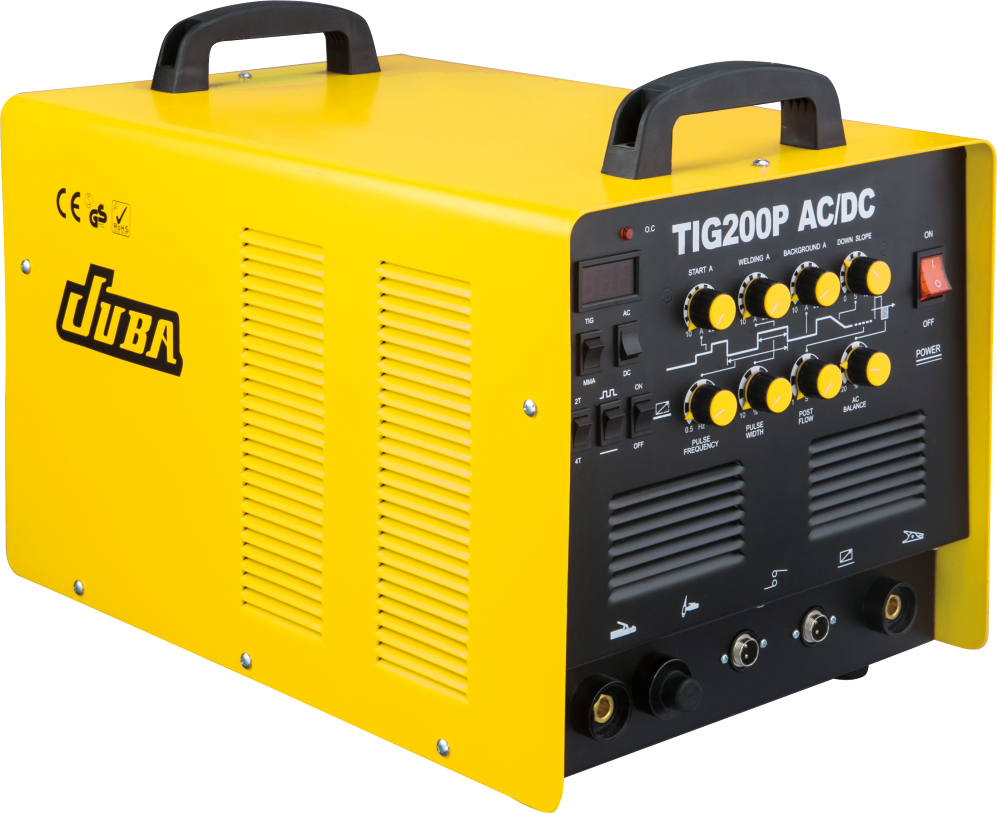
Pricing for TIG welders scales dramatically based on AC/DC capabilities, maximum amperage, and component origin. AC/DC machines, necessary for welding aluminum, require more complex inverters and carry a significant premium over DC-only models.
Keep in mind that high-frequency TIG welders are heavy and dense. Optimizing your container loads and managing the international freight efficiently is critical to maintaining your landed margins.
Need accurate pricing, tooling estimates, and lead times for your specific TIG welder requirements? Speak with our sourcing experts.
Get a free consultationFrequently Asked Questions
Successfully sourcing TIG welders at scale requires looking past the spec sheet and scrutinizing the factory's engineering and quality control processes. By enforcing strict component requirements and verifying testing protocols, you can secure reliable equipment that builds long-term brand equity.
Get Sourcing Help for TIG Welders
Tell us your requirements and our experts will connect you with verified manufacturers.