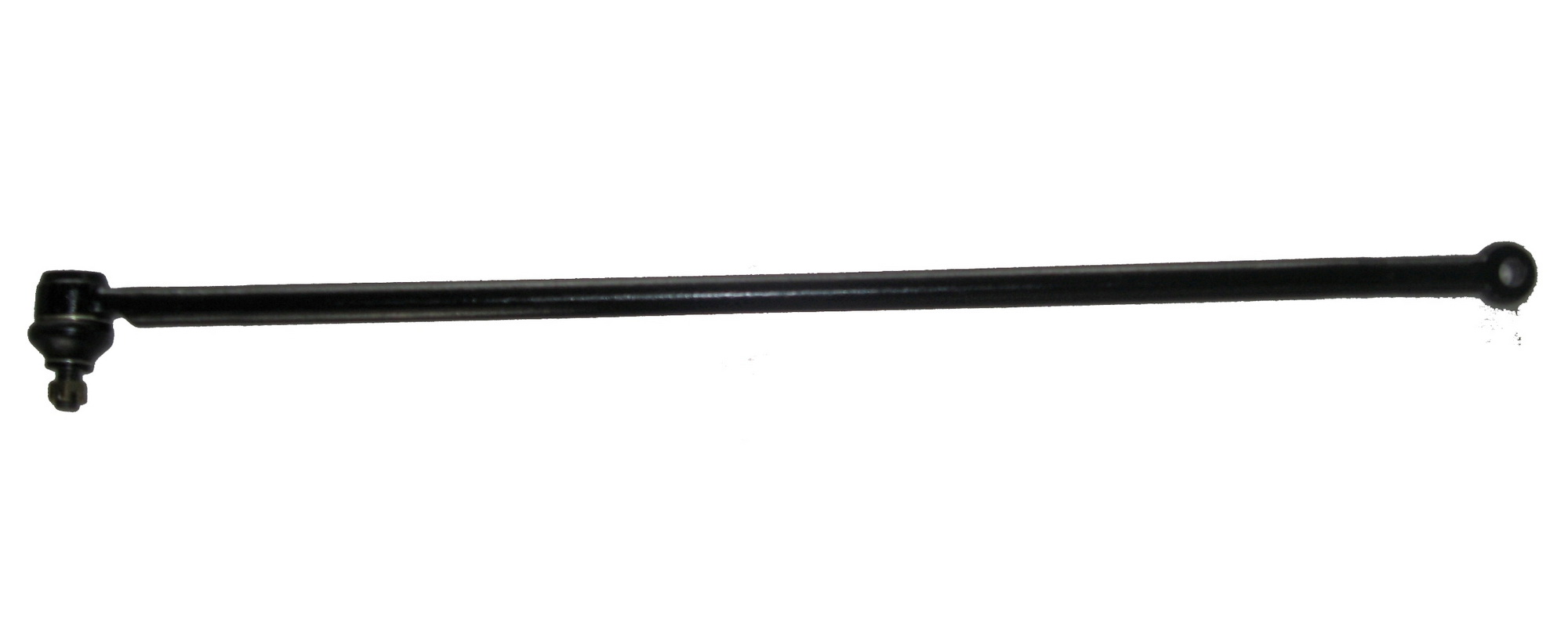
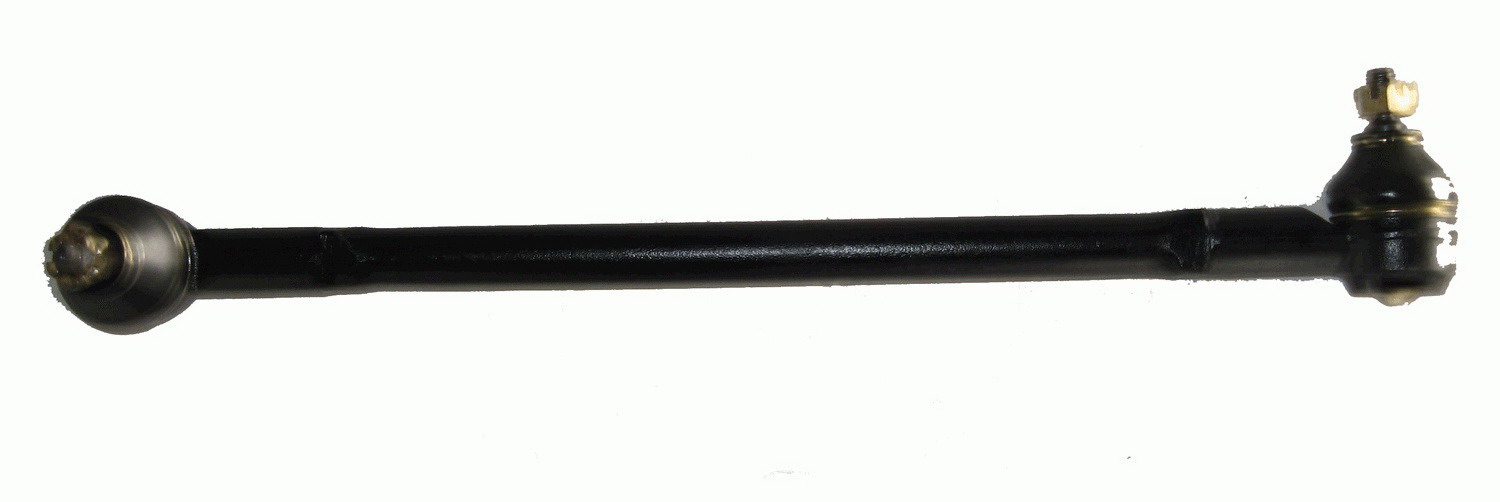
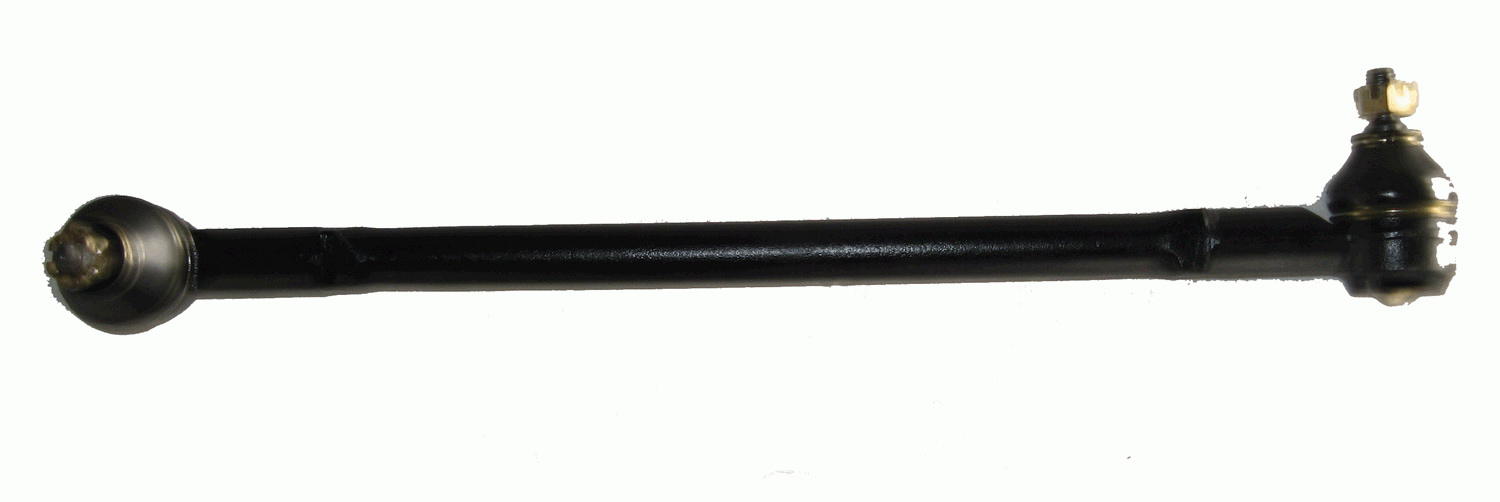
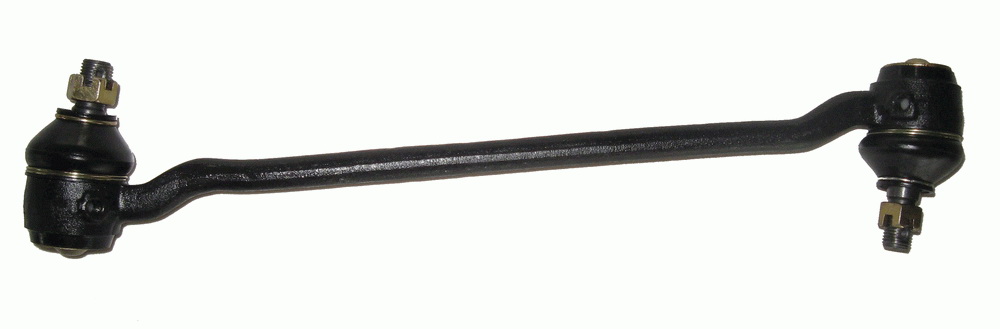
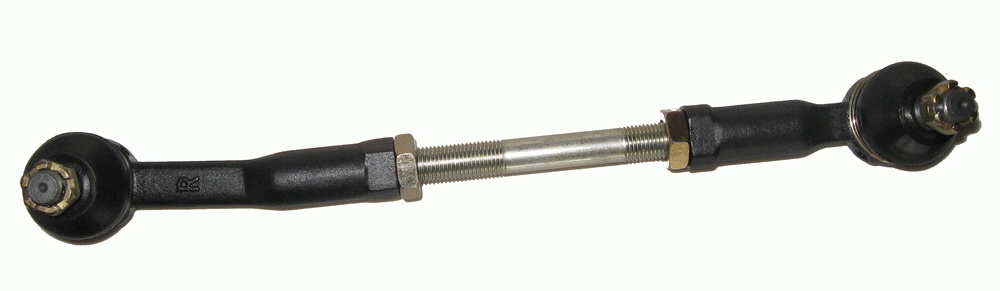
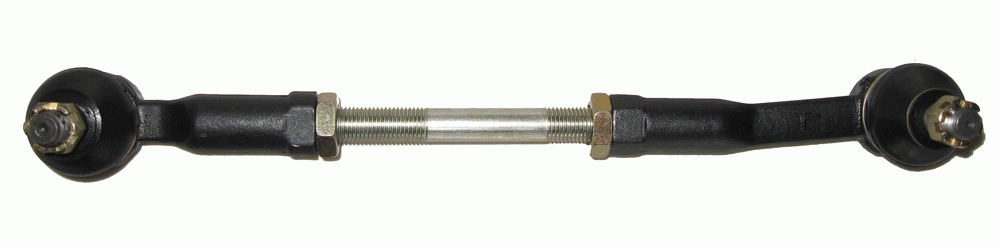
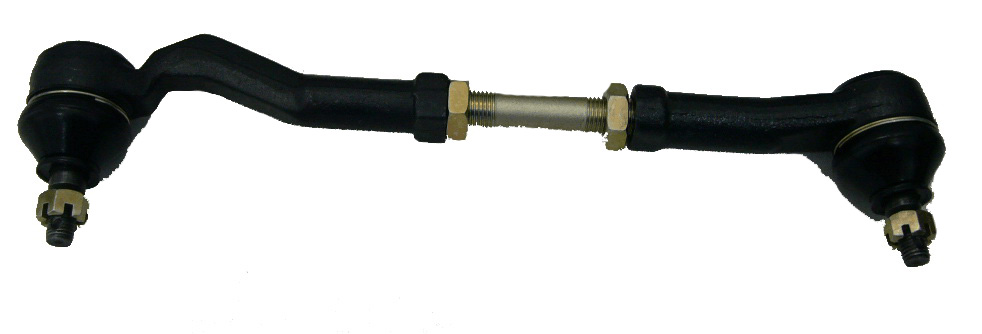
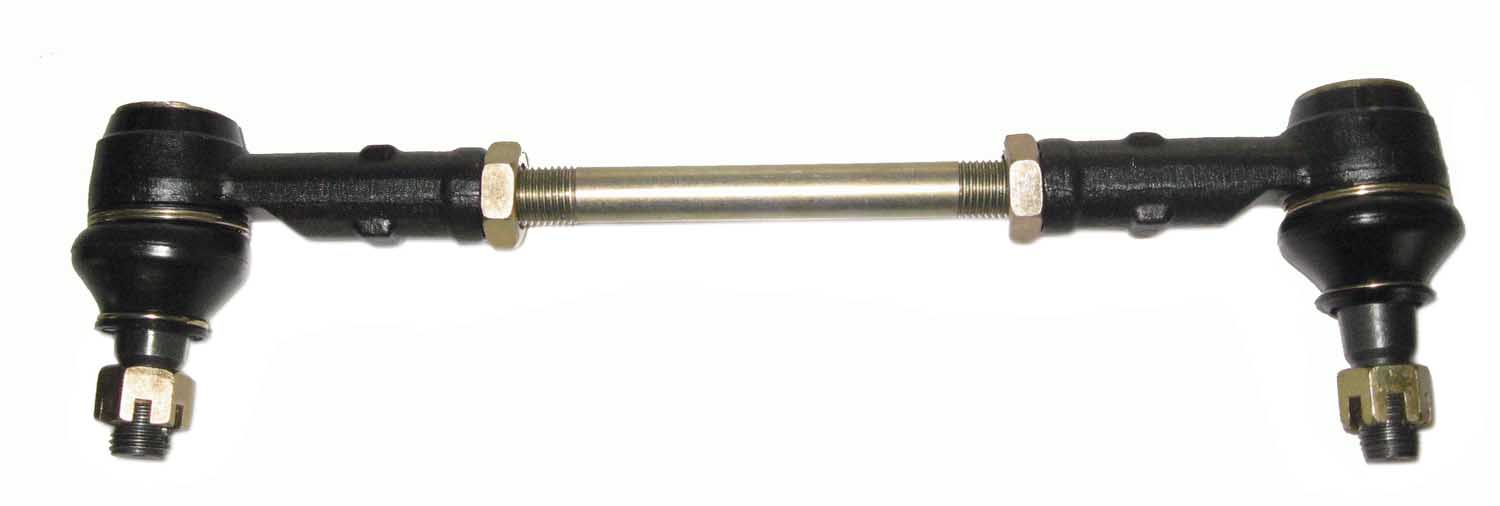
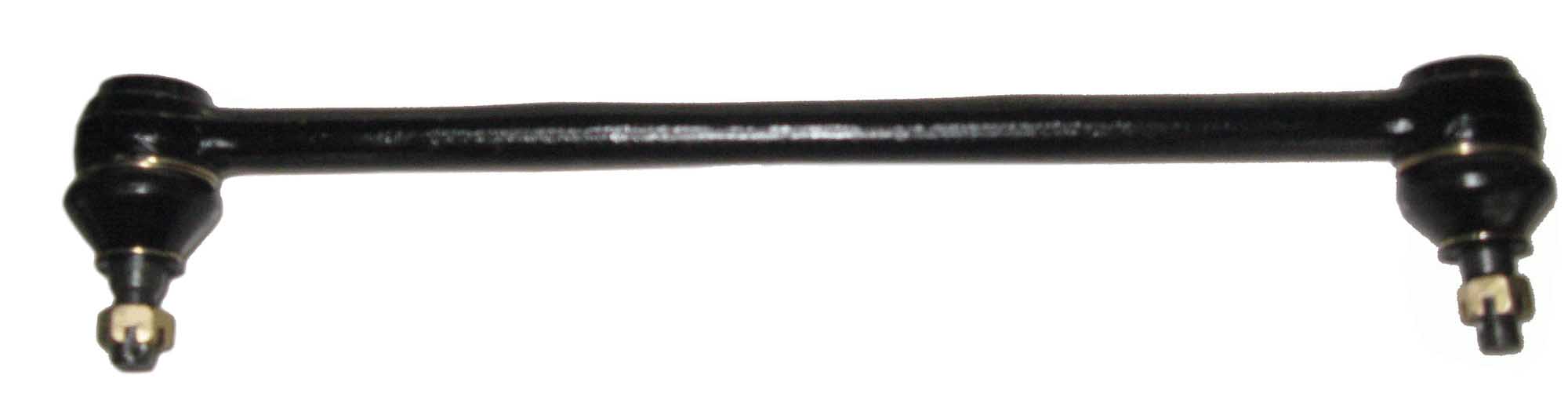
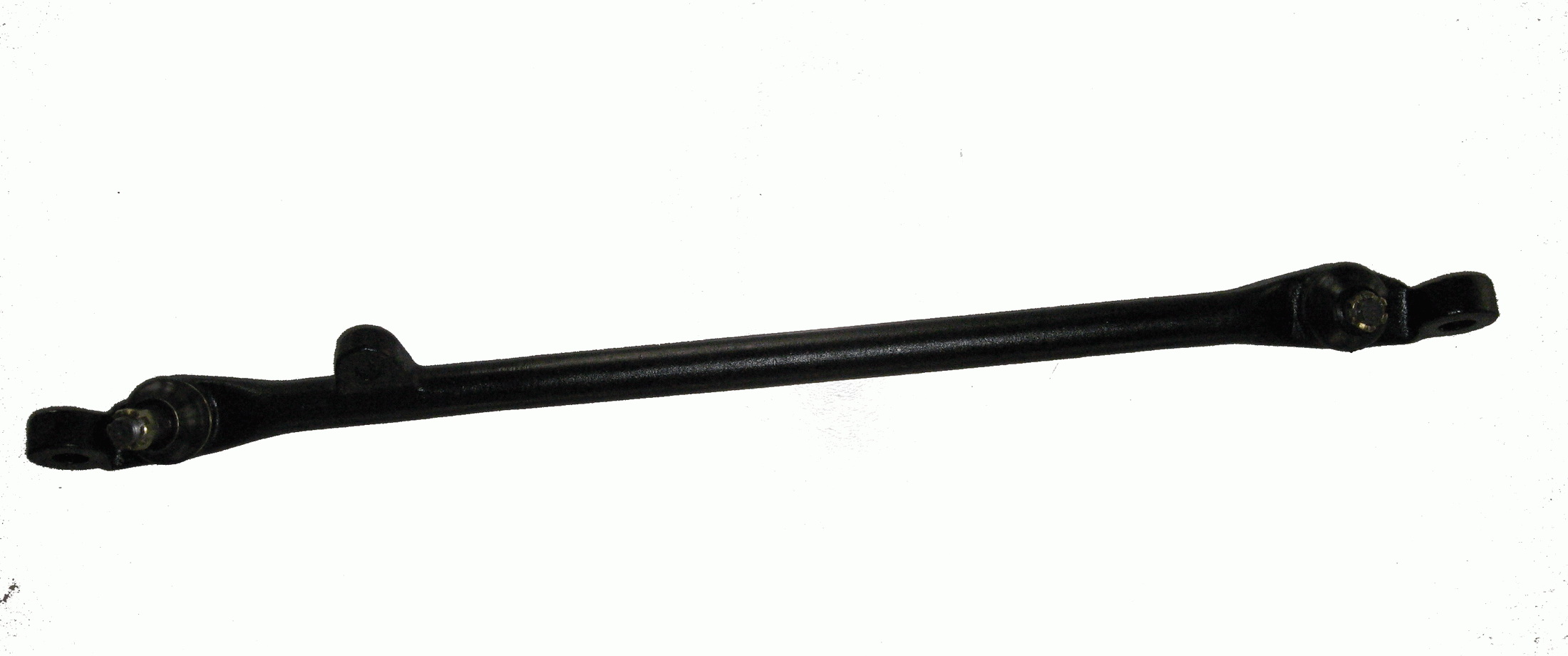
Tie Rods
Source premium tie rods from vetted suppliers and manufacturers across Asia. Designed for automotive parts importers, wholesale distributors, and aftermarket brands seeking reliable OEM and private-label production, our network delivers precision-engineered steering components in bulk.
Tie rods are critical safety components in any vehicle's steering system, transmitting force from the steering center link or rack gear to the steering knuckle. Because a tie rod failure results in an immediate loss of steering control, sourcing these components at scale requires rigorous attention to metallurgical properties, machining tolerances, and assembly quality. Wholesale buyers must navigate a fragmented supplier base to find manufacturers capable of consistent, defect-free production.
Essential Material and Engineering Specifications
The lifespan of a tie rod is dictated by its ability to withstand constant axial loads, vibration, and environmental contamination. When negotiating with suppliers, specifying the exact material grades is non-negotiable.
- Ball Studs: Standard aftermarket applications typically use 40Cr or 45# steel. For high-performance or heavy-duty applications, alloy steels like 42CrMo are preferred. The ball stud must undergo induction hardening to achieve a surface hardness of HRC 50 to 60, ensuring wear resistance while maintaining core ductility.
- Housing/Body: The main body is usually hot-forged carbon steel (such as SAE 1045) or, for weight reduction in modern platforms, forged aluminum alloy.
- Dust Boots: The boot is the primary defense against premature wear. Chloroprene Rubber (CR) is standard, offering good resistance to ozone and oil. Polyurethane (PUR) offers superior tear resistance and longevity for premium aftermarket lines.
- Lubrication: High-temperature molybdenum disulfide grease is required to handle extreme friction and temperature variations inside the ball joint.
| Component | Standard Aftermarket | Premium / Heavy Duty |
|---|---|---|
| Ball Stud Material | 40Cr Steel | 42CrMo Alloy Steel |
| Housing Process | Cast or Cold Forged | Hot Forged Steel / Aluminum |
| Dust Boot | Chloroprene Rubber (CR) | Polyurethane (PUR) |
| Surface Treatment | Black Oxide / Standard Zinc | Electrophoretic Coating (E-Coating) |
Manufacturing Quality and Supplier Vetting
China's primary automotive parts manufacturing hubs for steering and suspension are concentrated in Zhejiang province (particularly Yuhuan and Ruian). While production capacity is massive, quality control varies wildly.
A reliable manufacturer must hold an active IATF 16949 certification, the global quality management standard for the automotive industry. ISO 9001 alone is insufficient for critical steering components. Before committing to a production run, conducting thorough Factory Audits is essential to verify their in-house testing capabilities.
Need to verify a tie rod manufacturer's IATF 16949 compliance? We can audit their facility and testing labs on your behalf.
Talk to our teamCritical Testing Requirements
If a factory cannot demonstrate the following in-house testing procedures, they are merely an assembler, not a true manufacturer:
Mandatory Factory-Level Tie Rod Tests
- Pull-out and push-out strength testing of the ball stud.
- Rotational torque testing to ensure smooth articulation without binding.
- High and low-temperature fatigue testing (simulating 1 million+ cycles).
- Salt spray testing (minimum 72 to 120 hours) for corrosion resistance.
- Mud and water ingress testing on the assembled dust boot.
Implementing independent Quality Control & Inspection before shipment ensures that thread pitches (e.g., M12x1.25, M14x1.5) are machined to exact tolerances and that surface treatments meet your specified micron thickness.
OEM/ODM Production and Customization
For brands building a private-label suspension catalog, utilizing OEM/ODM Services allows for tailored product lines. This includes custom thread lengths, upgraded boot materials, specialized anti-corrosion coatings (like E-coating or zinc-nickel plating), and custom laser-etched branding on the tie rod body. Developing a custom SKU requires providing the factory with exact OEM sample parts or detailed CAD drawings to design the forging dies.
Typical MOQs, Lead Times, and Pricing Dynamics
Because tie rods are highly specific to vehicle makes and models, factories manage production on a per-SKU basis.
Pricing is highly sensitive to raw material costs (specifically steel) and the exchange rate. Consolidation is key to profitability; buying inner and outer tie rods, along with rack ends, from the same manufacturer can help negotiate lower MOQs per SKU while filling a standard 20-foot container.
Struggling with high MOQs across hundreds of auto part SKUs? Let us help you consolidate orders and negotiate better terms with top-tier factories.
Get a free consultationFrequently Asked Questions
Sourcing automotive tie rods requires balancing aggressive aftermarket pricing with zero-compromise safety standards. By partnering with IATF 16949-certified factories and enforcing strict metallurgical and machining tolerances, you can build a resilient, high-margin auto parts supply chain.
Get Sourcing Help for Tie Rods
Tell us your requirements and our experts will connect you with verified manufacturers.