Throws
Source premium throws from vetted suppliers and manufacturers across Asia. Designed for importers, wholesalers, distributors, and home textile brands looking for scalable OEM and private-label production. Secure reliable bulk pricing, consistent weave quality, and compliant manufacturing for your next seasonal collection.
Sourcing throws at volume requires balancing aesthetic appeal with structural durability. Unlike standard blankets, throws serve a dual purpose as decorative accents and functional warmth. The primary sourcing challenge lies in controlling yarn quality, dye fastness, and edge finishing across large production runs, ensuring the hand-feel remains consistent from the first piece to the ten-thousandth without inflating production costs.
Material Specifications and Yarn Selection
The core of any throw is its yarn composition and weight, measured in Grams per Square Meter (GSM). Throws typically range from 200 GSM for lightweight summer cotton to over 450 GSM for heavy winter chenille or wool blends. Specifying the exact blend and spinning method is critical, as this dictates both the factory cost and the product's lifespan.
Acrylic is widely used in wholesale production as a cost-effective alternative to wool, offering a similar hand-feel. However, poorly spun acrylic is highly prone to pilling and shedding. When sourcing acrylic throws, you must specify anti-pilling treatments and verify the staple length of the fiber used.
| Material | Typical GSM | Manufacturing Focus | Cost Profile |
|---|---|---|---|
| 100% Cotton | 250 - 400 | Pre-shrinking, colorfastness | Medium |
| Acrylic | 200 - 350 | Anti-pilling, staple length | Low to Medium |
| Chenille | 300 - 500+ | Yarn twist tension, snag resistance | Medium to High |
| Wool Blends | 300 - 450 | Moth-proofing, scouring | High |
Manufacturing Tolerances and Quality Control
Quality is often won or lost on the factory floor during weaving and finishing. Loose weaving tension can lead to a soft initial sample but results in a product that easily snags or distorts in shape after minimal use.
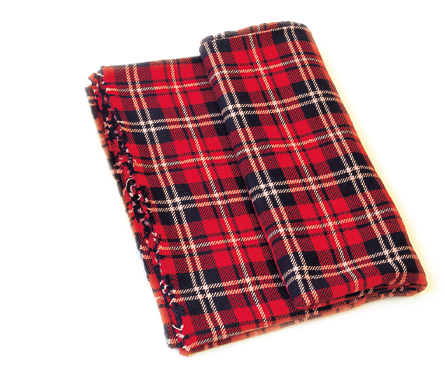
Edge finishing is another critical failure point. Twisted fringes must be knotted securely, while hemmed edges require consistent stitching (typically specified as stitches per inch) to prevent unraveling. Catching these structural issues requires stringent quality control and inspection during the weaving and finishing stages, before the goods are packed and shipped.
Critical Pre-Shipment Inspection Points for Throws
- Verify dimensional stability (standard tolerance is usually plus or minus 3 to 5 percent).
- Conduct rub tests (crocking) for both wet and dry colorfastness.
- Inspect fringe knotting security and hem stitch uniformity.
- Check for weaving defects like dropped stitches, slubs, or uneven tension.
- Perform a pull test to assess shedding levels on brushed or tufted fabrics.
Struggling with inconsistent yarn quality, shedding, or high defect rates? Let us manage your factory communications and inline inspections.
Talk to our teamOEM Customization and Compliance
For brands utilizing OEM/ODM services to create custom patterns, jacquard weaving is the standard method for integrating designs directly into the fabric. However, jacquard looms typically limit the design to three or four colors to maintain the fabric's structural integrity. Exceeding this can result in heavy, stiff, and expensive throws.
Compliance is non-negotiable, particularly for home textiles entering Western markets. Buyers must ensure that factories use AZO-free dyes and comply with REACH (in Europe) or specific flammability standards (like those in the US). Implementing rigorous compliance testing early in the sampling phase prevents costly customs rejections or recalls later.
Typical MOQs, Pricing, and Lead Times
Minimum Order Quantities (MOQs) in home textiles are dictated almost entirely by the yarn. If your design utilizes stock yarn colors readily available in the factory's local market, MOQs can be negotiated down. However, custom-dyed yarns require meeting the minimum capacity of the dyeing vats.
Lead times generally stretch during peak production seasons (late summer to early autumn) as factories prioritize large retail orders for the winter season. Booking production space early is essential for Q3 and Q4 deliveries.
Planning a seasonal home textile collection? We can help negotiate favorable MOQs, secure stock yarns, and manage your production timeline.
Get a free consultationFrequently Asked Questions
Sourcing throws profitably means looking past the initial golden sample and verifying the factory's ability to maintain weaving tension, color fastness, and finishing quality at scale. A proactive approach to yarn specification and inline inspection is the most reliable way to protect your margins and brand reputation.
Get Sourcing Help for Throws
Tell us your requirements and our experts will connect you with verified manufacturers.