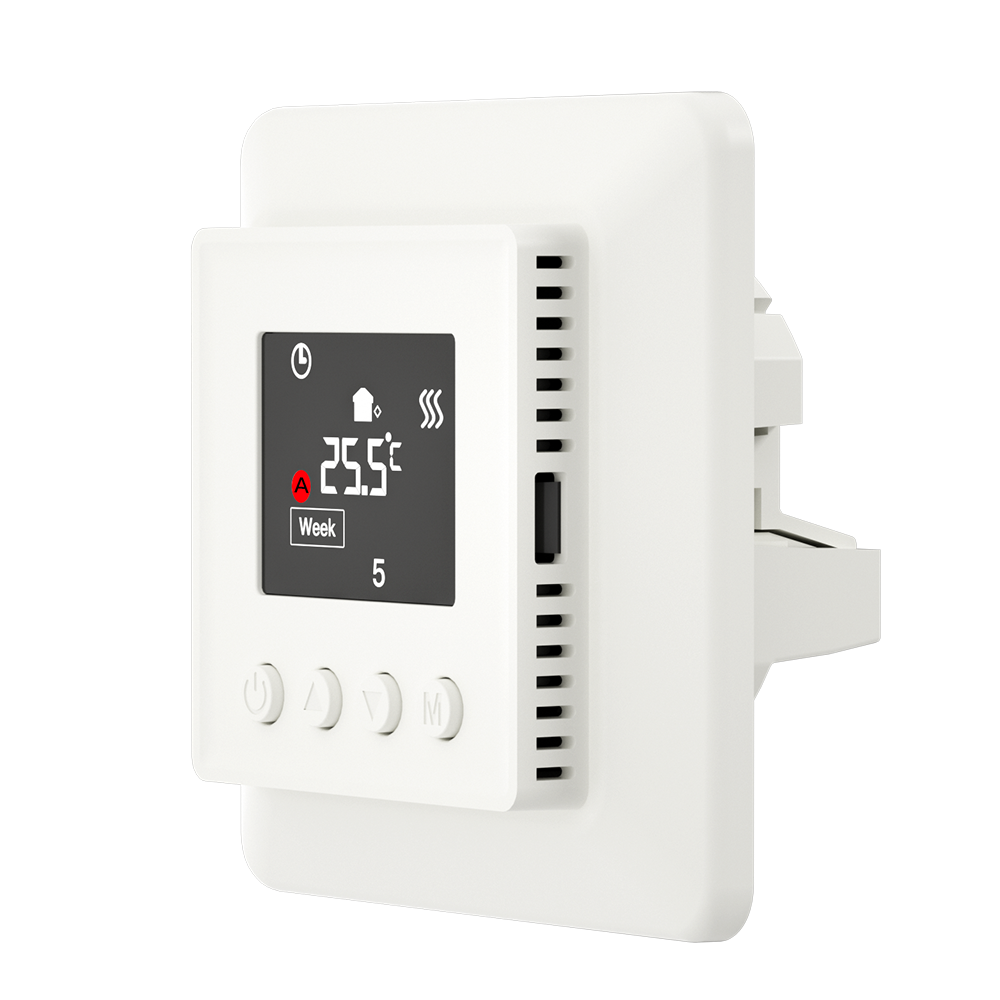
Thermostats
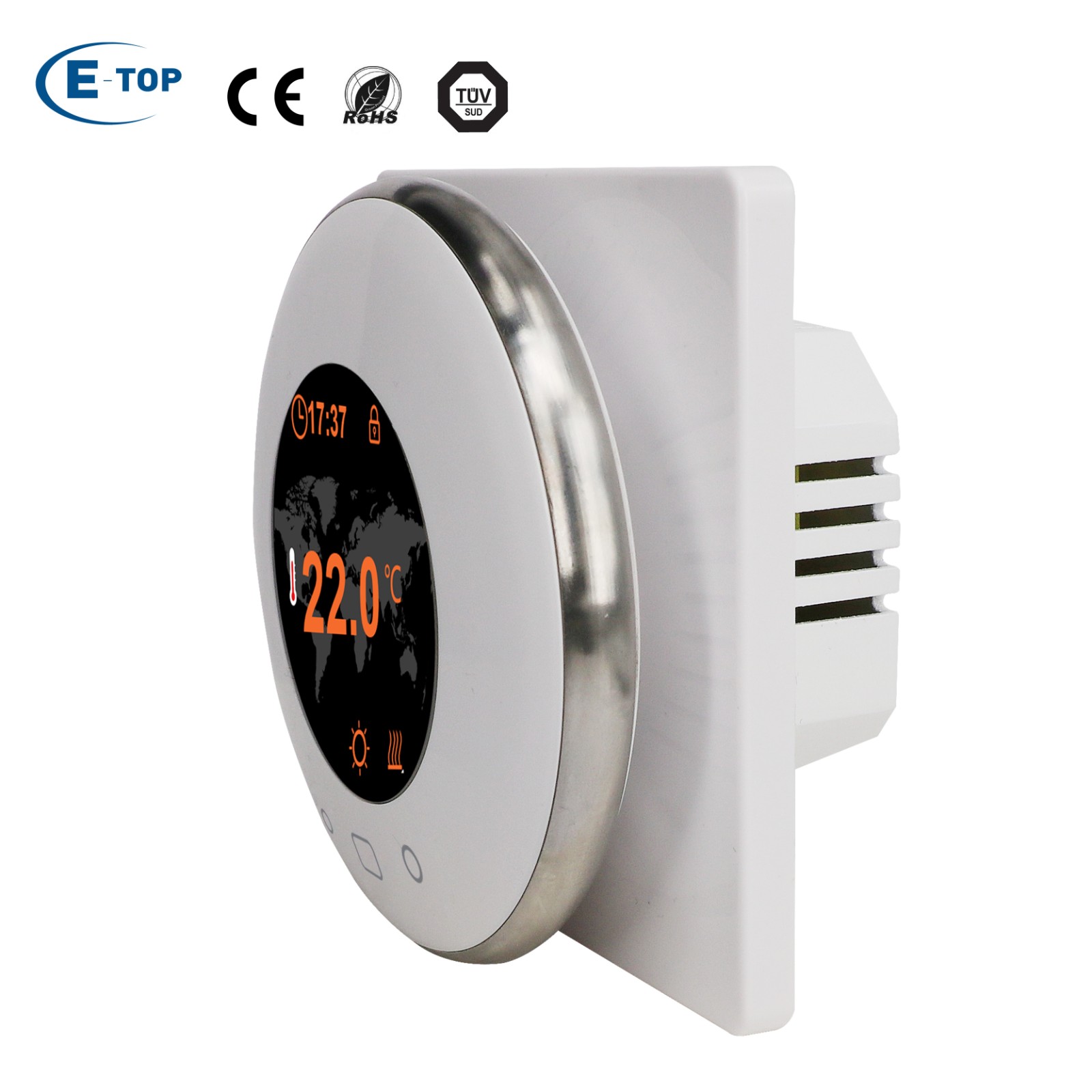
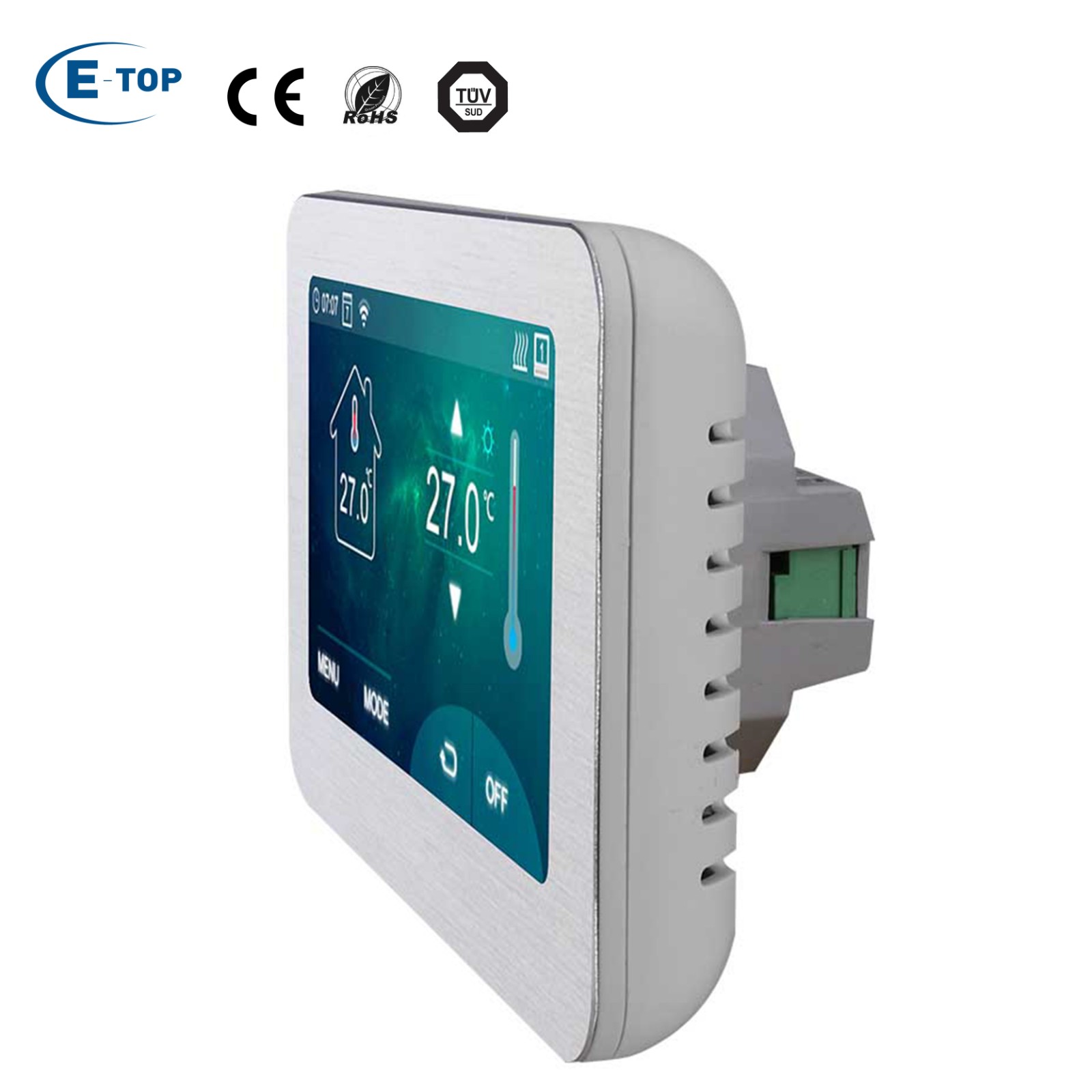
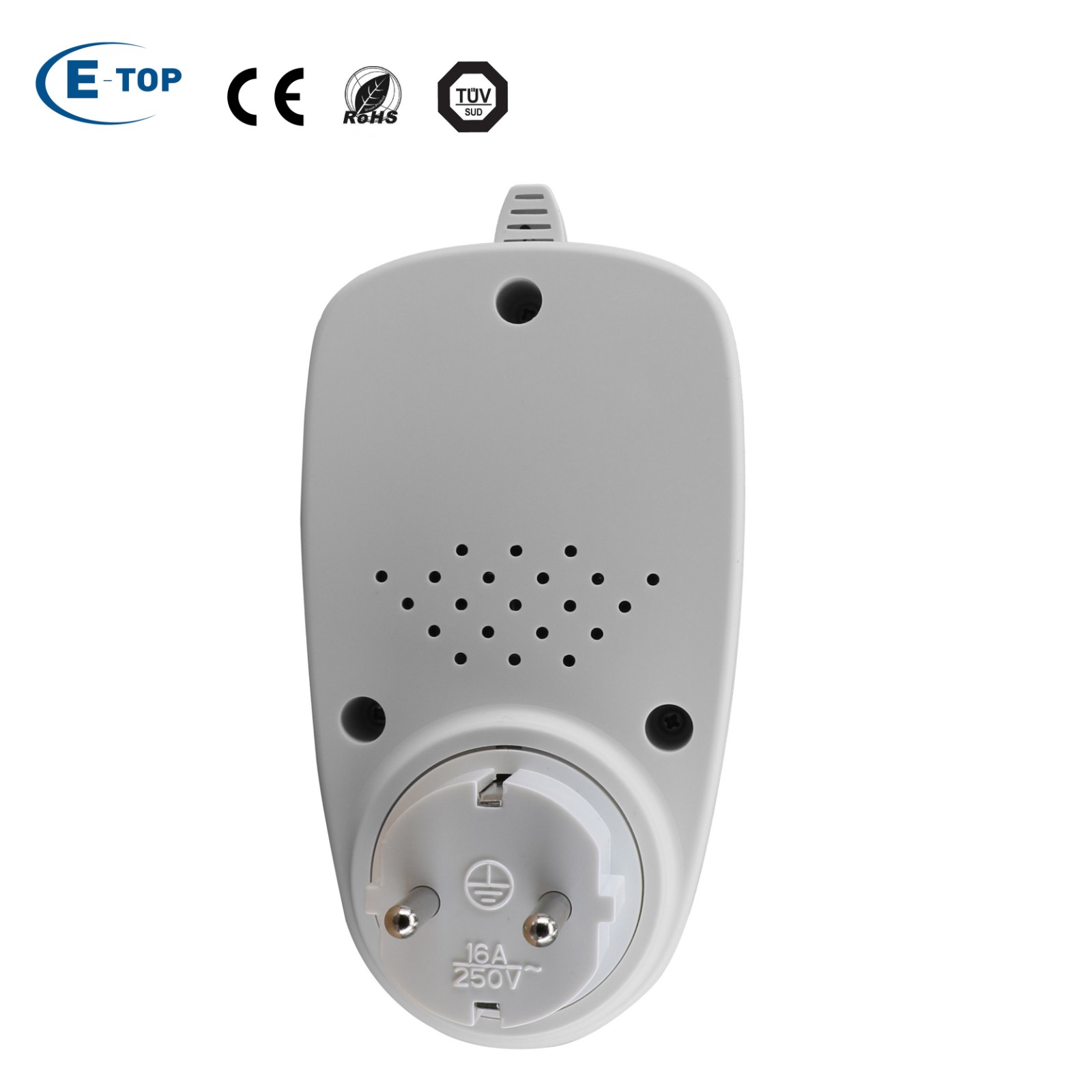
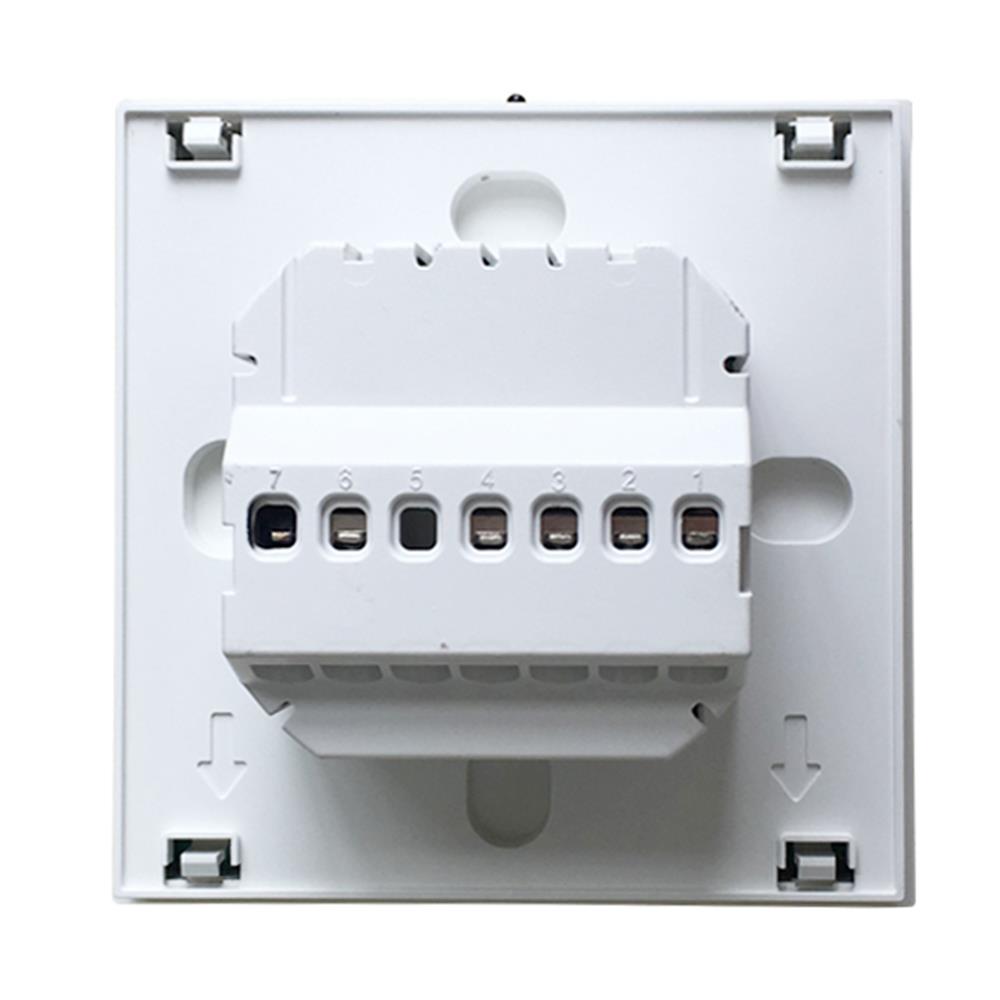
Source high-quality thermostats from vetted suppliers and manufacturers across Asia. This catalog serves HVAC importers, wholesale distributors, and brands seeking reliable OEM or private-label production. Browse bulk options designed for commercial and residential heating systems.
Sourcing thermostats in commercial volumes requires balancing hardware reliability with evolving smart-home and building management protocols. Whether you are importing basic digital models for regional distribution or developing custom Wi-Fi-enabled units for a proprietary HVAC ecosystem, the core sourcing challenges remain the same: precise sensor calibration, robust relay performance, and strict adherence to electrical safety and wireless communication standards.
Key Specifications to Define Before Sourcing
When negotiating with thermostat manufacturers, vague specifications lead to component substitution. You must define the exact technical parameters of the PCBA, relays, and sensors to ensure the final product meets your market's demands.
Critical Technical Specifications
- System Compatibility: Specify 24V HVAC (conventional or heat pump), line voltage (120V/240V for electric baseboards), or millivolt systems.
- Sensor Accuracy: Standard NTC thermistors should offer an accuracy of plus/minus 0.5 degrees Celsius. Specify the beta value (e.g., B3950).
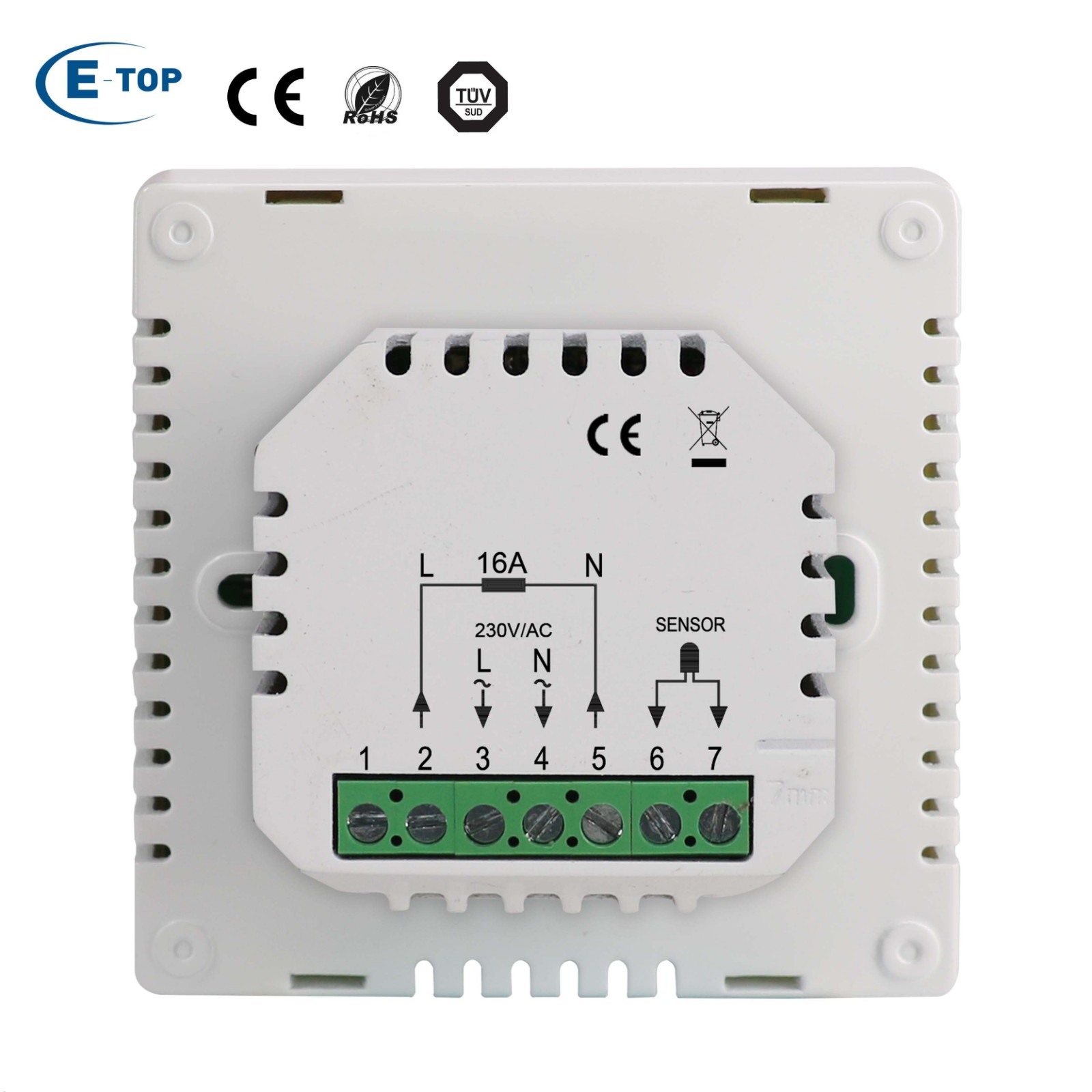
- Relay Specifications: Define the maximum switching current (e.g., 3A for water heating, 16A for electric floor heating) and mechanical lifecycle (minimum 100,000 cycles).
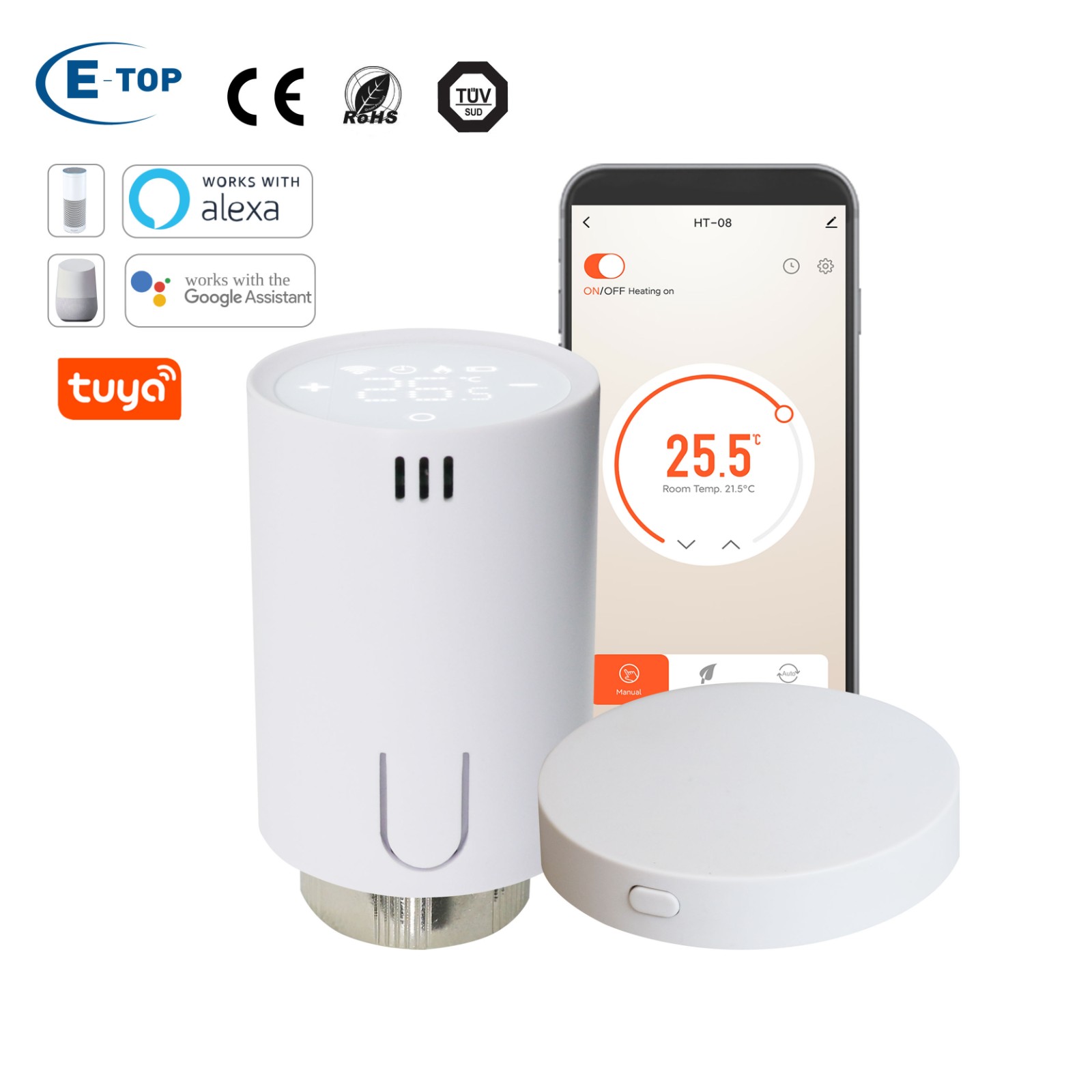
- Communication Protocols: For smart units, specify the exact chipset (e.g., ESP32) and protocol (Zigbee 3.0, Z-Wave, Matter, or BACnet/Modbus for commercial applications).
Need help verifying technical specifications with potential suppliers?
Talk to our teamManufacturing Quality and Common Defects
Thermostat production involves injection molding for the enclosure, SMT (Surface Mount Technology) for the PCBA, and final assembly. Quality is often won or lost on the SMT line and during the firmware flashing process.
A reliable factory will utilize automated optical inspection (AOI) for the PCBA and dedicated testing jigs for sensor calibration. Without rigorous Quality Control & Inspection during production, you risk importing units with premature relay failure or sensor drift.
Manufacturing Quality Indicators
Advantages
- Clear firmware flashing protocols and testing jigs prevent bricked units
- Specifying branded relays (e.g., Omron, Hongfa) significantly increases hardware longevity
- Using UV-resistant ABS/PC blends prevents the plastic enclosure from yellowing over time
Disadvantages
- Generic NTC sensors often drift over time, causing inaccurate room temperature readings
- Poorly soldered relays can fuse closed, causing continuous, uncontrolled heating
- Uncertified wireless modules will fail customs clearance or local RF regulations
OEM and ODM Customization Options
Most buyers utilize OEM/ODM Services to bring thermostats to market efficiently. This ranges from simple white-labeling—printing your logo on an existing mold and updating the packaging—to full ODM development involving custom UI/UX on TFT touchscreens, proprietary mobile apps, and custom server integrations.
If you are developing a smart thermostat, ensure the manufacturer has in-house firmware engineers. You must also account for the time and cost of Compliance & Testing. Wireless models will require FCC or CE RED certification for RF emissions, while line-voltage models require stringent safety certifications like UL, ETL, or CE LVD.
Typical Pricing, MOQs, and Lead Times
Thermostat pricing is highly dependent on the display technology, wireless capabilities, and relay capacity. Standard mechanical or basic digital non-programmable units are highly commoditized, while smart thermostats require significant R&D amortization and higher component costs.
Looking to negotiate better pricing or lower MOQs for your next thermostat order?
Get a free consultationFrequently Asked Questions
Navigating the intersection of hardware reliability, software integration, and electrical compliance makes sourcing thermostats a complex process. Partnering with an experienced sourcing team that understands PCBA production and RF compliance can help you avoid costly recalls and ensure your product performs reliably in the field.
Get Sourcing Help for Thermostats
Tell us your requirements and our experts will connect you with verified manufacturers.