Thermistors
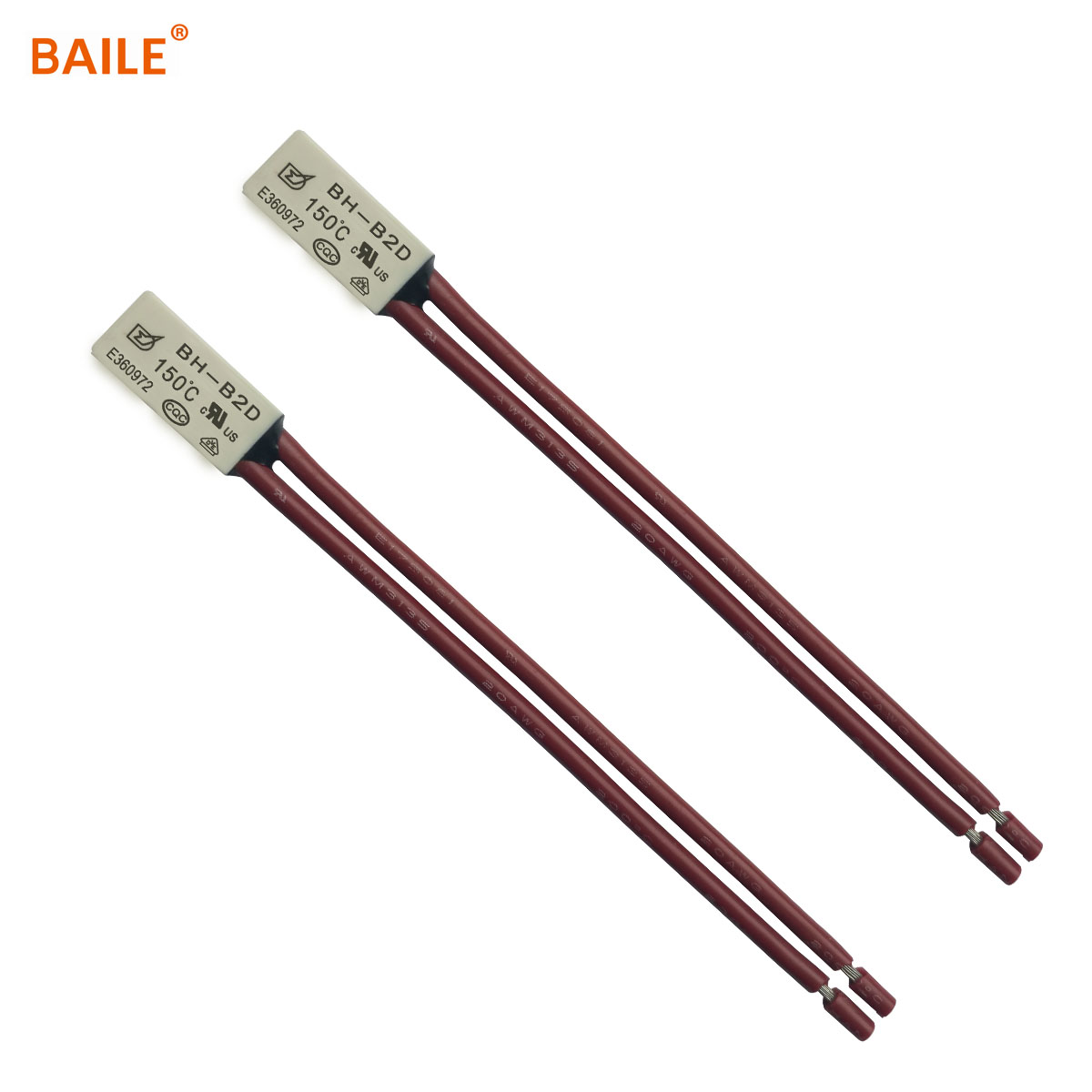
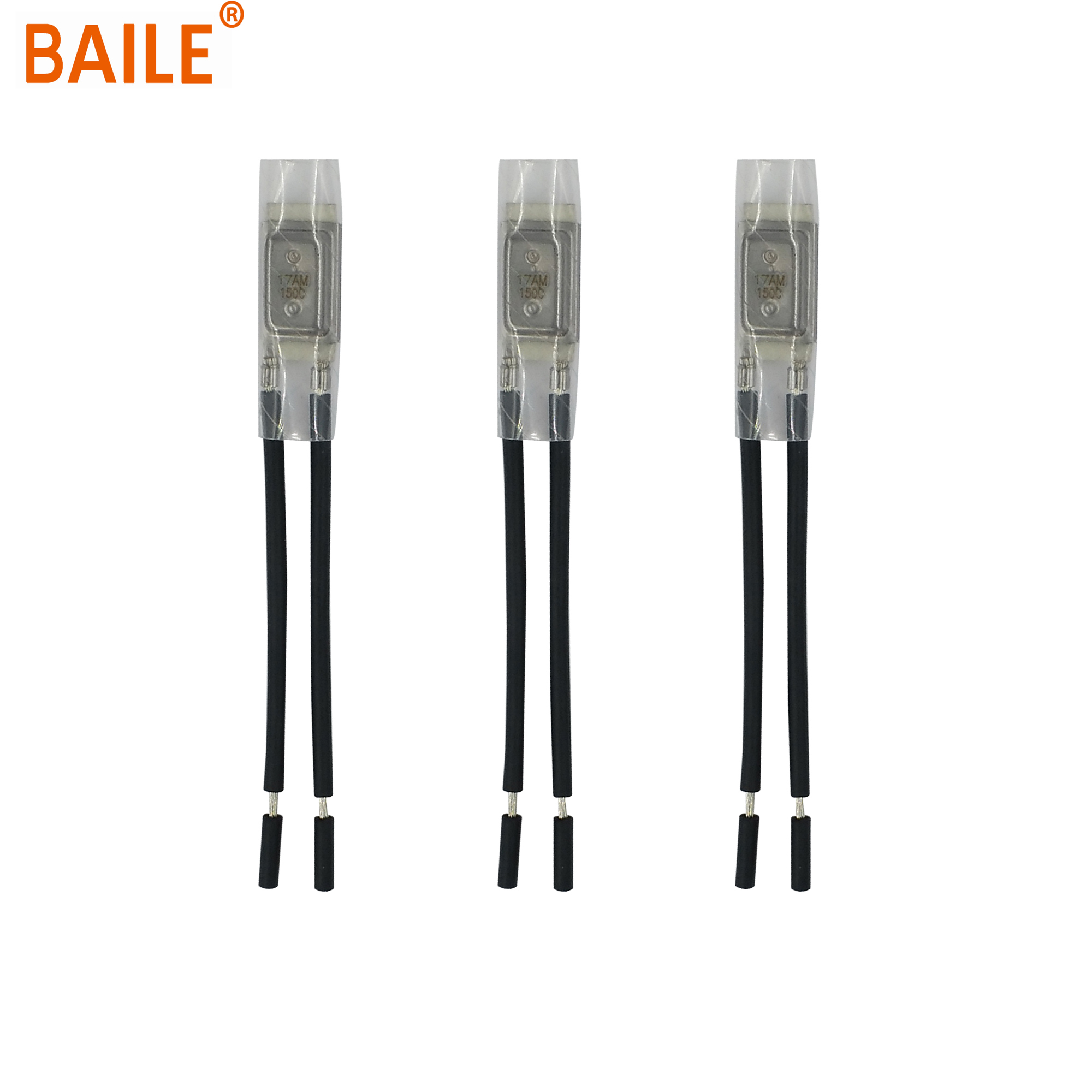
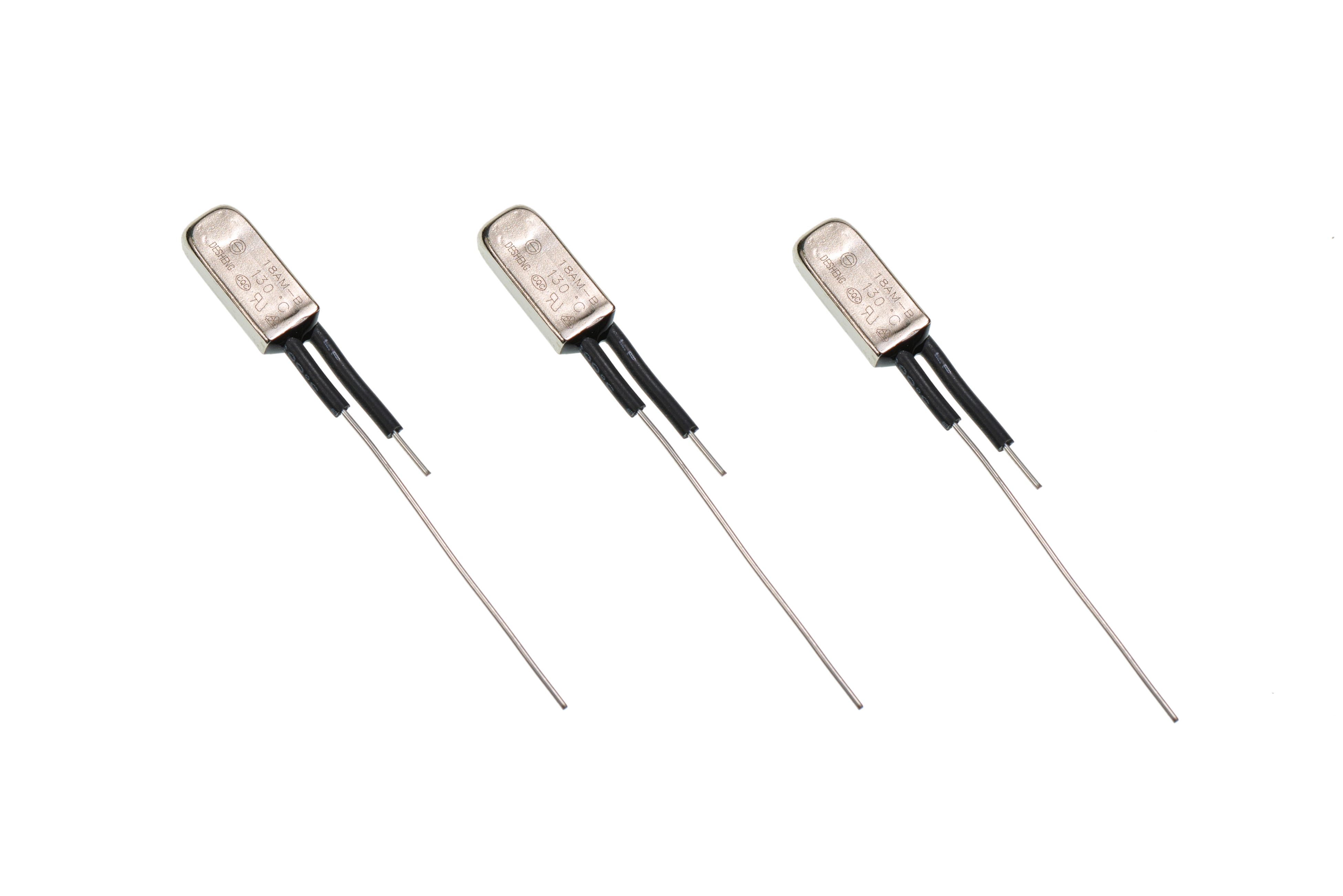
Source high-quality thermistors in bulk from vetted manufacturers and suppliers. Designed for electronics distributors, procurement managers, and OEM brands requiring reliable circuit protection and temperature sensing components at scale. Explore our wholesale catalog for competitive pricing and dependable supply chain execution.
Thermistors are foundational to modern electronics, providing critical temperature sensing, inrush current limiting, and overcurrent protection. Whether you are sourcing for automotive battery management systems, HVAC controls, or consumer power supplies, procuring these components in volume requires navigating a complex supplier landscape. The primary sourcing challenge is consistency: slight variations in the ceramic sintering process or epoxy encapsulation at the factory level can lead to significant resistance drift and thermal instability in the field.
Critical Specifications for Volume Orders
When communicating with manufacturers, vague specifications lead to unacceptable yield rates. Professional buyers must define exact parameters to ensure the factory produces components that behave predictably across their entire operating temperature range.
Essential Thermistor Specifications
- Zero-Power Resistance (R25): The baseline resistance measured at exactly 25°C.
- B-Value (Beta Value): The material constant determining the resistance-temperature curve. Specify the temperature range (e.g., B25/50 or B25/85) and acceptable tolerance.
- Thermal Time Constant: The time required for the thermistor to change 63.2% of the total difference between its initial and final body temperature.
- Dissipation Factor: The ratio of the change in power dissipation to the change in body temperature, critical for preventing self-heating errors.
- Form Factor and Packaging: SMD (0402, 0603, etc.), radial leaded, glass-encapsulated, or custom probe assemblies.
Understanding the fundamental difference in application between NTC (Negative Temperature Coefficient) and PTC (Positive Temperature Coefficient) thermistors dictates which tier of manufacturer you should engage.
| Characteristic | NTC Thermistors | PTC Thermistors |
|---|---|---|
| Primary Function | Temperature sensing, inrush current limiting | Overcurrent protection, self-regulating heaters |
| Resistance Behavior | Decreases as temperature rises | Increases sharply at a specific transition temperature |
| Key Material | Transition metal oxides (manganese, nickel, cobalt) | Doped polycrystalline ceramics (barium titanate) |
| Typical Tolerance | Highly precise (often 1% to 5%) | Broader tolerance (typically 10% to 20%) |
Manufacturing Variables and Quality Control
The reliability of a thermistor is won or lost during the sintering of the metal oxides or ceramics. Inconsistent kiln temperatures result in uneven grain structures, causing unpredictable B-values across a single production batch. Furthermore, the attachment of lead wires and the integrity of the protective coating (epoxy or glass) are common failure points.
To mitigate these risks, conducting thorough Factory Audits is essential to verify a supplier's automated testing capabilities and kiln temperature controls before placing a volume order.
Watch Out for Resistance Drift
Substandard epoxy encapsulation allows moisture ingress over time, leading to resistance drift. For high-reliability applications, specify glass-encapsulated thermistors and require accelerated life testing data from the manufacturer.
Once production begins, implementing rigorous Quality Control & Inspection protocols ensures that defects like micro-cracks in the ceramic body or poor solderability of the leads are caught prior to shipment.
Need to secure a reliable supply of precision thermistors? We vet specialized manufacturers and manage quality control to ensure your components meet exact specifications.
Talk to our teamSourcing Mechanics: Pricing, MOQs, and Lead Times
Thermistor pricing is highly dependent on precision (tolerance), packaging, and raw material costs. Standard epoxy-dipped NTCs are highly commoditized, whereas glass-sealed radial thermistors or custom automotive-grade probes command a premium.
If your product requires specialized housings, wire lengths, or connectors, engaging a partner for OEM/ODM Services can streamline the production of custom thermistor probe assemblies, consolidating your bill of materials and reducing final assembly time.
Struggling with long lead times or inconsistent pricing? Let us negotiate with top-tier component manufacturers on your behalf.
Get a free consultationFrequently Asked Questions
Procuring thermistors at scale is an exercise in risk management. The lowest quoted price often masks inconsistent sintering processes or inadequate end-of-line testing, leading to costly field failures. By defining strict tolerances and validating factory capabilities early in the sourcing process, buyers can secure reliable components that protect their end products and their brand reputation.
Get Sourcing Help for Thermistors
Tell us your requirements and our experts will connect you with verified manufacturers.