Thermal Therapy Equipment
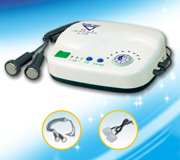
Source professional-grade Thermal Therapy Equipment from vetted manufacturers and wholesale suppliers. Designed for importers, medical distributors, and brands seeking reliable OEM/ODM production, our network delivers compliant, high-performance heating solutions for clinical and consumer applications.
Sourcing thermal therapy equipment requires balancing consistent heat delivery with stringent electrical safety standards. Whether you are procuring clinical-grade heating systems or consumer-facing infrared therapy devices, the core challenge lies in verifying that a factory's internal quality management can consistently produce safe, compliant units at scale. Electrical faults in these products carry severe liability risks, making supplier vetting and component-level specification critical.
Core Specifications and Component Selection
The performance and safety of thermal therapy equipment depend heavily on the internal components specified during the development phase. Do not rely on off-the-shelf factory defaults without verifying the bill of materials (BOM).
Heating Elements
The heating element dictates the product's flexibility, heat distribution, and longevity.
| Element Type | Performance Characteristics | Typical Application |
|---|---|---|
| Carbon Fiber | Highly flexible, even heat distribution, fast warm-up, emits far-infrared | Premium wearables, targeted joint therapy |
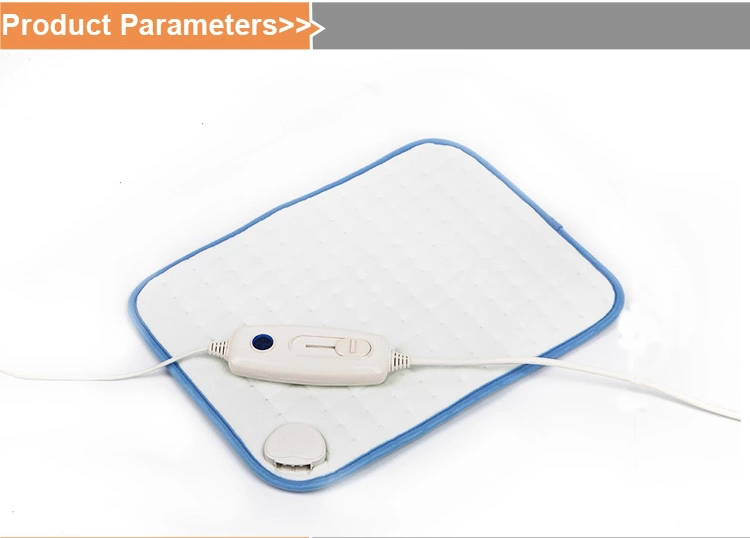
| Alloy Heating Wire | Durable, cost-effective, can create localized hot spots if not insulated well | Standard flat heating pads, bulk institutional use |
| Graphene | Ultra-thin, rapid heating, excellent thermal conductivity, higher cost | High-end portable and battery-operated devices |
Temperature Control and Safety Mechanisms
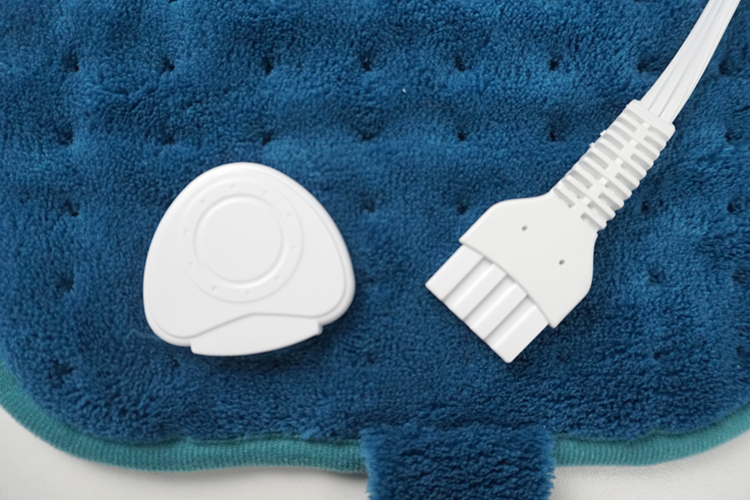
Professional buyers must mandate precise temperature regulation. Ensure the factory utilizes NTC (Negative Temperature Coefficient) thermistors paired with a robust MCU (Microcontroller Unit) on the printed circuit board (PCB). Furthermore, redundant safety features are non-negotiable. Specify thermal fuses or bimetallic thermostats designed to physically break the circuit if the MCU fails and temperatures exceed safe thresholds (typically over 65 degrees Celsius for skin-contact devices).
Need help standardizing specifications across multiple Asian suppliers?
Talk to our teamManufacturing Tolerances and Quality Control
Quality is won or lost on the assembly line, particularly during the integration of electrical components into flexible, often washable, textiles. Establishing rigorous Quality Control & Inspection protocols is essential.
Critical Factory-Level QC Checks
- Hi-Pot (High Potential) Testing: Verifies electrical insulation and ensures no current leakage under high voltage.
- Flexing and Bending Tests: Mechanical stress testing of the power cord junction and the internal heating matrix to simulate years of use.
- Ultrasonic Sealing Verification: For washable units, ensuring the hermetic seal around the heating element and connection points is fully waterproof.
- Thermal Imaging Inspection: In-line checking for cold spots or dangerous localized hot spots before final packaging.
Navigating Compliance and Certifications
Thermal therapy equipment straddles the line between consumer electronics and medical devices. The regulatory burden depends entirely on your marketing claims and target region.
If you are importing equipment with intended medical applications (e.g., pain relief, increased blood flow), the facility must operate under an ISO 13485 quality management system. In the US, this requires FDA registration (often Class II, requiring a 510k), while the EU requires CE marking under the Medical Device Regulation (MDR).
Even for non-medical consumer comfort devices, electrical safety certifications are mandatory. Look for UL 130 (Standard for Electric Heating Pads) or ETL marks for North America, and standard CE-LVD/EMC directives for Europe. Because compliance documentation is frequently forged or outdated, conducting thorough Factory Audits before placing a deposit is the only way to verify a supplier's true capabilities. If you are modifying a design, engage in proper Compliance & Testing early in the production run.
Buying Mechanics: MOQs, Pricing, and Lead Times
Volume production of thermal therapy devices requires significant upfront coordination, especially when customizing the controller UI or textile materials.
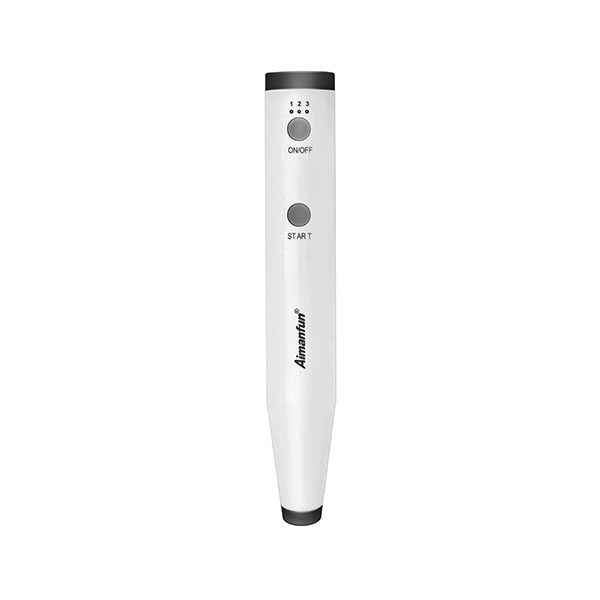
When utilizing OEM/ODM Services for private labeling, expect tooling costs if you require a custom plastic injection mold for the handheld controller. Standardizing the controller while customizing the textile pad is a common strategy to keep initial MOQs manageable.
Ready to optimize your supply chain and negotiate better terms for your next order?
Get a free consultationFrequently Asked Questions
Successfully sourcing thermal therapy equipment means looking past the surface aesthetics of the device and auditing the factory's engineering capabilities. A reliable supplier will have a deep understanding of thermal dynamics, electrical safety redundancies, and the specific regulatory landscape of your destination market. Structuring your procurement around strict quality management will ultimately protect your brand and your bottom line.
Get Sourcing Help for Thermal Therapy Equipment
Tell us your requirements and our experts will connect you with verified manufacturers.