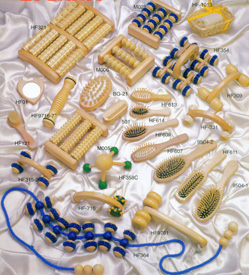
Therapy Massage Kits
Source premium Therapy Massage Kits directly from vetted manufacturers and wholesale suppliers. Designed for importers, distributors, and brands seeking reliable OEM/private-label production, our network delivers scalable volumes. Partner with us to secure competitive pricing and consistent quality across your bulk orders.
Sourcing therapy massage kits in high volumes presents a unique supply chain challenge: a single kit is rarely manufactured on a single production line. A comprehensive kit often combines silicone trigger point balls, high-density EPP foam rollers, ABS plastic handheld tools, and custom EVA carrying cases. Managing the sub-tier suppliers for these distinct materials while maintaining consistent color-matching, dimensional tolerances, and assembly quality requires rigorous oversight.
Material Specifications and Tolerances
The efficacy of a manual therapy tool relies heavily on its material density and structural integrity. Buyers must specify the exact material grade and durometer (Shore hardness) to ensure the product performs correctly without degrading or deforming under body weight.
| Material Type | Typical Durometer | Primary Application | Cost Profile |
|---|---|---|---|
| 100% Silicone | 40A to 70A | Massage balls, cupping sets | Premium |
| TPR / TPE | 30A to 60A | Entry-level massage balls | Economical |
| EPP Foam | Standard or High Density | Foam rollers, peanut rollers | Moderate |
| ABS Plastic | Rigid | Trigger point canes, handles | Economical |
Material Substitution Risks
A common factory shortcut is substituting high-grade silicone with TPR (Thermoplastic Rubber) to cut costs. While TPR looks similar initially, it degrades faster, retains odors, and can become tacky over time. Always require material data sheets and conduct independent lab testing.
Manufacturing and Assembly Oversight
Because kits require consolidating components from different material specialists (e.g., a plastics injection molder, a foam extruder, and a cut-and-sew facility for the case), the primary supplier is often acting as an assembler. Validating this primary supplier's assembly line and quality management system is critical. Conducting thorough factory audits ensures your chosen partner has the working capital and logistical capability to manage sub-suppliers effectively.
Struggling to consolidate multi-component kits? Let our sourcing experts manage the sub-tier suppliers and ensure seamless assembly.
Talk to our teamCritical Quality Control Checks
When setting your inspection criteria, focus on the physical finish and structural safety of the tools. Even minor tooling defects can cause skin irritation during use.
Pre-Shipment Inspection Focus Areas
- Parting Line Flash: Ensure all injection-molded seams are sanded smooth to prevent scratching.
- Color Consistency: Verify Pantone matches across different materials (e.g., matching a silicone ball to an EPP roller).
- Odor and Off-Gassing: Check for residual chemical smells in TPR components and EVA cases.
- Case Durability: Cycle-test zippers and verify the internal molding holds all tools securely without rattling.
- Drop Testing: Ensure rigid ABS tools do not shatter or fracture upon impact.
Robust quality control at the consolidation stage prevents defective components from being permanently sealed into retail packaging.
Customization and Private Labeling
For brands looking to differentiate, OEM/ODM services allow for complete customization of the kit. This goes beyond slapping a logo on a generic case. Customization can include proprietary tooling for unique ergonomic shapes, custom durometer blends for specific physical therapy applications, and fully bespoke retail packaging.
Tooling & Prototyping
Developing 3D models and cutting steel molds for custom ABS or silicone shapes. Lead times for new molds typically run 25 to 35 days.
Component Consolidation
Aligning production schedules so all custom components arrive at the assembly facility simultaneously.
Kitting & Packaging
Placing items into custom-molded EVA inserts and applying retail-ready shrink wrap or belly bands.
Pricing Drivers, MOQs, and Lead Times
In multi-component kits, the Minimum Order Quantity (MOQ) is usually dictated by the component with the highest minimum run requirement. Often, this is the custom EVA case or custom-dyed silicone, rather than the standard plastic tools.
Volume pricing is highly sensitive to the number of components in the kit and the packaging complexity. Consolidating standard shapes in a custom-branded bag will always be more cost-effective than engineering a completely new suite of tools.
Need accurate pricing for a custom therapy kit? We negotiate directly with manufacturers to secure your target margins.
Get a free consultationFrequently Asked Questions
Successfully sourcing therapy massage kits requires treating the procurement process as an assembly operation, not just a simple product purchase. By strictly controlling material specifications and managing the sub-tier supply chain, you can deliver a premium, cohesive product to your end users.
Get Sourcing Help for Therapy Massage Kits
Tell us your requirements and our experts will connect you with verified manufacturers.