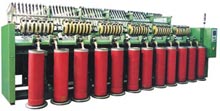
Textile Raw Material Processing Machines
Source high-performance Textile Raw Material Processing Machines from vetted manufacturers and suppliers in China and Asia. Designed for importers, distributors, and textile mills, our wholesale machinery solutions ensure optimal fiber preparation, high production capacities, and seamless integration into existing large-scale spinning lines.
Sourcing heavy textile preparation machinery requires balancing upfront capital expenditure with long-term reliability and yield. Whether you are upgrading an existing facility or building a new spinning line, the primary challenge is ensuring the equipment integrates smoothly with downstream processes while maintaining strict sliver quality. A misstep in sourcing raw material processing machines—such as bale openers, carding units, or draw frames—can result in excessive fiber damage, high neps, and costly downtime.
Critical Specifications for Bulk Machinery Procurement
When negotiating with manufacturers, precise technical specifications are non-negotiable. Generic requests yield generic, often sub-standard, machinery. You must define the exact parameters required for your specific fiber type (cotton, synthetic, wool, or blends).
Key Technical Parameters to Specify
- Production Capacity: Specify target output in kg/hr based on standard fiber micronaire and staple length.
- Working Width: Ensure compatibility with existing floor plans and upstream/downstream equipment.
- Sliver Evenness (CV%): Define the maximum acceptable coefficient of variation for the output sliver.
- Automation & Control: Specify PLC brands (e.g., Siemens, Mitsubishi) and require auto-doffing capabilities to reduce labor costs.
- Drive Systems: Mandate independent inverter-controlled drives for precise draft adjustments without mechanical gear changes.
- Power Consumption: Specify installed power (kW) and require energy-efficient motors (IE3 or higher).
Need help verifying a manufacturer's technical capabilities? Our engineering team can assess production facilities and technical schematics on your behalf.
Get a free consultationEvaluating Manufacturer Capabilities
Not all machinery suppliers are true manufacturers. Many are simply assemblers who outsource the casting, machining, and sheet metal work. To ensure long-term reliability, you must evaluate the factory's in-house machining capabilities. Look for facilities with high-precision CNC machining centers and automated laser cutting for sheet metal.
Conducting comprehensive Factory Audits is critical before placing an order. A proper audit verifies the supplier's quality management system (ISO 9001), their engineering team's depth, and their ability to provide long-term spare parts support.
Factory Acceptance Testing (FAT)
Never authorize the final payment or shipment without a rigorous Factory Acceptance Test. This must be conducted at the manufacturer's facility using your specific raw materials.
Static Inspection
Verification of all dimensions, material grades, and build quality against the agreed technical contract.
Dry Run Testing
Running the machine without fiber to check for abnormal vibrations, bearing temperatures, and noise levels over a continuous 8-hour period.
Material Processing Test
Feeding raw fiber to evaluate production rate, cleaning efficiency, and sliver quality (checking for neps and short fiber content).
Safety & Electrical Verification
Testing all emergency stops, interlocks, and ensuring electrical panels meet destination country standards (CE, UL).
Implementing robust Quality Control & Inspection protocols during the FAT ensures that any mechanical or software issues are resolved before the machine leaves the factory floor.
Sourcing Realities: Pricing, Lead Times, and Logistics
Heavy textile machinery is almost entirely built-to-order. Understanding the standard commercial terms will help you plan your project timeline and cash flow accurately.
Managing Heavy Freight
Transporting raw material processing machines requires specialized logistics. These units are often oversized and heavy, requiring Open Top or Flat Rack containers. Improper lashing or inadequate moisture protection (like vacuum-sealed aluminum foil packing) can lead to severe corrosion during sea transit. Coordinating these specialized Shipping & Freight requirements is just as critical as the manufacturing process itself.
Managing heavy machinery logistics, FAT scheduling, and customs clearance is complex. Let us handle the coordination to ensure your equipment arrives safely and on time.
Talk to our teamFrequently Asked Questions
Successfully sourcing textile raw material processing machines requires moving beyond basic price comparisons. It demands a rigorous approach to technical specifications, localized quality control, and strict contractual terms. By treating the procurement process as an engineering project rather than a simple transaction, you secure machinery that delivers consistent quality and a rapid return on investment.
Get Sourcing Help for Textile Raw Material Processing Machines
Tell us your requirements and our experts will connect you with verified manufacturers.