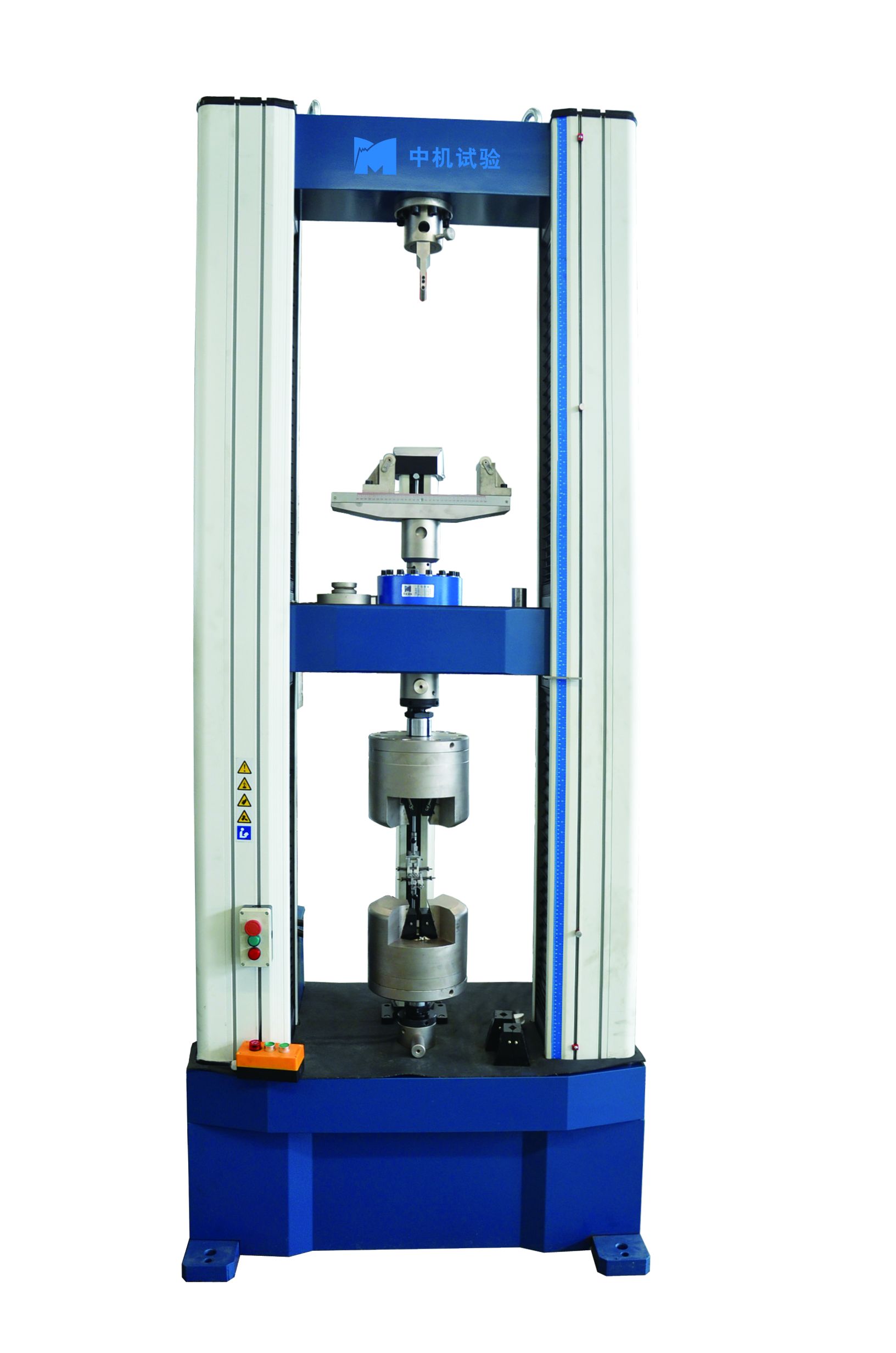
Textile Finishing Machines
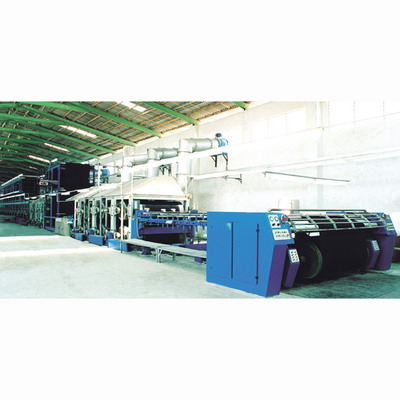
Source industrial-grade Textile Finishing Machines from vetted suppliers and manufacturers. Designed for importers, distributors, and textile mills, our network delivers reliable, high-capacity machinery for treating and finishing fabrics. Secure competitive pricing and reliable OEM production at scale.
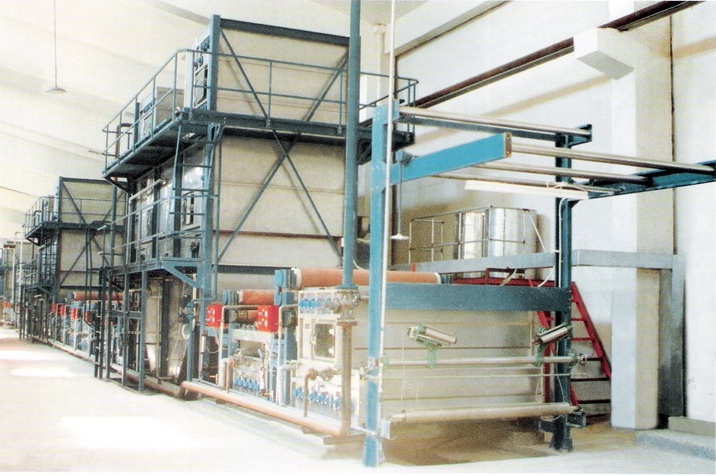
Sourcing heavy textile finishing equipment requires navigating complex specifications, energy efficiency metrics, and long-term maintenance realities. Whether you are procuring continuous dyeing ranges, compactors, or multi-chamber drying machines, the core sourcing challenge remains the same: balancing initial capital expenditure with operational efficiency, energy consumption, and long-term reliability. The difference between a machine that runs 24/7 for a decade and one that causes constant production bottlenecks often comes down to the quality of internal components and the manufacturer's assembly standards.
Critical Specifications and Component Sourcing
When evaluating a manufacturer's proposal, the bill of materials (BOM) is your most important document. Many Chinese manufacturers offer flexible configurations, allowing you to specify the origin of critical components. Relying entirely on domestic, lower-tier components can reduce the initial price but often results in higher downtime and difficulty sourcing replacement parts globally.
Critical Components to Specify in Your Contract
- Programmable Logic Controllers (PLCs) & HMIs: Specify internationally supported brands (e.g., Siemens, Mitsubishi, Delta) to ensure local programmers can troubleshoot the machine.
- Inverters and Motors: Require high-efficiency motors (IE3 or higher) and reliable inverters (e.g., Yaskawa, Danfoss) for precise fabric tension control.
- Bearings and Lubrication: High-temperature zones require premium bearings (e.g., SKF, NSK) to prevent premature failure in drying chambers.
- Pneumatic Components: Standardize on accessible brands like SMC or Festo for cylinders and valves.
- Roller Materials: Specify the exact coating and thickness for nip rollers, ensuring they match the chemical resistance required for your specific finishing process.
Evaluating Heating Systems
For drying and heat-setting machinery, the chosen heating method drastically impacts both the machine's design and its operational cost.
| Heating Method | Thermal Efficiency | Initial Cost | Operational Context |
|---|---|---|---|
| Thermal Oil | High (consistent temperature) | High | Standard for high-temp setting; requires external boiler |
| Direct Gas | Very High (rapid heating) | Moderate | Ideal where natural gas is cheap; requires strict safety controls |
| Steam | Moderate (limited max temp) | Low | Best for lower-temp drying; utilizes existing mill infrastructure |
| Electric | High (100% conversion) | Low to Moderate | Only viable in regions with extremely low electricity costs |
Need help auditing a machinery manufacturer's technical capabilities? Our engineering sourcing team can help you evaluate BOMs and verify supplier credentials.
Talk to our teamManufacturing Hubs and Supplier Vetting
The vast majority of China's textile machinery manufacturing is concentrated in Jiangsu (Wuxi, Changzhou) and Zhejiang (Shaoxing, Hangzhou) provinces. While this concentration creates a robust supply chain for parts, it also breeds hundreds of small assembly workshops that pose as primary manufacturers.
These workshops often buy frames and components from the same sub-suppliers as the top-tier brands but lack the engineering precision required for proper alignment, welding, and tension calibration. To mitigate this risk, conducting comprehensive factory audits is essential before placing a deposit. You must verify their in-house machining capabilities (such as CNC centers for roller fabrication) and their quality management systems, rather than just inspecting their final assembly floor.
Quality Control and Factory Acceptance Testing (FAT)
You cannot afford to discover a defect after a 40-foot machine has been installed in your facility. Rigorous quality control during assembly and prior to shipment is mandatory.
In-line Inspection
Verify frame welding quality, anti-corrosion treatments (especially for wet-finishing machines), and the correct installation of specified brand-name components before the machine is fully enclosed.
Dry Run (No Fabric)
Test all motors, blowers, and mechanical drives for abnormal vibrations or noise. Verify the PLC logic and safety interlocks.
Wet/Hot Run (With Fabric)
Run sample fabric through the machine at operating temperatures to verify tension control, edge guiding accuracy, and uniform heat distribution.
Tear-down and Packing
Ensure moving parts are properly secured, electrical panels are sealed with desiccants, and critical surfaces are coated in anti-rust oil prior to crating.
Pricing, Lead Times, and Logistics
Industrial textile finishing machines are capital-intensive, custom-built assets.
- MOQ: Almost universally 1 set or line.
- Lead Times: Typical production takes 45 to 90 days, depending on the complexity of the line, the number of chambers, and the manufacturer's current order book.
- Pricing Drivers: Working width (e.g., 1800mm vs. 3200mm), operating speed, number of heating/drying chambers, and the origin of electronic components.
Planning a machinery upgrade or new facility? Contact us to discuss realistic lead times, current market pricing, and secure logistics planning.
Get a free consultationShipping heavy machinery requires specialized logistics. Depending on the machine's dimensions, you may require Open Top (OT) or Flat Rack (FR) containers. Improper lashing and securing inside the container is a leading cause of transit damage. Coordinating with a partner experienced in industrial shipping and freight ensures the equipment is properly rigged, lashed, and protected from marine environments.
Buyer FAQ
Sourcing textile finishing machinery is a long-term investment where the total cost of ownership far outweighs the initial purchase price. By rigorously specifying components, auditing the true manufacturing capabilities of the supplier, and enforcing strict factory acceptance testing, you protect your production line from costly future downtime.
Get Sourcing Help for Textile Finishing Machines
Tell us your requirements and our experts will connect you with verified manufacturers.