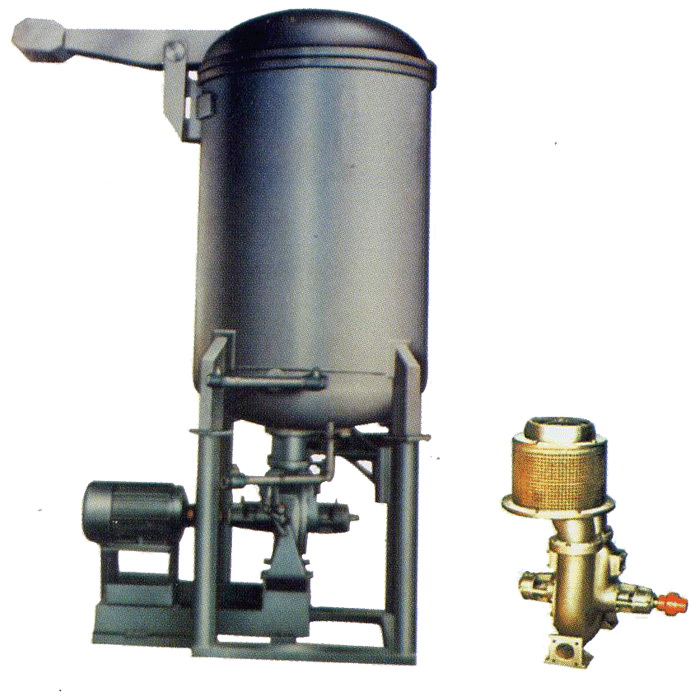
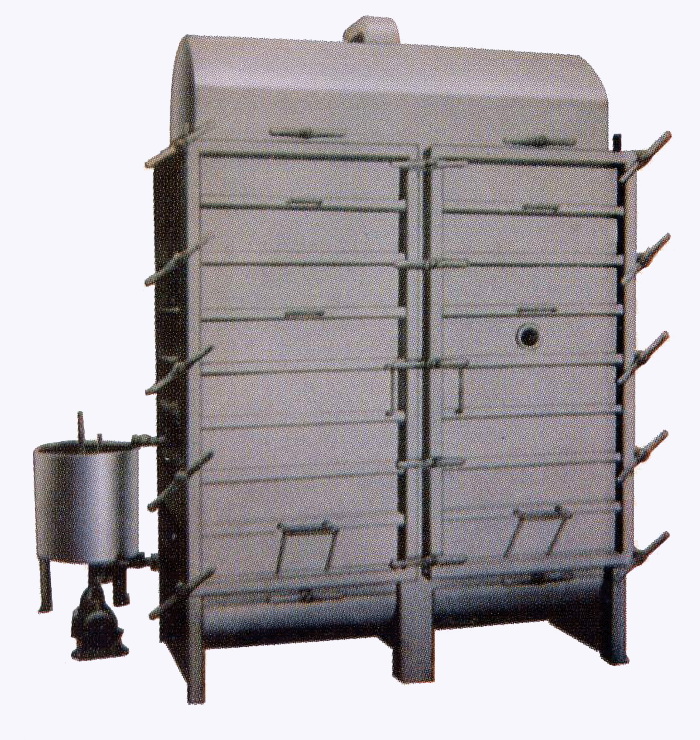
Textile Dyeing Machines
Source industrial Textile Dyeing Machines from vetted manufacturers and suppliers across Asia. Built for textile mills, wholesalers, and procurement managers, our network provides high-capacity dyeing equipment for woven, knit, and yarn processing. Streamline your import process with reliable OEM production and competitive wholesale pricing.
Sourcing industrial textile dyeing machines requires balancing upfront capital expenditure with long-term operational efficiency. A machine's liquor ratio, thermal efficiency, and automation capabilities directly dictate your facility's ongoing water, steam, and chemical costs. When importing these pressurized vessels from overseas manufacturers, verifying fabrication standards and controller reliability is critical to avoiding catastrophic downtime and ensuring consistent fabric yield.
Core Technical Specifications to Define
When negotiating with manufacturers, vague specifications lead to substandard equipment. You must explicitly define the parameters that impact both the machine's durability and its processing capabilities.
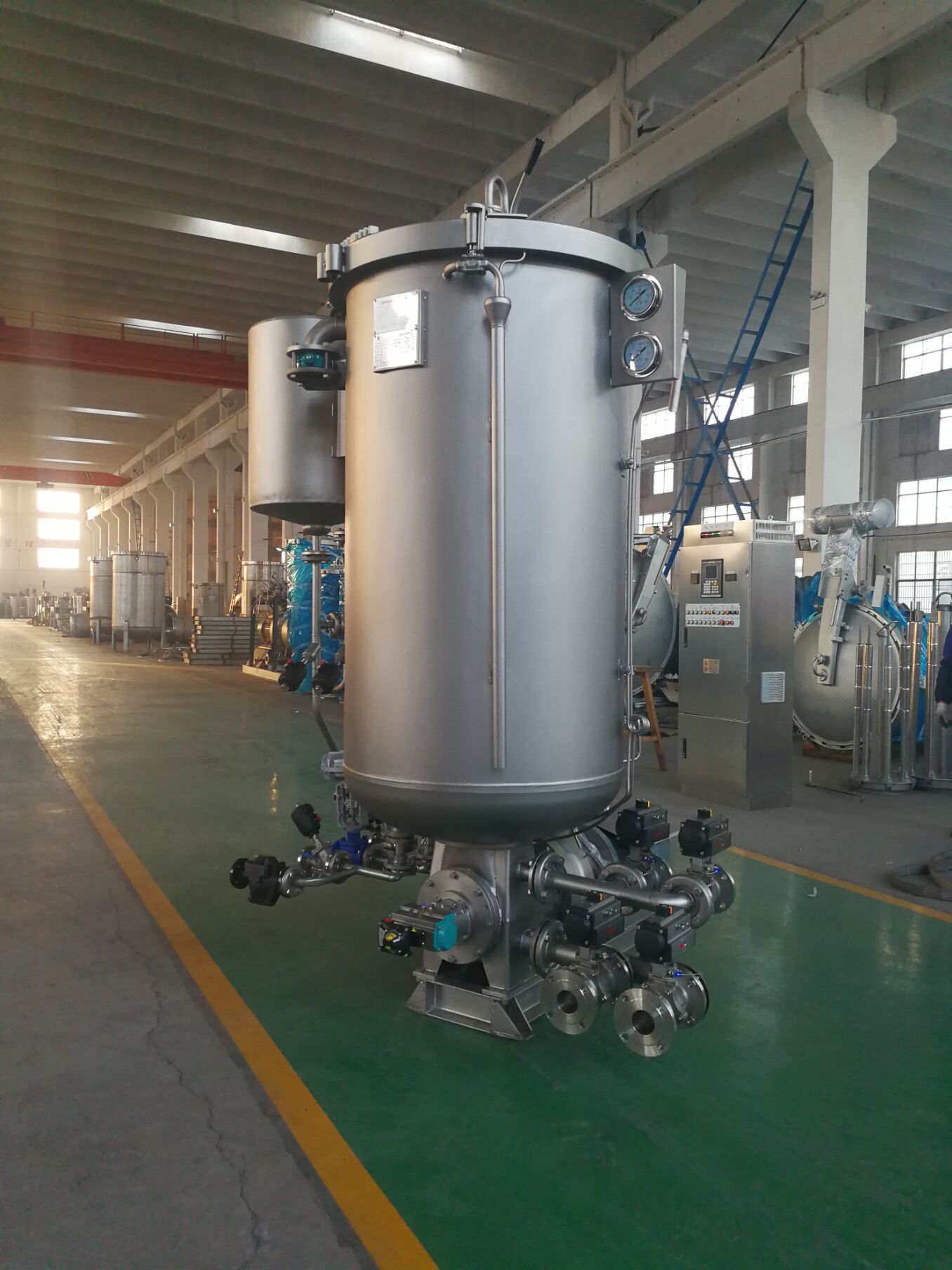
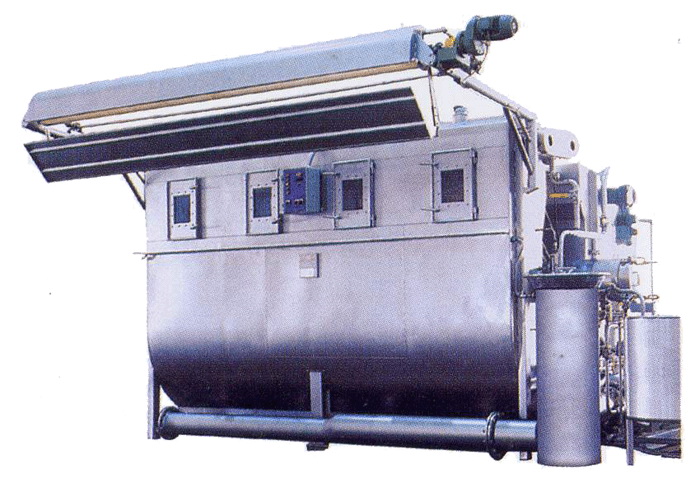
Beyond capacity (which typically ranges from 50kg sample machines to 2000kg+ continuous production units), pay close attention to the pump systems and heat exchangers. High-efficiency centrifugal pumps and oversized heat exchangers reduce cycle times, which directly increases daily throughput.
Ensure your machinery suppliers meet international pressure vessel and fabrication standards before placing a deposit.
Talk to our teamEvaluating Factory Capability
Not all machinery assemblers have the in-house capability to roll, weld, and test heavy-duty stainless steel pressure vessels. Many lower-tier suppliers outsource the vat fabrication, which introduces significant quality risks. Conducting thorough Factory Audits is essential to verify the manufacturer's true capabilities.
Critical Manufacturer Audit Points
- ASME, CE, or GB150 pressure vessel certifications are valid and up to date.
- In-house automatic Argon arc welding equipment is utilized for primary seams.
- Non-Destructive Testing (NDT) such as X-ray inspection is performed on all pressurized welds.
- Partnerships with reputable PLC controller brands (e.g., Setex, Sedo Treepoint, or high-end domestic equivalents).
Quality Control and Inspection Protocols
Because textile dyeing machines operate under high pressure and utilize highly corrosive chemicals, manufacturing defects can lead to severe safety hazards and ruined fabric batches. Implementing rigorous Quality Control & Inspection at the factory level prevents you from receiving a compromised machine.
Material Verification (PMI)
Using spectrometer testing to verify that the inner vat and chemical-contact pipes are genuinely SUS316L, not a cheaper 304 substitute.
Weld Seam Inspection
Reviewing X-ray reports of the pressure vessel welds to ensure there are no micro-fissures or slag inclusions.
Hydrostatic Testing
Subjecting the vessel to water pressure exceeding its maximum rated working pressure to check for leaks and structural integrity.
Dry Run & Automation Check
Powering up the PLC, testing the pneumatic valves, and verifying the variable frequency drives (VFDs) operate smoothly without load.
Pricing, MOQs, and Logistics Reality
The Minimum Order Quantity (MOQ) for industrial dyeing machines is almost universally one set. Lead times typically range from 45 to 90 days, heavily dependent on the factory's current order book and the level of customization required for your specific power grid and automation requests.
Pricing is driven primarily by the machine's capacity, the thickness and grade of the stainless steel, and the origin of the core components (pumps, controllers, and valves). European-imported controllers and pumps will significantly increase the FOB price compared to domestic Chinese alternatives, though they often provide better long-term reliability.
Shipping these machines requires careful logistical planning. Large capacity machines often exceed standard container dimensions, requiring Flat Rack or Open Top containers, or specialized break-bulk shipping. Coordinating this heavy-freight movement requires experienced Shipping & Freight management to avoid port delays and excessive handling fees.
Navigate complex heavy-machinery logistics, customs clearance, and installation coordination with our on-the-ground experts.
Get a free consultationFrequently Asked Questions
Sourcing textile dyeing machinery is an investment in your production infrastructure. Focusing purely on the lowest FOB price often results in higher total costs of ownership due to utility inefficiencies, chemical waste, and maintenance downtime. Structuring your purchase with strict technical agreements and independent verification ensures your equipment delivers profitable, reliable performance for years to come.
Get Sourcing Help for Textile Dyeing Machines
Tell us your requirements and our experts will connect you with verified manufacturers.