Textile Accessories
Source premium textile accessories directly from vetted manufacturers and wholesale suppliers. Designed for apparel brands, importers, and wholesalers, this category covers bulk procurement and OEM/private-label production of trims, hardware, and structural components built for durability and strict compliance.
Sourcing textile accessories—ranging from functional hardware and closures to decorative trims, labels, and elastics—requires strict attention to detail. In bulk apparel and textile manufacturing, the main fabric often dictates the look, but the accessories dictate the lifespan. A failed zipper, a bleeding trim, or a snapping elastic band will result in immediate consumer returns and damaged brand equity. Securing consistent, compliant accessories across massive production runs is a critical supply chain function.
Defining Technical Specifications for Trims and Hardware
When negotiating with textile accessory manufacturers, vague specifications lead to disastrous production variations. Factories need exact technical data to quote accurately and set up their production lines.
Critical Specifications to Define Before Production
- Material Composition: Specify exact alloys for metals (e.g., zinc alloy, H65 brass) or polymer grades for plastics (e.g., POM, ABS, Nylon 6).
- Color Standards: Provide physical lab dips or exact Pantone TCX/TPX codes. Specify the light source for color matching (e.g., D65, TL84).
- Tensile & Pull Strength: Define the required Newton (N) force resistance for load-bearing accessories like D-rings, buckles, and zipper pullers.
- Finish and Plating: Specify electroplating methods, rack vs. barrel plating, and require anti-oxidation clear coats for metal hardware.
- Wash and Care Tolerances: Define maximum shrinkage percentages for woven trims and elastics after standard industrial washing cycles.
Struggling with inconsistent accessory quality across different factory partners? Let us help you standardize your trim sourcing and secure reliable manufacturers.
Talk to our teamManufacturing Tolerances and Quality Control
The primary challenge in sourcing textile accessories is maintaining consistency across multiple dye lots and production batches. A trim that matches perfectly in one batch may arrive half a shade off in the next.
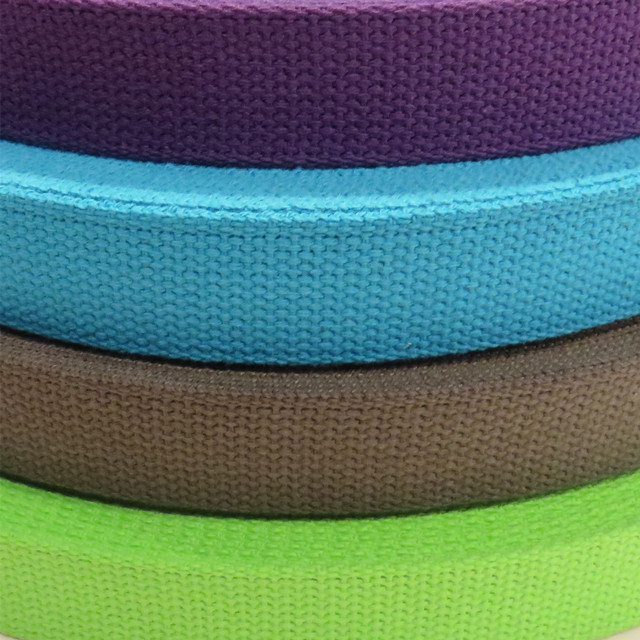
For dyed accessories (drawcords, tapes, lace), colorfastness to washing, rubbing (crocking), and light is paramount. Buyers should demand a minimum colorfastness rating of Grade 4. For metal accessories, the plating process introduces risks of pitting, uneven finishes, or the presence of restricted heavy metals.
Implementing robust Quality Control & Inspection protocols before the accessories are shipped to your Cut & Sew facility is non-negotiable. Inspectors should perform random pull tests, visual color matching under standardized light boxes, and dimensional checks against the approved tech pack.
The Nickel & Lead Trap
Many low-cost hardware suppliers use nickel in their base plating layers to achieve a brighter finish, or lead to soften alloys for easier molding. Both are heavily restricted in major markets. Always specify "Nickel-Free and Lead-Free" and require verifiable testing.
Compliance and Chemical Testing
Textile accessories must comply with the same rigorous chemical regulations as the garments they are attached to. Failure to ensure compliance at the accessory level will cause the entire finished product to fail customs inspections or retail audits.
If you are importing into the EU or North America, your accessory suppliers must adhere to REACH or CPSIA standards. For brands targeting the eco-conscious or infant markets, Oeko-Tex Standard 100 certification (specifically Class 1 for babywear) is often a baseline requirement. Engaging a partner for professional Compliance & Testing ensures your trims are tested for azo dyes, phthalates, and heavy metals by accredited third-party labs before mass production begins.
Typical MOQs, Pricing, and Lead Times
Pricing in the textile accessory market is heavily volume-dependent. Because items are small and produced on high-speed automated machinery or in large plating vats, factories require significant minimums to justify setup times.
If you are developing proprietary hardware or branded trims, OEM/ODM Services can help you navigate mold creation, 3D prototyping, and IP protection. Tooling costs are typically charged upfront but are often amortized or refunded once cumulative order volumes reach a specific threshold (e.g., 50,000 pieces).
Need to consolidate your accessory supply chain or develop custom branded hardware? Speak with our sourcing specialists today.
Get a free consultationFrequently Asked Questions
Securing reliable textile accessories requires navigating a fragmented market of hyper-specialized factories. By defining strict chemical and physical tolerances upfront and enforcing rigorous quality control, buyers can eliminate the hidden costs of defective trims and keep garment production lines running smoothly.
Get Sourcing Help for Textile Accessories
Tell us your requirements and our experts will connect you with verified manufacturers.