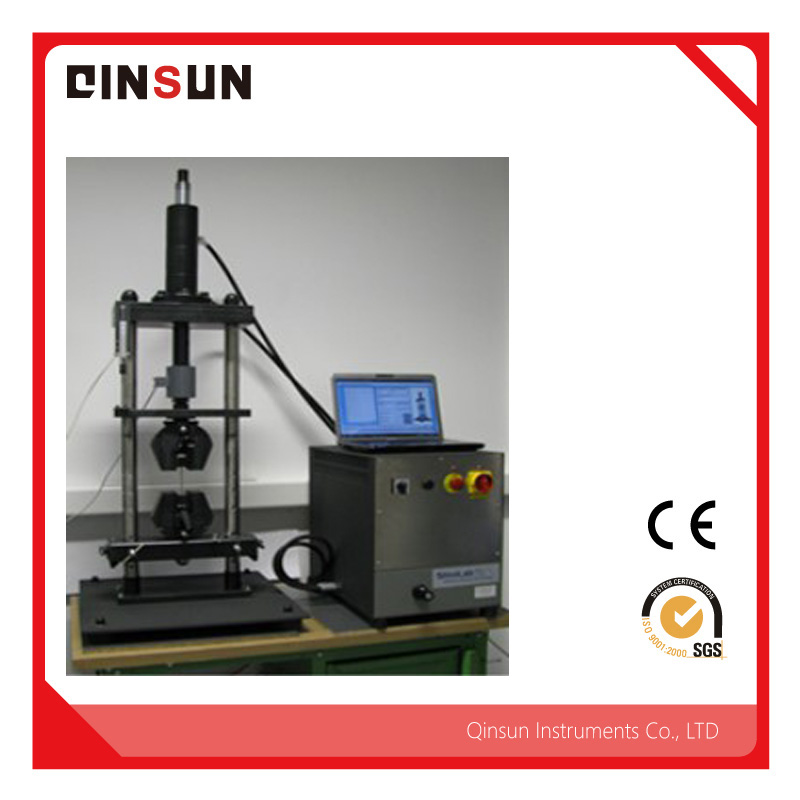
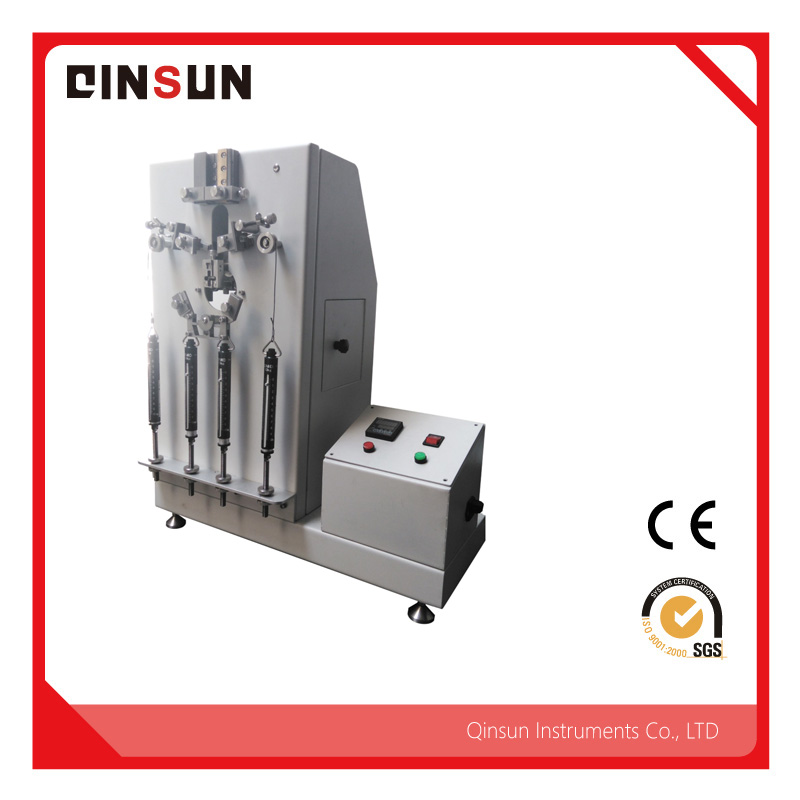
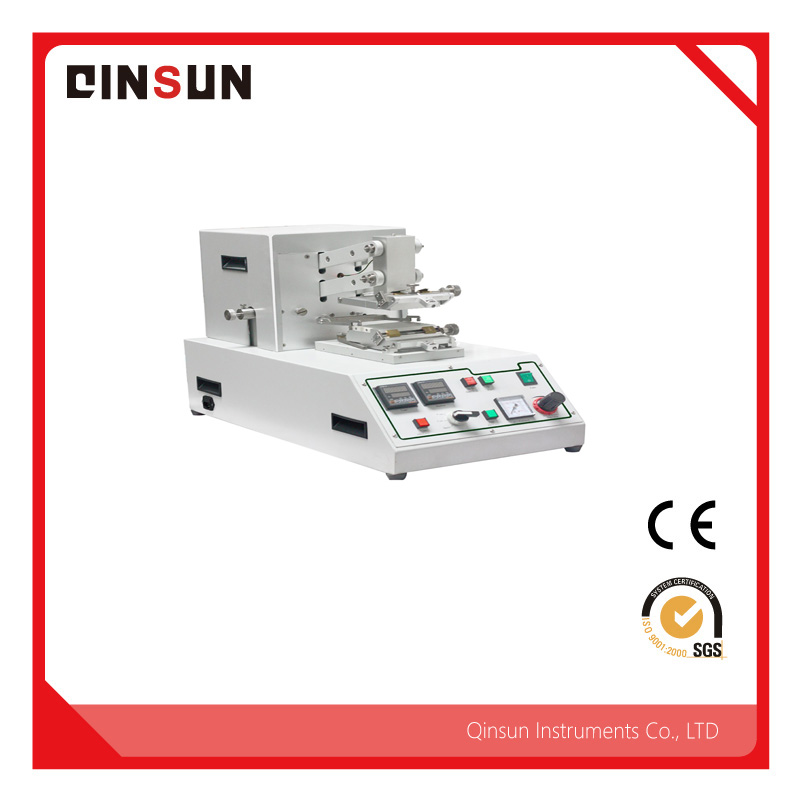
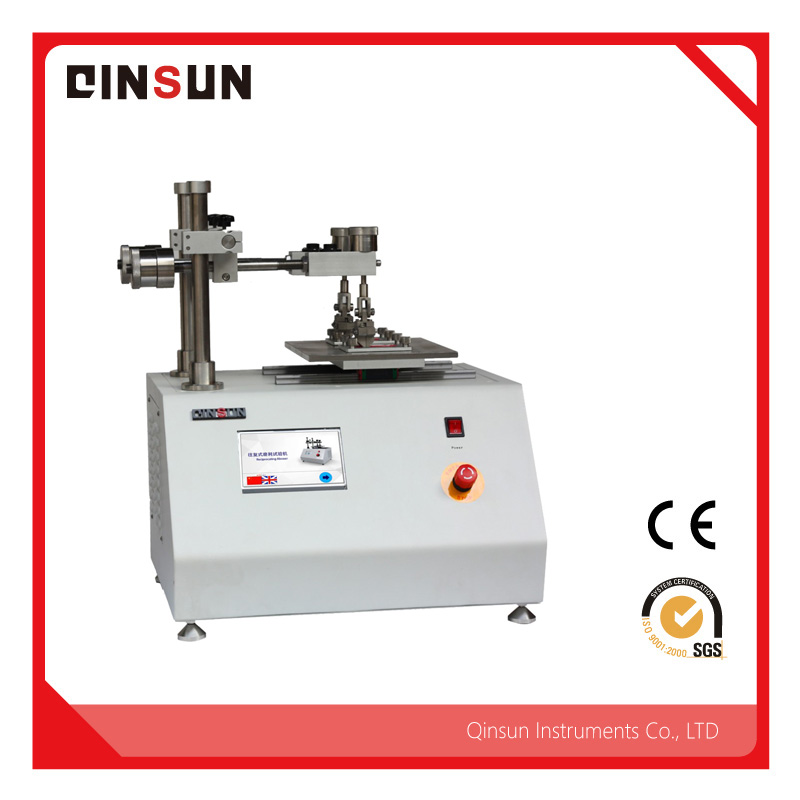
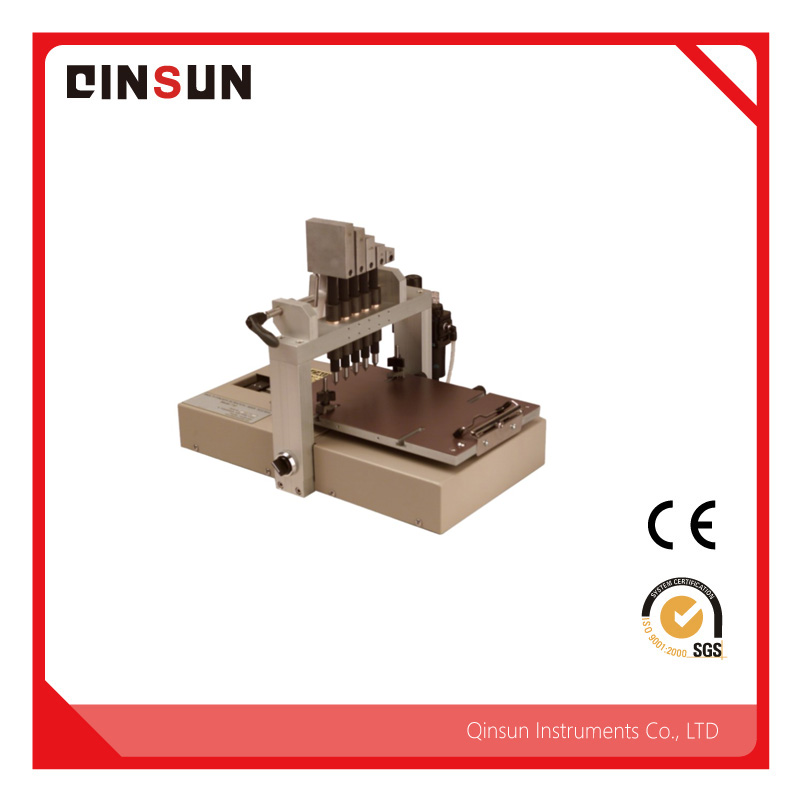
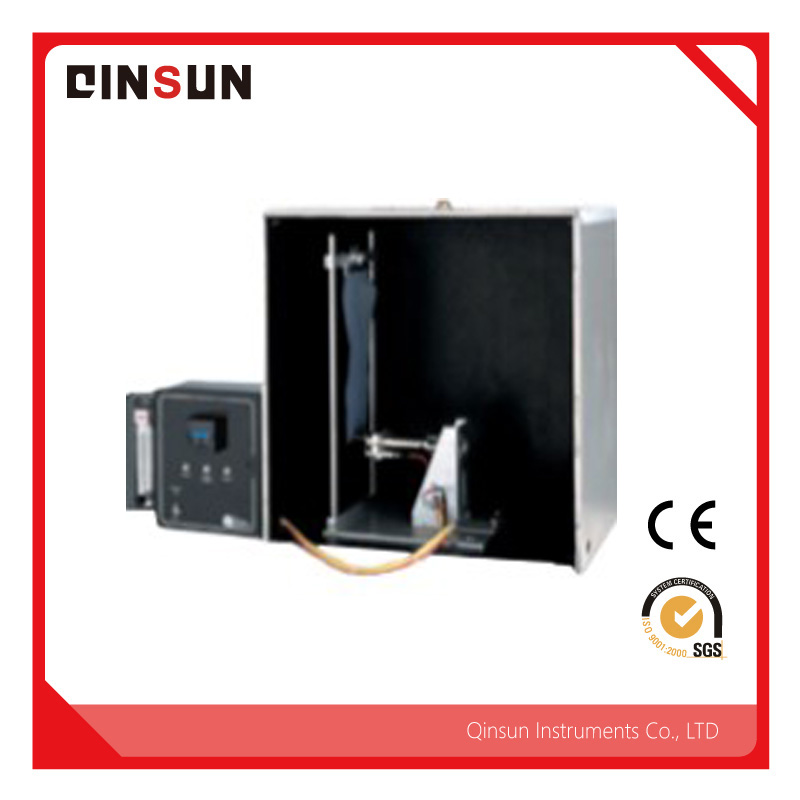
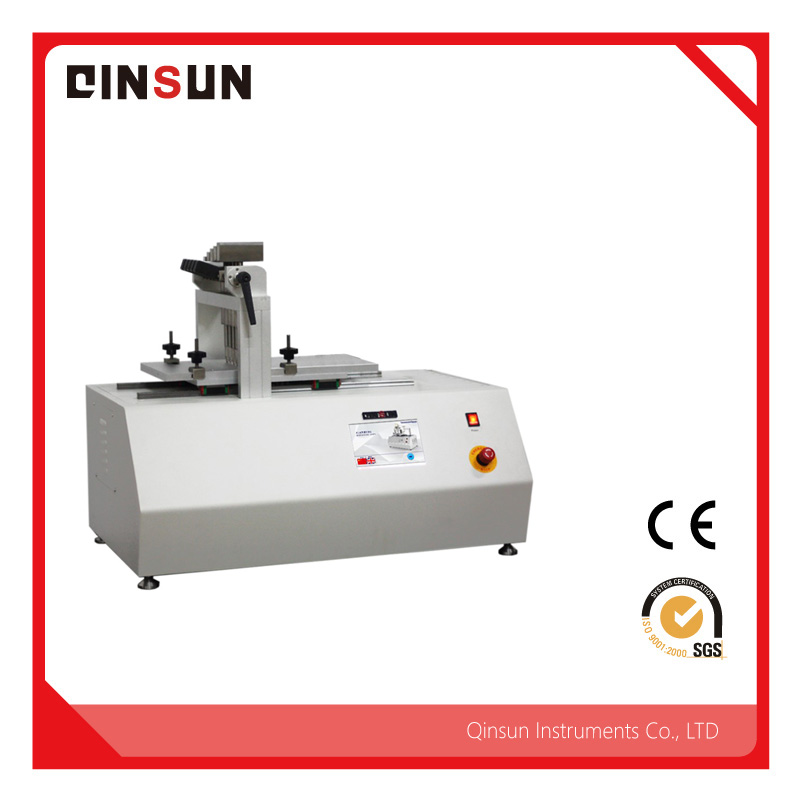
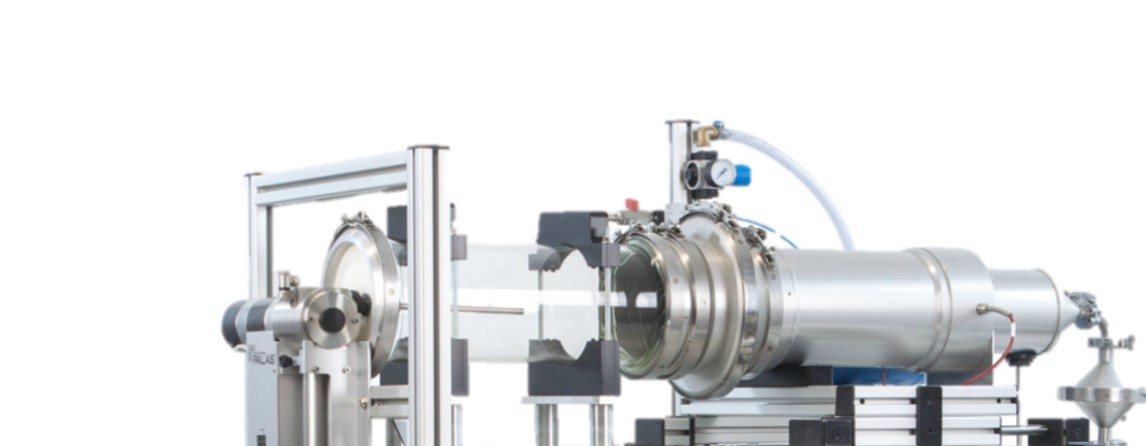
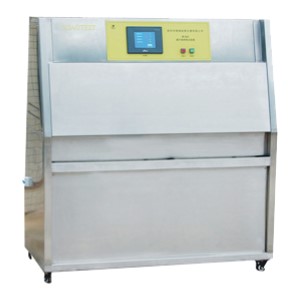
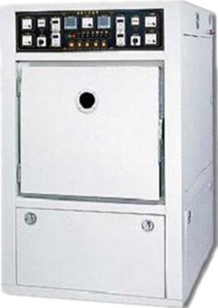
Testing Equipment
Source professional-grade Testing Equipment from vetted suppliers and manufacturers across Asia. Designed for importers, distributors, and brands seeking reliable OEM and private-label production, our network delivers precision instruments built to stringent international standards for accuracy, repeatability, and durability.
Sourcing industrial testing equipment in bulk requires navigating a complex landscape of component quality, calibration standards, and software reliability. For procurement managers and brands, the primary challenge is not finding a factory that can assemble a device; it is identifying a manufacturing partner capable of maintaining strict accuracy tolerances and sensor stability across thousands of production units, ensuring your end-users receive reliable data.
Component Specifications and Precision Tiers
The heart of any testing instrument—whether for environmental monitoring, non-destructive testing (NDT), or mechanical stress—lies in its analog front-end. The accuracy of the final product is dictated by the quality of the sensors (load cells, transducers, probes) and the resolution of the Analog-to-Digital Converter (ADC).
When specifying requirements with a manufacturer, you must dictate the component origins. Many factories default to domestic sensors to lower costs, which is acceptable for general commercial use but often fails the long-term drift and linearity requirements of industrial applications.
| Equipment Tier | Sensor Origin | ADC Resolution | Typical Application |
|---|---|---|---|
| Standard Commercial | Domestic (China) | 12 to 16-bit | Basic environmental, handheld multimeters |
| Industrial Precision | Imported (Japan/EU/US) | 24-bit | Material testing, NDT, lab analytics |
| Heavy Industrial | Ruggedized Domestic/Import | 16 to 24-bit | Field diagnostics, high-vibration environments |
Struggling to verify the true component list of your testing equipment supplier? We can validate their BOM and supply chain.
Talk to our teamManufacturing Standards and Calibration Infrastructure
The difference between a consumer-grade gadget and professional testing equipment lies in the factory's internal quality infrastructure. A reliable manufacturer does not just assemble; they calibrate.
You must verify if the supplier has an in-house calibration laboratory or partners with an accredited third party. The master instruments used to calibrate your production run must have documented traceability to national or international standards. Conducting rigorous Factory Audits is non-negotiable in this category to ensure the facility has the environmental controls (temperature and humidity stability) necessary for accurate baseline setting.
Critical Factory Verification Points
- In-house ISO 17025 accredited calibration lab or certified third-party partnership.
- Documented traceability of master calibration instruments.
- Mandatory aging and burn-in testing (minimum 48 to 72 hours) for electronic stability.
- Version control and validation processes for embedded firmware and PC software.
Quality Control and Defect Prevention
Testing equipment is highly susceptible to hidden defects that only manifest under specific conditions. Standard AQL (Acceptable Quality Limit) inspections that only check aesthetics and power-on functions are insufficient.
Effective Quality Control & Inspection for this category must include functional stress tests. Inspectors should verify zero-drift (does the unit return to absolute zero after a load or signal is removed?), linearity across the full measurement range, and hysteresis. Furthermore, housing integrity—especially IP ratings for water and dust resistance—must be tested if the equipment is marketed for field use.
MOQs, Lead Times, and Sourcing Reality
Purchasing testing equipment at scale involves managing longer lead times than standard consumer electronics, primarily due to the procurement of specialized sensors and the mandatory calibration processes.
If you are leveraging OEM/ODM Services to develop custom interfaces, proprietary software, or ruggedized housings, expect higher initial tooling costs and extended prototyping phases.
Looking to develop a custom line of testing instruments? Let us help you negotiate MOQs and manage the development cycle.
Get a free consultationFrequently Asked Questions
Successful sourcing of testing equipment hinges on treating the procurement process as an engineering partnership rather than a simple transactional purchase. The lifecycle cost of equipment failure or inaccurate data far outweighs the initial savings of choosing a bottom-tier supplier. By enforcing strict component standards and mandating rigorous calibration audits, you protect your brand's reputation for reliability.
Get Sourcing Help for Testing Equipment
Tell us your requirements and our experts will connect you with verified manufacturers.