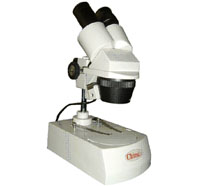
Telescopes & Binoculars
Source high-performance telescopes and binoculars from vetted suppliers and manufacturers across Asia. Designed for importers, distributors, and optical brands seeking reliable bulk purchasing or custom OEM/ODM production. Partner with us to secure competitive pricing and strict quality control for your optical instrument supply chain.
Sourcing optical instruments at scale requires navigating a complex supply chain of specialized lens grinders, prism manufacturers, and assembly plants. A minor misalignment in the optical axis or a subpar lens coating can render an entire batch of binoculars or telescopes unsellable. Success in this category depends on identifying assembly facilities that maintain rigorous clean-room standards and possess the in-house testing equipment necessary to verify collimation and light transmission before shipment.
Critical Optical Specifications
When negotiating with optical manufacturers, the precise specification of glass and coatings dictates both the performance of the final product and your unit cost. Factories will often default to lower-tier materials unless explicitly instructed otherwise.
- Prism Materials: The standard for entry-level models is BK-7 borosilicate glass, which offers acceptable light transmission but can suffer from peripheral light loss. BaK-4 (barium crown glass) is the industry standard for mid-range to premium optics, offering a higher refractive index and a perfectly round exit pupil.
- Lens Coatings: Uncoated lenses lose up to 4 percent of light at every air-to-glass surface. Specify FMC (Fully Multi-Coated) for all premium models, meaning all air-to-glass surfaces receive multiple layers of anti-reflective coatings.
- Chassis Materials: Entry-level binoculars and telescopes utilize ABS plastic or polycarbonate. For high-durability and professional models, specify magnesium alloy chassis, which provides the necessary rigidity to maintain optical alignment under stress while keeping weight low.
| Material Tier | Glass Type | Coating Level | Primary Application |
|---|---|---|---|
| Entry-Level | BK-7 | Coated (C) or Multi-Coated (MC) | Promotional / Basic Retail |
| Mid-Range | BaK-4 | Fully Multi-Coated (FMC) | Hunting / Birding / General Outdoor |
| Premium | ED (Extra-low Dispersion) | FMC + Phase/Dielectric | Professional / Astronomy |
Navigating optical specifications and supplier capabilities is complex. Let us help you match your technical requirements with the right specialized manufacturer.
Talk to our teamManufacturing Tolerances and Factory Capabilities
The assembly of telescopes and binoculars is highly manual, even in advanced facilities. The primary differentiator between a reliable supplier and a risky one is their internal quality management system and the environment in which they assemble the optics.
Key Factory Verification Points
- Cleanroom Assembly: Lenses must be assembled in dust-free environments to prevent internal contamination.
- In-house Collimation Testing: The factory must have laser collimators to ensure the optical axes of both barrels (in binoculars) are perfectly parallel.
- Nitrogen/Argon Purging Equipment: For waterproof models, verify the factory has active purging stations, not just passive sealing processes.
- Optical Coating Verification: Ensure they have spectrophotometers to verify light transmission percentages of their FMC coatings.
Relying solely on a supplier's self-reported capabilities is a common pitfall. Conducting rigorous factory audits is essential to verify that the assembly line possesses the necessary testing equipment and adheres to strict cleanroom protocols.
OEM & ODM Customization
Most importers utilize OEM/ODM services to build their optical lines rather than designing from scratch. Manufacturers typically offer "open molds" for the chassis, allowing you to customize the optical prescription (e.g., upgrading from BK-7 to BaK-4), rubber armoring texture, focus wheel design, and branding.
Developing custom reticles (for tactical or marine applications) or entirely new chassis designs requires significant tooling investment and longer development cycles. When modifying existing ODM designs, ensure the factory recalculates the optical path if you change the objective lens diameter or focal length.
Sourcing Mechanics: Pricing, MOQs, and Lead Times
Optical manufacturing requires significant setup time, particularly for lens grinding and coating, which influences minimum order quantities and production schedules.
Pricing Drivers
- Glass Origin: Sourcing specialized ED glass from Japan or Germany significantly increases unit costs and lead times compared to domestic Chinese optical glass.
- Prism Coatings: Adding phase-correction coatings or dielectric coatings to roof prisms requires advanced vacuum deposition chambers, driving up the cost per unit.
- Waterproofing: Achieving true IPX7 (submersible) ratings requires tighter machining tolerances, O-ring seals, and active gas purging.
Need accurate pricing and lead times for your custom optical project? Connect with our sourcing experts to build a reliable supply chain.
Get a free consultationQuality Control and Compliance
Defects in optical instruments are often invisible to the untrained eye but immediately apparent to the end-user. Double vision (due to poor collimation), internal fogging, and edge distortion are common issues. Implementing strict quality control protocols, including comprehensive pre-shipment inspections, is non-negotiable.
Inspectors must check collimation on a dedicated testing rig, perform water-submersion tests for IPX-rated models, and conduct extreme temperature cycling to ensure internal lubricants do not off-gas and coat the internal lenses. Furthermore, if you are importing into strictly regulated markets, ensure materials meet REACH and RoHS standards through proper compliance testing.
Securing high-quality telescopes and binoculars requires moving beyond catalog specifications and directly verifying a manufacturer's cleanroom standards and optical alignment capabilities. By enforcing strict tolerances at the factory level, you protect your brand from the high return rates associated with substandard optics.
Get Sourcing Help for Telescopes & Binoculars
Tell us your requirements and our experts will connect you with verified manufacturers.