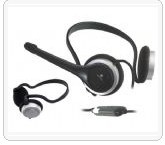
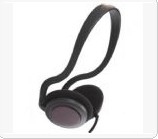
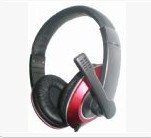
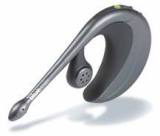
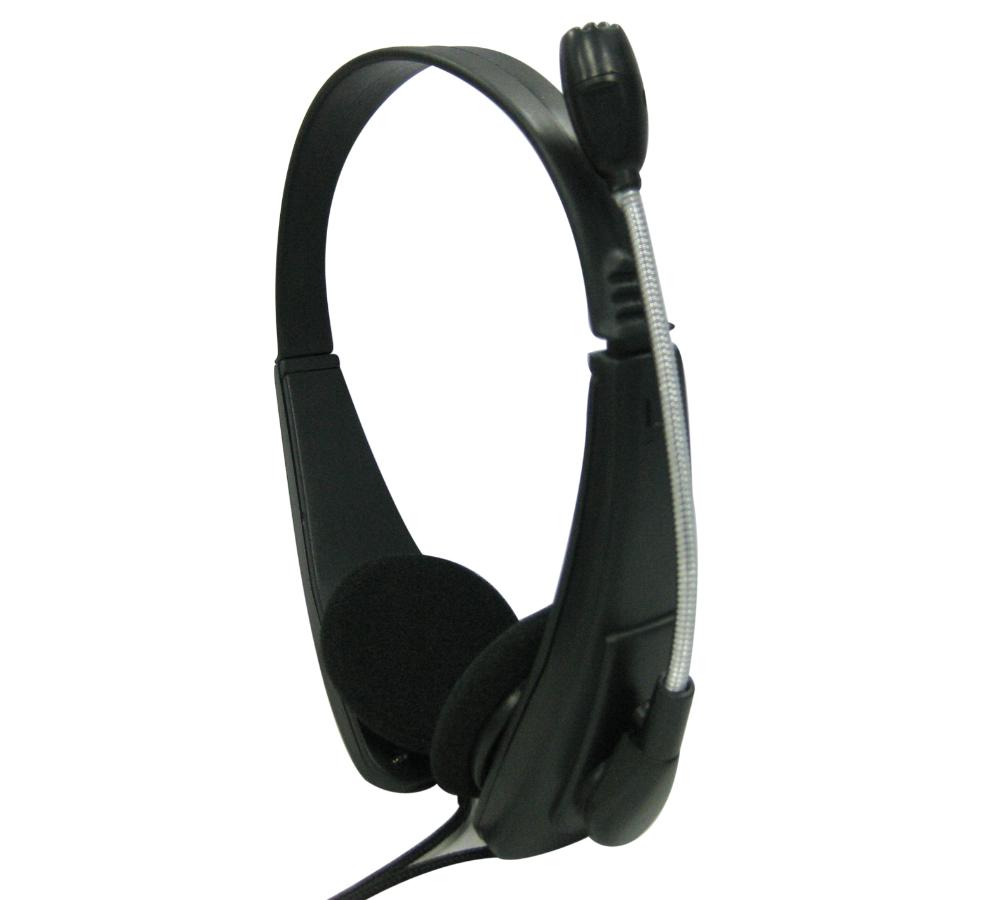
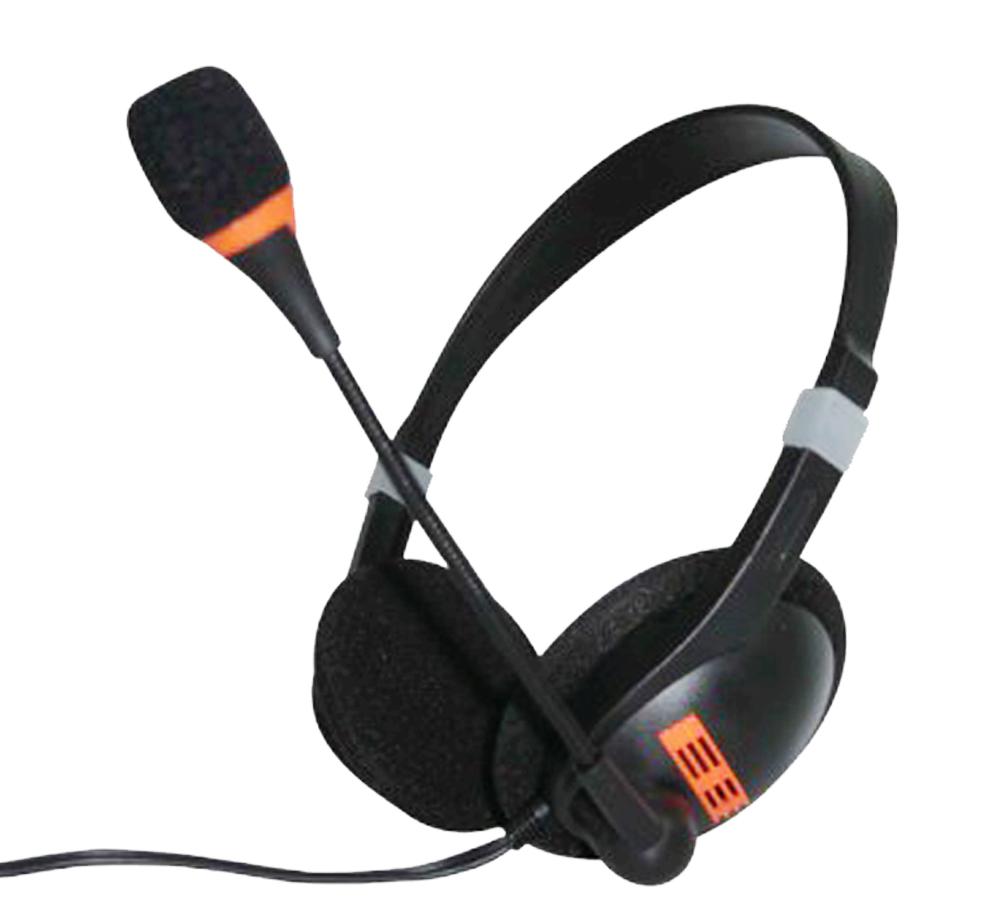
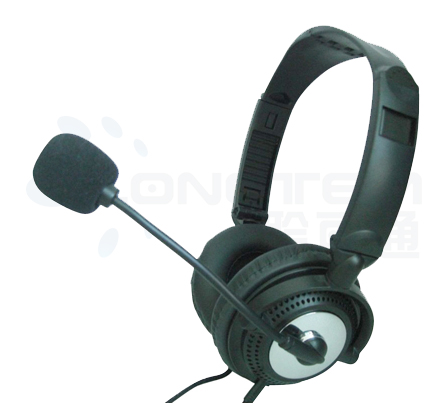
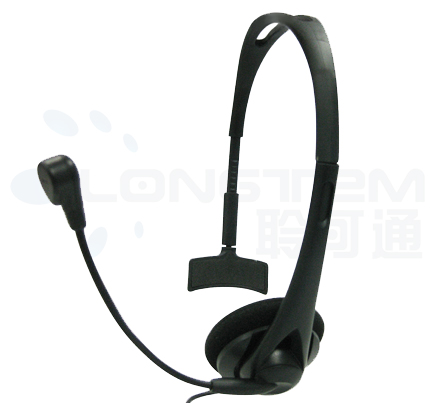
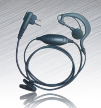
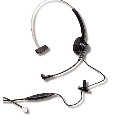
Telephone Headsets
Source high-quality Telephone Headsets from vetted manufacturers and suppliers in China and across Asia. Designed for importers, wholesalers, distributors, and brands seeking reliable bulk purchasing and OEM/private-label production, our network delivers enterprise-grade audio solutions with competitive pricing and rigorous quality control.
Sourcing telephone headsets for enterprise, call center, or unified communications (UC) environments requires balancing strict acoustic performance standards with mechanical durability. A headset deployed in a high-volume call center will endure thousands of flexes, rotations, and cable tugs over its lifecycle. The primary sourcing challenge is identifying manufacturers capable of delivering consistent microphone noise cancellation and structural integrity at scale, without cutting corners on the internal Bill of Materials (BOM).
Core Specifications for Enterprise Headsets
When negotiating with suppliers, specifying the exact components is critical. Relying on a factory's "standard" model often results in varying component quality between production runs.
- Acoustic Shock Protection (ASP): Essential for occupational safety, ASP circuits must limit sudden audio spikes to under 118 dB. Ensure your supplier implements active ASP on the PCB, rather than relying solely on acoustic limiters in the ear cup.
- Microphone Technology: Standard omnidirectional microphones are insufficient for noisy environments. Specify Electret Condenser Microphones (ECM) or MEMS with hardware-based noise cancellation. The boom arm should feature a flexible gooseneck or a ratcheting mechanism rated for at least 10,000 rotations.
- Frequency Response: Differentiate between narrowband (300Hz to 3.4kHz, legacy telecom) and wideband/HD voice (150Hz to 6.8kHz, VoIP/UC). Wideband requires higher-quality 28mm or 40mm neodymium drivers.
- Connectivity: Define the exact termination: RJ9 (specify the wiring pinout, as Cisco, Avaya, and Polycom use different standards), USB-A/C (with inline DSP/volume controls), 3.5mm TRRS, or Quick Disconnect (QD).
| Specification | Standard Call Center | Premium UC Headset |
|---|---|---|
| Driver Size | 28mm Ferrite | 30mm - 40mm Neodymium |
| Audio Profile | Narrowband (300Hz - 3.4kHz) | Wideband / HD Voice (150Hz - 6.8kHz) |
| Mic Noise Cancellation | Passive / Directional | Active DSP / Dual-Mic Array |
| Ear Cushion | Standard Foam | Protein Leather with Memory Foam |
Navigating supplier capabilities in the audio sector requires deep technical vetting. Let us help you align your specifications with the right factory to ensure consistent production quality.
Talk to our teamManufacturing Quality and Common Failure Points
The assembly of a telephone headset involves precise soldering and careful routing of micro-cables through rotating joints. Even minor lapses on the assembly line lead to high failure rates in the field.
Implementing robust Quality Control & Inspection protocols during production is non-negotiable. Pay particular attention to the strain relief at the cable exit points (ear cup and connector). Weak strain relief is the leading cause of premature failure in wired headsets.
Critical QC Checks for Headset Production
- Cable bend test: Minimum 20,000 cycles at a 90-degree angle with a 200g load.
- Boom arm rotation test: Minimum 10,000 cycles to verify the internal wire routing does not fray.
- Clamping force measurement: Must remain consistent between 3.5N and 4.5N to ensure user comfort without slipping.
- Solder joint inspection: Check for cold solder joints on the PCB, particularly at the QD or USB connector points.
- Acoustic testing: Verify SPL (Sound Pressure Level) limits and microphone sensitivity tolerances using an artificial ear/mouth setup.
OEM/ODM Customization
For brands looking to establish their own product lines, OEM/ODM Services offer varying levels of customization. White-labeling an existing factory mold is the fastest route to market, typically requiring only custom logo printing, customized inline control shells, and branded packaging.
Developing a completely custom (ODM) headset requires significant investment in plastic injection molding for the ear cups, headband, and boom arm. When pursuing ODM, ensure the factory has an in-house acoustic chamber (anechoic chamber) to tune the headset's frequency response to your specific enclosure design.
Pricing, MOQs, and Lead Times
Headset pricing is heavily dependent on the connectivity type and internal chipsets. Standard RJ9 headsets are highly commoditized, while USB headsets requiring Digital Signal Processing (DSP) chips for UC platforms (like Microsoft Teams or Zoom) carry a higher BOM cost.
Need accurate pricing, component sourcing, and production schedules for your next headset order? We manage the negotiations and supply chain from end to end.
Get a free consultationFrequently Asked Questions
Successfully sourcing telephone headsets in bulk means looking past the outer plastic shell and scrutinizing the internal components, cable durability, and assembly standards. Engaging in thorough Factory Audits before placing an order is the most effective way to verify that a supplier has the acoustic testing equipment and quality management systems necessary to produce reliable enterprise audio gear.
Get Sourcing Help for Telephone Headsets
Tell us your requirements and our experts will connect you with verified manufacturers.