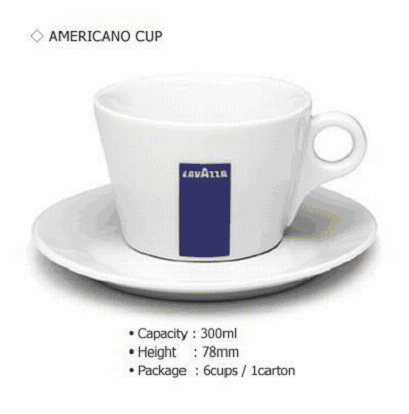
Tea Cups & Saucers
Source high-quality Tea Cups & Saucers from vetted manufacturers and wholesale suppliers in Asia. Designed for importers, wholesalers, hospitality procurement managers, and brands seeking reliable OEM/ODM production, our network delivers consistent quality, food-safe compliance, and scalable manufacturing capabilities.
Sourcing tea cups and saucers in commercial volumes requires balancing aesthetic precision with structural durability. Whether you are procuring for high-end hospitality or developing a retail tableware brand, the core challenge lies in managing the thermal dynamics of the kiln. Minor temperature fluctuations during firing can cause saucer warping or glaze defects, while decorative elements must survive repeated commercial washing while maintaining strict adherence to international food contact safety standards.
Material Specifications and Firing Dynamics
The foundation of any ceramic or porcelain tea set dictates its durability, translucency, and cost. When negotiating with factories, specifying the exact material composition and firing temperature is critical, as these factors directly impact the product's porosity and thermal shock resistance.
| Material | Typical Firing Temp | Composition & Characteristics | Primary Application |
|---|---|---|---|
| Bone China | 1200 C (First), 1050 C (Glaze) | Minimum 36% bone ash (up to 45% for premium). High translucency, lightweight, high mechanical strength. | Luxury retail, fine dining hospitality |
| Hard-Paste Porcelain | 1300 to 1400 C | Kaolin, feldspar, and quartz. Zero porosity, highly resistant to chipping and scratching. | Commercial catering, everyday retail |
| Stoneware | 1100 to 1200 C | Refined clay mixed with grog. Opaque, thicker walls, excellent heat retention. | Casual dining, artisanal/rustic brands |
For bone china, verify the bone ash percentage. Manufacturers may substitute synthetic calcium phosphate to lower costs, which reduces the characteristic milky translucency and alters the material's strength.
Need help verifying supplier material claims and capabilities? Talk to our sourcing experts.
Discuss your material requirementsQuality Control and Defect Prevention
Ceramic manufacturing is highly susceptible to environmental variables. A supplier's capability is often proven not by their showroom samples, but by their yield rate on the factory floor. Implementing strict Quality Control & Inspection protocols before the goods are packed is the only way to prevent unsellable inventory from shipping.
Critical Factory-Floor Inspection Points
- Saucer Flatness: Place saucers on a perfectly flat glass surface to check for kiln warping. A wobble tolerance of less than 1mm is standard.
- Cup-to-Saucer Fit: The cup foot must seat perfectly within the saucer well (the 'bouge') without shifting.
- Glaze Integrity: Inspect under bright light for pinholes (tiny burst bubbles), crawling (bare spots), and crazing (micro-cracks).
- Handle Alignment & Adhesion: Verify the handle is attached perfectly vertical and test the joint strength, as handles are attached separately before firing.
- Decal Alignment: Ensure patterned decals meet seamlessly at the seams without overlapping or gaps.
Food Contact Safety and Compliance
Glazes and applied decorations (decals, hand-painting, metallic banding) are the primary risk areas for heavy metal leaching. If your product features vibrant colors or on-glaze decals, it must pass rigorous Compliance & Testing for lead and cadmium release. Standards vary significantly by market—the US FDA, California Proposition 65, and the EU's LFGB all have different testing methodologies and acceptable limits.
Customization: OEM/ODM and Decoration Techniques
Developing custom tea sets involves specific tooling and decoration processes. If you are pursuing custom shapes, the factory will need to mill new plaster or metal molds. Mold costs for standard ceramic pressing or slip-casting are generally low, but the trial-and-error process to account for clay shrinkage (typically 10% to 15% during firing) extends the development timeline.
For surface decoration, OEM/ODM Services usually utilize water-slide decals. These require a third firing at lower temperatures (700 to 800 Celsius) to fuse the design into the glaze. Metallic accents, such as gold or platinum banding, require specialized handling. Real gold preparations (typically 10% to 12% liquid gold) drive up unit costs significantly and generally render the cups non-microwave safe, a crucial detail to include in your product packaging.
Pricing, MOQs, and Production Lead Times
Unit costs and minimum order quantities in the ceramic tableware sector are heavily volume-dependent due to the continuous nature of tunnel kilns.
Managing Decal MOQs
While a factory might agree to an MOQ of 1,000 cups, the printing facility producing the custom decals often requires a minimum run of 3,000 to 5,000 sheets. You may need to pay for the excess decals upfront and hold them at the factory for future orders.
Evaluating supplier quotes or struggling with high MOQs? Let our team negotiate on your behalf.
Get a free consultationFrequently Asked Questions
Successfully sourcing tea cups and saucers at scale requires looking past the aesthetic appeal of a showroom sample and digging into the manufacturer's kiln management, material controls, and defect rates. Partnering with experienced professionals to manage factory audits and pre-shipment inspections ensures your tableware meets both your design vision and strict regulatory requirements.
Get Sourcing Help for Tea Cups & Saucers
Tell us your requirements and our experts will connect you with verified manufacturers.