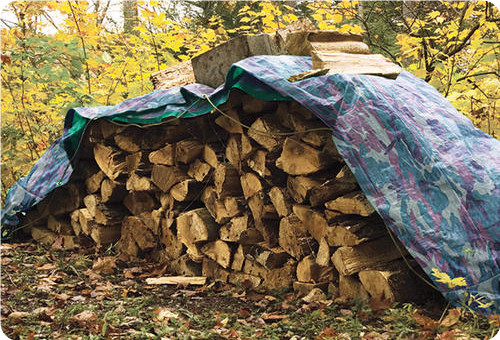
Tarps
Source high-quality camping and outdoor tarps directly from vetted manufacturers and suppliers. Designed for importers, wholesalers, distributors, and outdoor brands seeking reliable OEM and private-label production, this catalog features bulk pricing on durable outdoor shelters built to your exact specifications.
Sourcing outdoor tarps for the camping and hiking market requires balancing three competing factors: weight, hydrostatic head (waterproofing), and tear strength. Whether you are developing ultralight silnylon shelters for backpackers or heavy-duty polyester canopies for car camping, specifying the right base fabric, coating, and construction method is critical. A minor miscalculation in thread tension or seam sealing at the factory level can lead to widespread product failure in the field.
Material Specifications and Coatings
The foundation of any outdoor tarp is its fabric and coating combination. Buyers must clearly define the denier (D) or thread count (T), alongside the specific chemical coating applied to the face and backing of the fabric.
| Base Fabric | Typical Coating | Characteristics | Primary Application |
|---|---|---|---|
| 15D/20D Nylon | Sil/Sil (Silicone both sides) | Extremely lightweight, high tear strength, sags when wet, cannot be factory seam-taped. | Ultralight backpacking |
| 20D/30D Polyester | Sil/PU (Silicone face, PU back) | Low water absorption, retains pitch tension, allows factory seam taping. | Hammock camping, general backpacking |
| 70D Nylon / 210T Poly | PU (Polyurethane) | Heavier, highly durable, lower cost, excellent waterproofing. | Car camping, group shelters |
When specifying waterproofing, rely on Hydrostatic Head (HH) ratings. A standard camping tarp should achieve a minimum of 1,500mm HH, while four-season or heavy-duty models should target 3,000mm to 5,000mm. Ensure your supplier uses consistent hydrostatic pressure testing standards (like ISO 811) rather than relying on estimated figures.
Need help verifying a manufacturer's material specifications or fabric testing capabilities? Let our sourcing experts ensure your factory meets your technical requirements.
Talk to our teamManufacturing Tolerances and Quality Control
The true test of a factory's capability lies in its cut-and-sew precision and hardware integration. Tarps endure immense wind loading and tension, meaning the points of failure are almost always at the tie-outs, ridgelines, or seams.
When conducting Quality Control & Inspection at the facility, focus on these critical construction details:
Critical Tarp Inspection Points
- Tie-out Reinforcement: Ensure grosgrain or Hypalon patches are used at all guy-out points, secured with dense bar-tack stitching.
- Stitch Density: Look for 8 to 10 stitches per inch (SPI). Lower SPI reduces seam strength; higher SPI can perforate and weaken lightweight fabrics.
- Seam Sealing: For PU-backed fabrics, verify that factory-applied seam tape is applied evenly with correct heat settings to prevent peeling.
- Catenary Cuts: For hex or diamond tarps, ensure the catenary curves are cut precisely to allow for a taut pitch without wrinkling.
- Hardware Quality: Verify that D-rings, grommets, or Linelocs are sourced from reputable component suppliers (e.g., Duraflex or YKK) to prevent snapping under tension.
Customization and OEM/ODM Production
For brands looking to differentiate, OEM/ODM Services offer complete control over the tarp's geometry and feature set. Beyond standard rectangular or square profiles, you can specify complex catenary-cut hex tarps, winter tarps with closing doors, or specialized asymmetrical designs for hammock campers.
Customization extends to the guyline systems (specifying reflective dyneema cordage), tensioning hardware, and branded stuff sacks. Keep in mind that custom fabric colors or proprietary camouflage prints will significantly impact minimum order quantities.
Typical MOQs, Pricing, and Lead Times
Pricing for outdoor tarps is highly variable based on fabric yield, coating complexity, and hardware. Silpoly and Silnylon command a premium over standard PU-coated polyester, and complex shapes with multiple reinforced tie-outs require higher labor hours.
Before committing to a large production run, it is highly recommended to conduct rigorous Factory Audits to verify the supplier's production capacity, machinery (especially automated cutting and seam-taping equipment), and social compliance.
Navigating MOQs, material yields, and production schedules can be complex. Speak with our team to streamline your procurement and secure favorable terms.
Get a free consultationFrequently Asked Questions
Sourcing high-performance outdoor tarps is an exercise in precision. From selecting the appropriate denier and coating to ensuring rigorous quality control over seam construction, the details dictate the product's survival in harsh environments. Partnering with experienced sourcing professionals ensures your technical specifications are faithfully translated to the factory floor.
Get Sourcing Help for Tarps
Tell us your requirements and our experts will connect you with verified manufacturers.