Taps
Source high-performance machining taps from vetted manufacturers and suppliers capable of meeting strict industrial tolerances. This catalog is built for tool distributors, industrial importers, and brands seeking wholesale threading tools or custom OEM production. Find reliable partners for standard, metric, and specialized CNC tapping applications.
When sourcing threading taps in volume, the true metric of success is the cost-per-hole, not just the unit price of the tool. Inconsistent tool life, poor chip evacuation, or out-of-tolerance threads can halt automated CNC production lines and lead to costly scrapped parts. Securing reliable machining taps requires partnering with manufacturers who possess advanced CNC thread grinding capabilities, precise heat treatment protocols, and access to premium raw materials.
Defining Material and Geometry Specifications
The foundation of any cutting tool is its substrate. While standard high-speed steel (HSS) is sufficient for hand tapping or low-volume general machining, high-production environments demand HSS-E (Cobalt) or solid carbide. You must specify the exact material grade (e.g., M2, M35, M42) when negotiating with suppliers, as material substitution is a common cause of premature tool failure.
| Substrate Material | Wear Resistance | Toughness | Typical Application |
|---|---|---|---|
| Standard HSS (M2) | Moderate | High | General purpose, aluminum, mild steel |
| HSS-E / Cobalt (M35/M42) | High | Moderate | Stainless steel, high-tensile alloys |
| Solid Carbide | Very High | Low | Cast iron, hardened steel, abrasive materials |
| Powder Metallurgy (PM) | High | High | High-speed CNC production, difficult alloys |
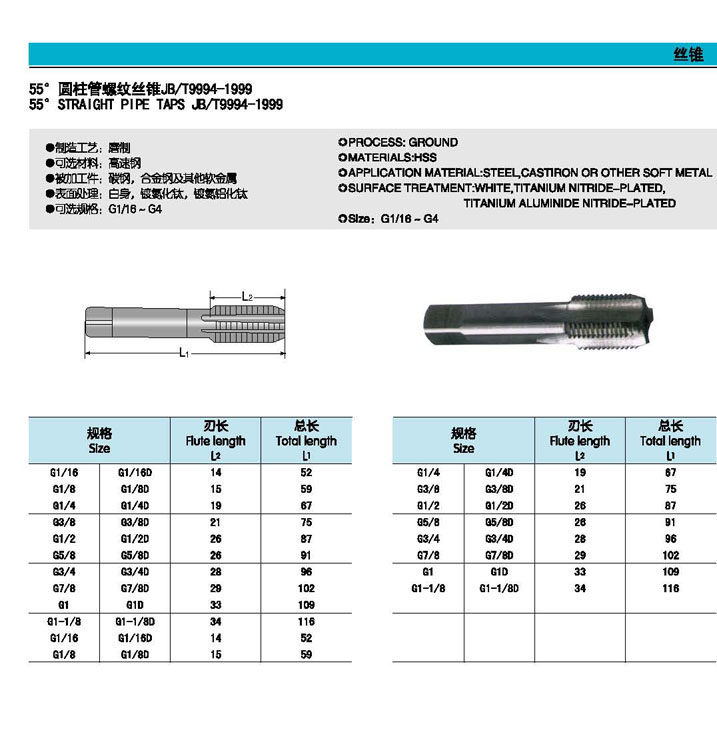
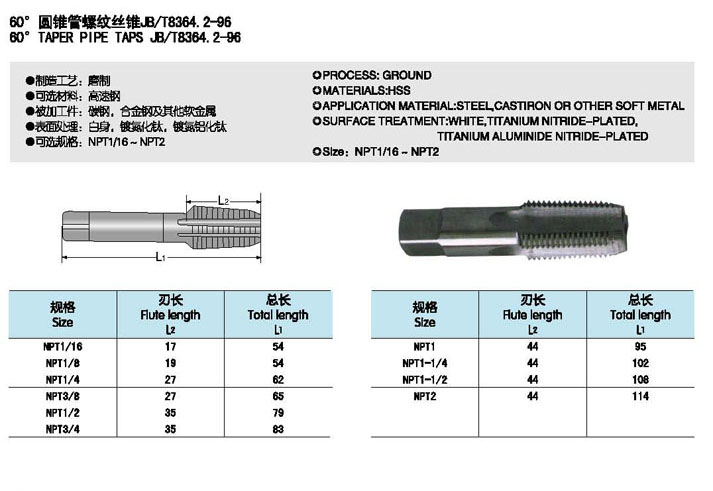
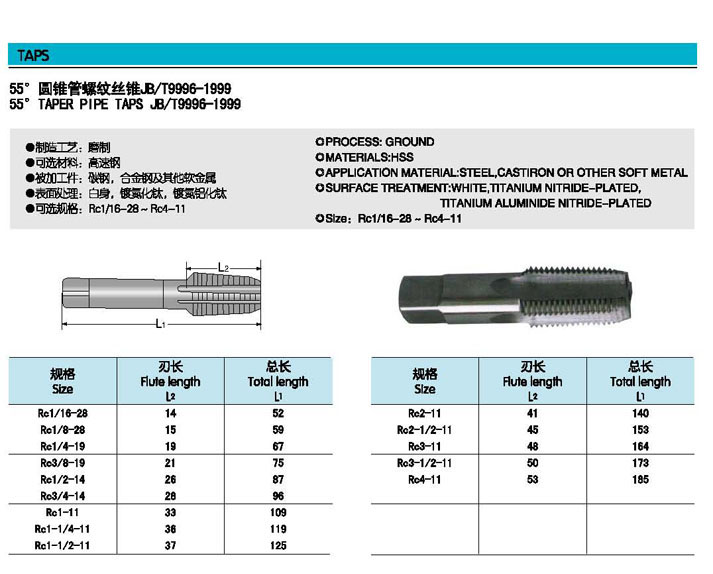
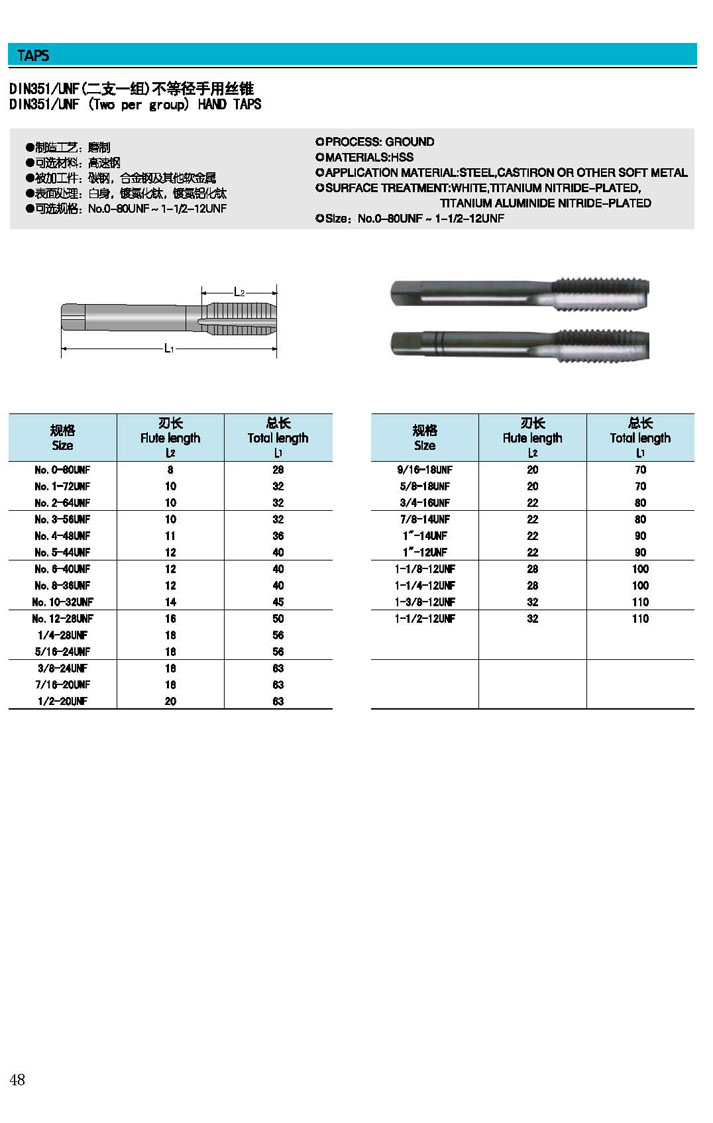
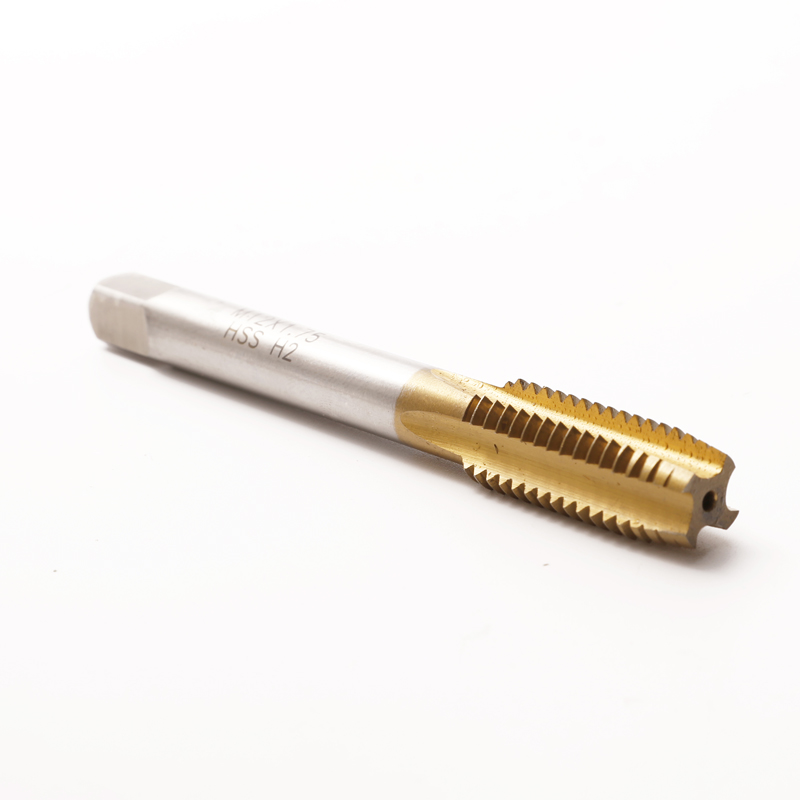
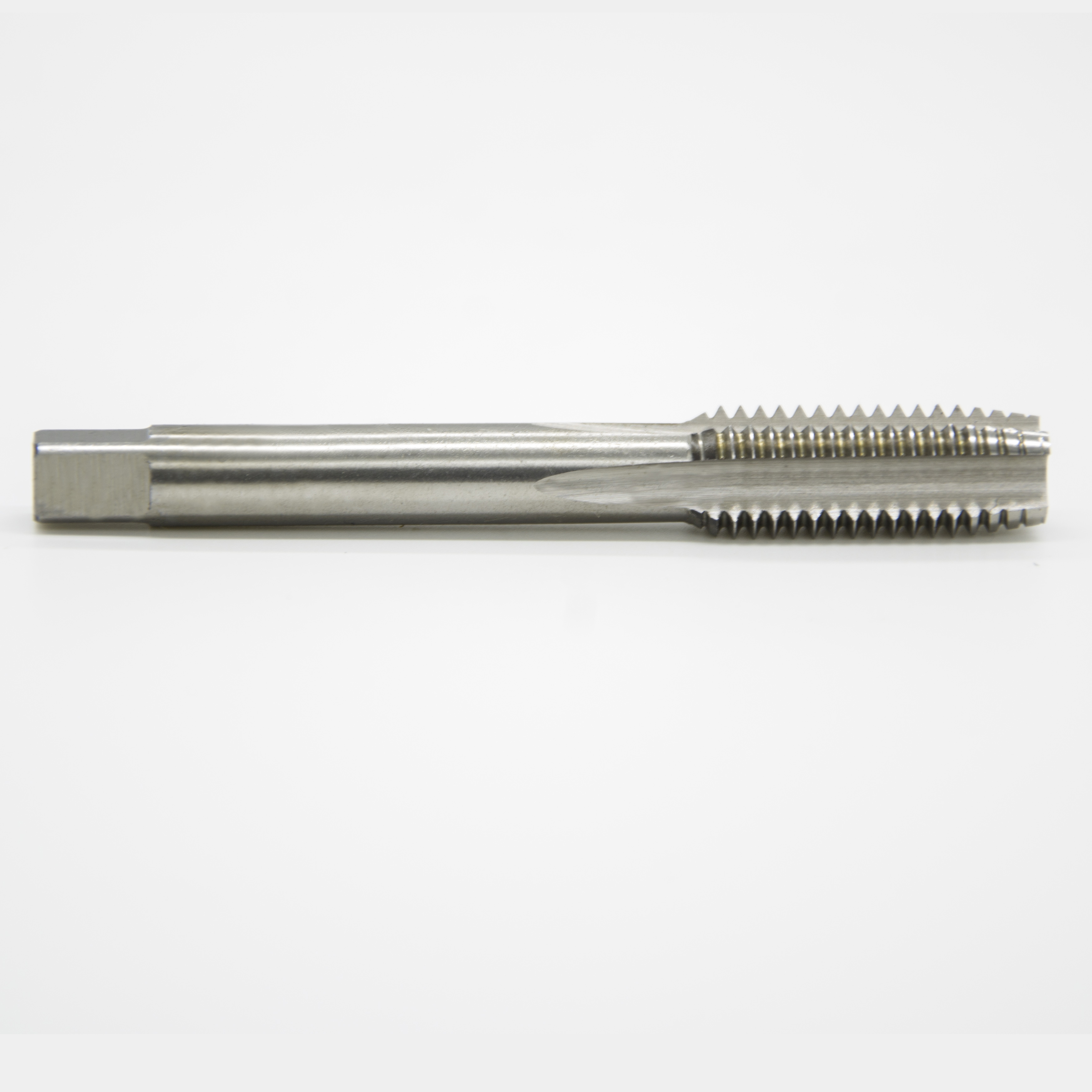
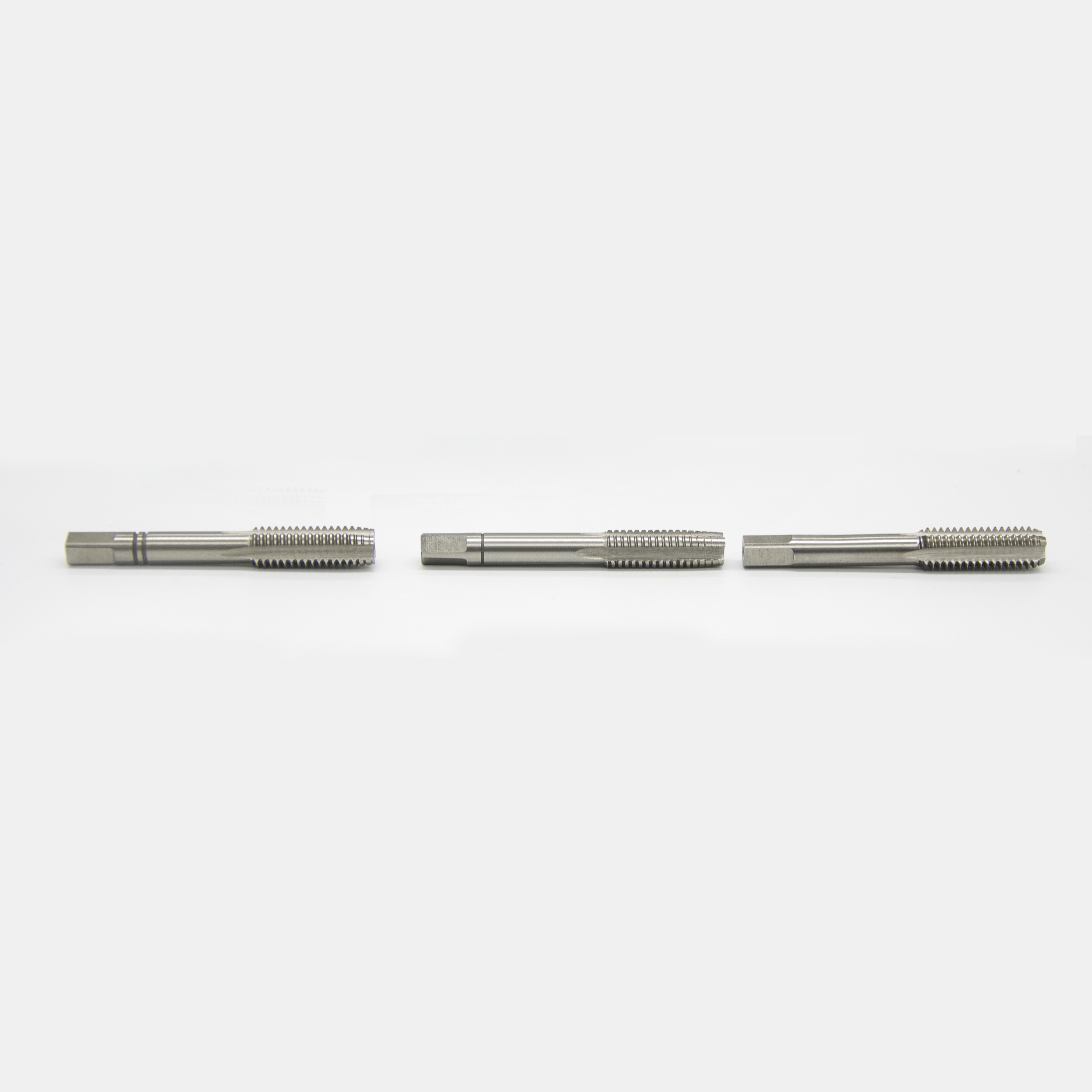
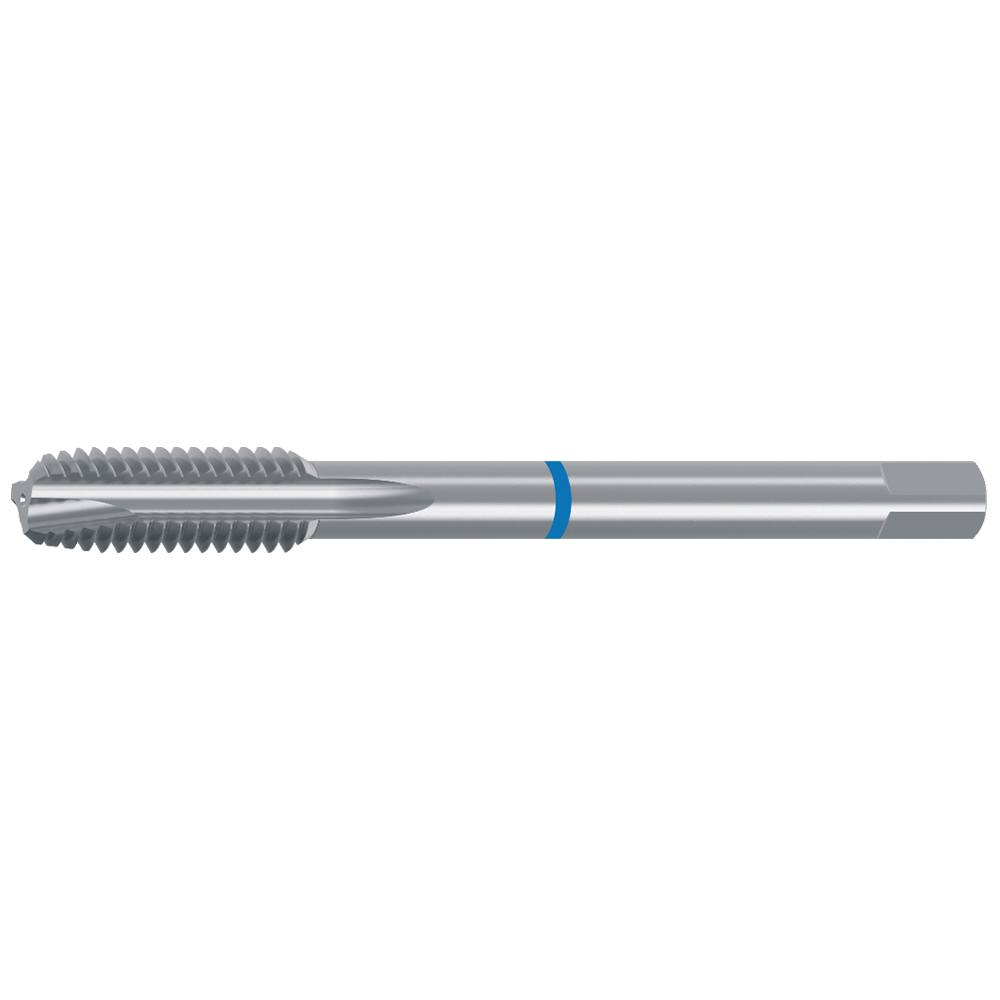
Beyond the substrate, the tap's geometry dictates its application. Your purchase orders should clearly delineate between spiral point taps (for through holes), spiral flute taps (for blind holes), and form/roll taps (for chipless thread forming). You must also define the required tolerance class, such as 6H for standard metric threads or 6G for applications requiring a plating allowance.
Manufacturing Precision and Quality Control
The performance of a tap is won or lost in two critical manufacturing stages: heat treatment and thread grinding. Improper heat treatment leads to brittle tools that snap inside the workpiece, while inaccurate thread grinding results in oversized or undersized threads that fail gauge inspections.
To ensure consistency across bulk orders, it is highly recommended to implement strict quality control protocols. Relying solely on a factory's internal testing is risky when sourcing from new suppliers.
Critical Pre-Shipment Inspection Points for Taps
- Pitch diameter tolerance verification using optical comparators or thread micrometers.
- Hardness testing (HRC) to confirm heat treatment consistency across the batch.
- Concentricity and runout checks on the shank and threaded section.
- Visual inspection of the cutting edge and flute finish for micro-chipping.
- Verification of PVD coating thickness and adhesion (e.g., TiN, TiCN, TiAlN).
Verify supplier grinding and heat-treatment capabilities with comprehensive on-site factory audits before placing your bulk tooling order.
Talk to our teamSourcing Mechanics: MOQs, Pricing, and Lead Times
The tooling industry operates on volume, and pricing is heavily dependent on the substrate material, coating, and required tolerances. Standard DIN or ANSI taps manufactured from M2 HSS are produced in massive quantities, resulting in lower costs and smaller minimum order quantities (MOQs). Conversely, specialized carbide taps or custom thread profiles require dedicated CNC setups.
For distributors and brands looking to establish their own tooling lines, many manufacturers offer OEM/ODM services. This includes custom laser marking on the shank and branded plastic tube packaging. When negotiating these contracts, ensure that the intellectual property regarding custom thread geometries or proprietary coatings is protected.
Optimize your cutting tool supply chain with consolidated shipping, strict quality inspections, and reliable supplier vetting.
Get a free consultationFrequently Asked Questions
Sourcing reliable machining taps requires looking past the unit price and evaluating the manufacturer's grinding technology, material sourcing, and quality management systems. By defining exact specifications and enforcing strict inspection standards, you can secure tooling that delivers consistent performance and a lower total cost per hole.
Get Sourcing Help for Taps
Tell us your requirements and our experts will connect you with verified manufacturers.