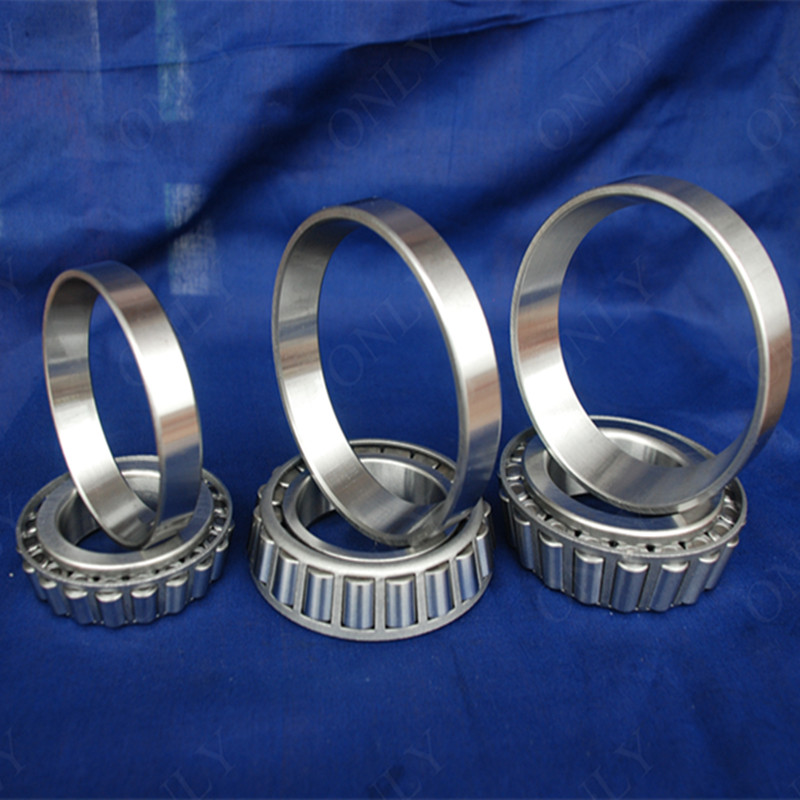
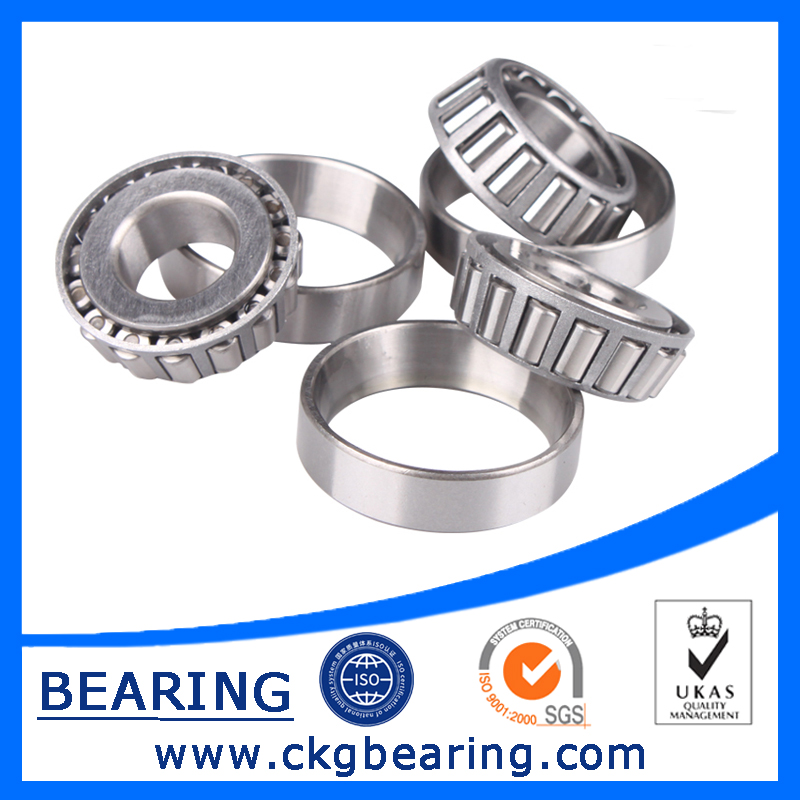
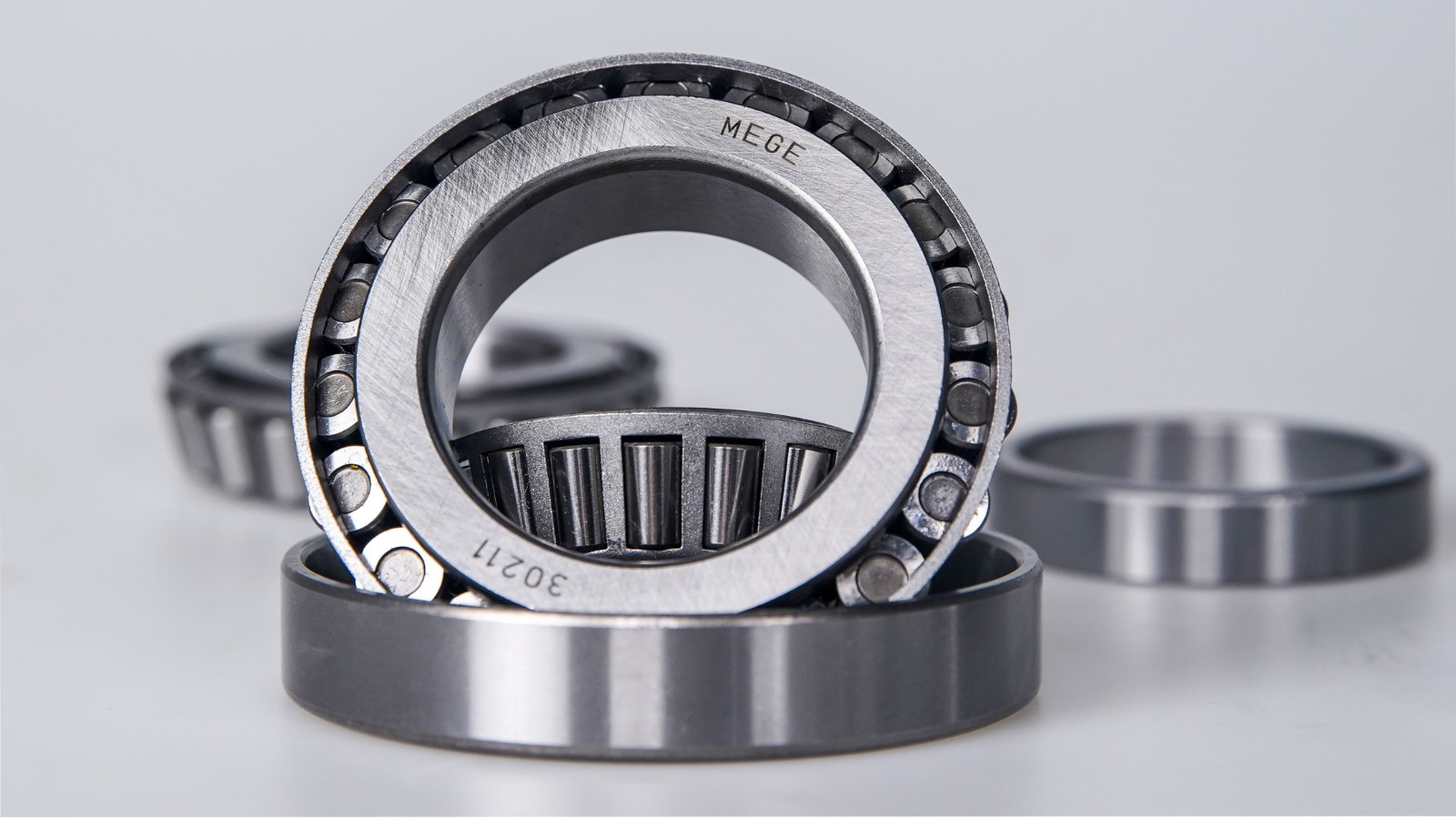
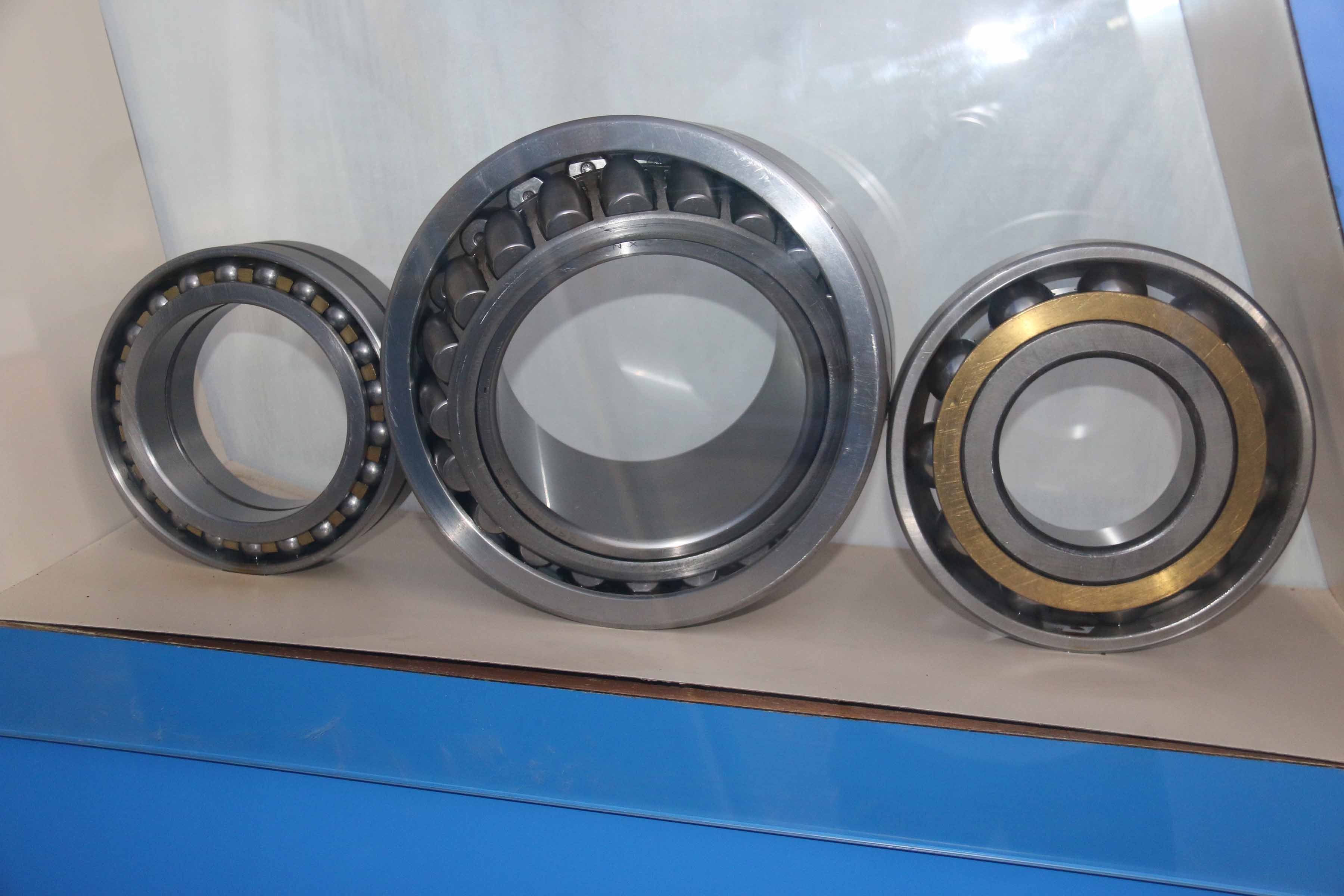
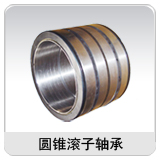
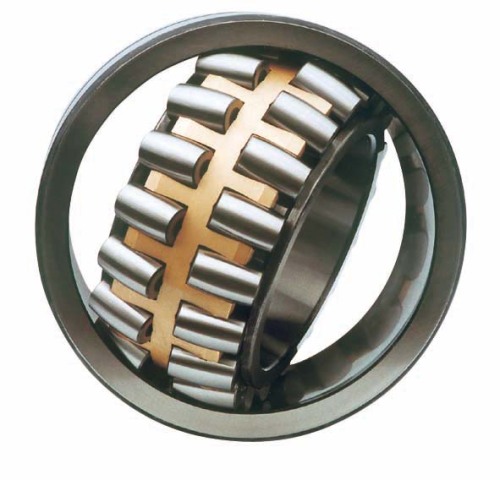
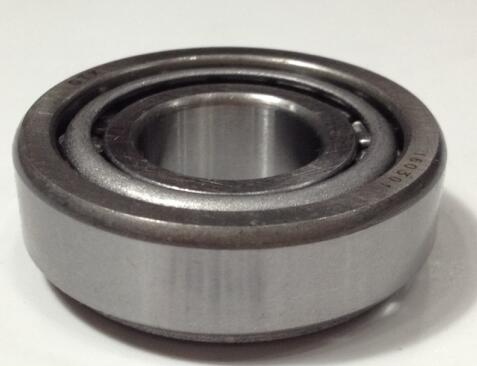
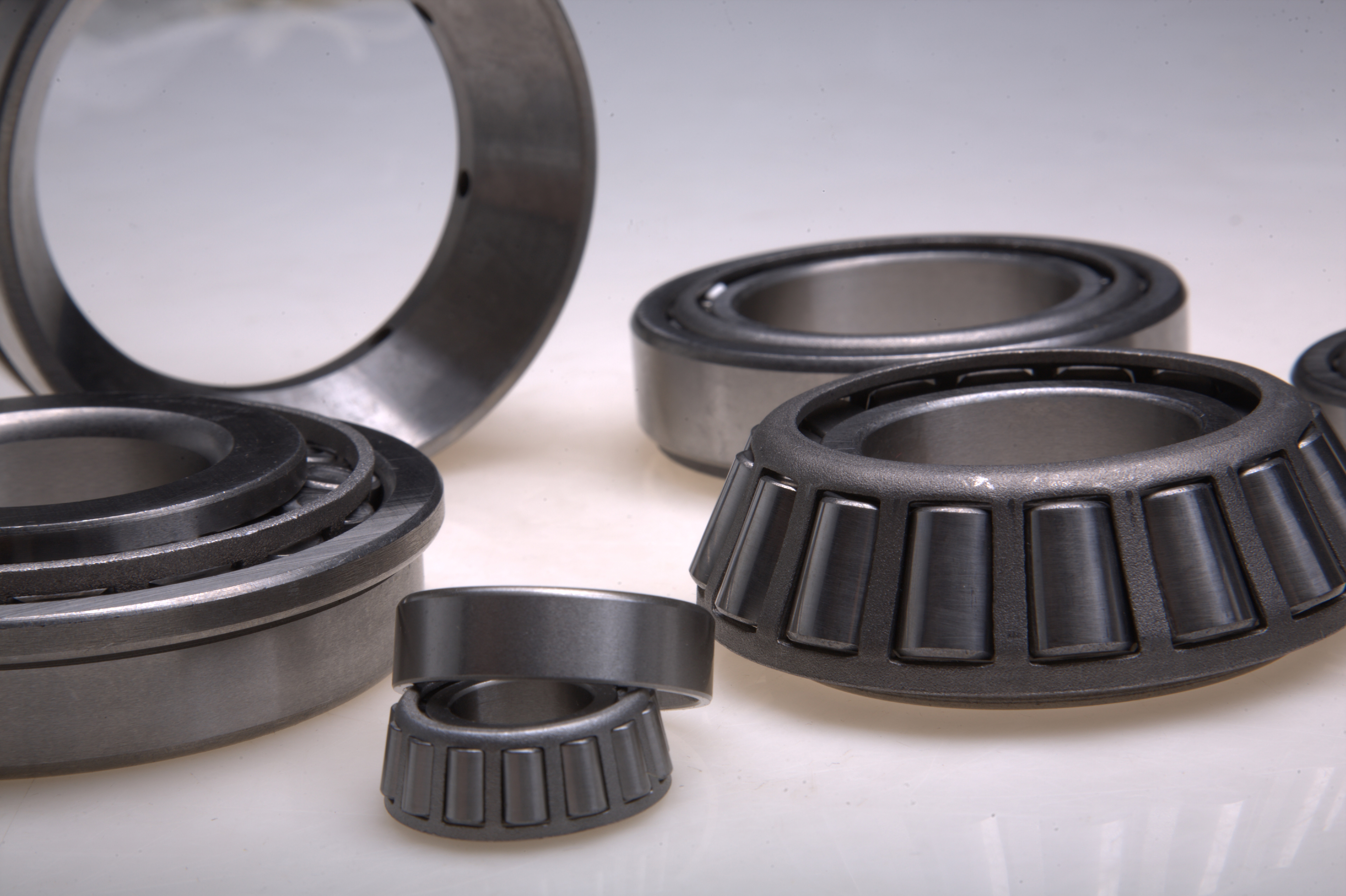
Tapered Roller Bearings
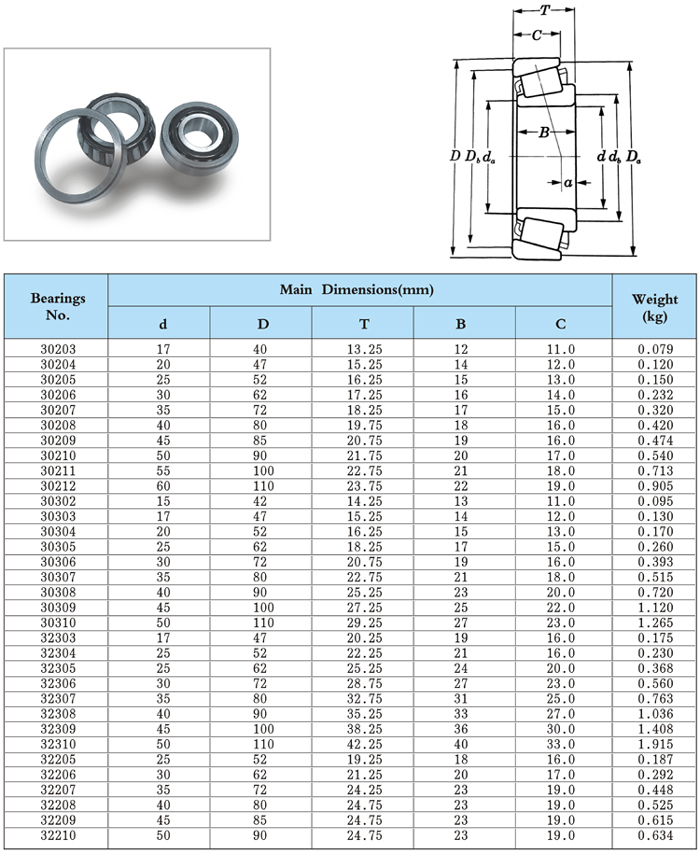
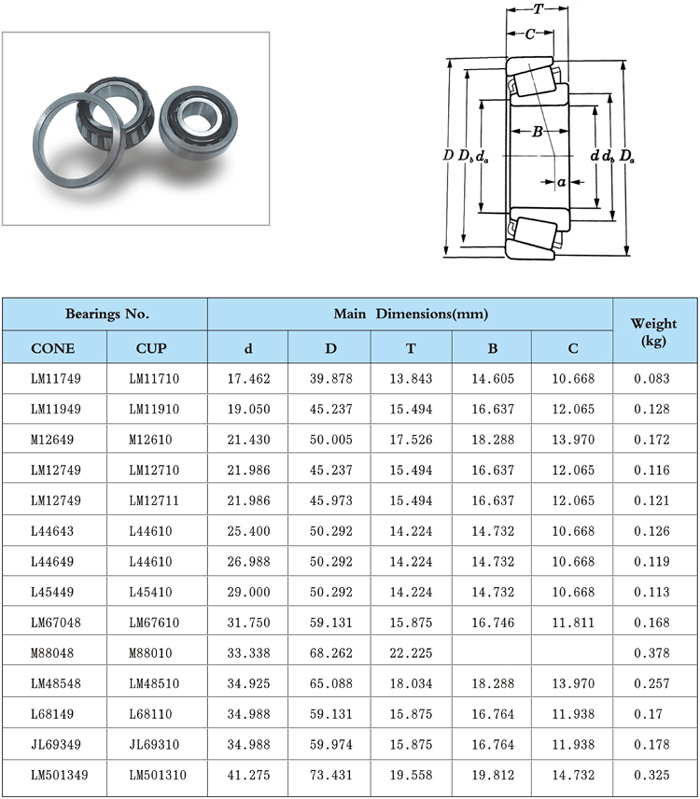
Source high-performance tapered roller bearings directly from vetted manufacturers and trusted suppliers across Asia. Designed for importers, industrial distributors, and brands requiring reliable OEM production in bulk, our verified network delivers precision-engineered bearings built to withstand heavy radial and axial loads.
Tapered roller bearings are the backbone of heavy-duty power transmission, uniquely designed to manage high combined radial and axial loads. When sourcing these components in volume, the primary challenge isn't simply finding a supplier—it is verifying that the factory's metallurgy, heat treatment, and grinding processes meet strict industrial tolerances. A bearing that fails prematurely due to poor raceway geometry or inadequate surface hardness costs exponentially more in downtime than it saves in unit price.
Critical Specifications for Bulk Sourcing
Material selection and precision classes are the main drivers of both performance and unit cost. Most standard applications use high-carbon chromium steel (GCr15 or SAE 52100), which is through-hardened. For extreme shock loads or heavy-duty mining equipment, case-hardened (carburized) steel is often required to provide a hard, wear-resistant surface with a tough, ductile core.
| Specification | Standard Grade | High-Performance / Heavy Duty |
|---|---|---|
| Material | GCr15 (52100) Through-hardened | Carburized Steel (Case-hardened) |
| Precision Tolerance | ISO P0 (ABEC 1) | ISO P6 or P5 (ABEC 3 / ABEC 5) |
| Hardness (HRC) | 60 to 62 | 58 to 64 (surface), lower core |
Need help verifying factory capabilities for high-precision bearings?
Discuss your specsWhere Quality is Won or Lost on the Factory Floor
The lifespan of a tapered roller bearing is dictated by its internal geometry. The rollers and raceways must be perfectly matched to prevent edge loading, which causes rapid metal fatigue.
Key Quality Control Checkpoints
- Heat Treatment: Verify the depth and consistency of the hardened layer to prevent premature spalling.
- Raceway Grinding: Ensure logarithmic profiling on the rollers to distribute stress evenly across the contact area.
- Surface Finish: Check for super-finishing processes that reduce friction, vibration, and operating temperatures.
- Assembly Clearances: Confirm that the cone, cup, and cage assemblies meet specified stand-out tolerances.
To ensure these standards are met before a container is loaded, rigorous Quality Control & Inspection is essential. This includes metallurgical analysis, dimensional runout testing, and noise/vibration checks directly at the facility.
MOQs, Lead Times, and Pricing Dynamics
When importing tapered roller bearings, costs fluctuate based on raw steel prices, but the precision class dictates the baseline. Upgrading from a standard P0 to a P6 tolerance can increase unit costs significantly due to the additional grinding and inspection time required.
If you are utilizing OEM/ODM Services for custom dimensions, specialized cages (such as brass or polyamide), or private-label etching, expect to add 15 to 20 days for tooling and sample approval.
Conducting thorough Factory Audits is crucial before placing bulk orders. You must verify that a supplier actually owns the precision grinding and heat-treatment equipment they claim, rather than outsourcing these critical steps to unverified sub-tier workshops.
Looking to consolidate your bearing supply chain with vetted manufacturers?
Talk to our teamFrequently Asked Questions
Sourcing tapered roller bearings in volume requires looking past the unit price to understand the factory's underlying engineering capabilities. A supplier's control over heat treatment and raceway profiling ultimately dictates the reliability of your end product. If you need to secure a robust, quality-assured supply line, our team can help you identify and manage the right manufacturing partners.
Get Sourcing Help for Tapered Roller Bearings
Tell us your requirements and our experts will connect you with verified manufacturers.