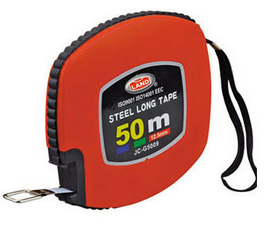
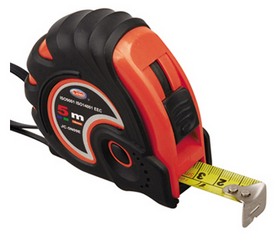
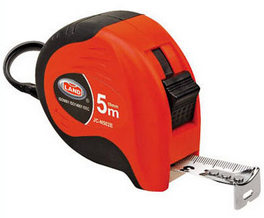
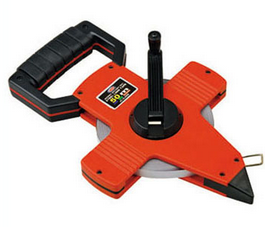
Tape Measures
Source professional-grade tape measures from vetted manufacturers and suppliers. Designed for importers, wholesale distributors, and hardware brands seeking bulk orders or OEM/ODM private-label production, this catalog connects you with factory-direct pricing and reliable quality standards.
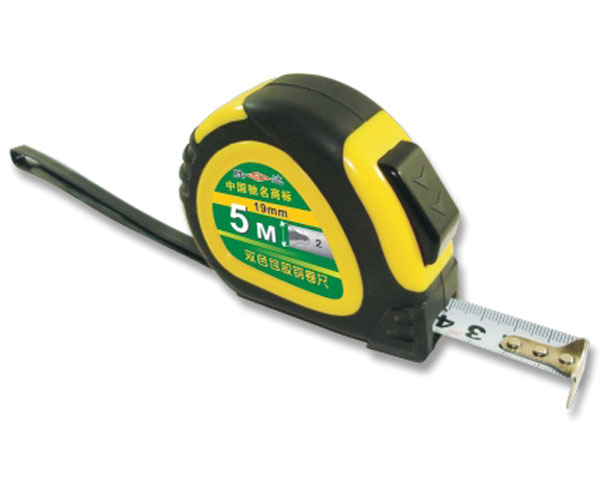
Sourcing tape measures at scale requires navigating a highly fragmented landscape of hardware manufacturers, primarily clustered in China's Zhejiang and Henan provinces. While almost all tape measures look similar on a supplier's catalog page, the difference between a cheap promotional giveaway and a professional-grade tool lies entirely in the internal mechanics. For bulk buyers, specifying the right carbon content for the spring, the exact blade coating, and the casing durability is the only way to ensure the final product meets market expectations.
Core Specifications for Bulk Buyers
When negotiating with a factory, "good quality" is meaningless. You must define the technical specifications of the three primary components: the blade, the spring, and the case.
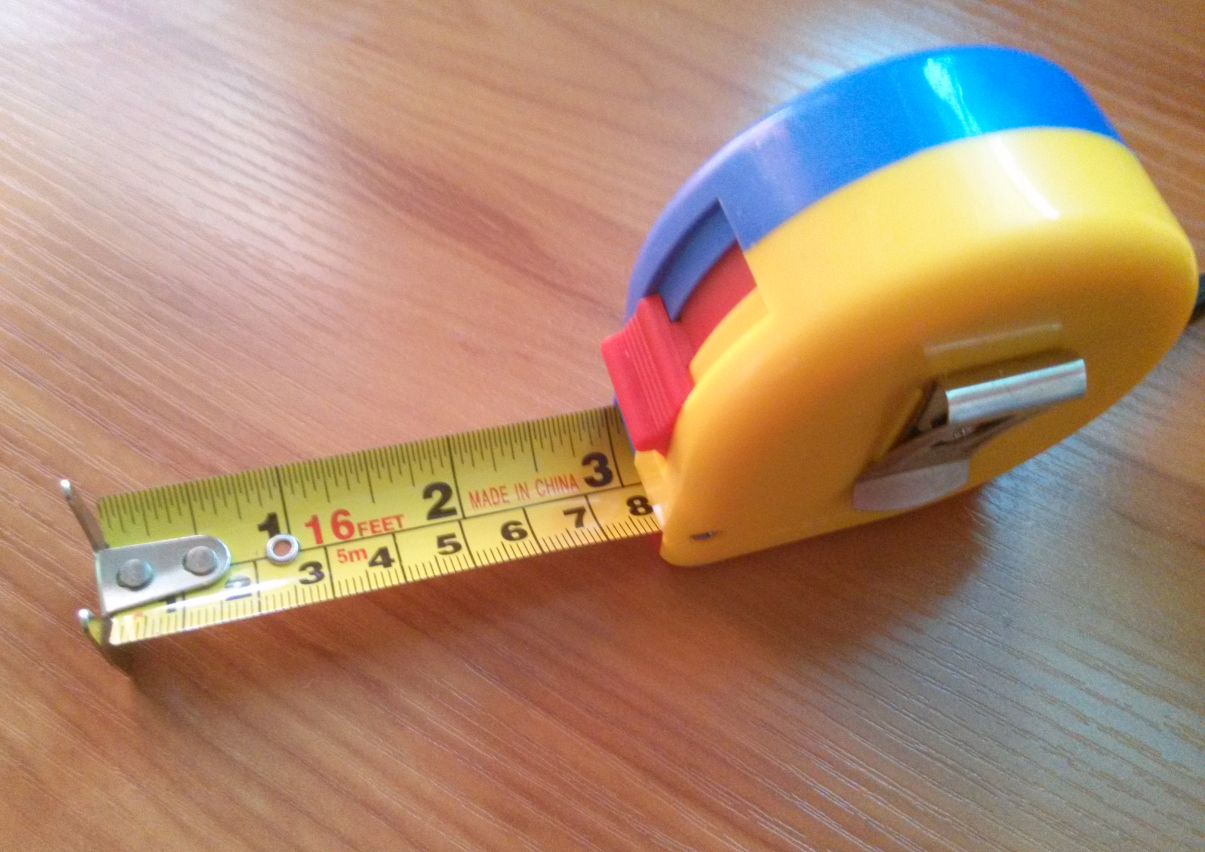
- The Blade (Tape): Standard professional blades are stamped from 50# or 60# carbon steel. The width of the blade (typically 16mm, 19mm, 25mm, or 32mm) and its concave profile dictate the "standout"—the distance the tape can be extended before it bends. A premium 25mm blade should achieve a standout of at least 2.1 to 2.4 meters. Furthermore, the coating is critical. Standard clear lacquer wears off quickly; professional tools require a nylon extrusion or Mylar coating to resist abrasion and prevent the printed increments from scratching off.
- The Retraction Spring: This is the heart of the tool. High-quality manufacturers use 65Mn (Manganese) steel for the recoil spring. Inferior carbon steel springs will lose their temper, resulting in tapes that fail to retract fully after a few hundred uses.
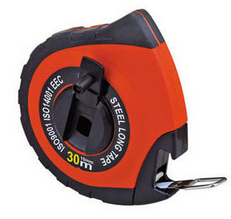
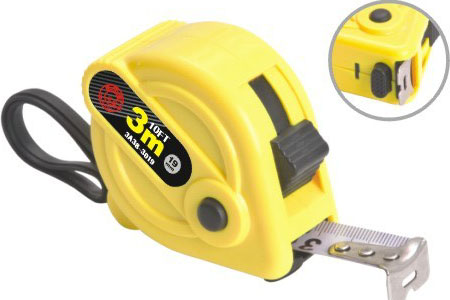
- The Case & Locking Mechanism: Casing dictates drop survival. Promotional tapes use rigid, often recycled, ABS plastic. Professional models utilize virgin ABS co-molded with TPR (Thermoplastic Rubber) to absorb impact. The locking button must engage a reliable friction pad that holds the blade securely without scraping off the printed numbers.
| Feature | Promotional Grade | Professional Grade |
|---|---|---|
| Blade Coating | Clear lacquer | Nylon extrusion or Mylar |
| Spring Material | Standard carbon steel | 65Mn Manganese steel |
| Case Material | Recycled ABS | Virgin ABS + TPR over-mold |
| Accuracy Standard | Uncertified / Class III | MID Class II or JIS |
Need to match a specific brand's standout and durability specs? We can identify the right factory and manage the technical negotiations for your order.
Talk to our teamManufacturing Quality Control & Accuracy Standards
Tape measures are measuring instruments, meaning regulatory compliance and precision are paramount, especially if you are importing into Europe or Japan. In the EU, tape measures are governed by the Measuring Instruments Directive (MID). Most professional hand tools are calibrated to MID Class II, which allows a maximum tolerance of just 0.7mm over a 3-meter length.
Achieving this requires highly precise rotary printing machines at the factory level. If the steel stretches slightly during the printing process, the entire batch will fail calibration. This is why conducting thorough factory audits is essential before placing an order; you must verify that the supplier actually possesses the laser calibration equipment they claim to have.
Once production begins, rigorous quality control and inspection protocols must be enforced on the factory floor to catch drift in printing alignment or assembly errors before the goods are containerized.
Critical QC Checks for Tape Measures
- Retraction lifecycle testing (minimum 5,000 cycles without spring failure)
- Standout verification based on blade width and thickness
- Drop testing (typically 1.5 meters onto concrete, checking case and lock integrity)
- Calibration and printing accuracy verification over the full length of the tape
- Lock mechanism slippage testing under tension
OEM/ODM Production, MOQs, and Lead Times
If you are building a private-label brand, tape measures offer excellent customization opportunities. However, the level of customization heavily impacts your Minimum Order Quantity (MOQ) and initial tooling costs.
Basic private labeling (applying your logo to an existing factory case mold and customizing the blade sticker) generally requires an MOQ of 3,000 to 5,000 pieces per size. If you want to design a completely unique ergonomic case, you will need full OEM/ODM production support. This requires opening new steel injection molds for the ABS and TPR components, which adds upfront tooling costs and extends the initial lead time by 30 to 45 days.
Planning a new hardware line? Let's discuss pricing, MOQs, and tooling costs for your custom tape measures.
Get a free consultationFrequently Asked Questions
Successfully sourcing tape measures requires looking past the external casing and focusing on the metallurgy, coatings, and calibration standards of the factory. By partnering with a sourcing expert, you can ensure your specifications are strictly adhered to, protecting your brand's reputation in the hands of the end user.
Get Sourcing Help for Tape Measures
Tell us your requirements and our experts will connect you with verified manufacturers.