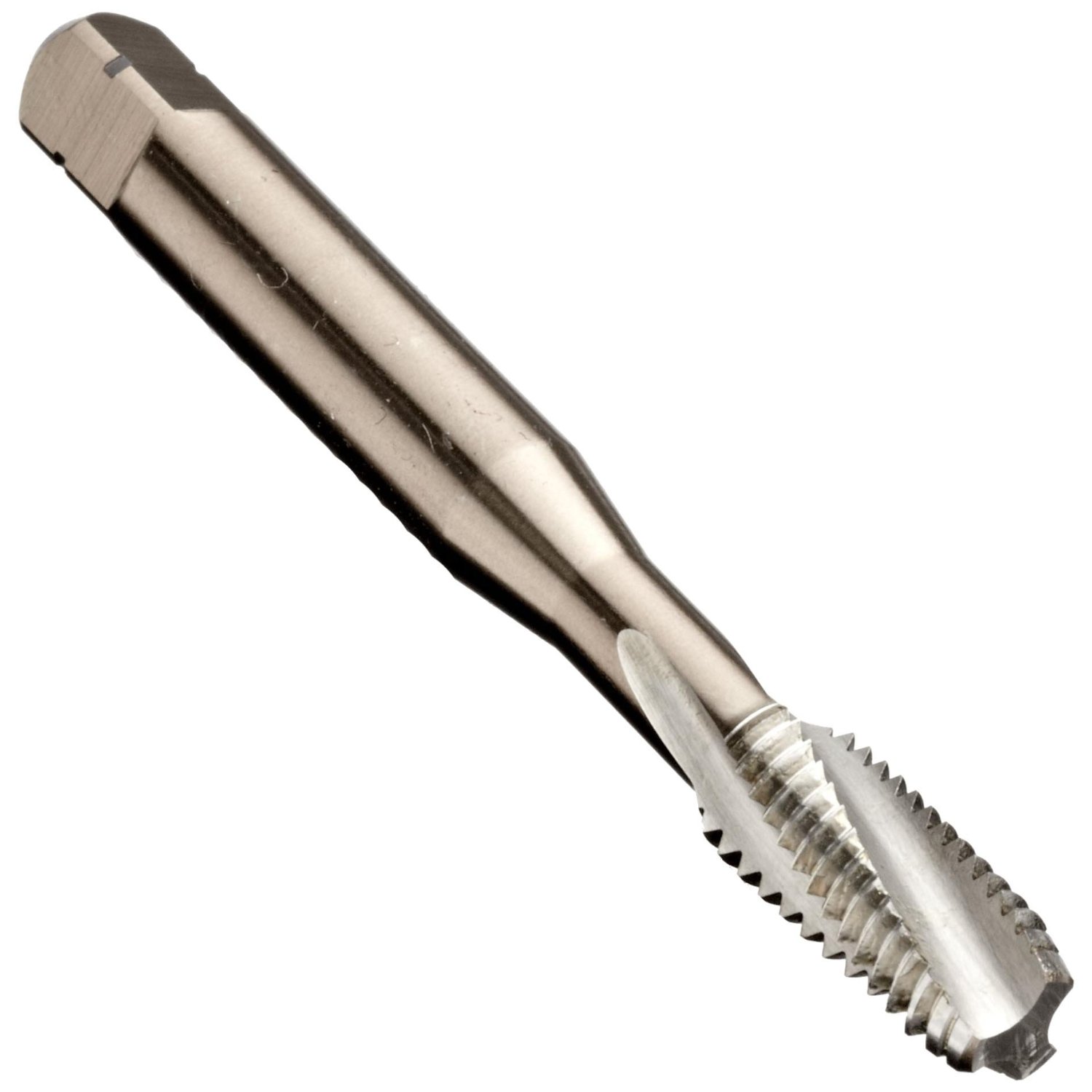
Tap & Die Sets
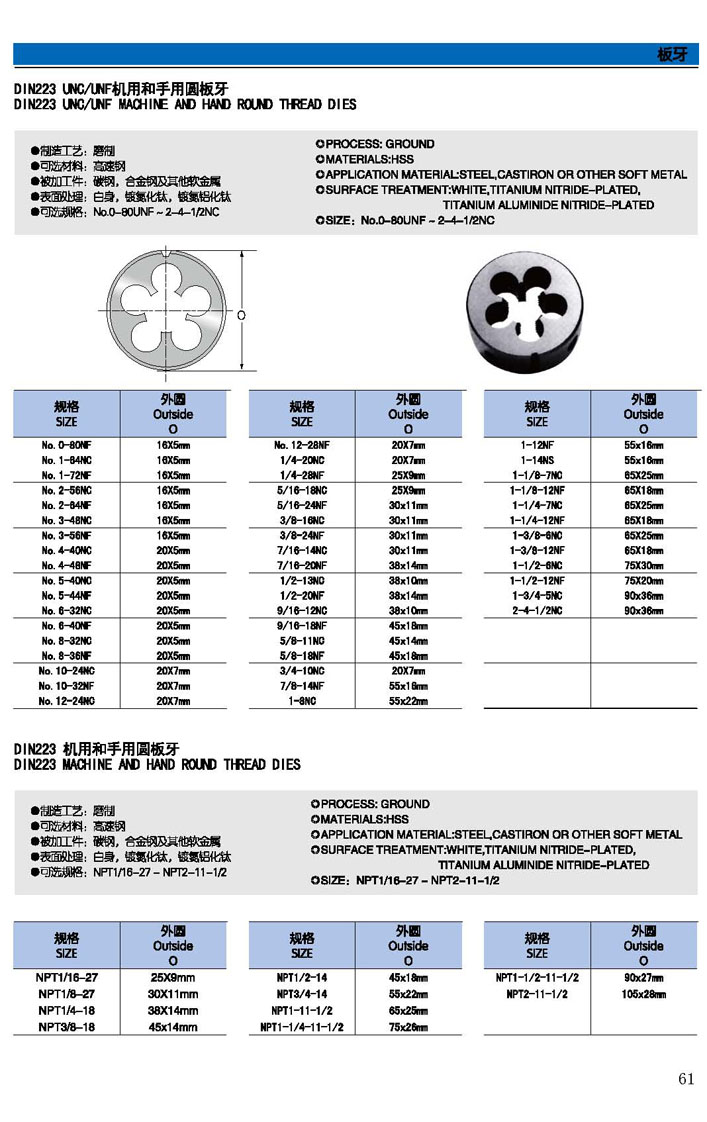
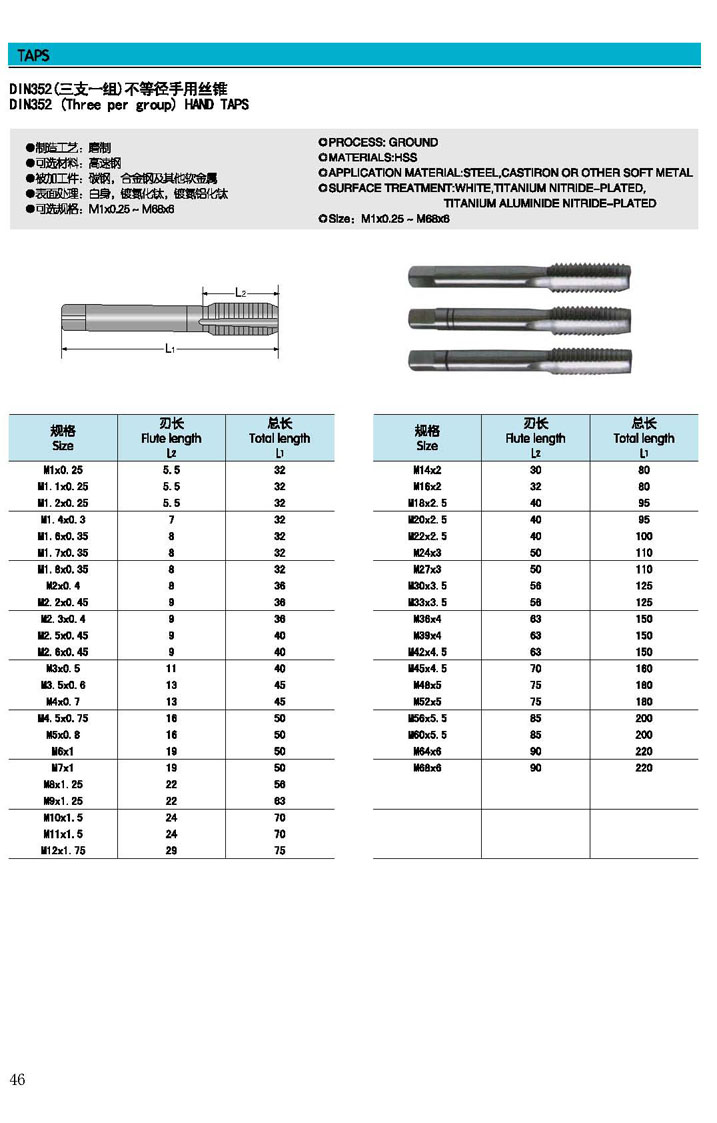
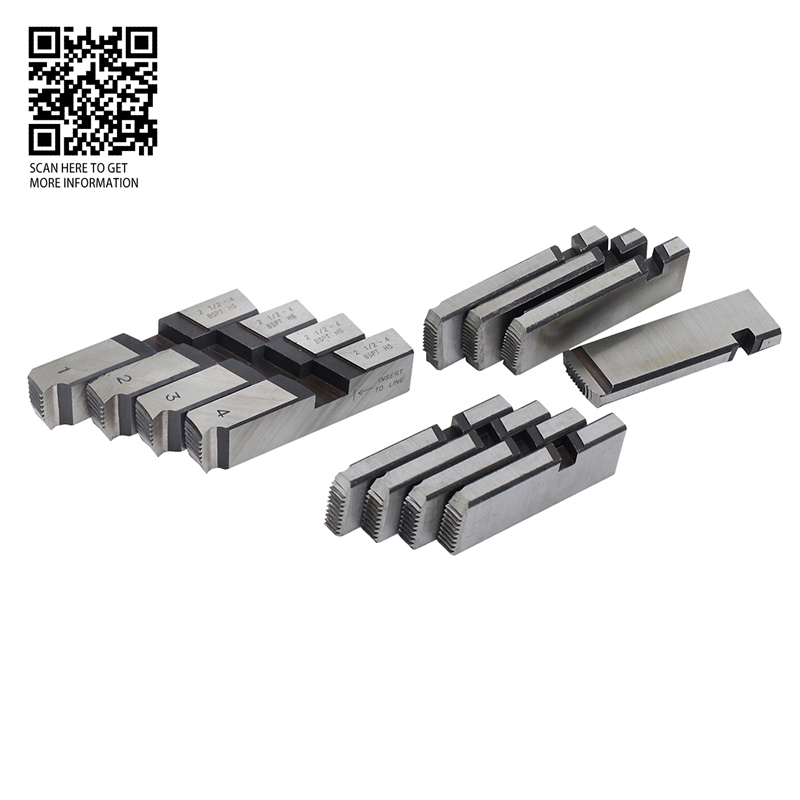
Source wholesale Tap & Die Sets from vetted manufacturers and suppliers. Designed for importers, industrial distributors, and hardware brands seeking reliable OEM and private-label production. Find bulk pricing on precision-machined threading tools built for automotive, manufacturing, and trade applications.
Sourcing tap and die sets in volume requires a strict balance between material hardness, thread precision, and unit cost. For industrial distributors and tool brands, the difference between a high-margin professional tool and a high-return consumer liability comes down to the manufacturer's heat treatment consistency and machining tolerances. Navigating the supplier landscape means identifying factories with the right in-house capabilities rather than just assemblers.
Material Selection and Heat Treatment
The foundational quality of any threading tool is its material. Factories typically offer three tiers of steel, each catering to different market segments. The critical factor is not just the alloy, but how the factory handles the heat treatment process. Inconsistent quenching or tempering leads to brittle teeth that snap under torque or soft threads that deform during use.
| Material Grade | Typical Hardness (HRC) | Primary Application |
|---|---|---|
| Carbon Steel | 45-50 | Light DIY, soft plastics, and wood |
| Alloy Steel (e.g., 9SiCr) | 58-62 | General automotive repair, mild steel |
| High-Speed Steel (HSS M2/M35) | 63-66 | Industrial machining, stainless steel, hard alloys |
When evaluating a new supplier, verifying their heat treatment facility is essential. Many smaller workshops outsource this step, leading to batch-to-batch inconsistencies. Conducting thorough Factory Audits ensures the supplier maintains strict temperature controls and has the metallurgical testing equipment necessary to guarantee hardness specifications.
Need to verify the manufacturing capabilities of a potential tool supplier?
Talk to our teamQuality Control and Thread Accuracy
A tap or die is only useful if it cuts a thread that meets international standards (such as Metric, UNC, UNF, or NPT). Factories must machine these tools to specific tolerance classes (e.g., 6H for metric taps). Poorly machined flutes or inaccurate thread pitches will ruin the workpiece, leading to immediate end-user complaints.
Implementing a rigorous Quality Control & Inspection protocol is non-negotiable for precision hand tools.
Critical QC Checks for Tap & Die Sets
- Hardness Testing: Verify HRC ratings on both the cutting edges and the tool shank.
- Thread Profile Projection: Use optical comparators to confirm thread pitch and angle tolerances.
- Flute Geometry: Ensure proper relief angles for efficient chip evacuation.
- Surface Finish: Check for uniform coatings (e.g., titanium nitride or black oxide) and rust prevention oil.
- Case Integrity: Test blow-molded or metal cases for latch durability and secure tool retention.
OEM Branding and Custom Configurations
Most B2B buyers require custom set configurations. A standard 40-piece or 110-piece set might not fit your specific market needs. Customizing the assortment of metric and imperial sizes, adding specialized thread pitch gauges, or upgrading the tap wrenches requires a factory willing to modify their standard packaging.
Using OEM/ODM Services allows you to dictate the exact tool mix, specify laser-etched branding on each piece, and design custom blow-molded cases that withstand shipping and job-site abuse. Note that custom case colors or embossed logos will trigger new mold fees if you deviate from the factory's existing shell designs.
MOQs, Lead Times, and Pricing Dynamics
Pricing for tap and die sets is highly sensitive to the steel grade and the total piece count per set. HSS sets will command a significant premium over alloy steel, often double or triple the cost per unit.
MOQs for standard sets in neutral colors usually sit around 500 units. If you require custom blow-molded case colors (like a specific brand red or yellow), factories typically raise the MOQ to 1,000 sets to justify the plastic injection run.
Optimize your procurement strategy and negotiate better terms with vetted tool manufacturers.
Get a free consultationFrequently Asked Questions
Successfully sourcing tap and die sets requires looking past the glossy catalog photos to understand the metallurgy and machining precision behind the tools. By setting strict material standards and enforcing rigorous pre-shipment inspections, you can build a highly profitable, reliable hand tool category.
Get Sourcing Help for Tap & Die Sets
Tell us your requirements and our experts will connect you with verified manufacturers.