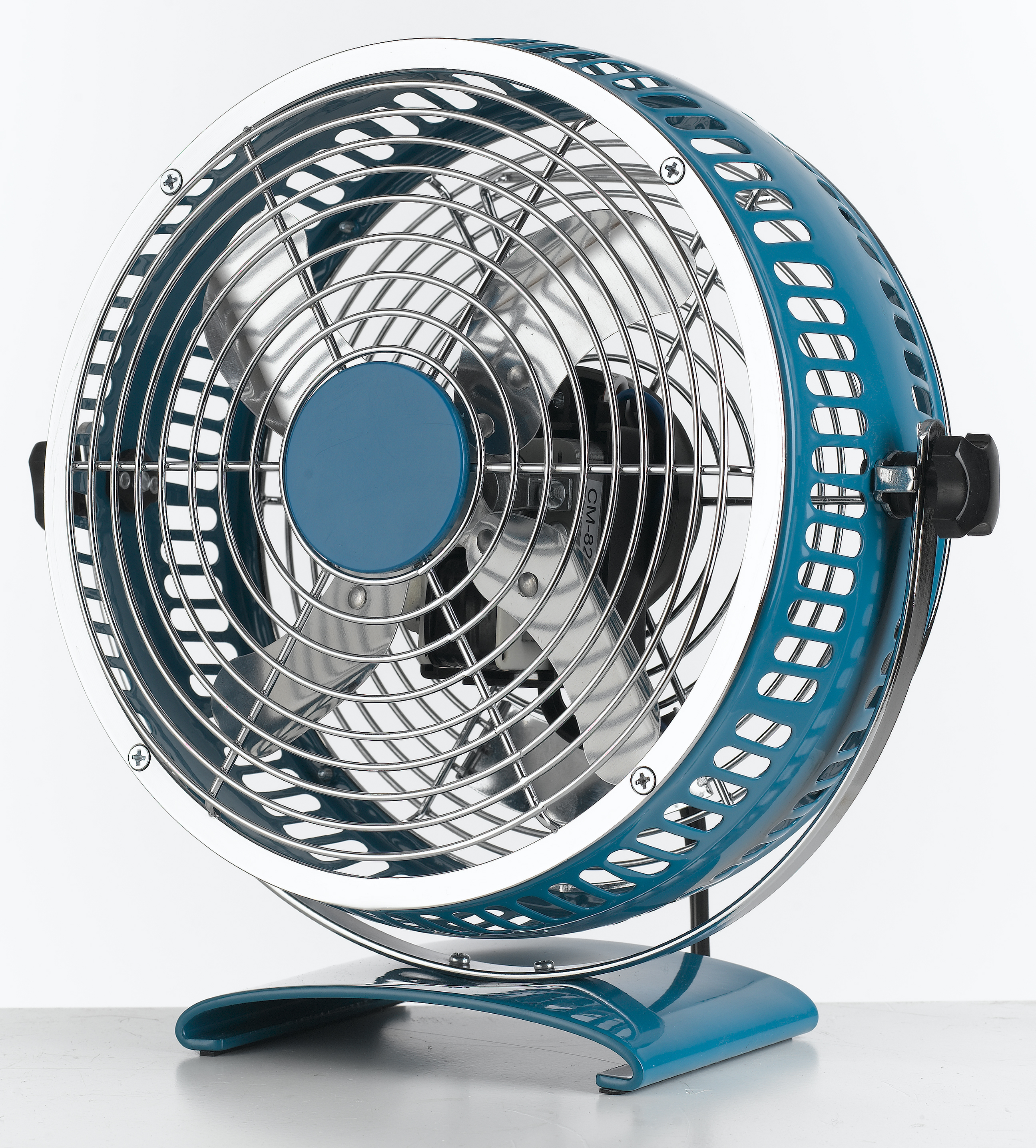
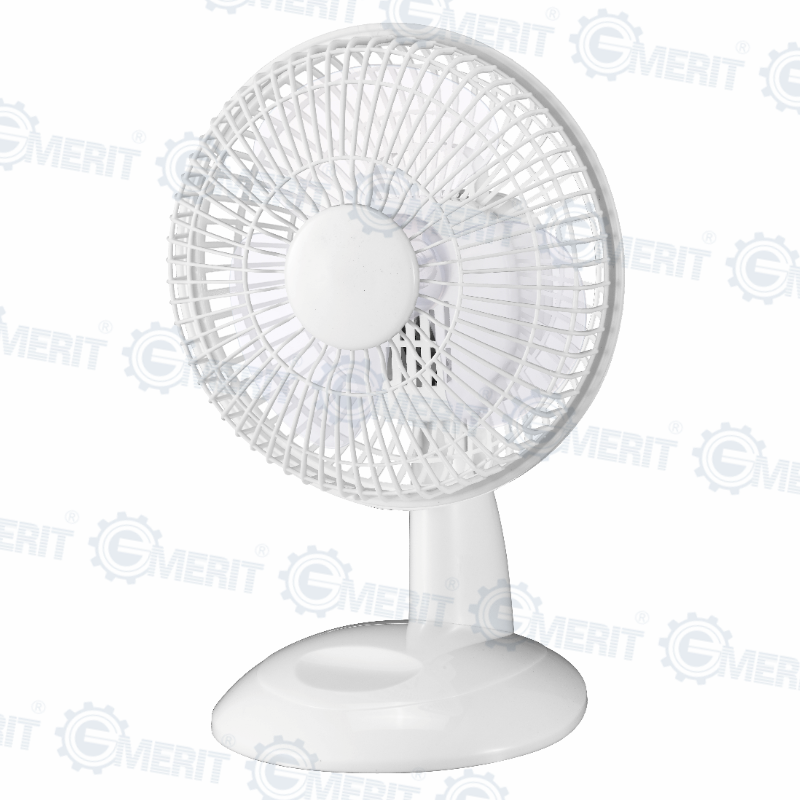
Table Fans
Source reliable table fans in bulk directly from vetted Chinese manufacturers. This catalog is designed for importers, distributors, and brands seeking high-quality OEM and private-label production. Compare factory-direct pricing and specifications to scale your supply chain with confidence.
Sourcing table fans at scale requires balancing cost constraints with long-term reliability. The difference between a profitable, high-volume SKU and a costly recall usually comes down to strict component selection—specifically motor winding materials, plastic resin grades, and the durability of the oscillation mechanism.
Motor Specifications and Component Selection
The motor is the primary cost driver and the heart of any table fan. When negotiating with manufacturers, you must explicitly define the motor specifications rather than accepting off-the-shelf defaults.
The first decision is choosing between AC (Alternating Current) and DC (Direct Current) motors. While AC motors dominate the budget and mid-tier markets due to lower manufacturing costs, DC motors are increasingly requested for premium lines because they consume up to 70 percent less energy and operate at significantly lower decibel levels.
Crucially, buyers must specify the motor winding material. 100 percent copper windings offer superior thermal resistance, electrical conductivity, and longevity. To cut costs, many factories default to Copper-Clad Aluminum (CCA). While CCA can be used for budget lines, it is prone to overheating and has a significantly shorter lifespan under continuous load.
| Motor Type | Cost Profile | Energy Efficiency | Typical Noise Level | Lifespan Expectancy |
|---|---|---|---|---|
| Standard AC Motor | Lower | Moderate | 45 to 55 dB | 2 to 4 Years |
| Brushless DC Motor | Higher | High (up to 70% savings) | 35 to 45 dB | 5 to 8 Years |
Ensure your supplier has the engineering capability and raw material access to meet your exact motor specifications before tooling begins.
Talk to our teamManufacturing Quality and Materials
The perceived quality of a table fan is dictated largely by the plastic injection molding process. High-end models typically utilize ABS (Acrylonitrile Butadiene Styrene) for the housing, which provides a premium finish, color stability, and high impact resistance. Budget models often substitute this with PP (Polypropylene), which is more brittle and prone to discoloration over time. For transparent fan blades, AS (Acrylonitrile Styrene) or PC (Polycarbonate) are the industry standards.
On the assembly line, blade balancing is a critical failure point. Unbalanced blades cause severe vibration, excess noise, and premature wear on the motor bearings. Verifying a factory's injection molding precision and assembly line protocols is best handled through comprehensive Factory Audits before placing high-volume orders.
Critical QC Checks for Table Fans
- Hipot (High Potential) testing to ensure electrical insulation integrity.
- Dynamic blade balancing tests to verify vibration remains under standard thresholds.
- Oscillation stress testing (minimum 48-hour continuous run) to check gear durability.
- Drop testing of retail packaging to ensure housing and grills do not crack in transit.
- Decibel meter testing in a soundproof chamber to verify noise claims.
To catch housing defects or unbalanced blades before containers are loaded, implementing strict in-line and pre-shipment Quality Control & Inspection is essential.
Compliance and Safety Certifications
Table fans are heavily regulated electrical appliances. Importing non-compliant units can result in customs seizures or severe liability issues.
For the North American market, UL or ETL certification is mandatory (specifically UL 507 for electric fans). For the European Union, CE marking (covering the Low Voltage Directive and Electromagnetic Compatibility) alongside RoHS compliance is required. Never accept outdated, supplier-provided PDF certificates at face value; always verify documentation and arrange independent Compliance & Testing to ensure the specific components used in your production run match the certified prototype.
Buying Mechanics: MOQs, Pricing, and Lead Times
Pricing for table fans fluctuates based on copper and plastic resin commodity prices, as well as the complexity of the tooling. Standardizing your supply chain requires a clear understanding of typical factory parameters.
If you are developing a proprietary design rather than white-labeling an existing factory mold, utilizing professional OEM/ODM Services ensures that your intellectual property is protected and that the factory's engineering team accurately translates your CAD files into production-ready molds.
Negotiating MOQs and managing production schedules across multiple suppliers? Let us streamline your procurement and logistics.
Get a free consultationA reliable table fan supply chain relies on strict specification control and rigorous pre-shipment testing. Leaving motor winding materials and plastic resin grades up to the factory's discretion inevitably leads to margin-eroding defects. By defining these parameters early and enforcing them through routine inspections, buyers can secure consistent quality at scale.
Get Sourcing Help for Table Fans
Tell us your requirements and our experts will connect you with verified manufacturers.