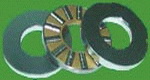
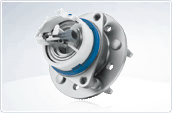
Suspension Strut Bearings
Source high-quality suspension strut bearings from vetted suppliers and manufacturers across Asia. Designed for automotive importers, aftermarket distributors, and brands seeking reliable OEM production, our network delivers bulk manufacturing with strict quality control.
Suspension strut bearings are high-stress, precision components critical to the McPherson strut assembly. They must support the vehicle's weight while allowing the shock absorber to rotate smoothly with the steering axis. For bulk buyers, the primary sourcing challenge lies in identifying manufacturers who can consistently balance load-bearing capacity, low-friction operation, and robust environmental sealing without compromising unit economics.
Technical Specifications and Material Selection
The performance and longevity of a strut bearing depend entirely on the materials used in the housing, raceways, and internal components. When negotiating with manufacturers, specifying the exact material grades is non-negotiable.
Housing and Polymer Components
Most modern strut bearings utilize a specialized polymer housing rather than stamped steel to reduce weight and prevent corrosion. The industry standard is Polyamide 66 reinforced with 30 to 35 percent glass fiber (PA66+GF30/GF35). If a supplier uses unreinforced plastics or recycled regrind, the housing will deform under dynamic load, leading to premature failure and severe NVH (Noise, Vibration, Harshness) issues.
Rolling Elements and Raceways
For rolling-element bearings, the steel balls and raceways must be hardened to withstand continuous impact. High-carbon chromium bearing steel (GCr15) is standard. Ensure the supplier specifies the precision grade of the steel balls (e.g., Grade 10 or Grade 16) and heat-treatment processes that achieve a surface hardness of HRC 60-64.
| Specification | Rolling (Ball) Bearing | Sliding (Friction) Bearing |
|---|---|---|
| Primary Application | Heavy passenger vehicles, SUVs | Lightweight compact cars |
| Friction Coefficient | Very low | Moderate |
| Load Capacity | High dynamic load | Moderate static/dynamic load |
| Cost Profile | Higher per unit | Lower per unit |
Need help identifying manufacturers capable of meeting strict automotive OEM standards? Let our sourcing experts evaluate your technical requirements.
Talk to our teamManufacturing Quality and Defect Prevention
A factory’s capability is best judged on the production floor. The assembly of strut bearings requires strict environmental controls to prevent contamination before the unit is sealed. When conducting Factory Audits, pay close attention to the greasing and sealing stations.
Critical Quality Control Checkpoints
Strut Bearing Factory QC Checklist
- Grease Application: Is automated dispensing used to ensure the exact volume and distribution of high-performance lithium or polyurea grease?
- Seal Integrity: Are NBR (Nitrile) or HNBR seals tested for lip pressure and interference fit to prevent water and grit ingress?
- Raceway Grinding: Do they use CNC grinding machines to ensure the raceway curvature matches the ball diameter precisely?
- End-of-Line Testing: Is there 100% rotational torque testing to catch units with binding or excessive friction?
Subpar greasing is a leading cause of aftermarket returns. If the factory relies on manual grease application, inconsistencies will lead to dry spots, rapid wear, and steering binding. Implementing strict Quality Control & Inspection protocols before shipment is critical to catching these hidden defects.
Pricing, MOQs, and Production Realities
The automotive aftermarket is highly competitive, and strut bearing pricing is heavily influenced by order volume, material specifications, and tooling requirements.
When sourcing for a private label, leveraging OEM/ODM Services allows you to customize the housing design, grease formulation, and packaging. Note that if you require a proprietary housing shape, you will need to amortize the injection mold tooling costs over your first few production runs. Standard aftermarket replacements utilizing existing factory molds avoid these setup fees, though you must still verify that the factory's existing tooling has not degraded from overuse.
Struggling with high MOQs or inconsistent pricing across your suspension catalog? We can help consolidate your supply chain and negotiate better terms.
Get a free consultationBuyer FAQ
Successfully sourcing suspension strut bearings requires looking past the unit price and scrutinizing the factory's material controls and assembly automation. A bearing that fails in the field costs exponentially more in warranty claims and brand damage than the few cents saved on lower-grade polymer or manual assembly. Focus on suppliers who can prove their internal testing capabilities and maintain strict environmental controls during assembly.
Get Sourcing Help for Suspension Strut Bearings
Tell us your requirements and our experts will connect you with verified manufacturers.