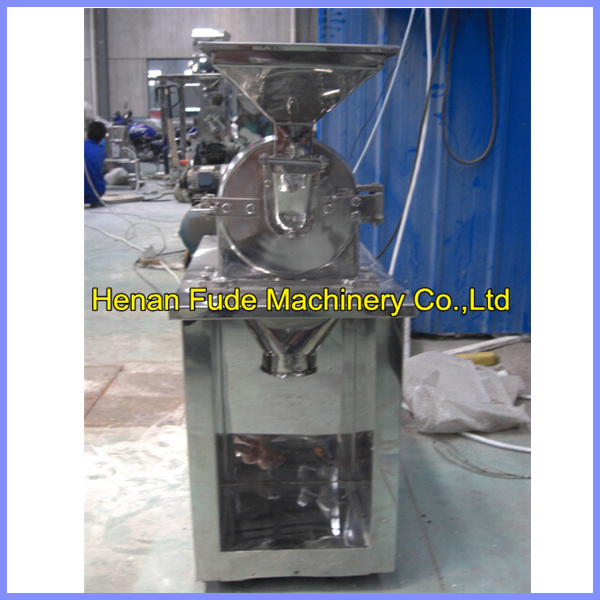
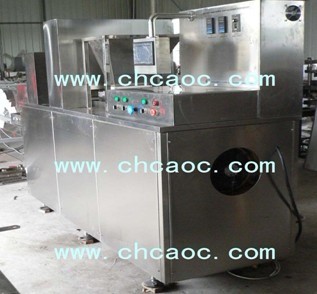
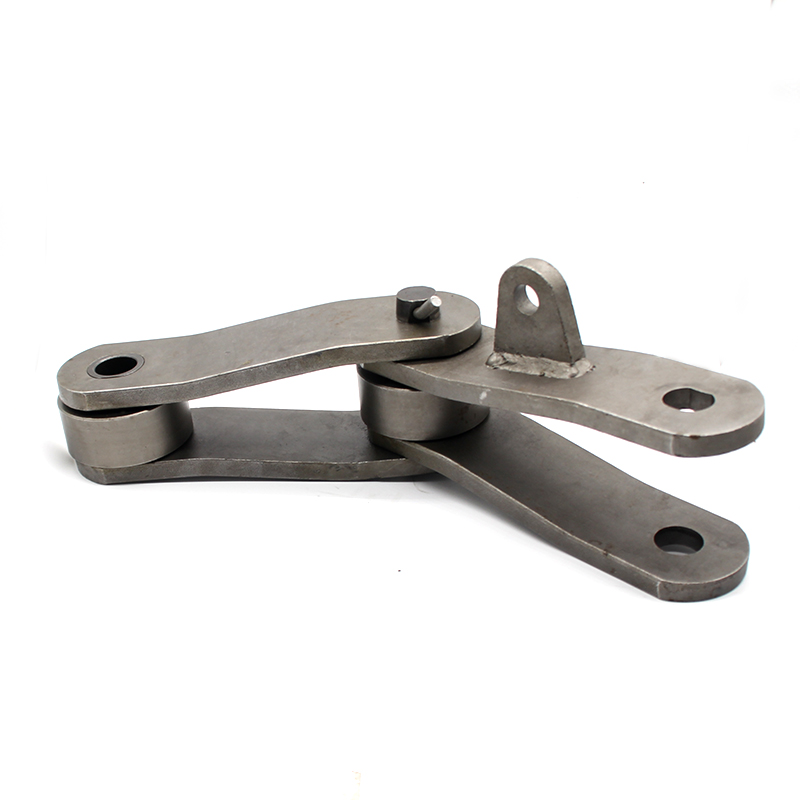
Sugar & Salt Processing Machines
Source industrial-grade Sugar & Salt Processing Machines from vetted suppliers and manufacturers. Designed for food processing importers, equipment distributors, and brands seeking OEM production, our catalog offers bulk pricing on reliable, high-capacity machinery built to withstand corrosive processing environments.
Procuring industrial machinery for sugar and salt processing presents unique engineering challenges. Unlike standard food handling equipment, machines processing these crystalline structures must withstand severe abrasion, high corrosion rates, and the pervasive risk of combustible dust. For importers and procurement managers, sourcing reliable equipment from Asian manufacturers requires looking past surface-level specifications to verify metallurgy, sealing integrity, and electrical safety compliance.
Critical Specifications: Metallurgy and Sealing
The primary failure points in seasoning processing equipment are corrosion (specifically from salt) and abrasive wear on moving parts. Specifying the correct materials during the quoting phase is critical to ensuring a viable lifespan for the machinery.
| Specification | Sugar Processing | Salt Processing |
|---|---|---|
| Contact Material | SUS304 standard; SUS316L optional | SUS316L mandatory (high chloride resistance) |
| Surface Finish | Ra ≤ 0.8 μm (food grade) | Ra ≤ 0.4 μm (prevents micro-pitting) |
| Motor Sealing | IP54 to IP65 | IP65 or higher (dust and washdown proof) |
| Dust Extraction | Explosion-proof (ATEX) highly recommended | Standard dust collection sufficient |
Combustible Dust Hazards
Fine sugar dust suspended in the air is highly combustible. When sourcing milling or grinding machinery for sugar, ensure the factory can provide explosion-proof motors and anti-static filter bags that comply with ATEX or equivalent regional safety directives.
Need help verifying technical specifications and factory capabilities for your next equipment order?
Talk to our teamEvaluating Manufacturers and Production Quality
The Chinese industrial machinery market ranges from basic assembly workshops to advanced engineering firms capable of tight-tolerance fabrication. When evaluating a potential supplier, the quality of their welding and component sourcing tells you more than their marketing materials.
Relying on comprehensive Factory Audits is the most effective way to verify a manufacturer's true capabilities before placing a deposit.
Key Factory Inspection Checkpoints
- Welding Quality: Look for continuous, argon-arc TIG welding. Spot welding is unacceptable for salt/sugar hoppers as it creates crevices for corrosion.
- Component Provenance: Verify that PLCs, inverters, and motors are genuine international brands (e.g., Siemens, Schneider, ABB) rather than unbranded local alternatives.
- Machining Tolerances: Check the clearance between screw conveyors and tubes; excessive gaps lead to product degradation and jamming.
- Testing Facilities: The factory must have the capability to run the machine under load with actual product before shipment.
Customization and Line Integration
Most bulk buyers require machinery that integrates into existing production lines. Whether you are an equipment distributor looking to white-label standard models or a food processing facility needing specific hopper dimensions, working with a factory that offers robust OEM/ODM Services is essential.
Ensure the manufacturer's engineering team can provide detailed CAD drawings and electrical schematics prior to production. PLC integration is often a sticking point; specify your required communication protocols (such as Modbus or Profinet) early in the negotiation to avoid compatibility issues on the factory floor.
Pricing Drivers, MOQs, and Lead Times
Industrial processing machines are capital expenditures, and pricing is highly dependent on the chosen materials and automation levels.
- Minimum Order Quantities (MOQs): For large industrial units (e.g., industrial grinders, industrial mixers), the MOQ is almost always 1 set. For smaller, semi-automatic filling or dosing machines, factories may require an MOQ of 3 to 5 units for custom branding.
- Pricing Drivers: Upgrading from SUS304 to SUS316L stainless steel typically increases the equipment cost by 15 to 25 percent. Integrating high-end European PLCs and servos will also command a premium over domestic Chinese electrical components.
- Lead Times: Standard machines typically require 25 to 40 days for production. Highly customized OEM lines or complex automated systems often take 60 to 90 days.
Always schedule thorough Quality Control & Inspection prior to container loading. Once a heavy machine is shipped, returning it for modifications is financially unviable.
Looking to standardize your equipment sourcing and secure better pricing?
Get a free consultationSourcing industrial food processing machinery requires balancing strict sanitary standards with rugged durability. By focusing on precise metallurgical specifications, verifying component authenticity, and demanding rigorous pre-shipment testing, you can secure high-performance equipment that delivers a rapid return on investment.
Get Sourcing Help for Sugar & Salt Processing Machines
Tell us your requirements and our experts will connect you with verified manufacturers.