Stoves
Source premium stoves from vetted suppliers and manufacturers across Asia. Designed for importers, wholesalers, and brands seeking reliable OEM and private-label production, our network delivers high-volume heating solutions built to strict market compliance and efficiency standards.
Sourcing stoves in commercial volumes requires balancing thermal efficiency, stringent emissions regulations, and durable construction. Whether you are importing heavy-duty cast iron wood burners, modern pellet stoves, or multi-fuel heating units, securing a manufacturer capable of meeting international compliance standards is critical. A substandard stove doesn't just result in poor heating performance; it risks customs seizures, failed emissions audits, and severe product liability issues.
Core Specifications and Engineering
When negotiating with a factory, precise technical specifications dictate both the unit cost and the target market viability. Heating capacity (measured in kW or BTUs), thermal efficiency percentages, and particulate matter emissions are the primary drivers of a stove's design.
| Material Profile | Thermal Retention | Tooling Investment | Typical Application |
|---|---|---|---|
| Cast Iron | Excellent (radiates heat long after extinguishing) | High (requires expensive sand casting molds) | Traditional wood stoves, premium heating tier |
| Cold-Rolled Steel | Moderate (heats up quickly, cools quickly) | Lower (cut, folded, and welded) | Modern convection stoves, pellet stoves |
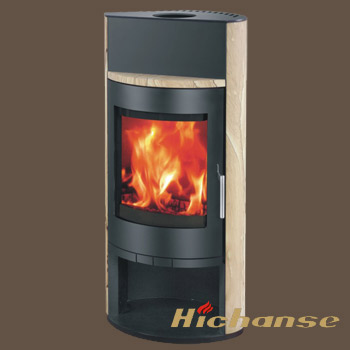
| Soapstone Cladding | Superior (slow, steady heat release) | High (material sourcing and machining costs) | High-end decorative and high-efficiency models |
Beyond the primary body material, pay close attention to the internal combustion chamber. High-density refractory bricks (vermiculite or fireclay) are essential for maintaining the high internal temperatures required for secondary combustion, which burns off excess gases and reduces emissions.
Manufacturing Quality and Market Compliance
The global stove market is heavily regulated. In the US, the EPA Step 2 certification mandates particulate emissions of under 2.0 grams per hour for wood heaters. In Europe, the Ecodesign 2022 directive enforces strict limits on seasonal space heating energy efficiency, particulate matter (PM), organic gaseous compounds (OGC), and carbon monoxide (CO).
Factories must design stoves with advanced air-wash systems and secondary burn baffles to meet these standards. However, a compliant design is useless if factory-floor execution is poor. Inconsistent welding on steel stoves or poorly sealed cast iron joints will allow unregulated air into the firebox, destroying efficiency and causing the unit to fail independent compliance and testing.
Ensure your stove manufacturer meets strict EPA or Ecodesign emissions standards before you commit to a bulk order.
Talk to our teamCritical Factory Inspection Points
To prevent defective units from shipping, robust quality control must be implemented during and after production.
Stove QC Checklist
- Seal Integrity: Smoke bomb or pressure testing to ensure doors and joints are completely airtight.
- Weld Quality: Inspecting steel seams for continuous, slag-free welds to prevent thermal warping.
- Paint Curing: Verifying high-temperature paint (e.g., Senotherm) is properly applied to prevent flaking and excessive off-gassing during the first burn.
- Glass Tolerances: Checking that ceramic glass panels have adequate expansion gaps to prevent cracking under high heat.
- Mechanical Components: Testing air intake sliders, door latches, and hinges for smooth operation when hot.
Pricing, MOQs, and Production Lead Times
Stove manufacturing is highly seasonal, heavily material-dependent, and logistically demanding due to the weight and volume of the products. Engaging factory audits early in the year is crucial to secure production capacity before the pre-winter rush.
If you are developing a proprietary design, leveraging comprehensive OEM/ODM services allows you to control the combustion technology and aesthetic finishing. Keep in mind that custom enamel finishes on cast iron require specialized, high-rejection-rate manufacturing processes, which will increase both unit cost and lead times.
Need to negotiate MOQs, manage heavy freight, or develop custom tooling for a new stove line?
Get a free consultationBuyer FAQ
Successfully importing stoves requires more than finding a competitive price per unit. It demands rigorous validation of a factory's engineering capabilities, emissions compliance, and quality control processes. Partnering with a sourcing expert ensures your heating products arrive on time, fully certified, and built to last.
Get Sourcing Help for Stoves
Tell us your requirements and our experts will connect you with verified manufacturers.