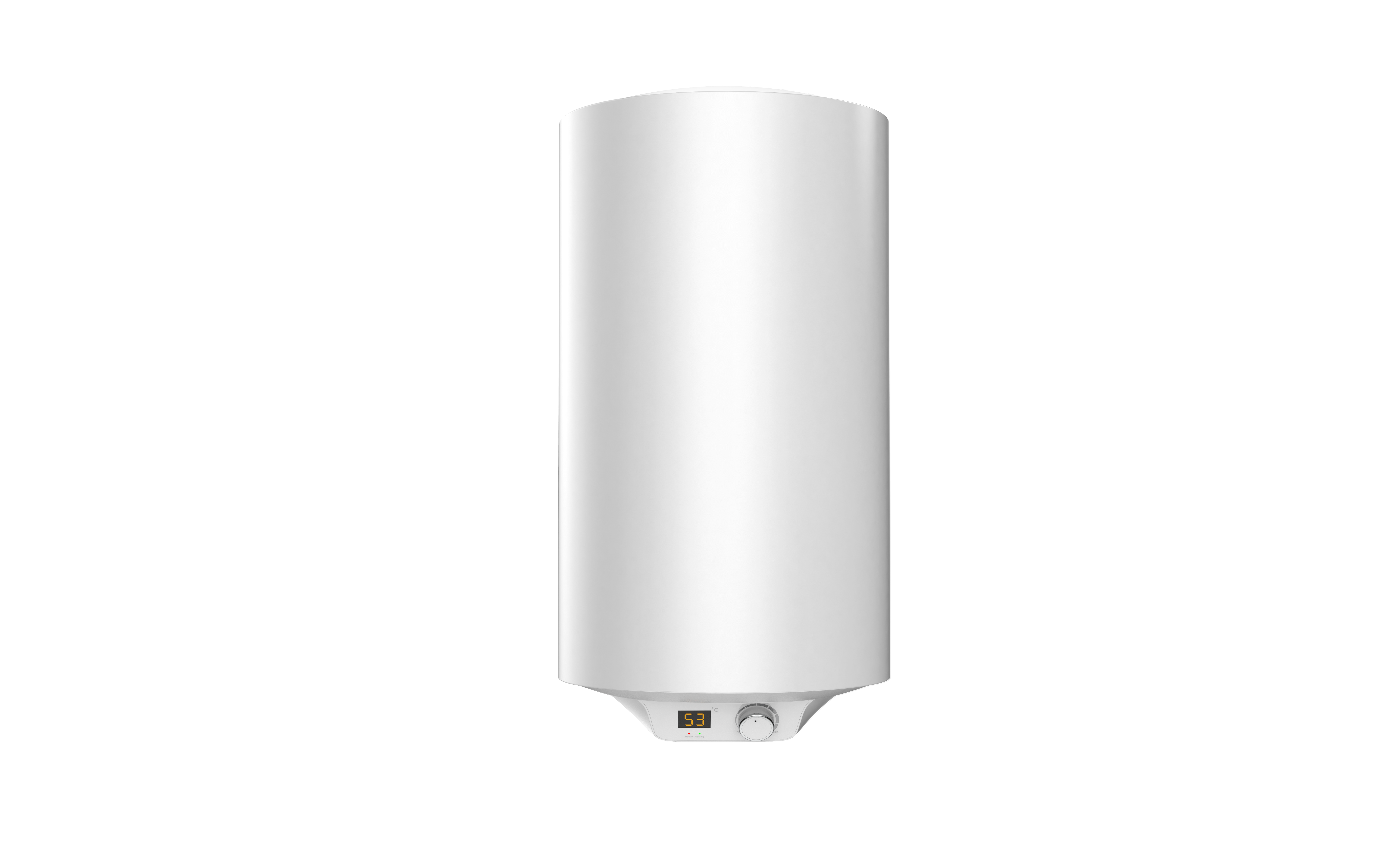
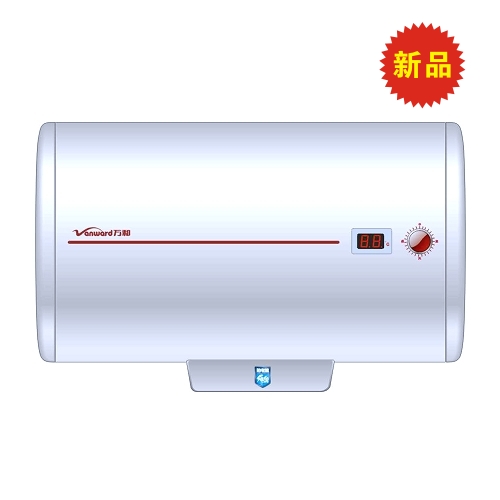
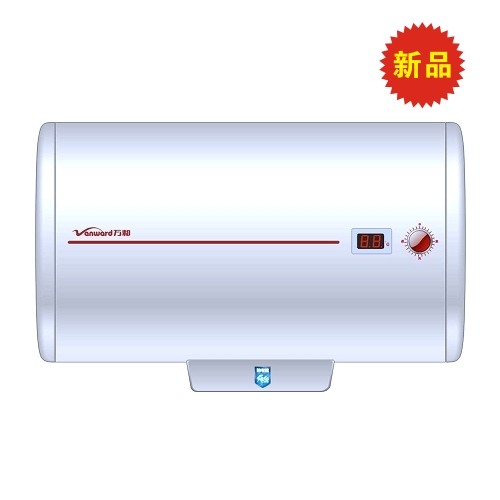
Storage Electric Water Heaters
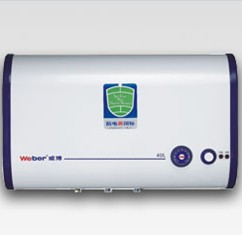
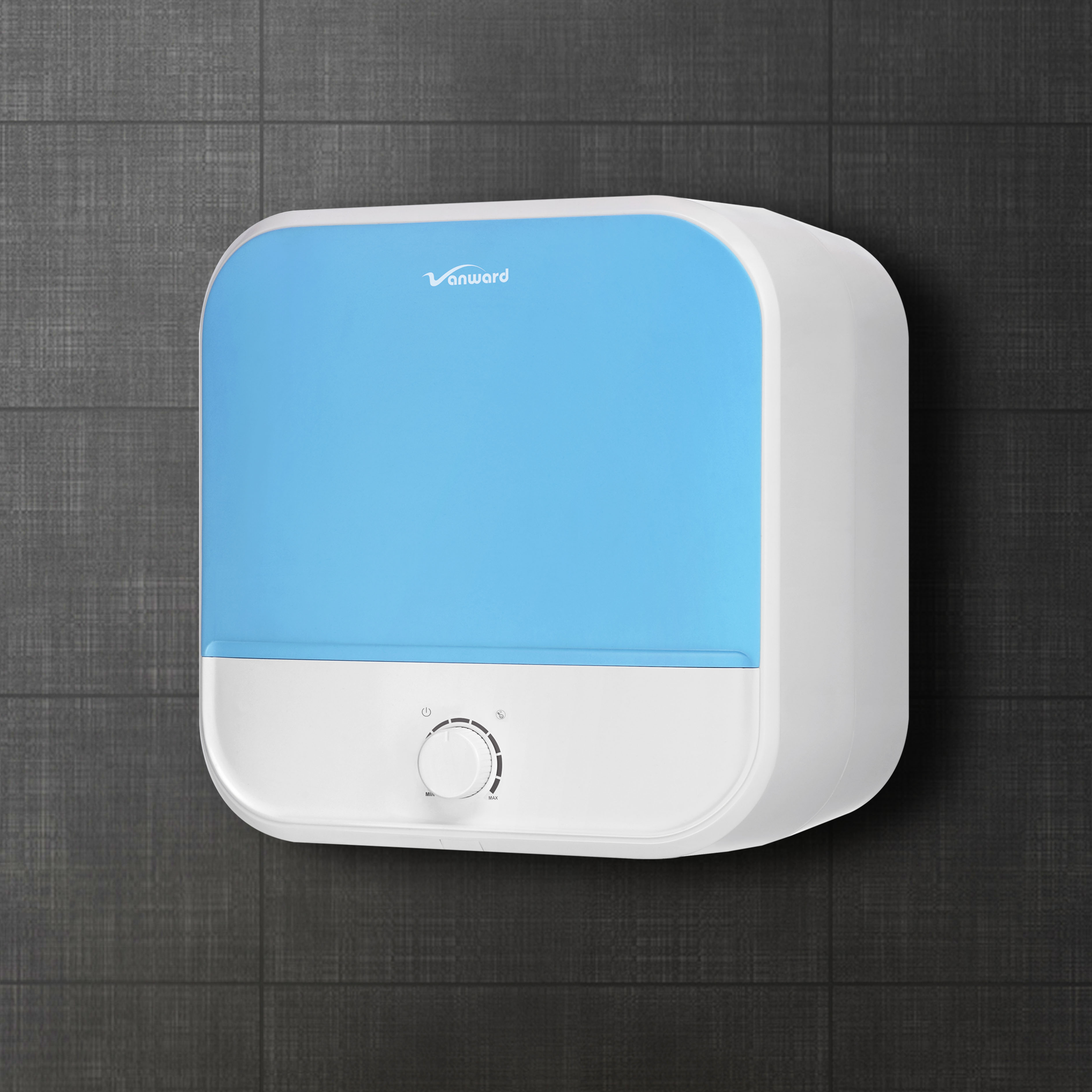
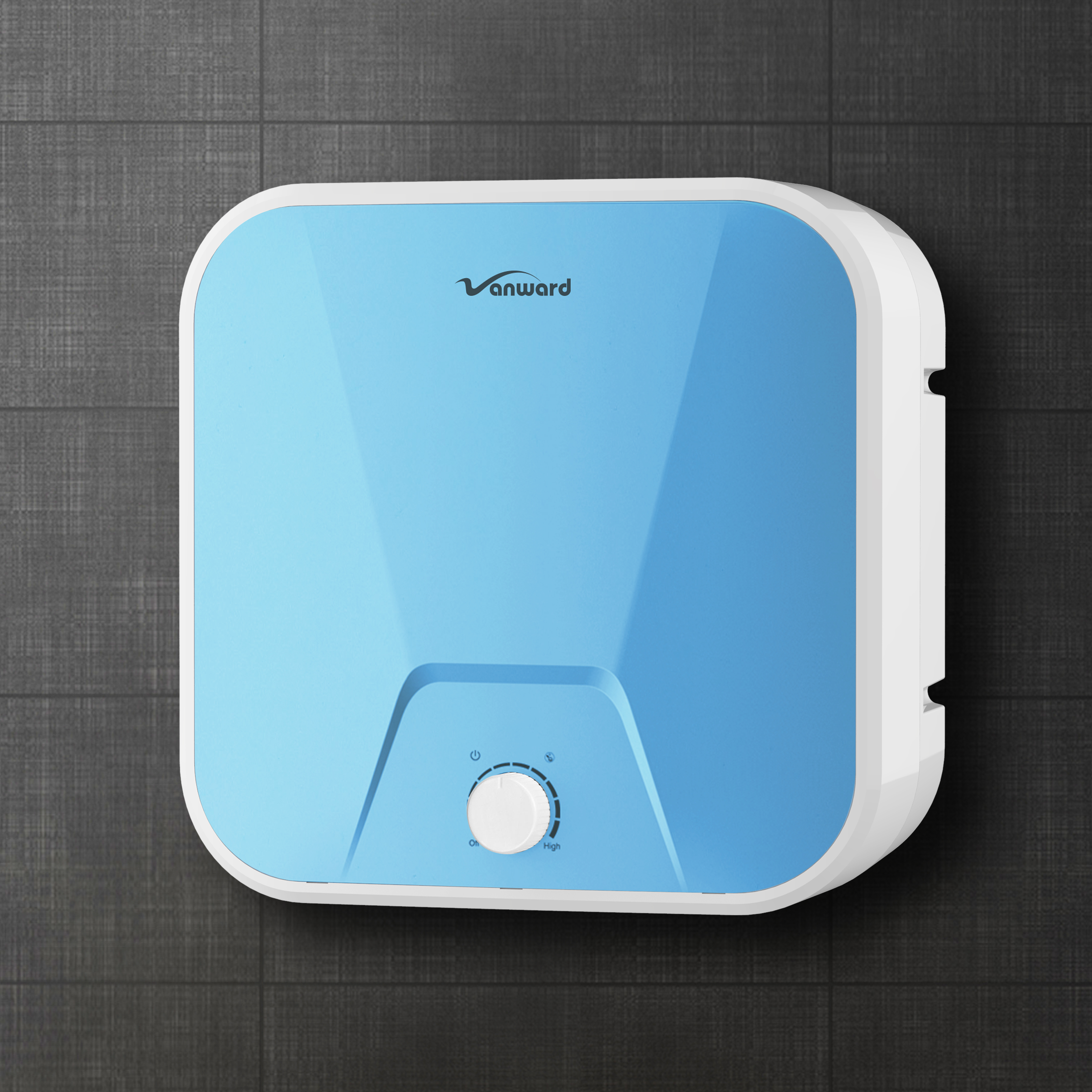
Source bulk storage electric water heaters from vetted manufacturers and suppliers across Asia. Designed for importers, regional distributors, and appliance brands requiring reliable OEM and private-label production, our network delivers high-efficiency, compliant heating solutions at wholesale scale.
Sourcing storage electric water heaters requires balancing thermal efficiency with long-term tank durability. For bulk buyers, the primary failure points—weld corrosion, enamel flaking, and heating element scaling—are determined entirely by the manufacturer's tooling precision and quality management systems. Ensuring your supplier has the right automated welding lines and enamel application technology is critical to preventing costly post-installation leaks and warranty claims.
Inner Tank Materials and Manufacturing
The inner tank is the most critical component of any storage water heater. Manufacturers typically offer two primary material pathways, each requiring different factory capabilities.
| Tank Material | Manufacturing Process | Corrosion Resistance | Market Fit |
|---|---|---|---|
| Enamel-Coated Carbon Steel | Automated plasma welding followed by wet or dry powder enameling at 850°C. | High (when paired with a properly sized sacrificial magnesium anode). | Standard residential and commercial markets. |
| Stainless Steel (SUS304/316L) | TIG welding with argon gas protection to prevent weld oxidation. | Excellent against general corrosion, but vulnerable to high-chloride water. | Premium segments or regions with specific water chemistry. |
When vetting a factory for enamel tanks, pay close attention to their enameling process. Dry powder enameling (often referred to as sapphire or titanium enamel) provides a more uniform coating thickness than wet enameling, significantly reducing the risk of micro-cracks where rust can take hold. Verifying these processes onsite through Factory Audits ensures the supplier's production lines match their technical claims.
Critical Specifications for OEM Production
When developing or customizing a water heater line, specifying the right internal components dictates the product's lifespan and energy efficiency rating (such as ErP in Europe or MEPS in other regions).
- Heating Elements: Standard copper elements are cost-effective but prone to scaling in hard water. Incoloy (800 or 840) stainless steel elements offer superior scale resistance and longevity.
- Insulation Density: The thickness and density of the injected polyurethane (PU) foam directly impact standby heat loss. Look for CFC-free, high-density foaming (typically around 34 to 40 kg/m³).
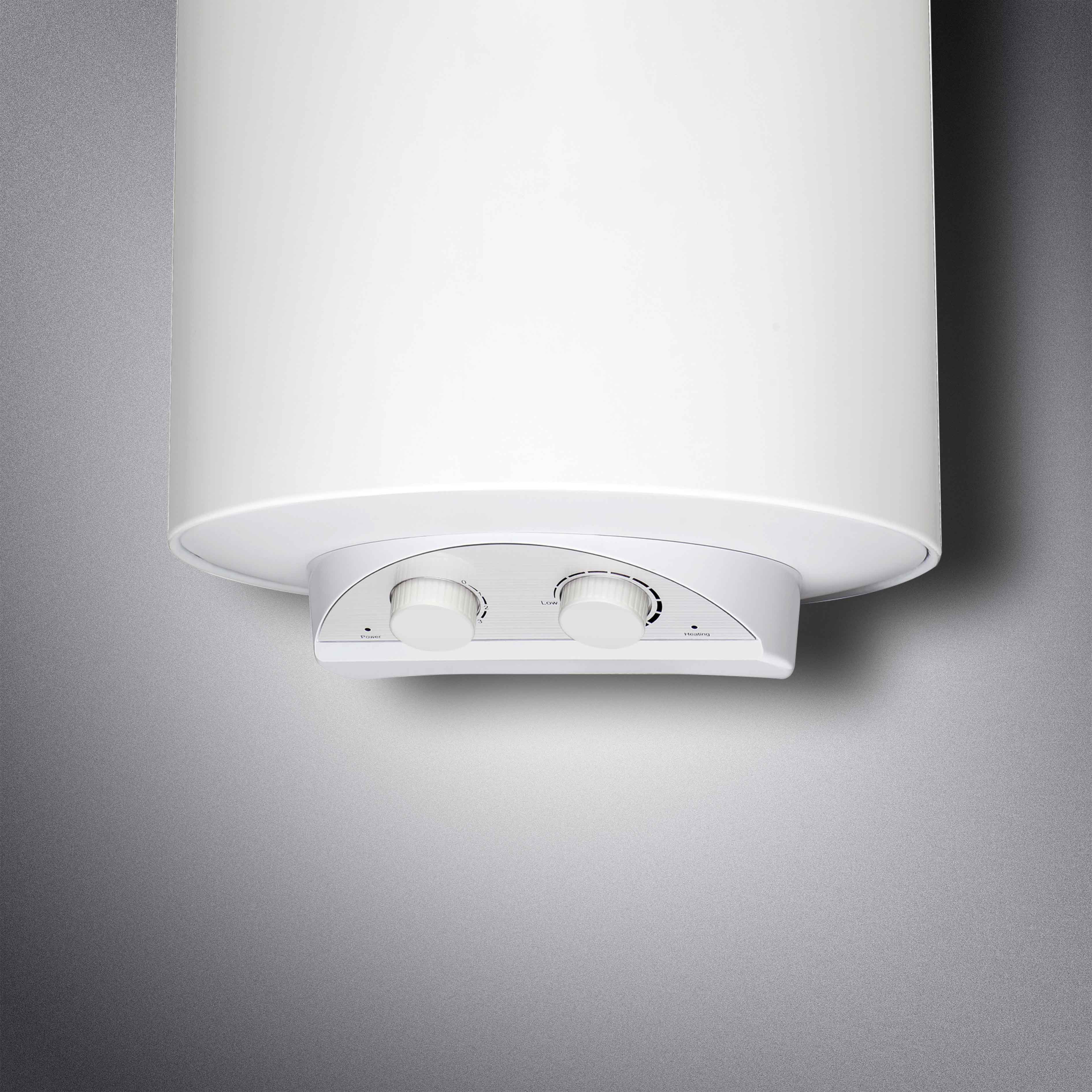
- Thermostats and Thermal Cut-outs: Capillary thermostats offer precise control, while bimetallic stem thermostats are standard for budget models. A secondary manual-reset thermal cut-out is mandatory for safety compliance.
Need help matching component specs to your target market's regulatory requirements? Talk to our sourcing engineers.
Discuss your specificationsQuality Control and Compliance Testing
Water heaters are pressurized electrical appliances, making rigorous in-line and pre-shipment testing non-negotiable. Substandard welding or weak enamel application will fail under municipal water pressure fluctuations.
Essential Factory Floor QC Checks
- Hydraulic pressure testing of the inner tank (typically at 0.8 to 1.2 MPa for 3 to 5 minutes).
- Enamel thickness measurement and impact testing to ensure coating adhesion.
- Dielectric strength (hi-pot) and earth continuity testing for electrical safety.
- PU foam density checks to verify insulation consistency and absence of voids.
Depending on your destination market, the product will require specific certifications (CE, CB, RoHS, UL, or ETL). Working with a partner who manages Compliance & Testing ensures that your units pass all safety and energy efficiency standards before they leave the factory. Furthermore, implementing strict Quality Control & Inspection protocols catches hydraulic or electrical defects prior to container loading.
Wholesale Pricing, MOQs, and Lead Times
Procuring storage electric water heaters at scale involves navigating specific production constraints. Because the foaming molds and outer casing tooling are specific to each capacity (e.g., 30L, 50L, 80L, 100L), factories require volume to justify setup times.
Pricing fluctuates based on steel indices, copper costs (for cables and elements), and the chemical costs for PU foam. If you are developing a custom casing or a smart-home integrated model, utilizing OEM/ODM Services can help amortize tooling costs across your initial production runs.
Ready to optimize your procurement costs and secure reliable production capacity? Talk to our team.
Get a sourcing quoteFrequently Asked Questions
Successfully sourcing storage electric water heaters requires looking past the outer casing and rigorously evaluating the factory's welding, enameling, and testing infrastructure. A proactive approach to component specification and quality management is the only reliable way to protect your brand from the high costs of post-sale appliance failures.
Get Sourcing Help for Storage Electric Water Heaters
Tell us your requirements and our experts will connect you with verified manufacturers.