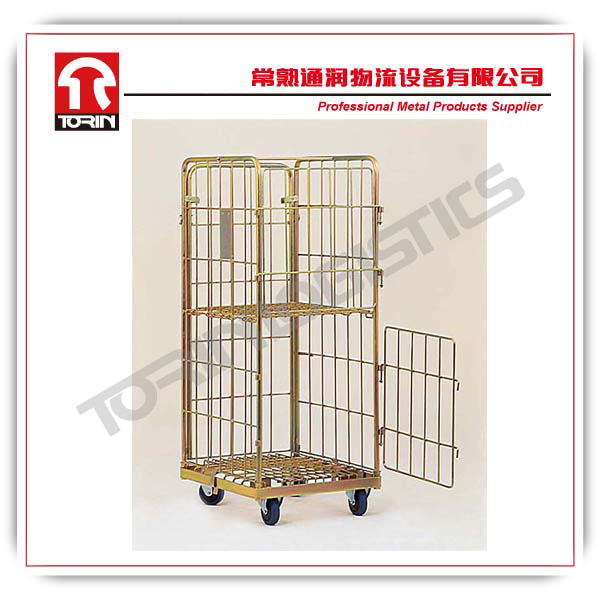
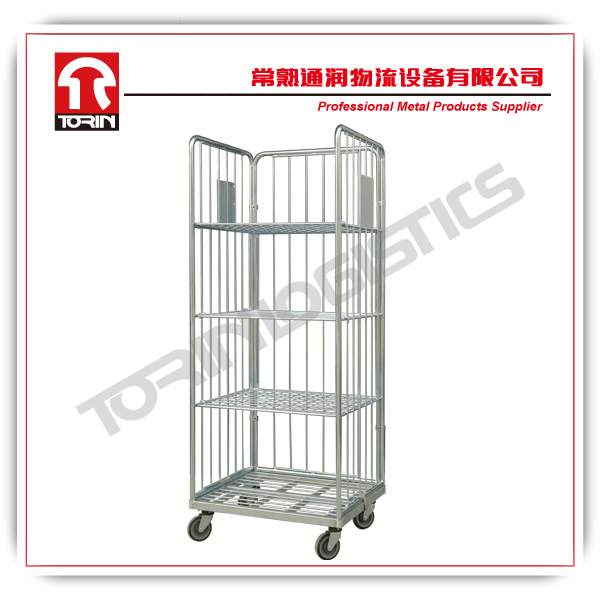
Storage Cages
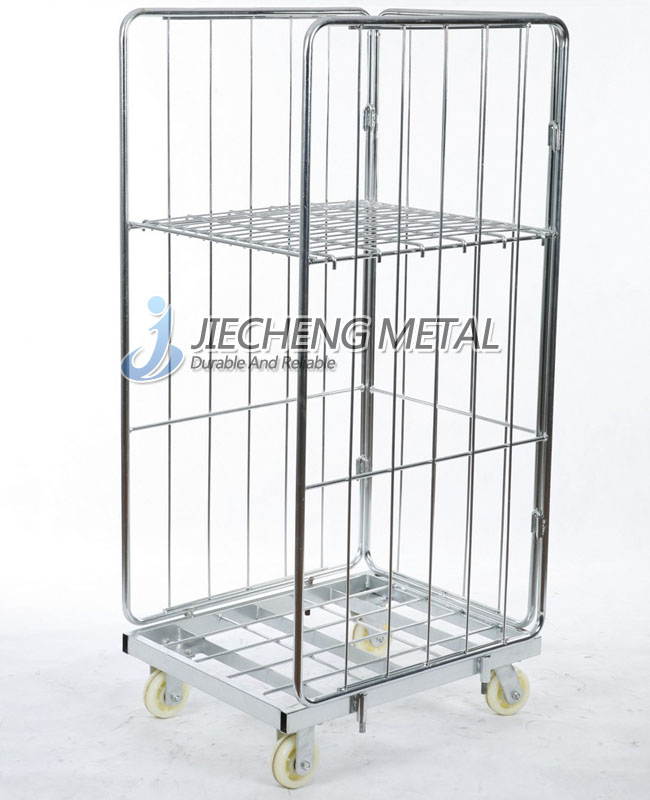
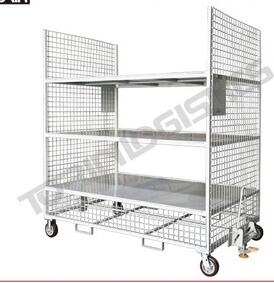
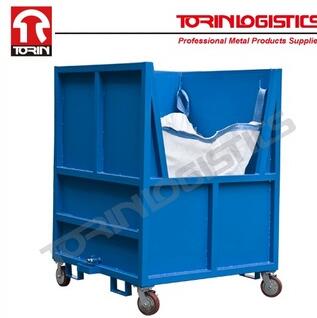
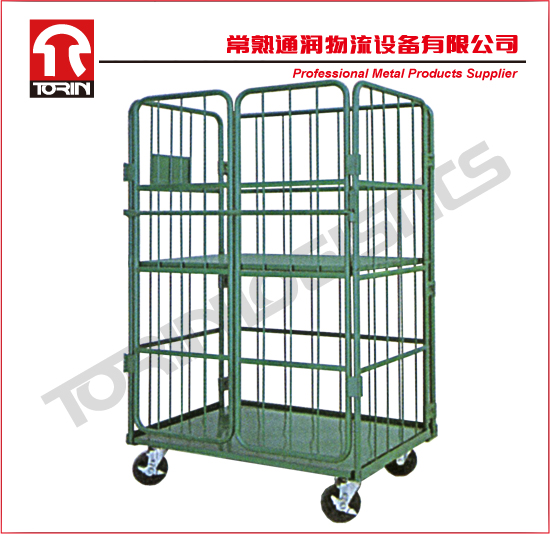
Source industrial-grade Storage Cages from vetted suppliers and manufacturers. Designed for importers, wholesalers, and facility procurement managers, our network offers bulk wholesale pricing and custom OEM production. Find reliable manufacturing partners for durable, high-capacity warehousing solutions.
Sourcing storage cages in volume requires strict attention to raw material specifications and fabrication quality. When stacking loaded cages three or four tiers high, structural failure is a severe safety and operational risk. The primary challenge for bulk buyers is verifying that a factory's quoted specifications—specifically wire gauge, mesh pitch, and weld integrity—match the actual production output, rather than being quietly downgraded to save on steel costs.
Core Specifications and Fabrication Standards
The load-bearing capability of a storage cage relies heavily on the quality of its mild steel wire and the base frame construction. Standard models typically utilize Q235 steel, but the critical variables are how that steel is drawn, welded, and reinforced.
A frequent issue in overseas sourcing is "negative tolerance" manufacturing, where a factory quotes a 6.0mm wire diameter but delivers 5.6mm. Over thousands of units, this represents significant raw material savings for the manufacturer but severely compromises the cage's stacking strength.
Need to ensure your storage cage specifications are strictly adhered to? We help buyers lock in manufacturing standards and oversee production directly on the factory floor.
Talk to our teamSurface Treatments: Balancing Cost and Environment
The operating environment dictates the required surface finish. Factories typically offer three primary options, and verifying the application thickness is crucial for long-term corrosion resistance.
| Treatment Type | Electro-Galvanized (Zinc) | Hot-Dip Galvanized | Powder Coated |
|---|---|---|---|
| Best Application | Standard indoor warehousing | Outdoor storage, cold rooms | Color-coded inventory systems |
| Corrosion Resistance | Moderate | Excellent | Good (if unchipped) |
| Cost Impact | Baseline | Premium (adds weight/cost) | Moderate to High |
Quality Control and Common Factory Defects
Catching defects before container loading is critical, as returning bulky steel products is economically unviable. Robust Quality Control & Inspection protocols must focus on structural integrity rather than just visual aesthetics.
Critical Pre-Shipment Inspection Points
- Weld Shear Strength: Ensure spot welds at wire intersections penetrate adequately without burning through the metal.
- Dimensional Consistency: Check that folded dimensions fall within strict tolerances so units stack safely without binding.
- Base U-Channel Thickness: Verify the gauge of the steel sheet used for the base frame, as this carries the primary vertical load.
- Hinge and Gate Operation: Half-drop gates must open smoothly and lock securely under load without warping.
- Coating Thickness: Use a coating thickness gauge to verify zinc plating or powder coat meets the specified microns.
Sourcing Mechanics: MOQs, Pricing, and Logistics
Pricing for storage cages fluctuates directly with the global steel index and local galvanization costs. Because these products are heavy and voluminous, shipping efficiency is a major factor in landed costs.
Typical Minimum Order Quantities (MOQs) are usually based on container utilization rather than raw production minimums. Factories prefer orders that fill at least a 20FT container (roughly 100 to 150 collapsible cages, depending on size), though a 40HQ (250 to 350 units) offers significantly better freight economics.
When negotiating with suppliers, ensure they have reliable access to galvanizing facilities. Many assembly factories outsource surface treatments, which can introduce lead-time delays and quality variations. Conducting thorough Factory Audits before placing a PO helps verify whether a supplier has in-house finishing capabilities or closely managed subcontractor relationships. Furthermore, optimizing the folded dimensions and stacking patterns with your supplier can maximize container space, directly reducing your Shipping & Freight costs per unit.
Looking to optimize landed costs for bulk storage cages? Merhein can help you negotiate factory-direct pricing, manage container consolidation, and oversee the entire supply chain.
Get a free consultationFrequently Asked Questions
Procuring storage cages requires looking past the initial unit price and focusing on steel quality, weld consistency, and freight efficiency. By establishing strict tolerances upfront and enforcing them through rigorous on-site inspection, buyers can secure durable warehouse assets that deliver long-term ROI.
Get Sourcing Help for Storage Cages
Tell us your requirements and our experts will connect you with verified manufacturers.