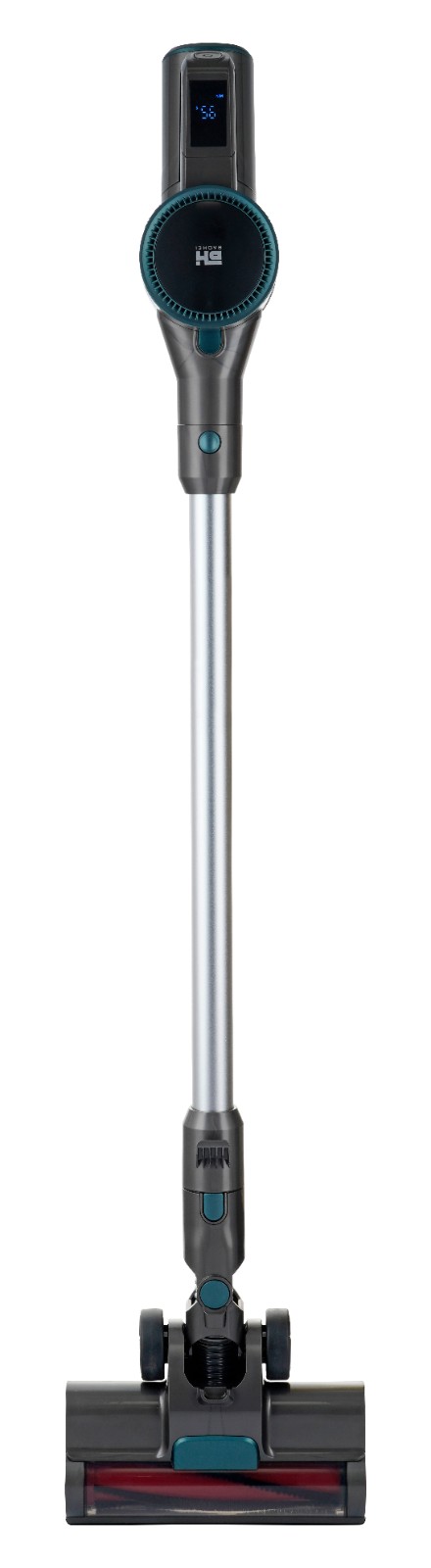
Stick Vacuums
Source high-performance stick vacuums from vetted manufacturers and wholesale suppliers. Designed for importers, distributors, and appliance brands seeking scalable OEM and private-label production. Secure reliable manufacturing partners for bulk orders with competitive pricing and stringent quality control.
Sourcing stick vacuums at scale requires navigating a complex matrix of motor performance, battery chemistry, and structural durability. For volume buyers, the challenge lies in identifying assembly lines that can consistently deliver high-suction, lightweight units without compromising battery cycle life or risking thermal failures. The difference between a high-return liability and a market-leading appliance is often decided deep in the manufacturer's bill of materials.
Defining Core Specifications: Motors and Batteries
The performance and cost of a stick vacuum are dictated primarily by two components: the vacuum motor and the battery pack. When negotiating with suppliers, specifying the exact nature of these components is critical to ensure you are comparing apples to apples.
Motor Technology: Brushless vs. Brushed
Modern premium stick vacuums rely almost exclusively on Brushless DC (BLDC) motors. BLDC motors spin at significantly higher RPMs (often exceeding 100,000 RPM), generate less heat, and offer superior longevity compared to traditional brushed motors. Entry-level or budget models may still use brushed motors to keep costs down, but they sacrifice suction power and lifespan.
Understanding Suction Metrics
Suppliers typically quote suction power in either Pascals (Pa) or Air Watts (AW).
- Pascals (Pa): Measures static suction (the raw pulling force). While a high Pa number (e.g., 20,000 Pa to 30,000 Pa) looks impressive, it does not account for airflow.
- Air Watts (AW): A more accurate representation of cleaning performance, as it calculates both suction force and airflow volume. Premium models typically range from 120 AW to 200 AW or higher.
| Specification | Budget / Entry-Level | Mid-Range to Premium |
|---|---|---|
| Motor Type | Brushed DC | Brushless DC (BLDC) |
| Suction Power | 8,000 - 15,000 Pa | 20,000 - 35,000+ Pa (120 - 200+ AW) |
| Battery Cells | Standard 18650 Li-ion | High-drain 21700 Li-ion |
| Filtration | Basic Sponge / Paper | Multi-cyclone + True HEPA |
Need help matching technical specifications to your target retail price? Speak with our appliance sourcing experts.
Talk to our teamManufacturing Vulnerabilities and Defect Control
Stick vacuums are complex assemblies involving high-speed rotating parts, advanced electronics, and injection-molded plastics. Quality is often won or lost on the factory floor during assembly and battery integration.
Battery Management Systems (BMS)
Lithium-ion battery packs require a robust BMS to prevent overcharging, deep discharging, and thermal runaway. A common failure point in poorly sourced vacuums is a substandard BMS, leading to rapid battery degradation or safety hazards. Ensure your supplier uses high-quality cells (often specified from reputable brands rather than generic alternatives) and rigorously tests the BMS.
Structural Integrity and Sealing
High suction power is useless if the vacuum body leaks air. The seals around the dustbin, motor housing, and HEPA filter must be perfectly cast and assembled. Additionally, the mechanical joints—such as the wand connection and the motorized floor head pivot—must withstand repeated stress.
To mitigate these risks, implementing strict Quality Control & Inspection protocols is essential. Inline inspections should verify motor balancing to prevent excessive noise and vibration, while pre-shipment inspections must include drop tests and battery cycle testing.
Critical Factory Inspection Points for Stick Vacuums
- Motor vibration and acoustic noise testing (decibel levels at max power)
- Airflow and static pressure verification using standardized anemometers
- BMS thermal monitoring during continuous max-power discharge
- Air-tightness testing on dustbin and HEPA filter seals
- Durability testing on the motorized brush head pivot joint
Customization and OEM/ODM Sourcing
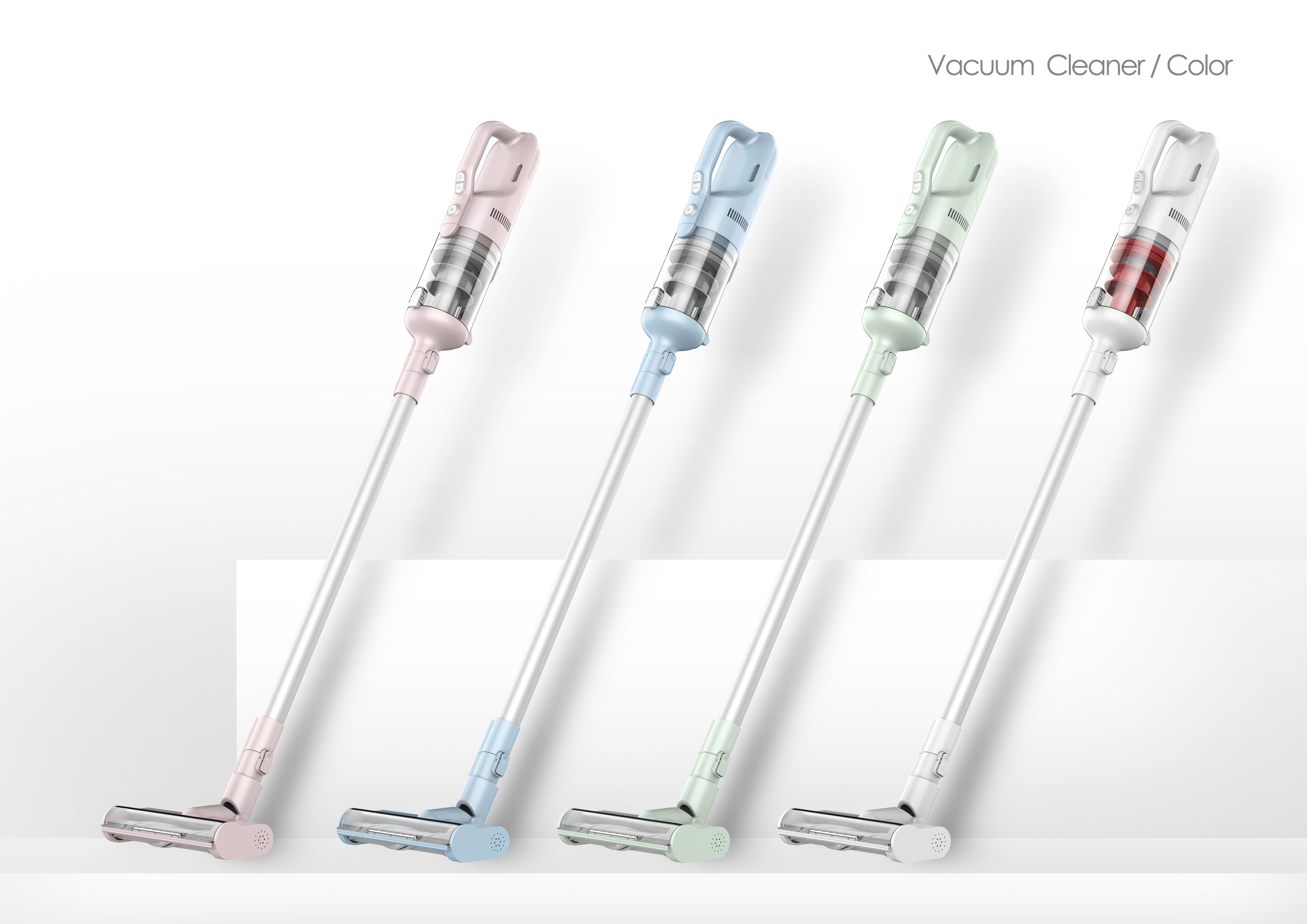
Most buyers choose to leverage existing factory designs through OEM/ODM Services. Modifying an existing ODM platform (private labeling) is the most cost-effective route to market. You can customize the exterior color, branding, and packaging, and often select specific motor and battery configurations from the supplier's menu of options.
Developing a completely custom stick vacuum (full OEM) requires significant investment in plastic injection molds and tooling. This route offers total market differentiation but extends lead times by several months and requires high capital expenditure.
Compliance and Certifications
Stick vacuums must pass stringent electrical safety and electromagnetic compatibility tests. Depending on your market, mandatory certifications include CE, RoHS, and REACH for Europe, or UL/ETL and FCC for North America. Never assume a factory's existing ODM model is certified for your specific region; verifying documentation through dedicated Compliance & Testing is a non-negotiable step before confirming an order.
Sourcing Dynamics: Pricing, MOQs, and Lead Times
The stick vacuum manufacturing base is highly concentrated in China, specifically in regions like Suzhou (Jiangsu province) and Ningbo/Cixi (Zhejiang province), which boast mature supply chains for micro-motors and plastic injection molding.
When evaluating suppliers, conducting thorough Factory Audits is crucial to distinguish between genuine manufacturers with in-house motor R&D and simple trading companies or assembly workshops.
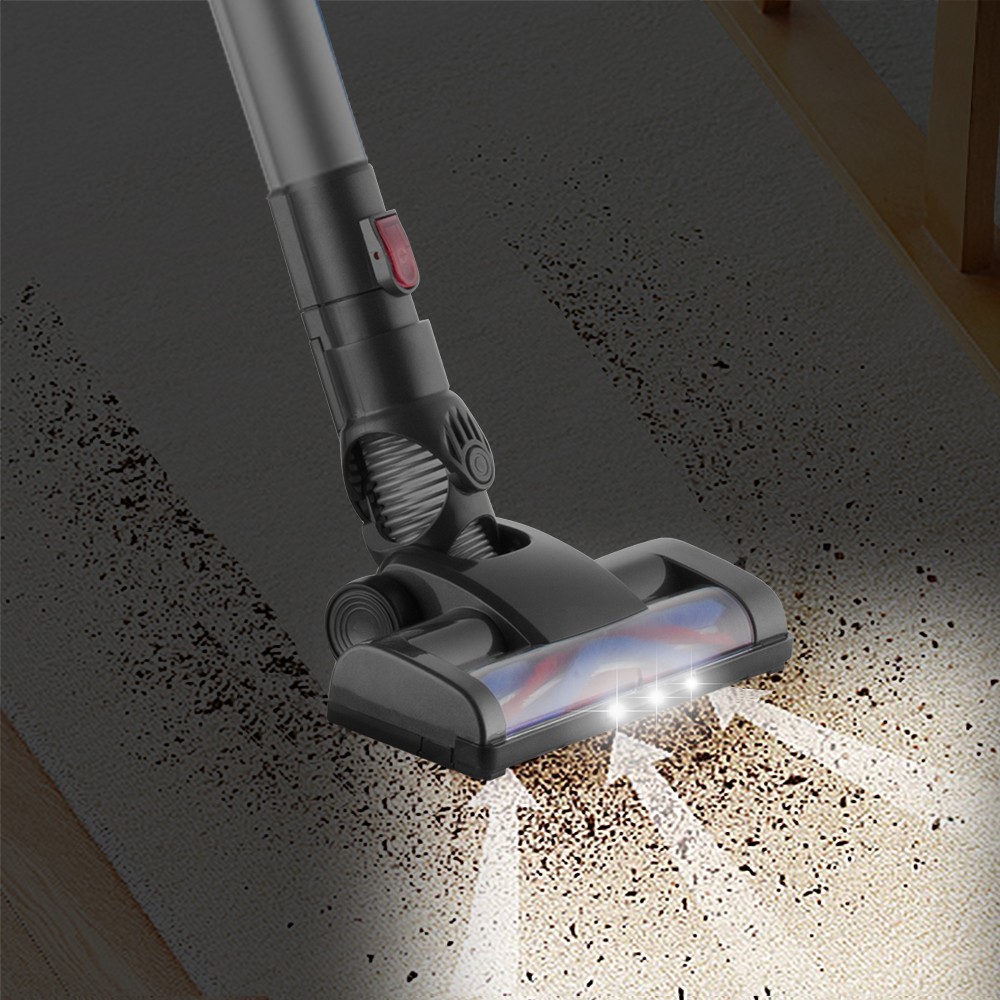
Pricing is highly elastic based on your Bill of Materials (BOM). Upgrading from a basic 18650 battery pack to a high-capacity 21700 pack, or adding a smart LED dust-detecting floor head, will significantly impact the per-unit cost.
Evaluate factory capabilities and get realistic pricing for your stick vacuum project.
Get a free consultationFrequently Asked Questions
Securing a reliable supply of stick vacuums requires moving beyond surface-level specifications to understand the underlying components and assembly precision. By focusing on motor technology, battery safety, and rigorous quality control at the factory level, buyers can build a profitable and durable appliance portfolio.
Get Sourcing Help for Stick Vacuums
Tell us your requirements and our experts will connect you with verified manufacturers.