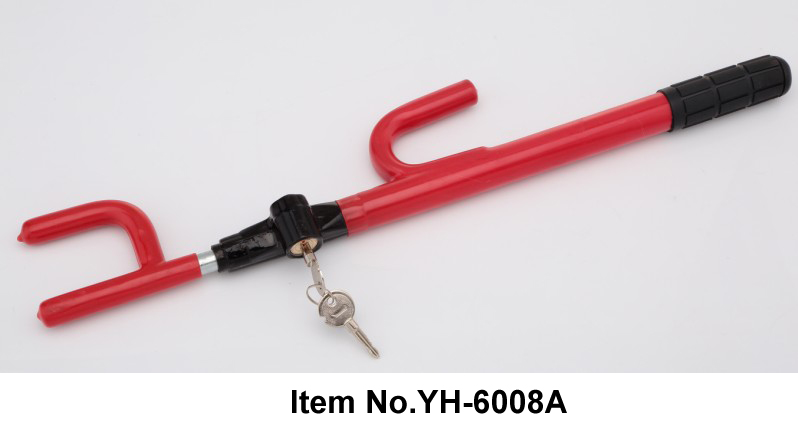
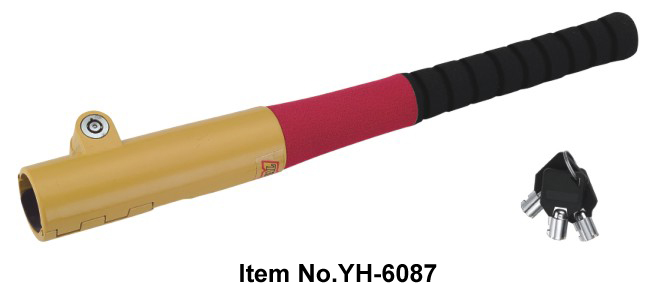
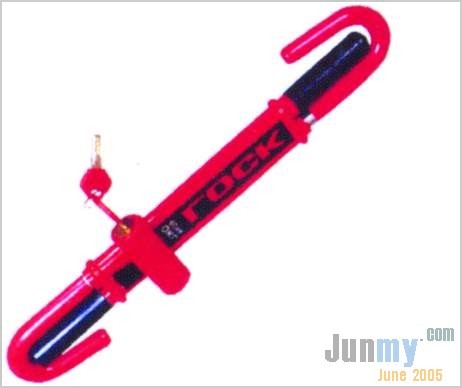
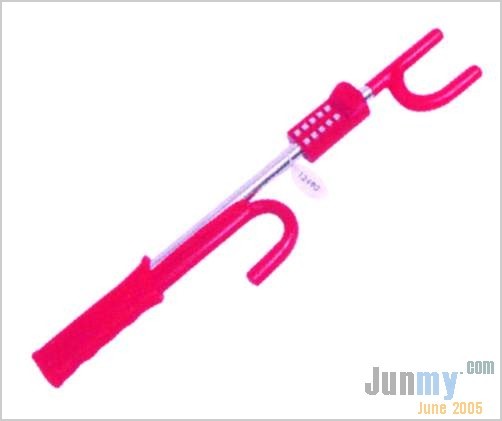
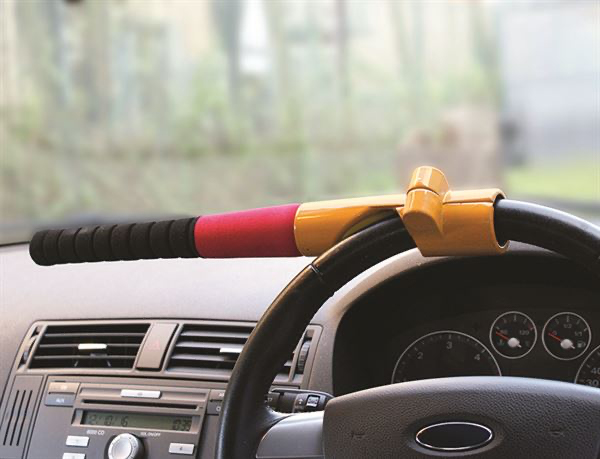
Steering Wheel Locks
Source premium Steering Wheel Locks from vetted suppliers and manufacturers across Asia. Designed for automotive accessory importers, wholesale distributors, and brands seeking OEM or private-label production, our network delivers high-security, attack-resistant locking mechanisms at competitive wholesale volumes.
Sourcing steering wheel locks at scale requires balancing material hardness with lock cylinder complexity. While these devices serve as a visual deterrent, their true value lies in their ability to withstand physical attacks—sawing, drilling, and freezing—while remaining smooth to operate for the end-user. Identifying manufacturers capable of consistent heat treatment and precision machining is critical to avoiding high defect rates and field failures.
Core Specifications and Materials
The defensive capability of a steering wheel lock is dictated by its metallurgy and the internal architecture of its lock core. When negotiating with factories, buyers must specify exact material grades rather than relying on generic terms like "heavy-duty steel."
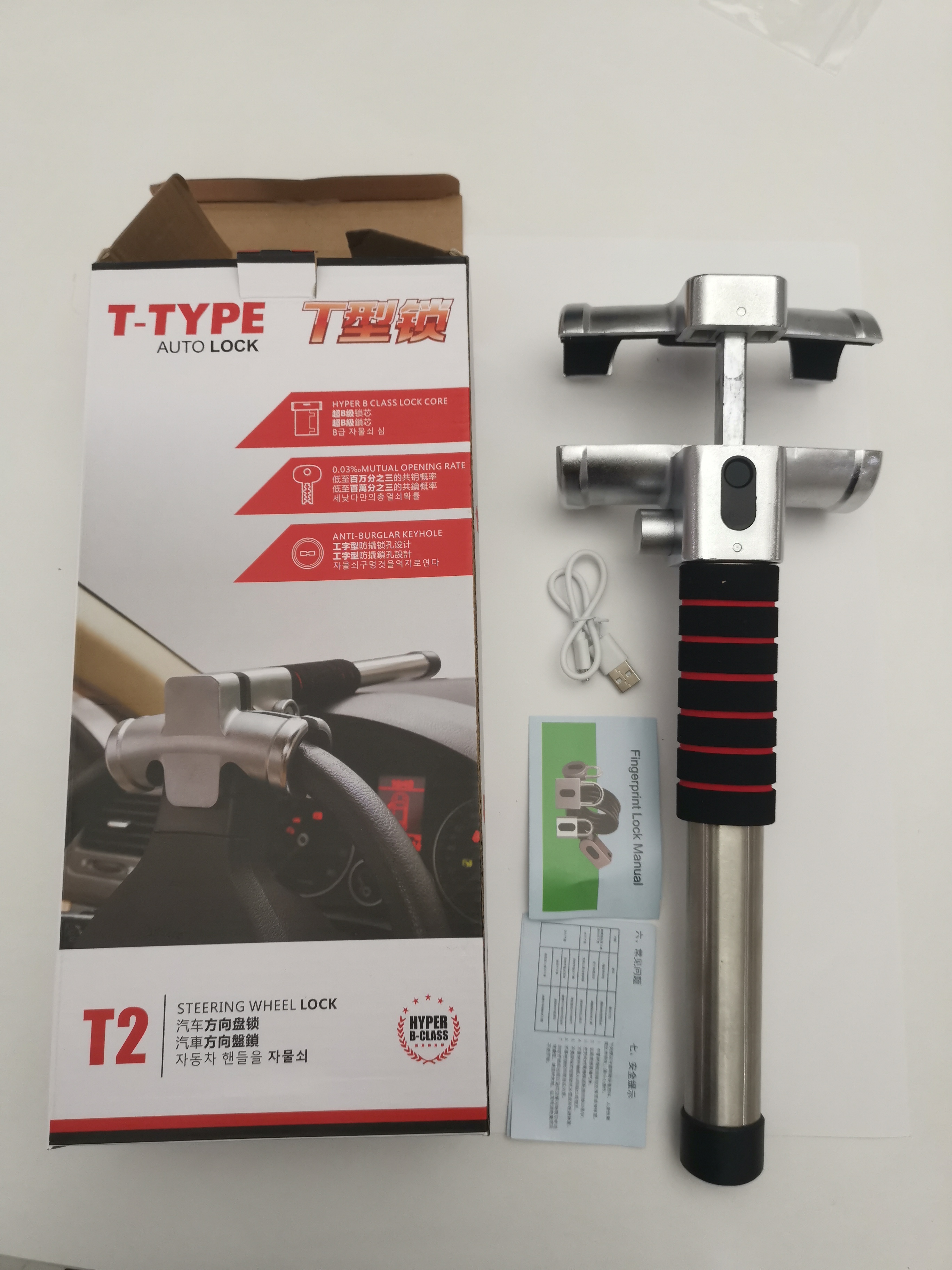
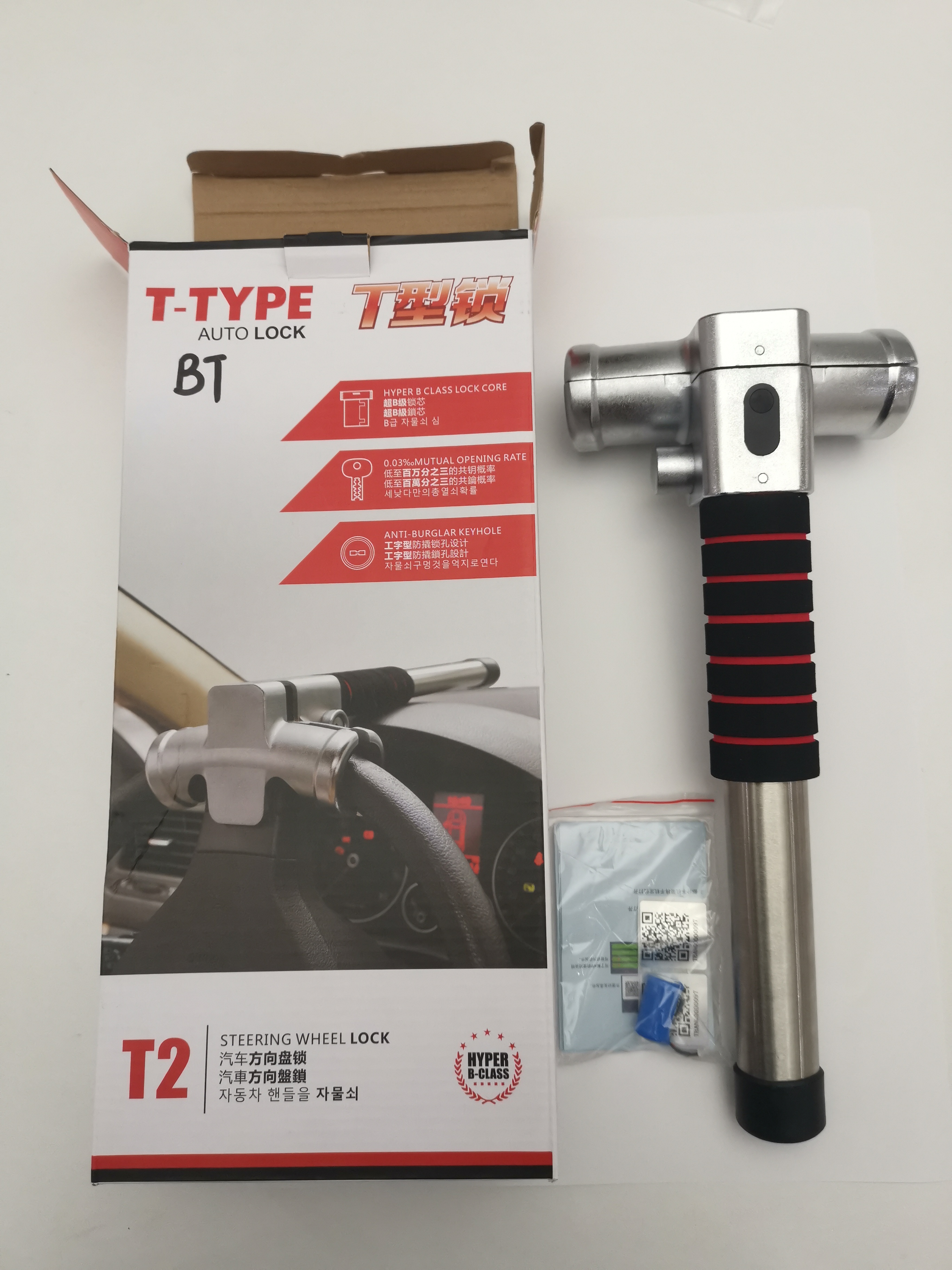
- Lock Bar Metallurgy: Premium units utilize hardened alloy steel or carbon steel subjected to controlled heat treatment. Cheaper alternatives often use untreated A3 steel or aluminum alloys, which are vulnerable to hacksaw and leverage attacks.
- Lock Cylinder Architecture: The cylinder is the most common point of failure. High-security locks utilize pure copper or brass cores with disc detainer mechanisms (often graded as C-class cylinders in Asian manufacturing standards), which are highly resistant to picking and bumping. Standard pin-tumbler zinc alloy cores are cheaper but offer minimal resistance to specialized tools.
- Protective Coatings: To prevent damage to the vehicle's interior, the metal must be shielded. Specify high-density PU leather, PVC dipping, or thick rubberized foam. Poorly applied PVC will peel in extreme cabin temperatures.
| Component | Standard Market Spec | Premium / High-Security Spec |
|---|---|---|
| Main Body | A3 Steel / Aluminum Alloy | Heat-Treated Hardened Steel |
| Lock Cylinder | Zinc Alloy, Pin Tumbler | Pure Brass, Disc Detainer (C-Class) |
| Exterior Coating | Thin PVC Dip | Stitched PU Leather / High-Density Foam |
| Key Type | Standard Laser Cut | Crescent / Snake Groove / Multi-Track |
Struggling to verify a factory's metallurgical capabilities? Let our sourcing experts evaluate their production standards.
Get a free consultationManufacturing Tolerances and Quality Control
The primary challenge in manufacturing steering wheel locks is maintaining tight tolerances in the locking mechanism while processing extremely hard metals. If the locking pawl and the ratchet teeth are misaligned by even a fraction of a millimeter, the lock may jam or fail to engage securely.
Before committing to a high-volume order, it is highly recommended to conduct thorough Factory Audits to verify the supplier's machining equipment and in-house testing capabilities. Relying solely on a factory's marketing claims regarding "anti-saw" or "anti-drill" features is a common pitfall.
Critical Pre-Shipment Inspection Points
- Hardness Testing: Verify the Rockwell hardness (HRC) of the main bar meets specified requirements.
- Mechanism Smoothness: Cycle the lock multiple times to ensure the ratchet engages and releases without binding.
- Coating Adhesion: Test the PVC or PU leather for heat resistance and secure bonding to the metal core.
- Key Tolerance: Ensure all provided keys operate the lock smoothly and cannot be removed when in the unlocked position (if applicable).
- Drop Testing: Assess the structural integrity of the plastic or zinc alloy lock housing upon impact.
Implementing rigorous Quality Control & Inspection protocols before the goods leave the factory is the only reliable way to catch heat-treatment inconsistencies or poorly machined cylinders.
Sourcing Mechanics: MOQs, Pricing, and OEM
Most buyers in this category are either importing existing factory designs under their own brand or developing custom models. The costs and minimum order quantities depend heavily on the level of customization required.
OEM and Private Label Customization
Modifying the physical shape of the lock bar requires new tooling, which increases upfront costs. However, cosmetic customizations are highly accessible. Buyers leveraging OEM/ODM Services typically focus on custom PU leather stitching colors, laser-engraved logos on the lock body, and bespoke retail packaging (such as heavy-duty clamshells or double-corrugated color boxes).
Looking to develop a custom-branded steering wheel lock line? We manage the entire OEM process from tooling to final packaging.
Talk to our teamFrequently Asked Questions
Successfully sourcing steering wheel locks means looking past the external finish and validating the core metallurgy and cylinder engineering. Partnering with experienced sourcing professionals ensures your specifications translate into a reliable, high-security product on the factory floor.
Get Sourcing Help for Steering Wheel Locks
Tell us your requirements and our experts will connect you with verified manufacturers.