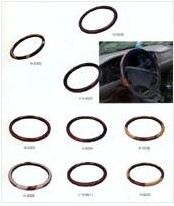
Steering Wheel Covers
Source premium Steering Wheel Covers from vetted suppliers and manufacturers across Asia. Designed for importers, automotive distributors, and brands seeking reliable OEM and private-label production, our bulk wholesale catalog offers scalable manufacturing solutions.
Sourcing steering wheel covers at volume requires balancing tactile quality with strict manufacturing tolerances. The core sourcing challenge lies beneath the surface: the inner ring must balance elasticity for easy installation against grip strength for safety, while the outer materials must resist UV degradation, sweat, and daily wear without emitting strong chemical odors.
Material Specifications and Cost Drivers
The true quality and cost of a steering wheel cover are dictated by the combination of its outer skin and its inner core. While buyers often focus on the visual appeal of the outer material, the inner ring is where safety, structural integrity, and environmental compliance are determined.
Outer Materials
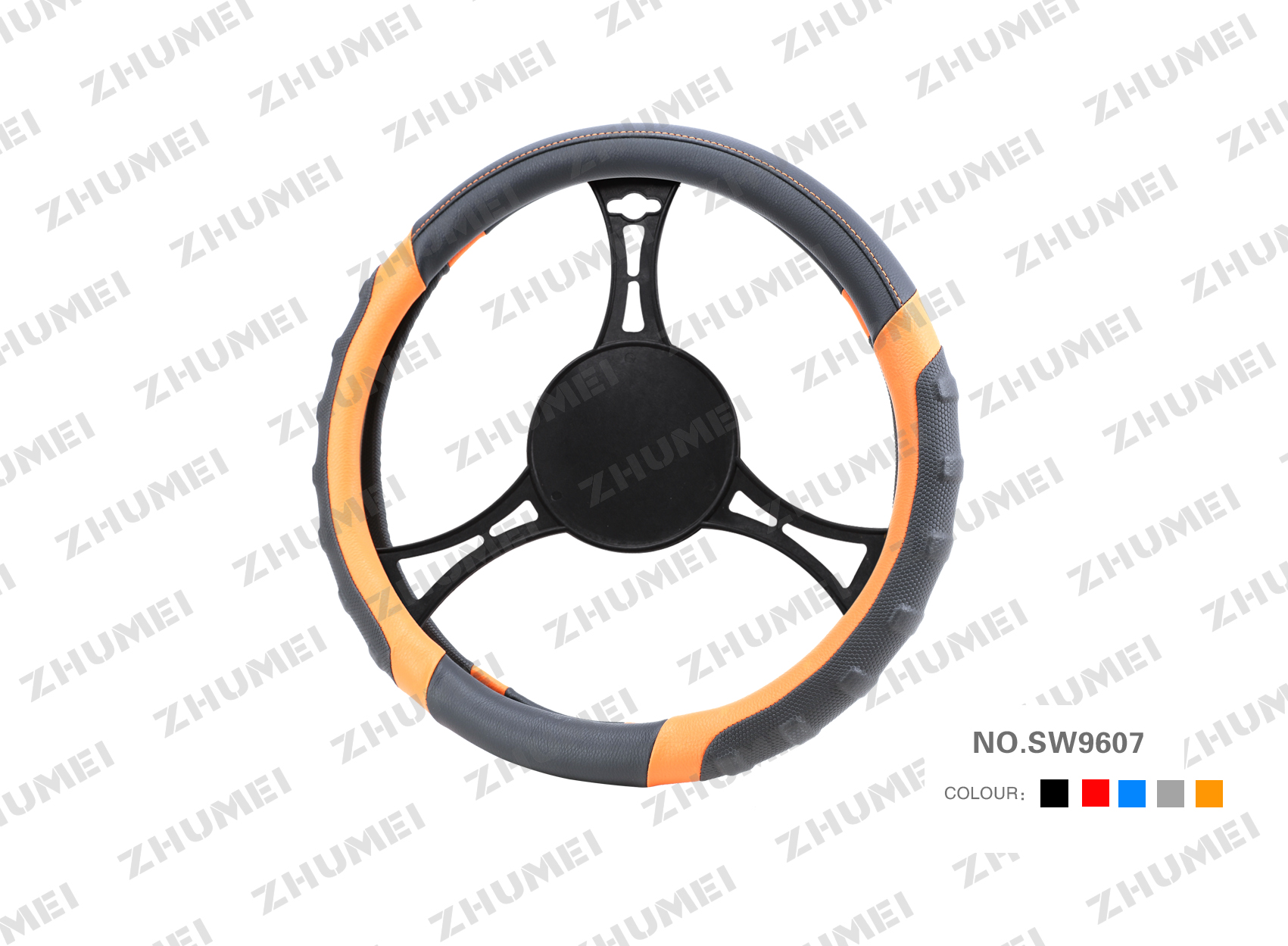
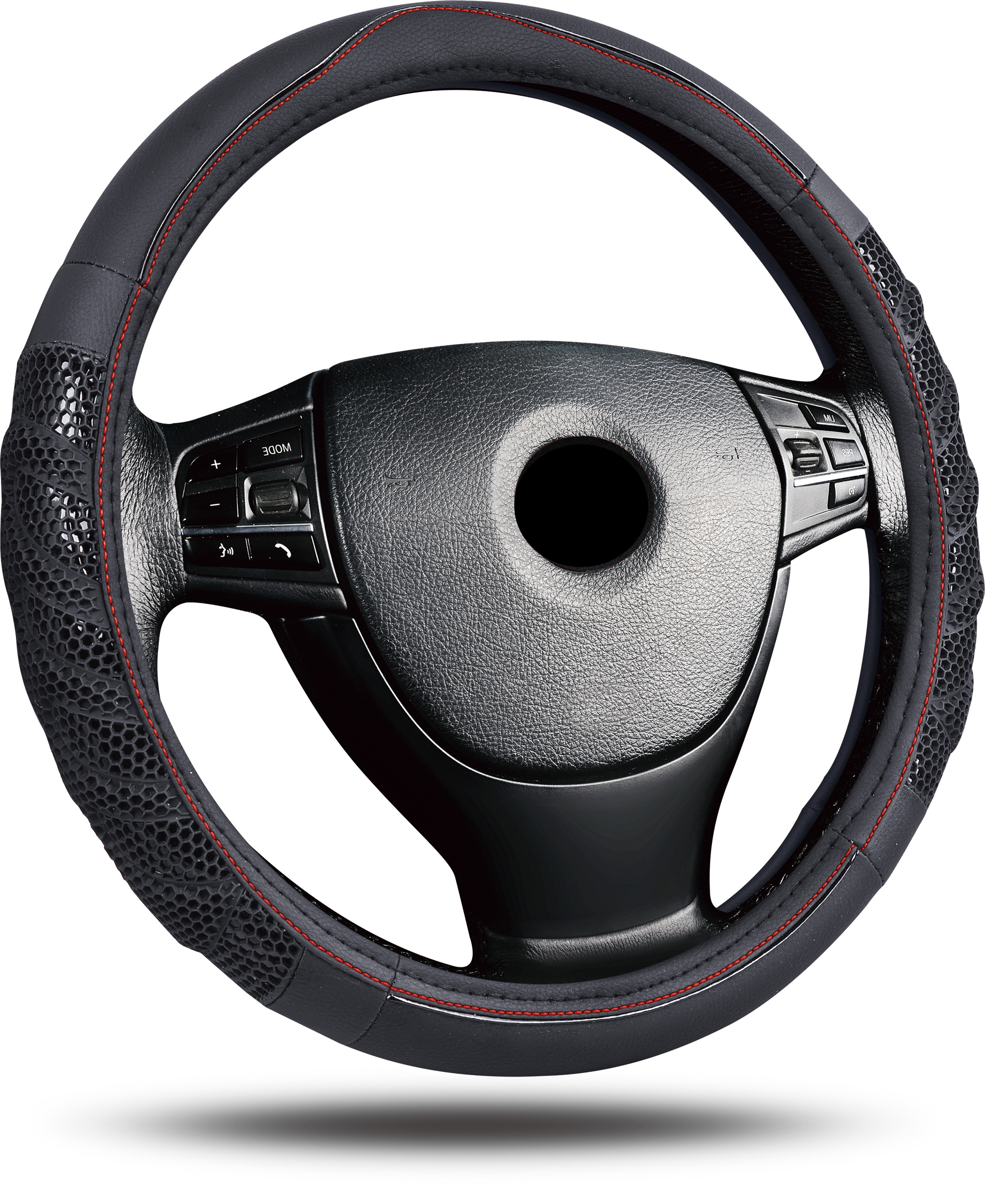
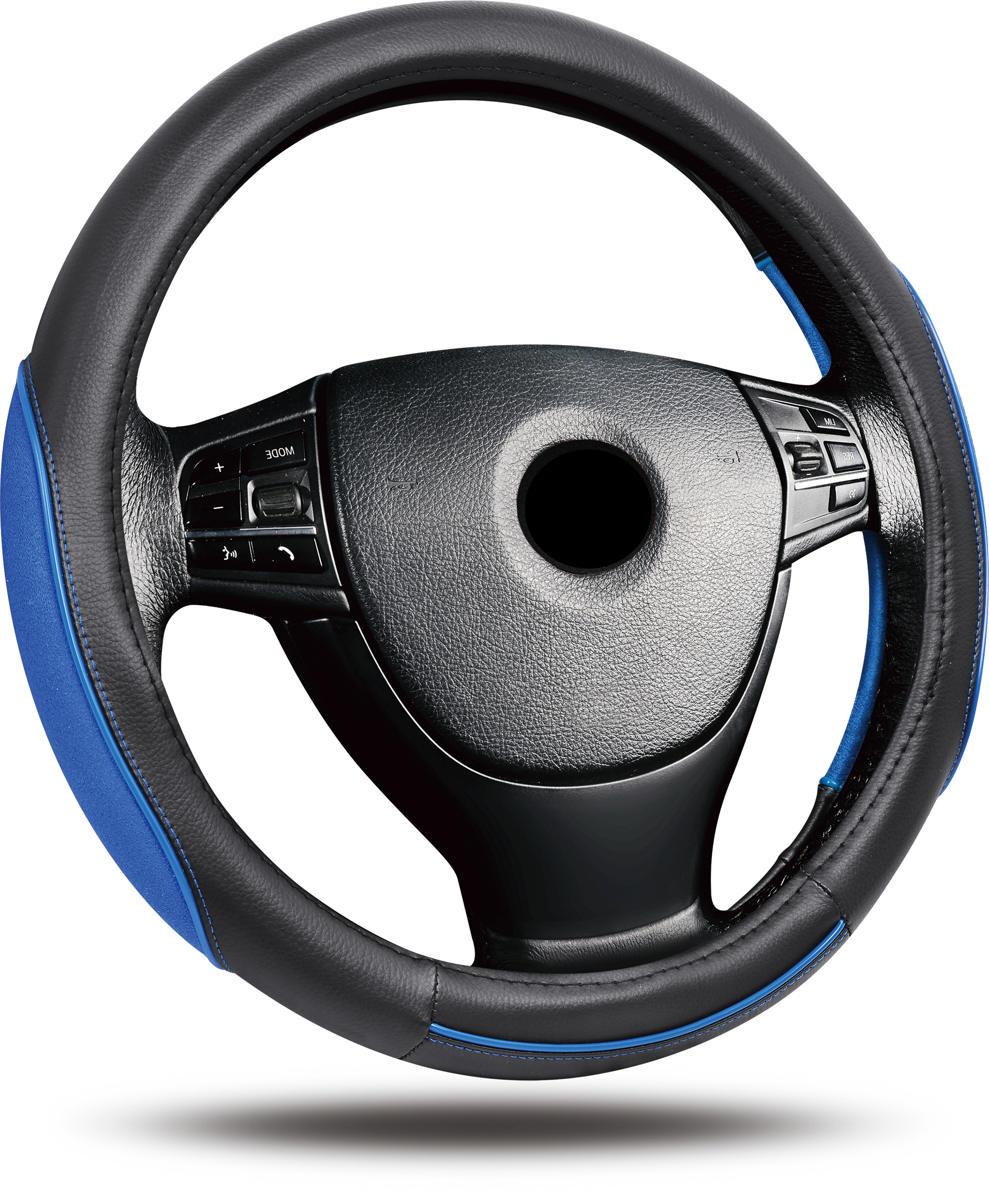
- Microfiber Leather: The current industry standard for mid-to-high-end covers. It offers excellent breathability, high tensile strength, and cold-resistance.
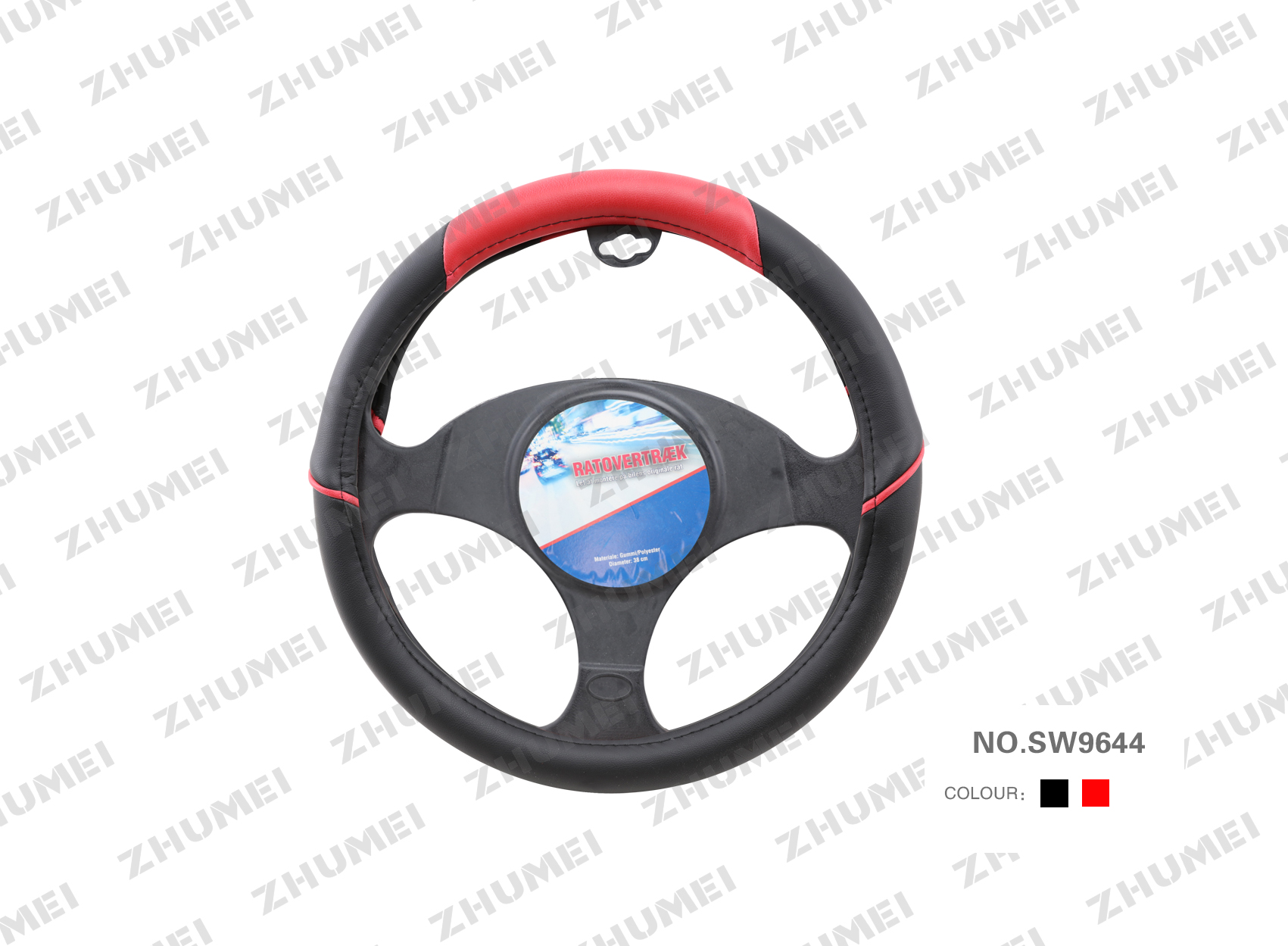
- PU/PVC Faux Leather: Used for entry-level and mass-market wholesale. PVC is cheaper but prone to cracking in cold weather and requires careful formulation to meet phthalate restrictions.
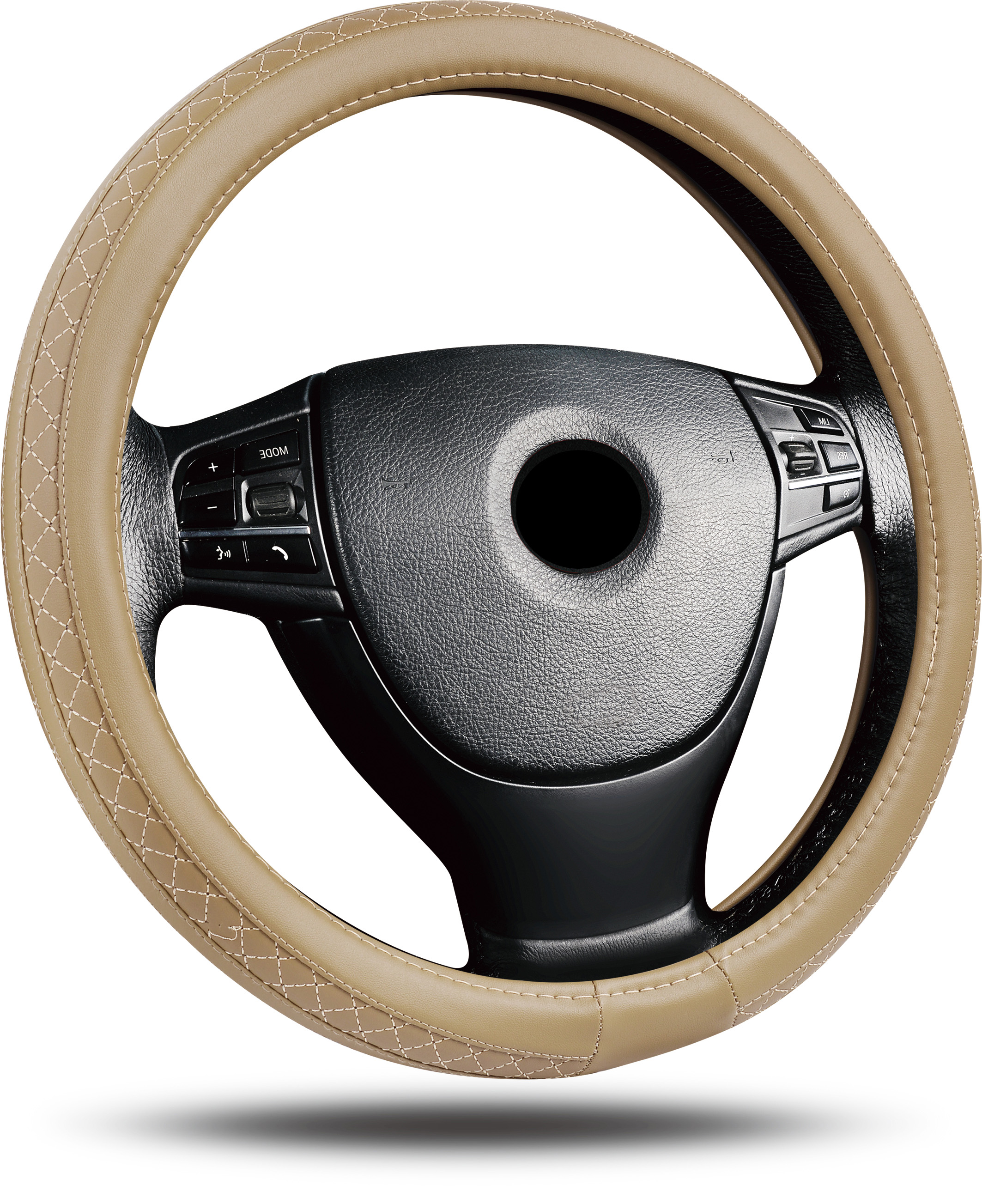
- Genuine Leather: Reserved for premium tiers. Requires careful supplier selection to ensure consistent hide grading and color matching across large batches.
- Silicone & Neoprene: Niche materials favored for extreme weather or sporty aesthetics, offering high grip and easy washability.
The Inner Ring: The Hidden Quality Differentiator
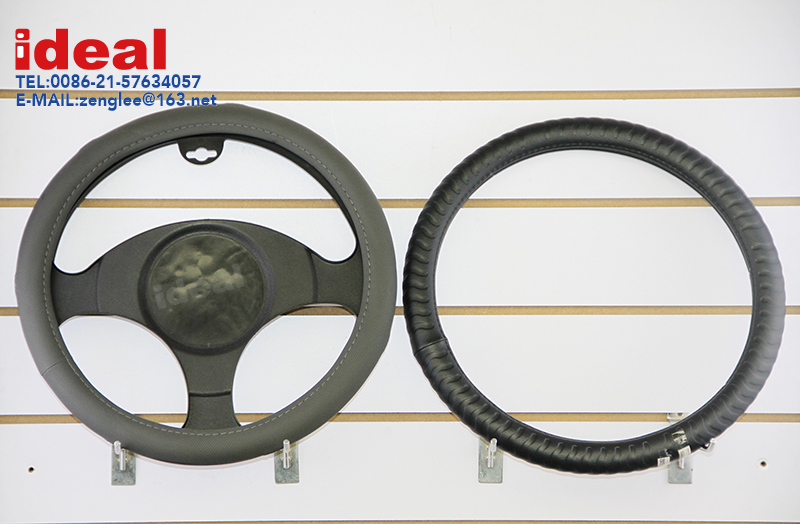
The inner ring provides the friction that prevents the cover from slipping on the steering wheel—a critical safety factor. Factories typically offer three main options.
| Core Material | Odor Level | Elasticity | Cost Tier |
|---|---|---|---|
| Recycled Black Rubber | High (requires off-gassing) | Moderate | Entry-Level |
| Virgin White Rubber | None to Minimal | High | Premium |
| TPE (Thermoplastic) | None | Excellent | Mid-to-High |
Struggling with high defect rates or chemical odors in your current supply chain? Let's discuss upgrading your material specifications and finding better factory partners.
Talk to our teamManufacturing Tolerances and Quality Control
Producing a steering wheel cover involves material splicing, stitching, and bonding the outer layer to the inner ring. Quality is often lost on the factory floor during the gluing and stitching phases. If the adhesive is applied unevenly, the outer skin will bunch or slip against the inner ring under pressure.
To prevent this, rigorous Quality Control & Inspection is mandatory. Relying solely on factory self-reporting often leads to batch inconsistencies.
Critical Pre-Shipment Inspection Points
- Tension and Slippage Test: Ensure the outer material does not rotate independently of the inner ring.
- Stitch Density: Verify consistent stitches per inch (SPI) to prevent seam splitting under tension.
- Odor Grading: Check against standard olfactory scales, especially for black rubber cores.
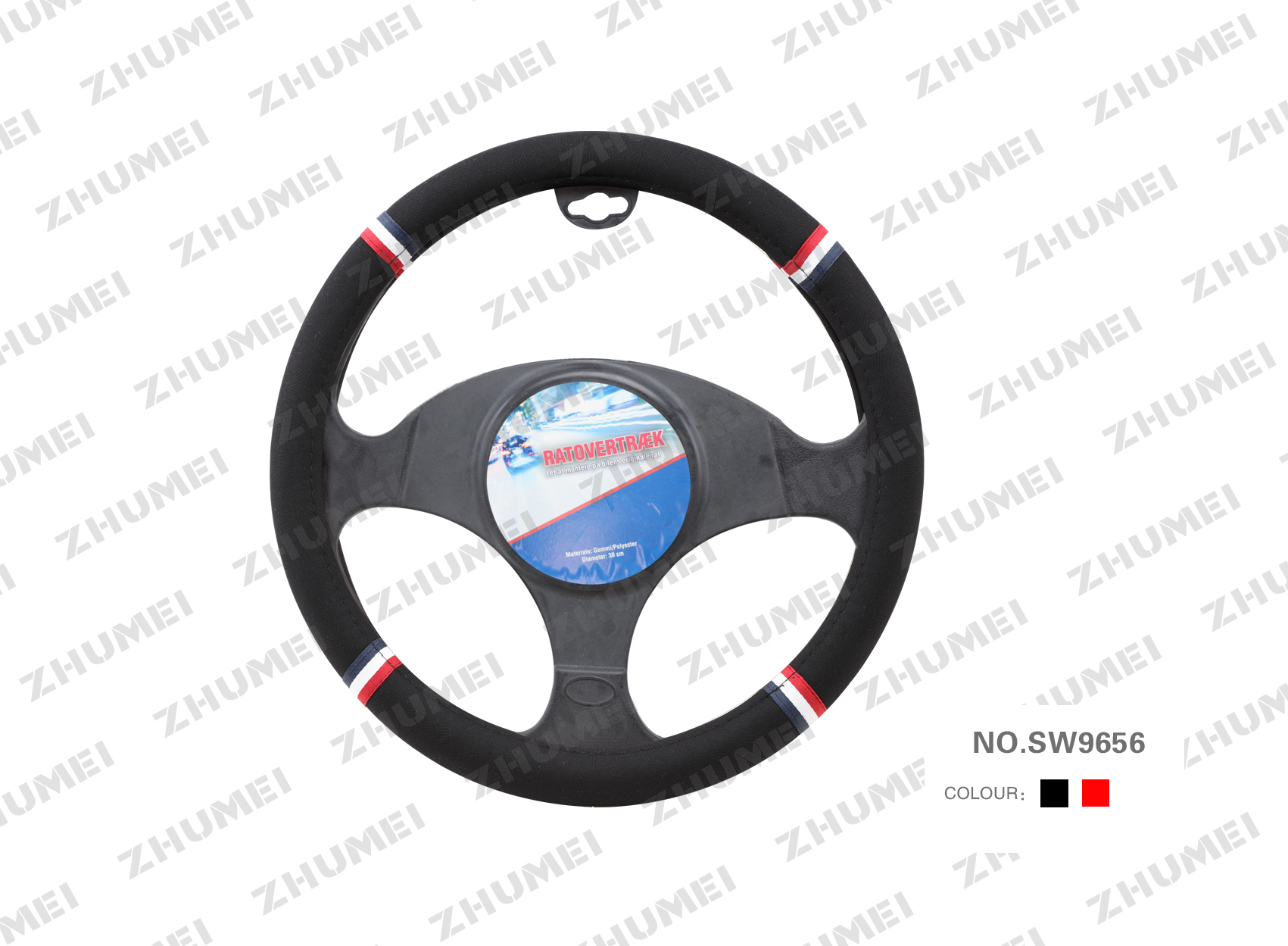
- Symmetry and Alignment: Ensure spliced materials and embossed logos align perfectly at the 12 and 6 o'clock positions.
- Dimensional Tolerance: Verify the resting diameter matches the specified mold (typically 37-38 cm).
For buyers importing into stringent markets like the EU, ensuring materials pass REACH and RoHS directives is non-negotiable. Partnering with a team that integrates Compliance & Testing into the sourcing workflow prevents costly customs rejections due to restricted plasticizers or heavy metals.
Buying Mechanics: MOQs, Lead Times, and Packaging
When negotiating with manufacturers, volume dictates both price and customization depth. Standard production runs require alignment on tooling, especially if you are developing custom shapes (like D-shaped flat-bottom covers) or proprietary textures.
The Packaging Factor
Packaging significantly impacts your landed cost due to shipping volume. Steering wheel covers are bulky. Shipping them in rigid color boxes or blister packs offers excellent retail presence but drastically reduces the number of units you can fit in a shipping container. Conversely, flat-packing with a simple cardboard insert ring maximizes container space but requires careful handling to avoid permanent creasing. Integrating smart Branding & Design early in the sourcing process helps balance retail appeal with freight efficiency.
Ready to optimize your landed costs? Speak with our sourcing experts about packaging strategies and factory negotiations.
Get a free consultationFrequently Asked Questions
Successfully sourcing steering wheel covers at scale means looking past the surface aesthetics to control the invisible factors: inner ring chemistry, adhesive integrity, and volumetric shipping efficiency. By defining strict technical specifications and enforcing them through independent inspections, you protect your brand from safety liabilities and negative customer reviews.
Get Sourcing Help for Steering Wheel Covers
Tell us your requirements and our experts will connect you with verified manufacturers.