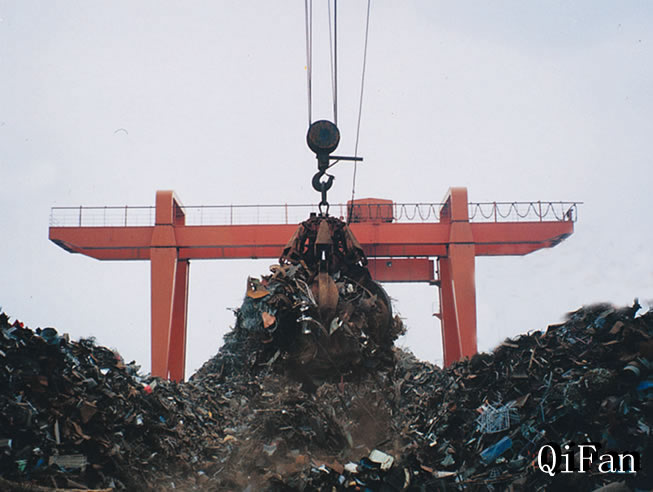
Steel Scrap
Source bulk Steel Scrap from vetted suppliers and scrap yards across Asia. Designed for steel mills, foundries, and industrial procurement managers, our network provides reliable access to HMS, shredded, and industrial scrap grades. Ensure consistent chemistry and reliable delivery for your large-scale melting operations.
Sourcing Steel Scrap: Grading, Purity, and Supplier Verification
Sourcing ferrous scrap internationally requires strict attention to grading standards, tramp element limits, and supplier legitimacy. For steel mills and foundries, furnace efficiency depends directly on the density and chemical consistency of the scrap charge. Navigating the global scrap market means filtering out unreliable brokers and verifying yard capabilities before capital changes hands.
Key Specifications and ISRI Grading
Global trade in steel scrap relies heavily on Institute of Scrap Recycling Industries (ISRI) classifications. Specifying the correct grade determines furnace melt yield, charging time, and slag volume.
| Grade | ISRI Code | Minimum Thickness | Typical Density |
|---|---|---|---|
| Heavy Melting Steel 1 | 200 | 1/4 inch | High |
| Heavy Melting Steel 2 | 203/206 | 1/8 inch | Moderate |
| Shredded Scrap | 211 | N/A (Homogeneous) | Very High |
| Busheling (New Scrap) | 207 | Under 1/8 inch | High |
When contracting for HMS 1&2 blends (typically an 80/20 ratio), ensure the purchase agreement specifies the exact percentage allowable for galvanized or painted material, as these introduce zinc and lead into the melt and impact emissions control systems.
Managing Contamination and Tramp Elements
The biggest risk in imported scrap is non-ferrous contamination and tramp elements—specifically copper, tin, chromium, nickel, and molybdenum—that cannot be oxidized out during basic oxygen or electric arc furnace processes. Elevated copper (over 0.3 percent) leads to surface hot shortness in finished steel, severely impacting the quality of flat-rolled products.
Pre-Shipment Scrap Verification Requirements
- Visual inspection for excessive rust, dirt, and non-metallic fluff (fluff reduces yield).
- Radiation testing certificates (mandatory for international shipping and port clearance).
- Tramp element chemical analysis via handheld XRF or batch lab testing.
- Verification of container tare weights to prevent phantom tonnage and water-weight fraud.
Mitigating these risks requires boots on the ground. Implementing independent Quality Control & Inspection at the loading yard ensures the material matches the contracted ISRI spec before the container is sealed.
Protect your melt chemistry. Let our experts verify your scrap shipments at the source.
Talk to our teamNavigating Supplier Legitimacy and Scams
The international metal scrap market is notorious for phantom suppliers, bait-and-switch tactics, and document fraud. A legitimate scrap exporter must possess a physical yard, industrial shears, shredders, and heavy lifting equipment. Buying from trading companies that do not own physical infrastructure dramatically increases the risk of default, delayed shipments, or severe quality disputes.
Before issuing a Letter of Credit or making a deposit, thorough vetting is non-negotiable. Conducting comprehensive Factory Audits on the scrap yard confirms their actual processing capacity, environmental compliance, and historical export volume, separating real suppliers from internet brokers.
Pricing, MOQs, and Logistics
Scrap pricing is highly volatile, indexing against LME steel scrap contracts and regional benchmarks (such as Platts). Because scrap is a low-margin, high-volume commodity, freight costs make up a significant portion of the landed price.
Minimum order quantities (MOQs) for international trade usually start at 100 to 500 metric tons (4 to 20 containers) to justify export logistics and inspection costs. For larger mills, bulk break vessels are utilized for shipments exceeding 10,000 MT. Coordinating Shipping & Freight for heavy, dense cargo requires specialized forwarding to secure favorable ocean rates, maximize container payload limits, and handle customs clearance efficiently.
Streamline your scrap procurement and secure reliable international logistics.
Get a free consultationFrequently Asked Questions
Securing a reliable supply of steel scrap requires more than just chasing the lowest per-ton price on a B2B portal. It demands rigorous yard vetting, strict adherence to ISRI specifications, and vigilant pre-shipment inspection. By treating scrap procurement as a highly technical supply chain operation, mills and foundries can protect their furnace efficiency, maintain product quality, and safeguard their bottom line.
Get Sourcing Help for Steel Scrap
Tell us your requirements and our experts will connect you with verified manufacturers.