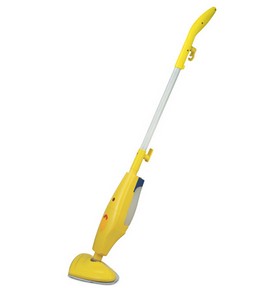
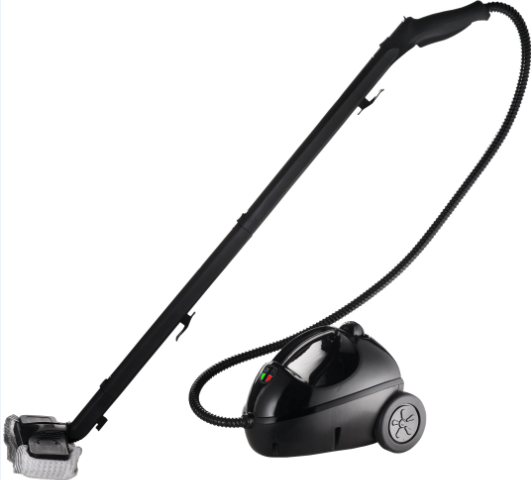
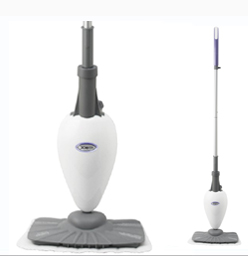
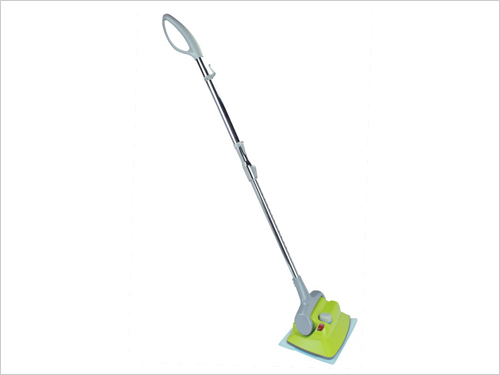
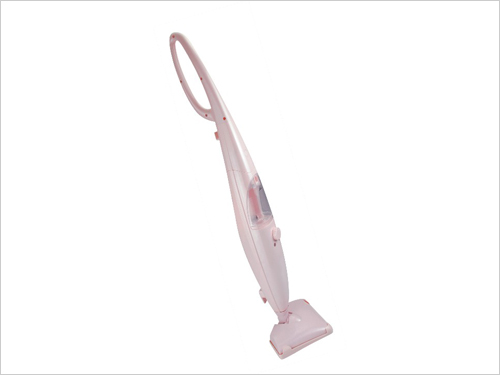
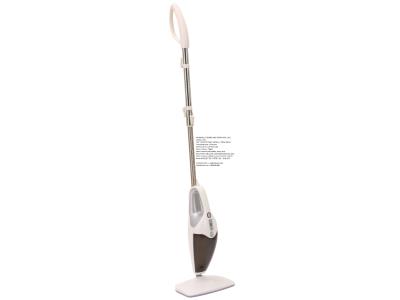
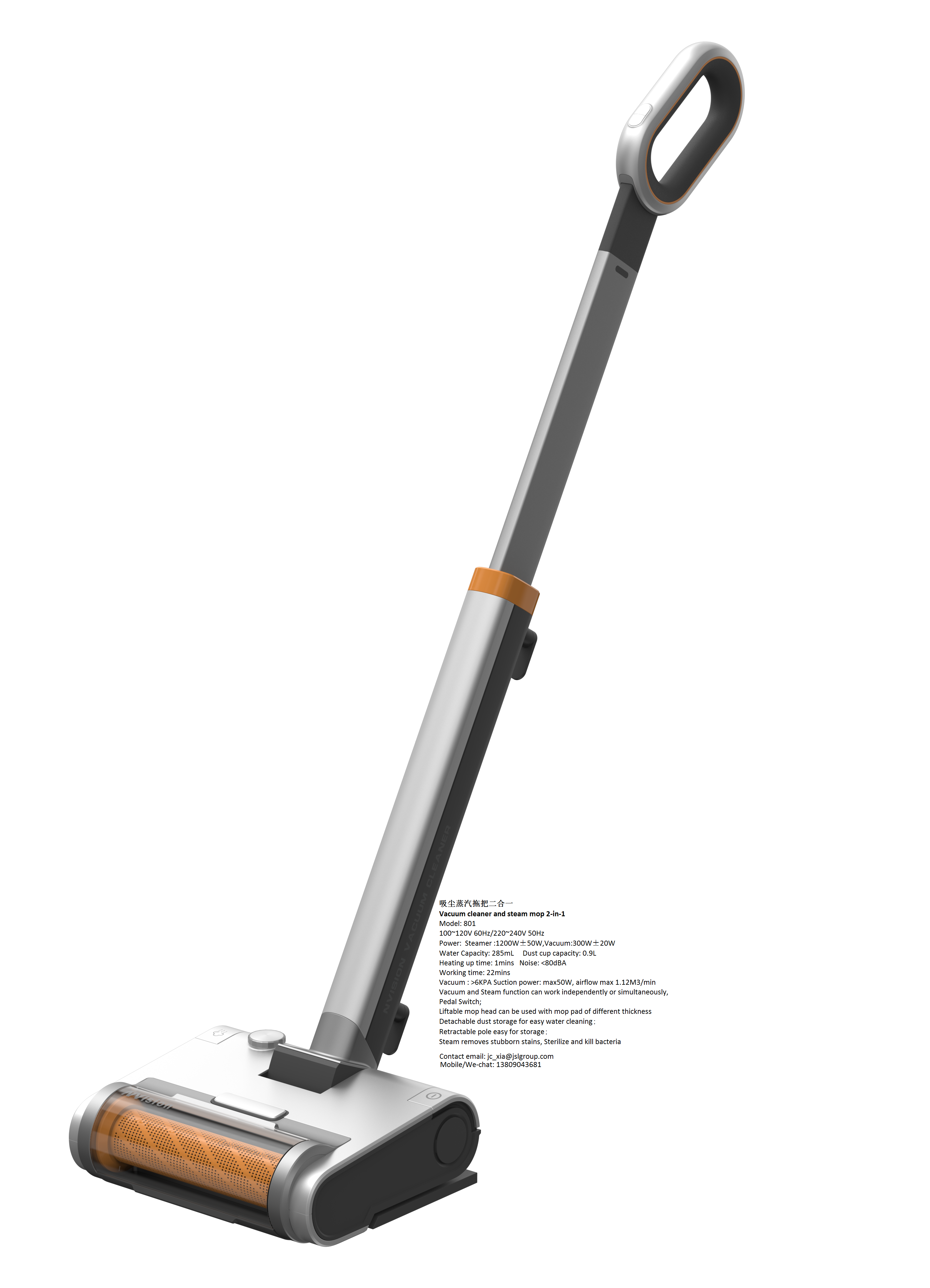
Steam Mop Cleaners
Source high-performance steam mop cleaners directly from vetted manufacturers and wholesale suppliers. Designed for importers, distributors, and appliance brands seeking reliable OEM and private-label production, our network delivers scalable manufacturing, rigorous quality control, and competitive bulk pricing.
Sourcing steam mop cleaners requires balancing thermal efficiency, component durability, and stringent safety compliance. The core challenge for importers and brands is identifying assembly partners who maintain strict tolerances on pressure vessels and heating elements, rather than those cutting corners on internal seals and thermal fuses to hit an artificially low wholesale price.
Core Specifications and Heating Technologies
The internal architecture of a steam mop dictates its performance, manufacturing cost, and lifespan. Buyers developing custom units through OEM/ODM Services must specify the heating mechanism early in the design phase, as this impacts tooling, safety certifications, and user experience.
| System Type | Flash Boiler (Pressurized) | Continuous Flow (Pump) |
|---|---|---|
| Heat-Up Time | 3 to 5 minutes | 20 to 30 seconds |
| Steam Pressure | Higher, sustained output | Lower, pulsed output |
| Manufacturing Cost | Higher (requires pressure vessel) | Lower (inline heating element) |
| Scaling Risk | High (requires regular descaling) | Moderate (often uses replaceable filters) |
Beyond the heating element, specify the wattage (typically 1000W to 1500W for standard domestic models) and the water tank capacity (usually 250ml to 500ml). Higher wattage reduces recovery time but requires heavier-gauge wiring and more robust thermal protection to pass electrical safety standards.
Need to verify a factory's engineering capabilities? Let us help you vet suppliers and build a resilient supply chain.
Talk to our teamQuality Control and Common Manufacturing Defects
Steam mops operate in a harsh environment of high heat, moisture, and physical impact. Poor assembly tolerances inevitably lead to premature failure. Implementing rigorous Quality Control & Inspection directly on the factory floor is non-negotiable.
Critical In-Line & Pre-Shipment Checkpoints
- Thermal cut-off verification: Ensuring the secondary fuse trips if the primary thermostat fails.
- Seal integrity testing: Pressure testing silicone O-rings and gaskets at 1.5x operating pressure to prevent water ingress into the PCB.
- Pump endurance: Continuous run-testing of electromagnetic water pumps to identify early mortality rates.
- Drop and impact testing: Verifying the structural integrity of the handle joint and swivel steering mechanism under load.
If you are importing into regulated markets, the product must pass strict electrical safety standards. Working with a partner who understands Compliance & Testing ensures your units meet CE-LVD, RoHS, or UL/ETL requirements before they leave Asia.
Typical MOQs, Pricing, and Lead Times
Volume production of motor-driven and heating appliances requires significant upfront material planning by the factory.
Factory Audits
Verify supplier production capacity, quality management systems, and social compliance before placing your volume order.
Looking to negotiate better MOQs or optimize your landed costs? Speak with our sourcing experts.
Get a free consultationFrequently Asked Questions
Securing a reliable supply of steam mop cleaners comes down to verifying the manufacturer's expertise in thermal appliances and maintaining strict oversight during assembly. A proactive approach to component specification and in-line inspection is the most effective way to protect your brand's reputation and bottom line.
Get Sourcing Help for Steam Mop Cleaners
Tell us your requirements and our experts will connect you with verified manufacturers.