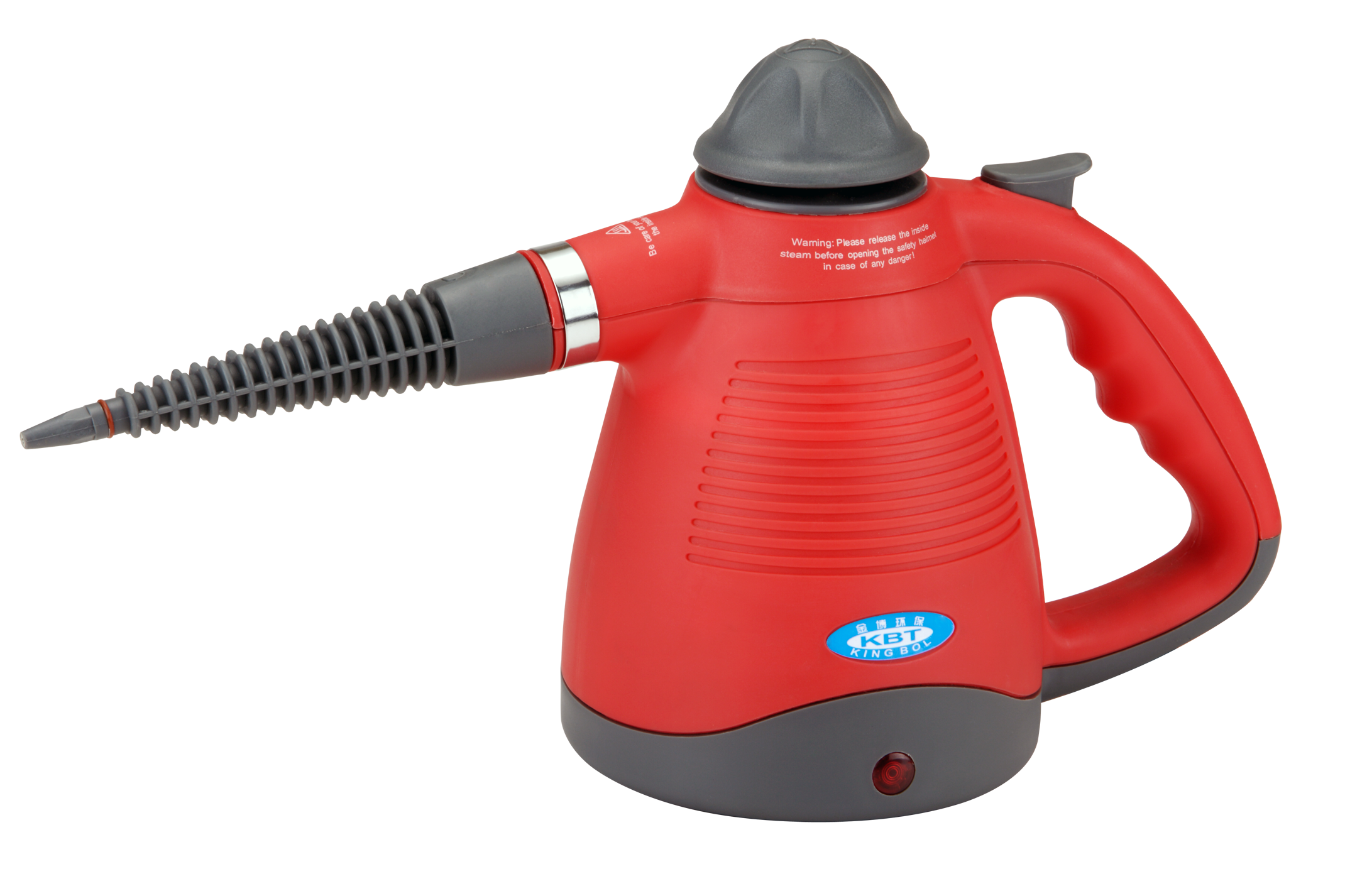
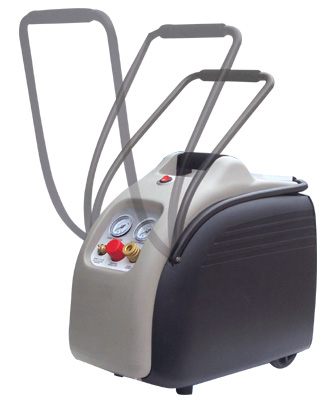
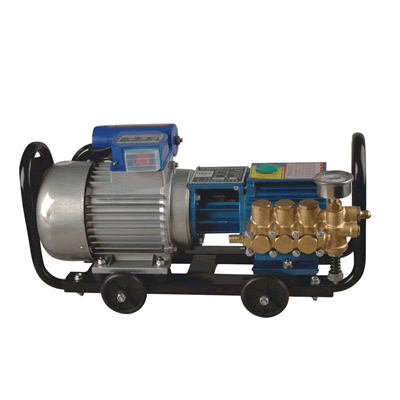
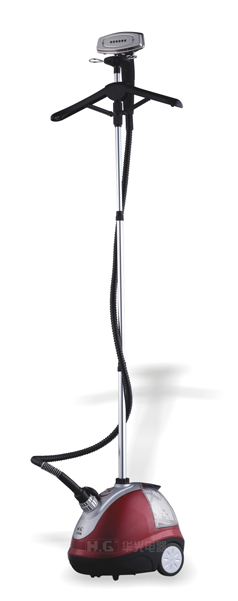
Steam Cleaners
Source high-quality steam cleaners from vetted manufacturers and suppliers in China and Asia. Designed for importers, wholesalers, distributors, and appliance brands requiring bulk purchasing or OEM/ODM production. Secure reliable manufacturing partners for your private-label steam cleaning appliance lines today.
Sourcing steam cleaners at scale requires balancing thermal efficiency, electrical safety, and pressure vessel integrity. Because these appliances combine water, high heat, and electricity under pressure, manufacturing defects carry significant liability risks. Successfully procuring these units means looking past the outer casing and rigorously evaluating the supplier’s boiler technology, pump quality, and assembly standards.
Core Boiler Technologies and Specifications
The heart of any steam cleaner is its boiler or heating block. The material and construction of the heating element dictate the unit's heat-up time, steam pressure (measured in bar), and longevity. Buyers must specify the exact boiler type based on their target market's price point and durability expectations.
| Boiler Material | Heat-Up Time | Scale Resistance | Market Application |
|---|---|---|---|
| Die-Cast Aluminum | Fast (under 3 mins) | Moderate (prone to pitting) | Entry-level to mid-range consumer |
| Stainless Steel | Slower (5-8 mins) | High (resists calcification) | Premium consumer & light commercial |
| Flash Heater (No Boiler) | Instant (under 30 secs) | Low (requires distilled water) | Lightweight steam mops |
Beyond the boiler, pay close attention to the steam delivery metrics. The operating pressure (typically 3.0 to 5.0 bar for household units) must be paired with a sufficient steam rate (grams per minute). A high pressure rating is meaningless if the unit cannot sustain the steam output over a continuous cleaning cycle.
Struggling to find a manufacturer with reliable boiler technology? Let our sourcing engineers identify and vet factories capable of meeting your exact performance specifications.
Discuss your projectManufacturing Quality Control and Safety
Steam cleaners are essentially small pressure vessels. If a factory cuts corners on the pressure relief valve, thermal fuses, or internal O-rings, the product can fail catastrophically. Relying on superficial factory tours is insufficient; you need rigorous, on-the-ground Factory Audits to verify their testing equipment and assembly line protocols.
Critical Factory-Level QC Checkpoints
- Hi-Pot (High Potential) electrical safety testing on 100 percent of units
- Pressure relief valve calibration and burst-pressure testing
- Thermal fuse and thermostat trigger verification
- Water tank seal and O-ring integrity under maximum operational pressure
- Continuous steam output measurement (g/min) over extended cycles
- Drop testing for casing integrity and internal component security
Implementing strict Quality Control & Inspection protocols before shipment is non-negotiable. Inspectors must pull random samples to verify that the internal wiring is properly insulated against moisture and that the heating elements match the approved golden sample.
OEM/ODM Customization and Tooling
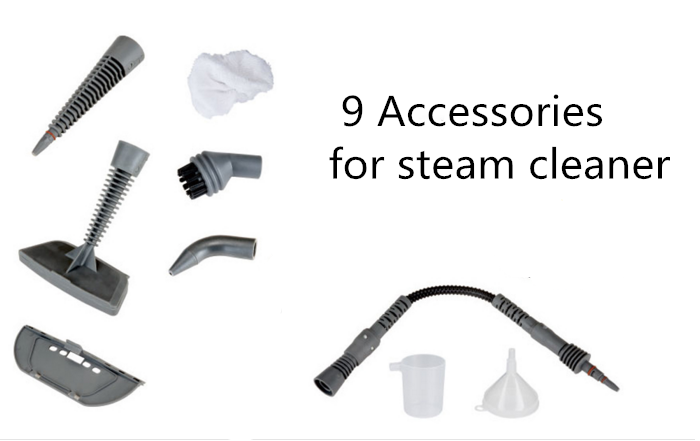
For brands looking to differentiate, off-the-shelf models often require modification. Customizing a steam cleaner usually involves modifying the external injection-molded casing, upgrading the attachment ecosystem (brushes, nozzles, microfiber pads), or integrating continuous-fill technology (using a dual-tank system).
When engaging in OEM/ODM Services, clarify who owns the injection molds. Modifying an existing chassis (ODM) is cost-effective, but developing a unique form factor (OEM) requires significant tooling investment and longer lead times for prototyping and mold creation.
Typical MOQs, Pricing, and Lead Times
Production realities in the steam cleaner category are heavily influenced by the complexity of the unit and the level of customization required. Standard white-label models have lower barriers to entry, while custom OEM projects require higher volume commitments to justify the tooling and compliance testing.
Need clarity on pricing and lead times for your next order? Our team can negotiate with top-tier manufacturers to secure competitive terms and reliable production schedules.
Get a free consultationFrequently Asked Questions
Sourcing steam cleaners is an exercise in risk management. Success depends on partnering with manufacturers who understand the thermal and pressure dynamics of the product, rather than those who simply assemble components. By enforcing strict quality standards and ensuring comprehensive Compliance & Testing, you can build a resilient supply chain for your appliance brand.
Get Sourcing Help for Steam Cleaners
Tell us your requirements and our experts will connect you with verified manufacturers.