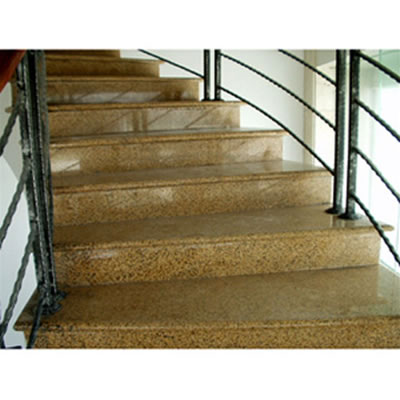
Stairs
Source high-quality stairs from vetted suppliers and manufacturers across Asia. Designed for importers, wholesalers, distributors, and construction procurement managers, our network offers reliable bulk production and custom OEM capabilities. Ensure structural integrity, code compliance, and precise fabrication on every shipment.
Sourcing complete staircases in bulk—whether standardized modular steel kits, floating residential stairs, or heavy-duty commercial egress systems—requires precise alignment between architectural specifications and factory capabilities. The primary challenge in importing stairs is not simply finding a metal or wood fabricator; it is ensuring the manufacturer can meet stringent regional building codes, execute complex multi-material assemblies, and package oversized, heavy components for damage-free international transit.
Defining Specifications and Engineering Standards
Staircase manufacturing often involves integrating structural steel, engineered wood, and tempered glass. When negotiating with suppliers, vague specifications lead to compromised structural integrity. Professional buyers must dictate exact material grades, dimensions, and finishing standards.
For steel components, specify the exact grade (e.g., Q235 or Q345 for structural carbon steel; SS304 or SS316 for stainless applications). Tread thickness, stringer dimensions, and the specific load-bearing capacity required for the target market's building codes (such as IBC in North America or EN standards in Europe) must be explicitly stated in the purchase order.
| Component | Standard Modular Kits | Custom Architectural |
|---|---|---|
| Stringer Material | Powder-coated Q235 steel | SS304 / SS316 or heavy-duty Q345 |
| Tread Options | Plywood, standard oak | Solid hardwood, laminated tempered glass |
| Balustrade | Pre-welded steel tube | Frameless glass with aluminum standoff |
| Surface Finish | Standard powder coat (60-80 microns) | Fluorocarbon baking paint or PVD coating |
If you are managing complex architectural specifications across multiple developments, finding a capable factory is just the first step.
Let us vet the technical capabilities of suppliers to ensure their engineering teams can match your structural requirements.
Talk to our teamManufacturing Tolerances and Quality Control
The critical point of failure in overseas stair manufacturing is the lack of factory-floor pre-assembly. A high-quality manufacturer will fully assemble the staircase in their facility, checking all tolerances, weld points, and bolt alignments before disassembling it for flat-pack shipping. If this step is skipped, dimensional deviations will compound on the job site, resulting in costly installation delays.
To mitigate these risks, robust Quality Control & Inspection protocols must be implemented directly at the factory.
Critical Factory Inspection Points
- Pre-assembly verification: Ensure all pre-drilled holes align and stringer angles match the shop drawings.
- Weld penetration and cleanup: Check for continuous, slag-free welds, particularly on load-bearing stringer brackets.
- Finish consistency: Measure powder coating thickness and check for uniform anodizing on aluminum channels.
- Glass safety compliance: Verify tempering marks and edge polishing on structural glass treads or railings.
- Hardware count: Ensure all specialized anchors, bolts, and standoffs are included and match the specified grade (e.g., Grade 8.8).
Furthermore, navigating regional safety regulations requires rigorous Compliance & Testing. Buyers must ensure that factories have verifiable test reports for load capacities and deflection limits, or arrange for third-party testing prior to shipment.
Pricing, MOQs, and Production Realities
The economics of importing stairs depend heavily on the level of customization and container optimization. Because stair components are bulky and heavy, shipping empty space is a common profit killer.
- Minimum Order Quantities (MOQs): For custom architectural stairs designed for specific real estate projects, factories often accept low MOQs, sometimes as low as 1 to 5 sets. For standardized modular kits (often sold by wholesalers), MOQs typically range from 20 to 50 sets to optimize production runs.
- Lead Times: Standard production lead times run between 30 and 45 days. However, highly customized designs involving specialized glass tempering or custom PVD finishing can push lead times beyond 60 days.
- Packaging: Proper packaging is non-negotiable. Glass components must be packed in fully enclosed, fumigated plywood crates with EPE foam separation. Steel stringers require heavy-duty wrapping to prevent scratching during transit.
Navigating freight for oversized, heavy architectural components requires careful planning.
Optimize your shipping consolidation, container loading, and landed costs with our logistics experts.
Get a free consultationFrequently Asked Questions
Successful procurement in the stair category comes down to controlling the engineering details and enforcing strict pre-shipment assembly checks. By standardizing your material specifications and utilizing rigorous on-site quality control, you can secure high-margin, code-compliant architectural products while mitigating the risks of overseas fabrication.
Get Sourcing Help for Stairs
Tell us your requirements and our experts will connect you with verified manufacturers.