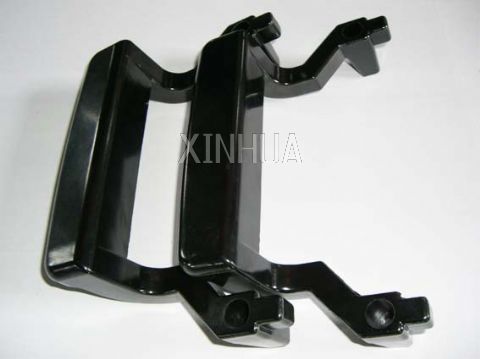
Stabilizers
Source bulk camera and smartphone stabilizers from vetted manufacturers. Designed for importers, distributors, and electronics brands seeking reliable OEM/ODM production, our supplier network delivers precision gimbals and mechanical steadycams. Secure competitive pricing, strict quality control, and scalable manufacturing for your supply chain.
Camera stabilizers and 3-axis motorized gimbals represent a complex intersection of mechanical engineering and software design. They require a precise marriage of brushless DC motors, inertial measurement unit (IMU) sensors, and sophisticated proportional-integral-derivative (PID) control algorithms. Sourcing these devices in bulk means navigating a supply chain where minor firmware bugs, poor sensor calibration, or substandard motor windings can render an entire production run unsellable.
For professional buyers, securing a reliable manufacturer requires looking past the outer casing and evaluating the factory’s R&D capabilities, PCBA quality, and motor-testing protocols.
Defining Hardware Specifications
When negotiating with gimbal factories, vague specifications lead to inconsistent performance. The core components dictate both the manufacturing cost and the final product's reliability.
Critical Stabilizer Specifications to Define
- Motor Torque & Winding: Specify required torque (Nm) based on payload. Undersized motors cause jitter and rapid battery drain.
- IMU Sensor Grade: Consumer-grade vs. industrial-grade gyroscopes. The IMU dictates stabilization accuracy and drift over time.
- Material Selection: Aerospace-grade aluminum alloy (lighter, more rigid) versus standard ABS plastic or heavier steel components.
- Battery Chemistry & Capacity: Typically lithium-ion (18650 or 21700 cells). Specify mAh, discharge rates, and required safety ICs.
- Connectivity & App Integration: Bluetooth 5.0+ modules and the factory's capability to provide SDKs or white-label companion apps.
Payload capacity is the primary driver of motor size, battery requirements, and structural materials. Factories typically categorize their production lines by target device.
| Device Category | Typical Payload | Motor Type | Primary Material |
|---|---|---|---|
| Smartphone Gimbals | Under 350g | Low-torque brushless | ABS / Polycarbonate |
| Action Camera | Under 200g | Micro brushless | ABS / Aluminum |
| Mirrorless / DSLR | 1.5kg to 3.5kg | High-torque brushless | Aluminum Alloy |
| Cinema Rigs | Over 4.5kg | Heavy-duty encoded | Carbon Fiber / Aluminum |
Navigating complex electronic supply chains requires specialized oversight. Let us help you identify and vet capable stabilizer manufacturers.
Talk to our teamManufacturing Processes and Quality Control
The production of electronic stabilizers is concentrated heavily in the Guangdong province of China, particularly around Shenzhen and Dongguan. While many factories claim to manufacture gimbals, a significant portion are mere assembly houses relying on third-party PCBA and generic firmware.
Assessing a factory's true capability requires verifying their in-house processes. A robust manufacturer will have dedicated stations for motor balancing, IMU calibration, and aging tests. Conducting thorough Factory Audits before placing a volume order is critical to ensure the supplier actually controls their software and hardware integration.
Common Defects and Inspection Points
Even with top-tier suppliers, rigorous Quality Control & Inspection is non-negotiable. Standard AQL (Acceptable Quality Limit) inspections must be adapted to include functional testing specific to stabilizers:
- Micro-Jitter: Often caused by poorly tuned PID algorithms or unbalanced motor bells. Units must be tested at various payload extremes.
- Horizon Drift: The camera slowly tilts off-axis over time. This indicates a faulty IMU sensor or poor factory calibration.
- Overheating: Motors that run excessively hot under normal loads usually suffer from internal winding shorts or are undersized for the stated payload.
- App Connectivity Failures: Bluetooth dropouts or failure to sync with the companion application across different mobile operating systems.
Sourcing Mechanics: MOQs, Pricing, and Lead Times
Stabilizer production involves significant upfront capital, especially if you are pursuing custom OEM/ODM Services. Standard white-label products (where you apply your branding to an existing factory design) offer lower barriers to entry, while custom tooling and proprietary firmware require higher commitments.
Pricing is highly volatile and depends heavily on the cost of the internal components. A smartphone gimbal might wholesale between $25 and $45, whereas a professional DSLR stabilizer can range from $150 to $300+ per unit at wholesale volumes. Always tie your pricing negotiations to a strict Bill of Materials (BOM) to prevent the factory from silently swapping in cheaper motors or lower-capacity batteries during production.
Ensure your next production run meets strict quality and compliance standards. Speak with our sourcing experts today.
Get a free consultationFrequently Asked Questions
Successfully sourcing stabilizers in bulk requires balancing mechanical precision with software reliability. By establishing strict hardware specifications, mandating comprehensive functional testing during QC, and partnering with factories that possess genuine R&D capabilities, you can mitigate the high defect rates that plague lower-tier electronics manufacturing.
Get Sourcing Help for Stabilizers
Tell us your requirements and our experts will connect you with verified manufacturers.