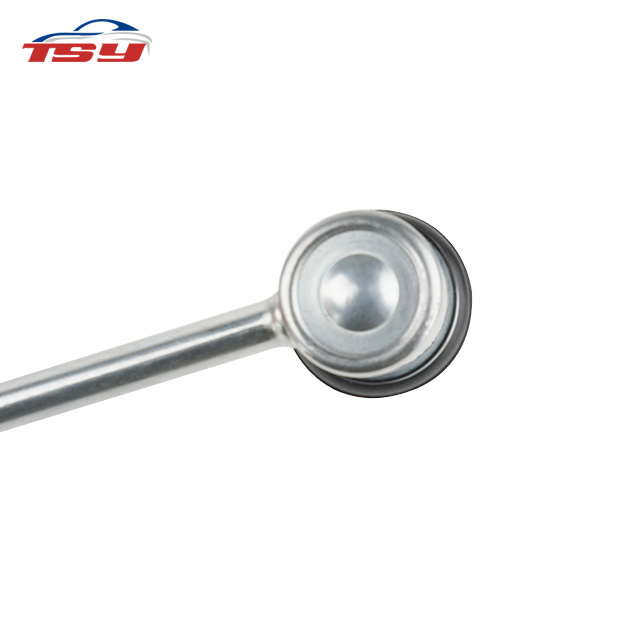
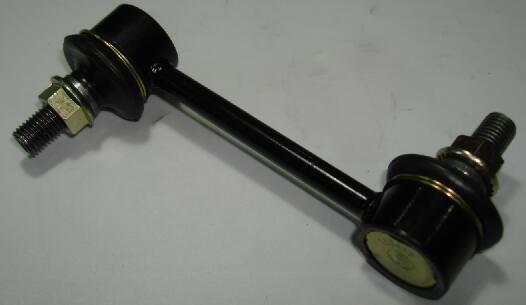
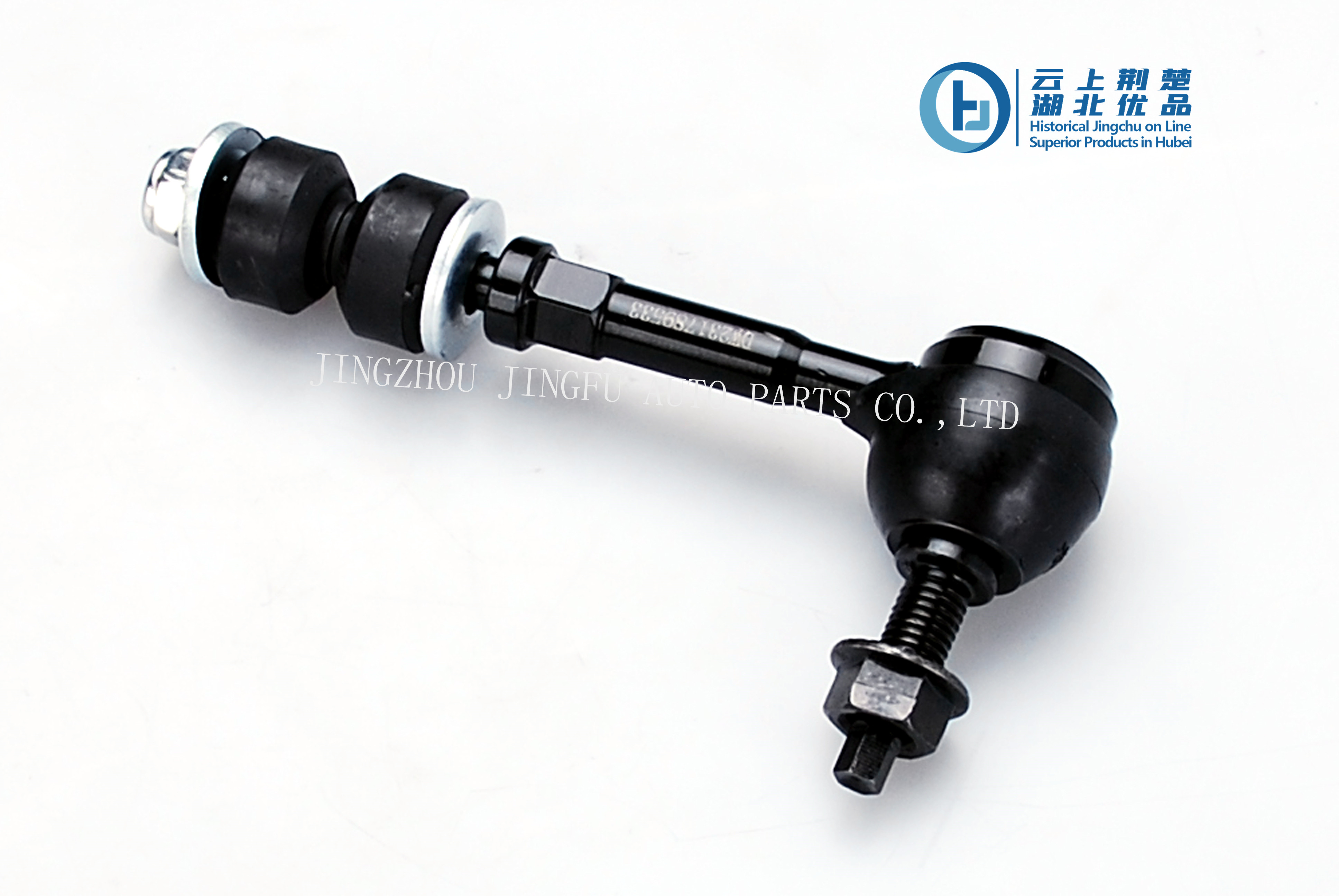
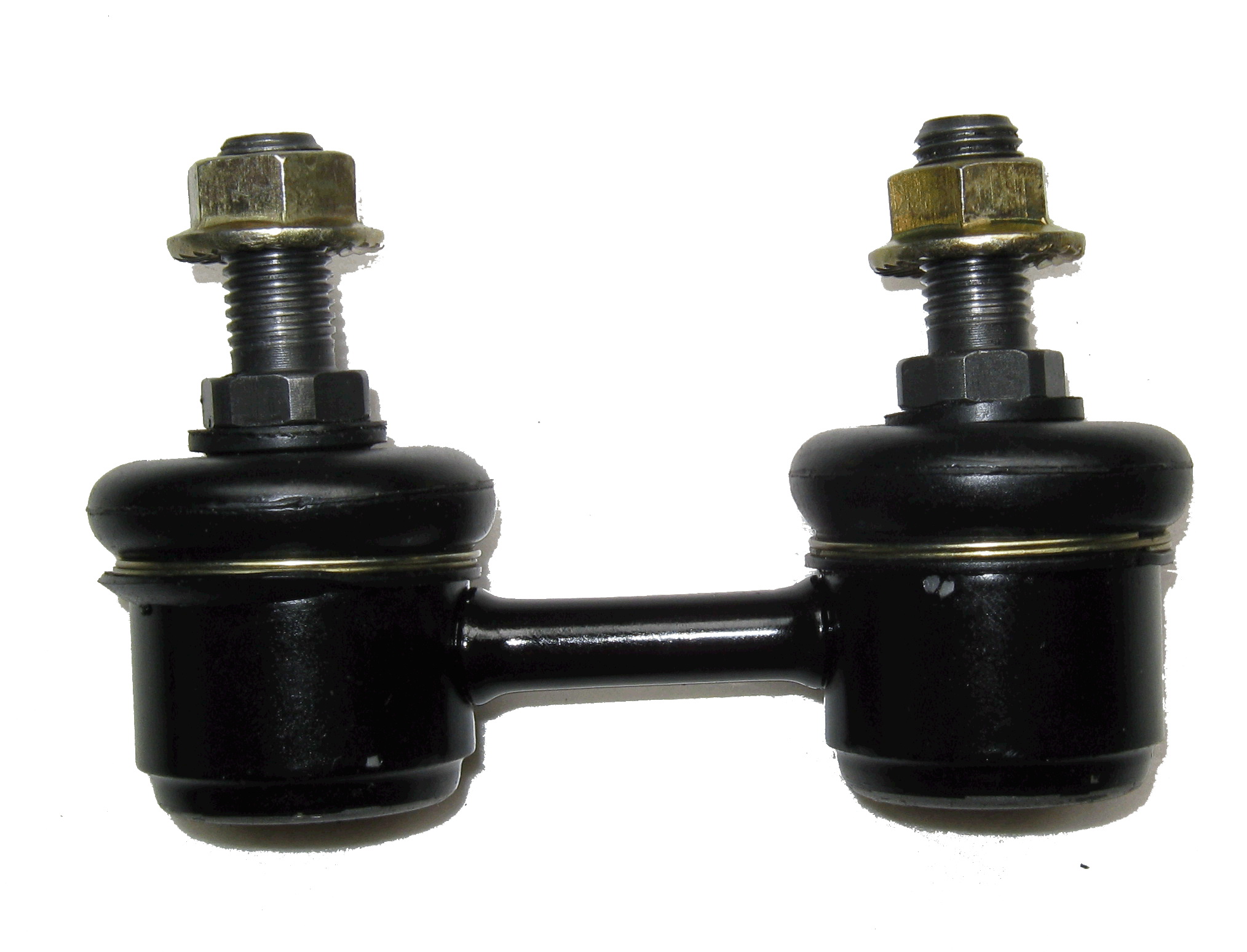
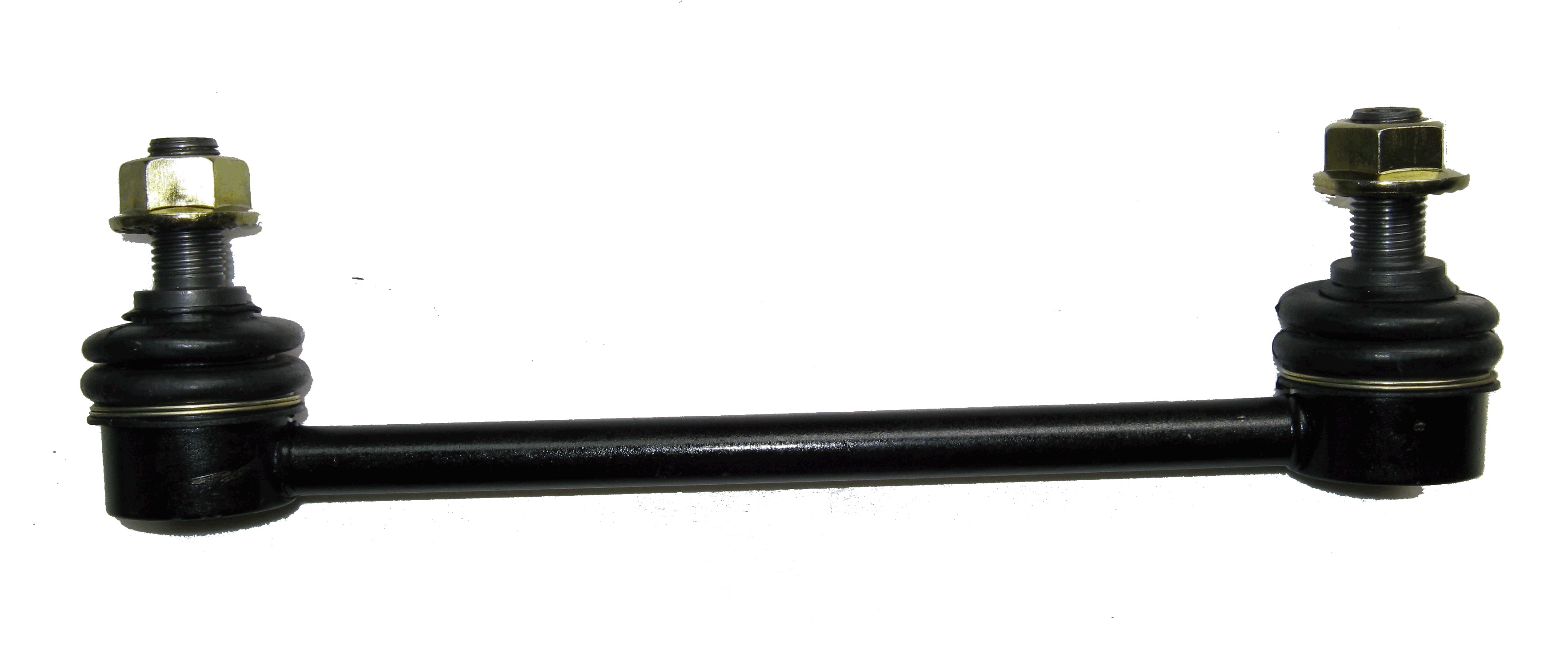
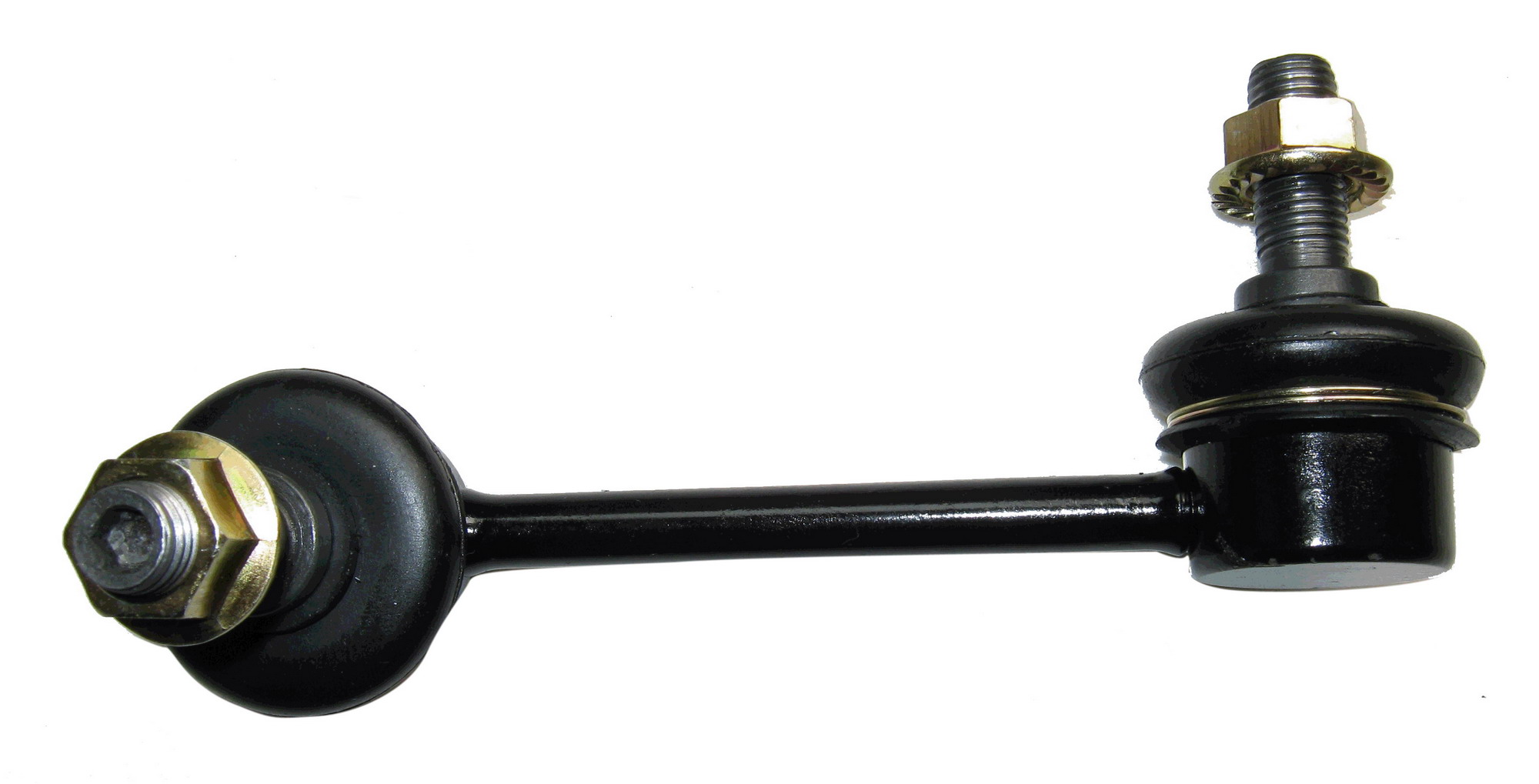
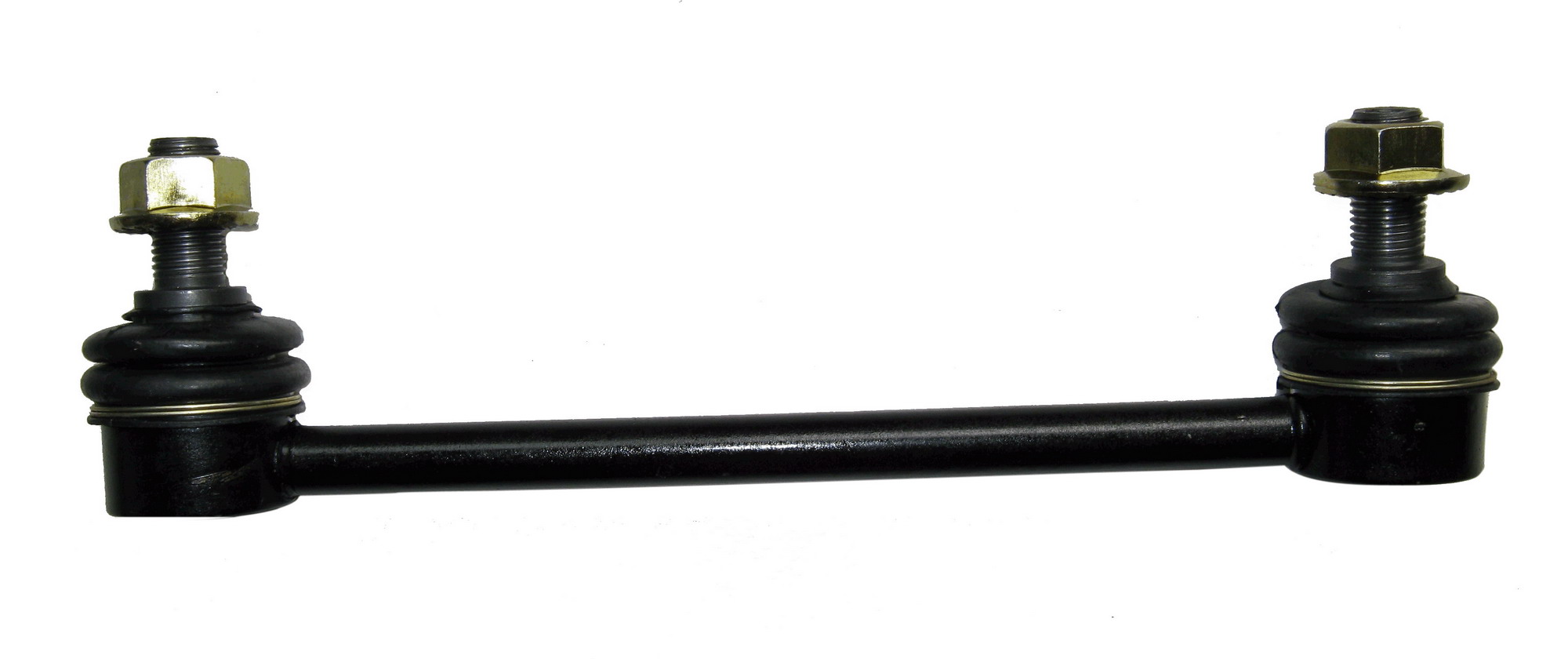
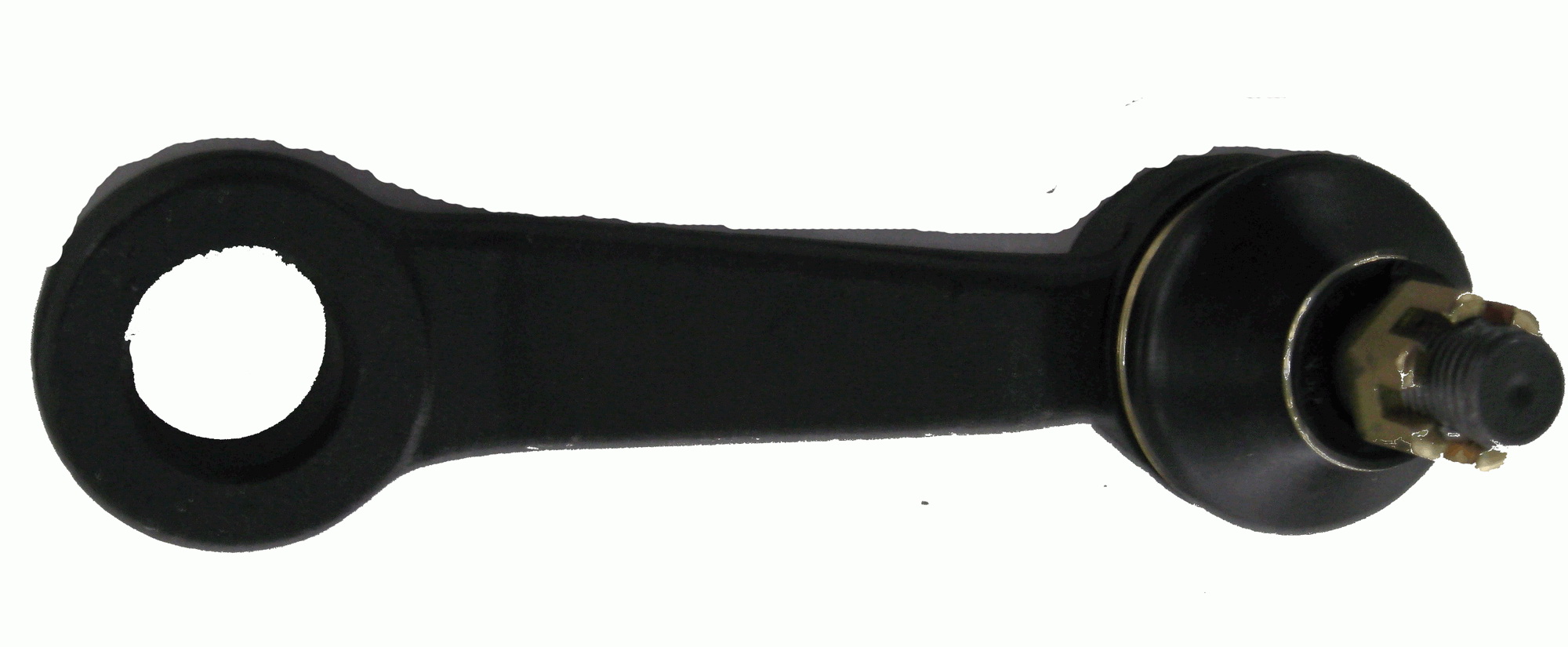
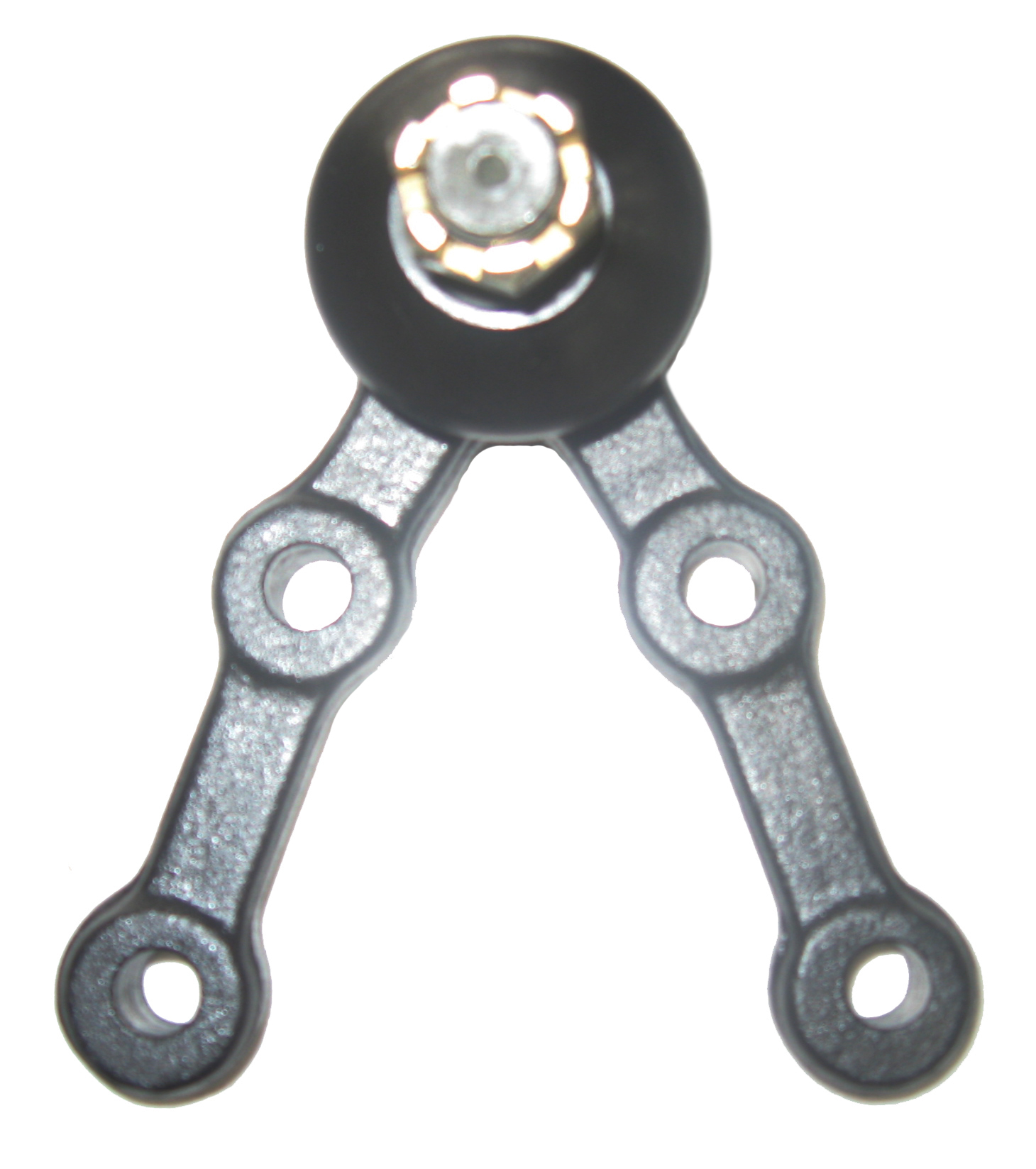
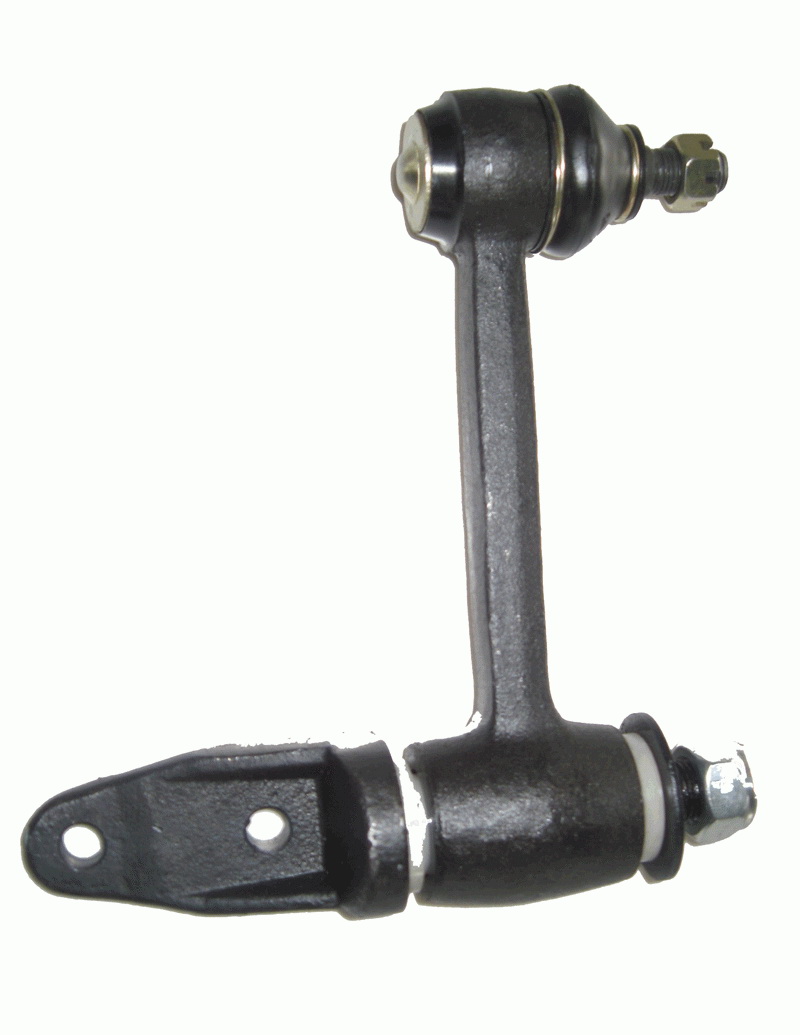
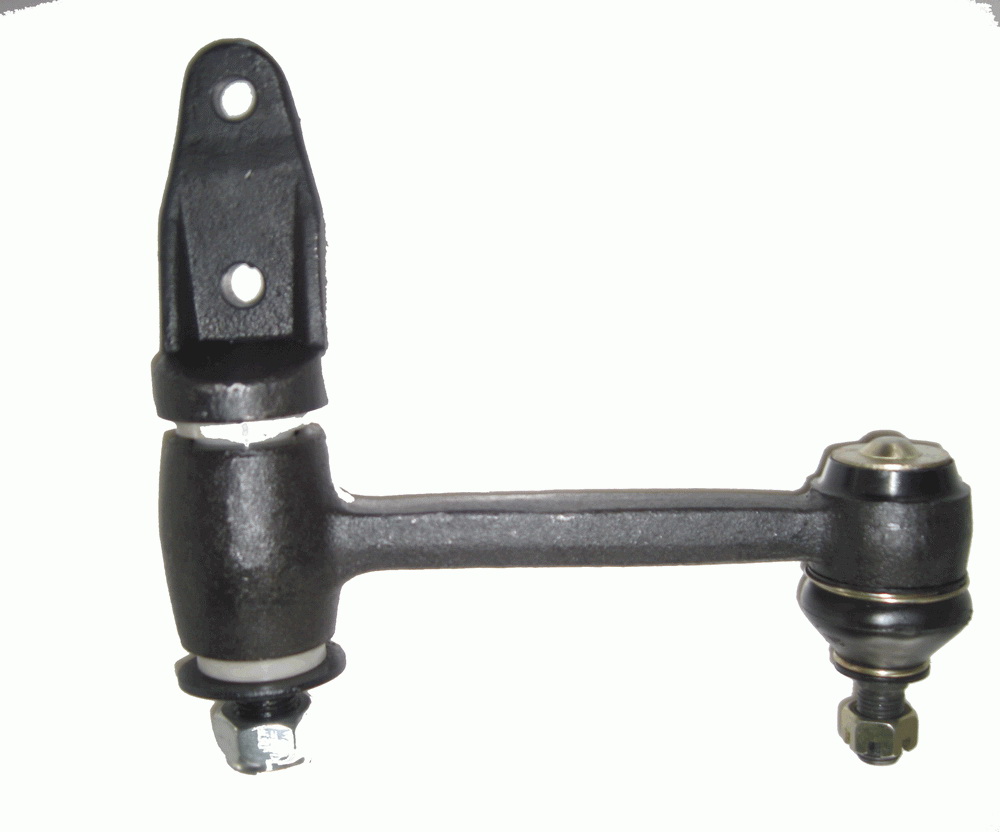
Stabilizer Links
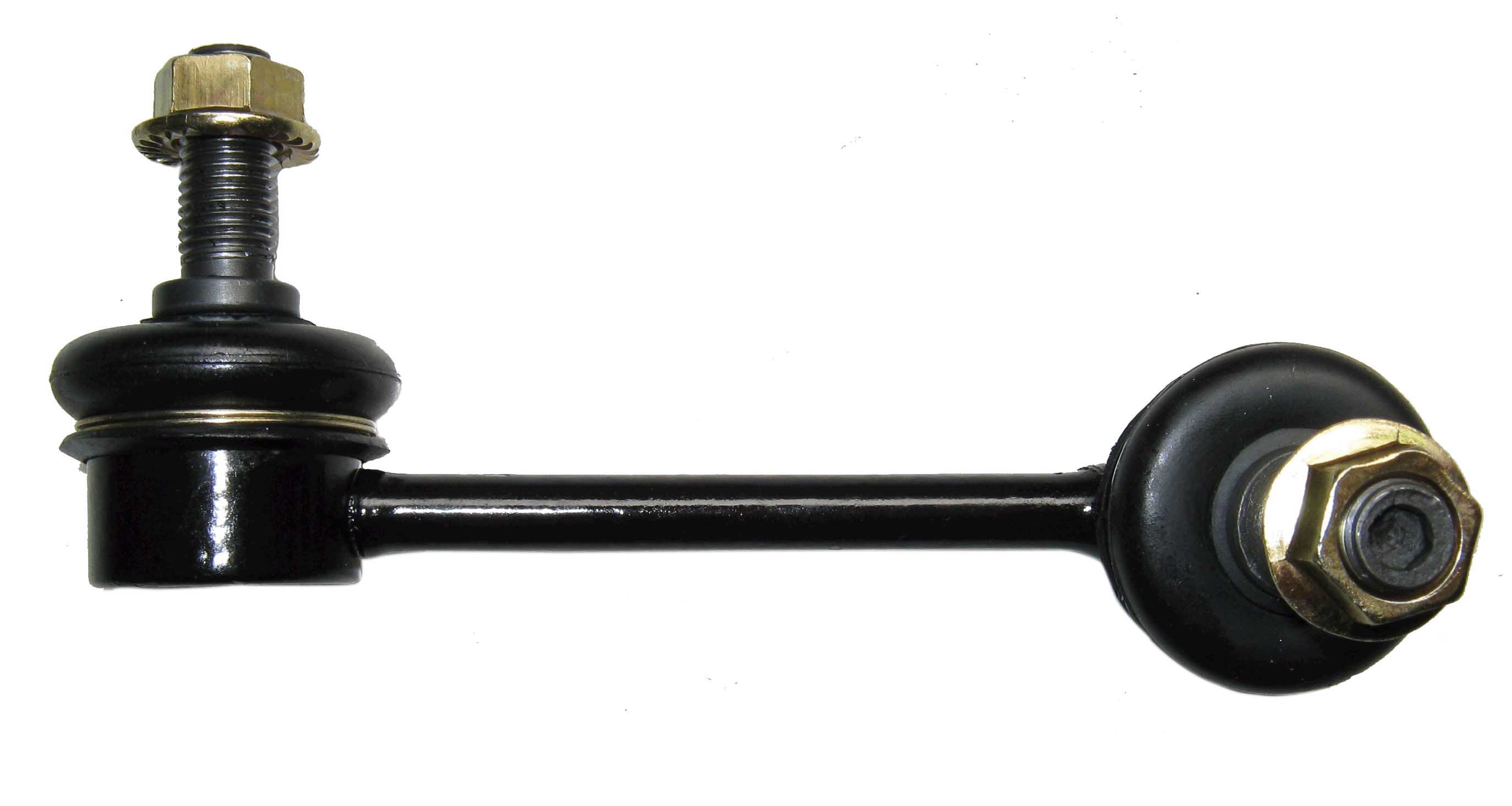
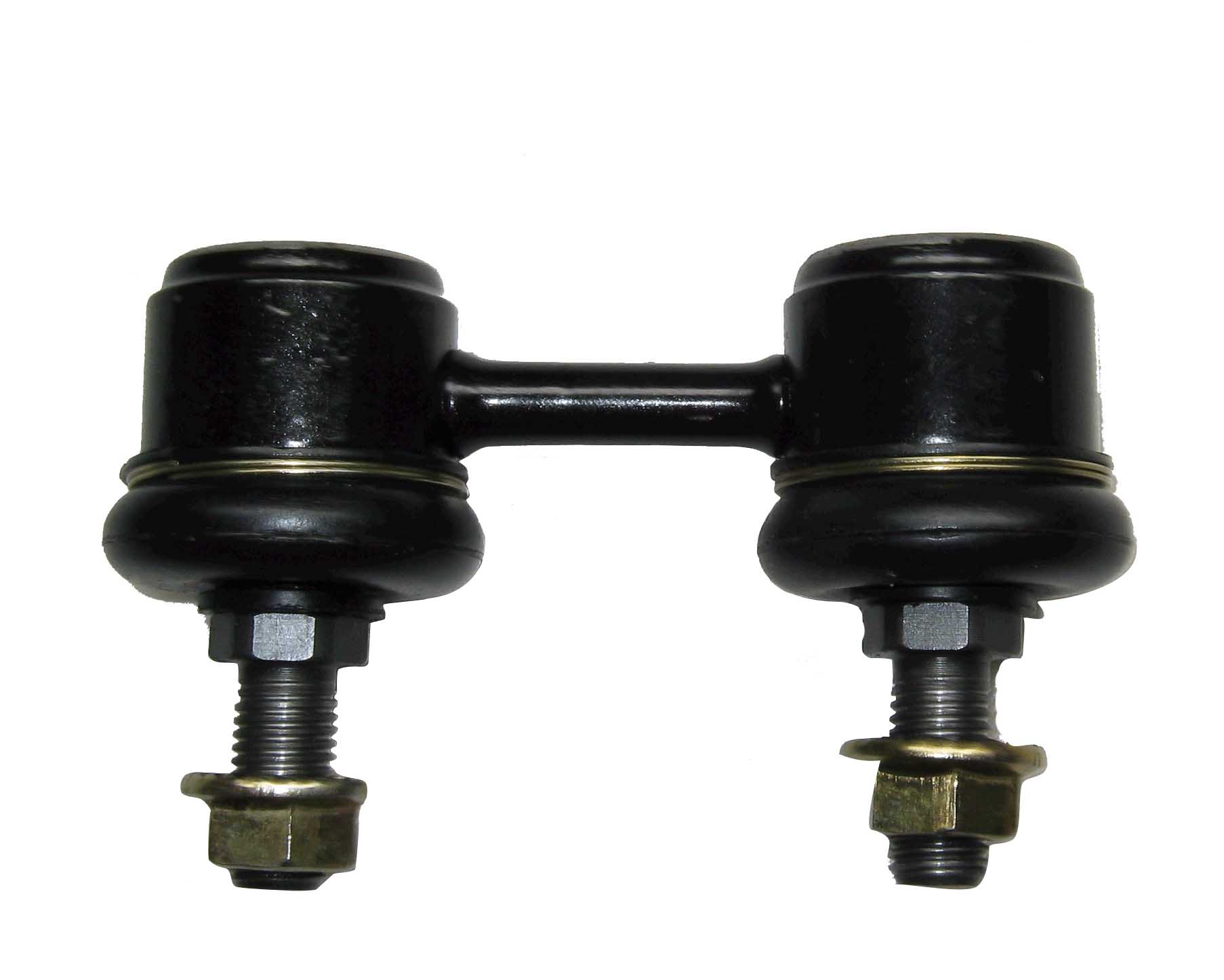
Source high-quality stabilizer links from vetted suppliers and manufacturers in China and across Asia. Designed for automotive parts importers, wholesale distributors, and brands seeking reliable bulk or OEM/private-label production, this selection meets rigorous aftermarket and OE standards.
Sourcing automotive stabilizer links (also known as sway bar links) at scale requires balancing unit cost with critical safety and durability standards. As a primary connection point in a vehicle's suspension system, these components endure constant dynamic loading, vibration, and exposure to harsh road conditions. A failure in the ball joint, rod, or bushing directly impacts vehicle handling and safety. For volume buyers, the challenge lies in verifying that a factory's material specifications, machining tolerances, and assembly processes consistently meet the demands of your target market, whether you are supplying the standard aftermarket or developing heavy-duty performance parts.
Key Technical Specifications to Define
When negotiating with manufacturers, vague specifications lead to inconsistent batches. You must clearly define the materials and tolerances for every sub-component of the stabilizer link.
Rod and Body Materials
The main body of the link dictates its tensile strength and resistance to bending forces.
| Material Type | Typical Application | Key Sourcing Consideration |
|---|---|---|
| Forged Carbon Steel (e.g., 45# or 40Cr) | Standard passenger and light commercial vehicles | Requires proper heat treatment to achieve optimal yield strength. |
| Aluminum Alloy | Modern lightweight passenger vehicles | Check for porosity in cast links; extruded or forged aluminum offers higher integrity. |
| Reinforced Composite/Plastic | Specific OE replacements (e.g., European models) | Must use high-grade fiberglass-reinforced polymers (PA66+GF) to prevent cold-weather brittleness. |
Ball Pin and Housing Integrity
The ball joint is the most common point of failure. Specify the ball pin material—typically Cr-Mo steel or hardened carbon steel—and mandate a highly polished surface finish (surface roughness Ra under 0.4) to minimize friction and wear on the POM (polyoxymethylene) seat.
Additionally, the dust boot (dust cover) must be specified. Standard natural rubber degrades quickly when exposed to ozone, oil, and extreme temperatures. Specify CR (Chloroprene Rubber) or EPDM for superior longevity. Finally, ensure the factory uses high-grade synthetic lithium or molybdenum disulfide grease designed to withstand extreme temperature fluctuations.
Need help verifying a factory's material specifications and engineering tolerances? Merhein's technical sourcing team can evaluate suppliers and ensure they meet your exact requirements.
Talk to our teamManufacturing and Quality Control Checkpoints
Not all suspension factories operate to the same standards. A supplier might present pristine samples, but their mass-production consistency depends entirely on their internal process controls. When evaluating a supplier's facility—often through comprehensive Factory Audits—pay close attention to their machining and assembly lines.
Critical QC Checkpoints for Stabilizer Links
- Ball Pin Pull-Out Force Testing: Ensures the housing is properly crimped or rolled over the ball pin, preventing separation under heavy load.
- Rotational Torque Testing: Verifies that the ball joint moves smoothly without excessive play or binding, which causes premature wear.
- Salt Spray Testing: Confirms the efficacy of the electrophoretic coating (e-coating) or zinc plating on the metal body (typically requiring 72 to 120 hours of resistance).
- Fatigue Testing: Simulates the dynamic oscillation of the suspension system to ensure the link can withstand hundreds of thousands of cycles without structural failure.
Relying solely on factory-provided test reports is a risk. Implementing independent Quality Control & Inspection protocols, including pre-shipment inspections and random batch testing, is essential to catch defects before containers are loaded. Look for suppliers holding valid IATF 16949 certifications, which indicate a baseline adherence to automotive quality management systems.
Wholesale Pricing, MOQs, and Lead Times
The automotive aftermarket is highly competitive, and purchasing directly from the manufacturer offers significant margin advantages. However, buyers must navigate realistic production requirements.
If you are building an aftermarket brand, leveraging OEM/ODM Services allows you to customize the product—such as upgrading to heavy-duty ball joints or applying custom branded e-coatings—while utilizing the factory's existing manufacturing infrastructure. Tooling costs for new stabilizer link designs are generally moderate compared to larger suspension components, making private-label expansion highly viable.
Managing multiple SKUs, negotiating MOQs, and coordinating production schedules can strain procurement teams. Let Merhein streamline your suspension parts supply chain.
Get a free consultationFrequently Asked Questions
Sourcing stabilizer links in volume is an exercise in strict specification management and relentless quality oversight. Success in the automotive aftermarket requires partnering with factories that treat process control as a daily discipline, not just a certification on the wall. Securing those partnerships and managing the technical details is where experienced sourcing support proves its value.
Get Sourcing Help for Stabilizer Links
Tell us your requirements and our experts will connect you with verified manufacturers.