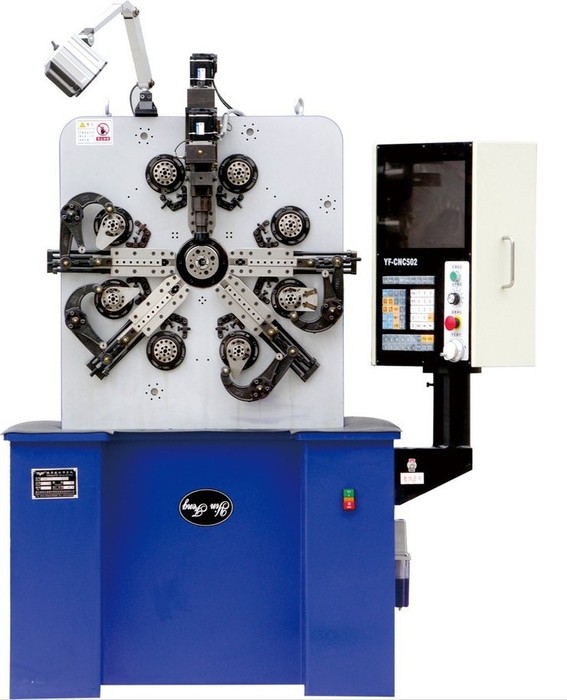
Spring Coiling Machines
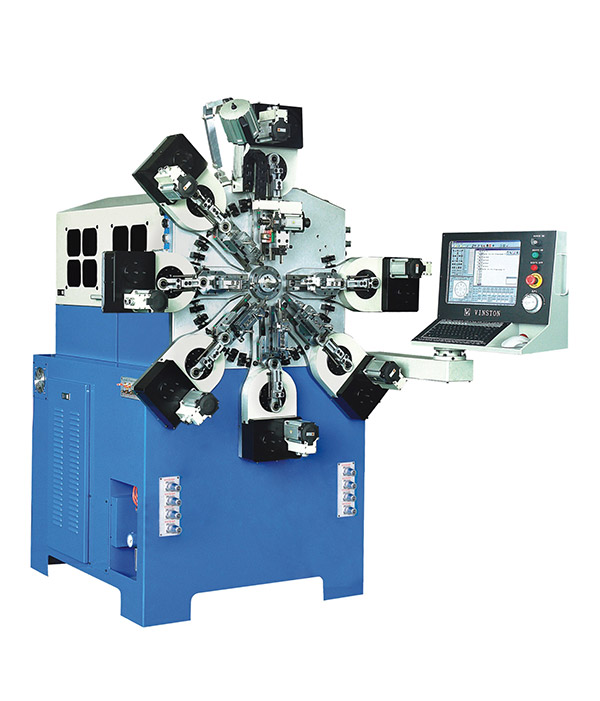
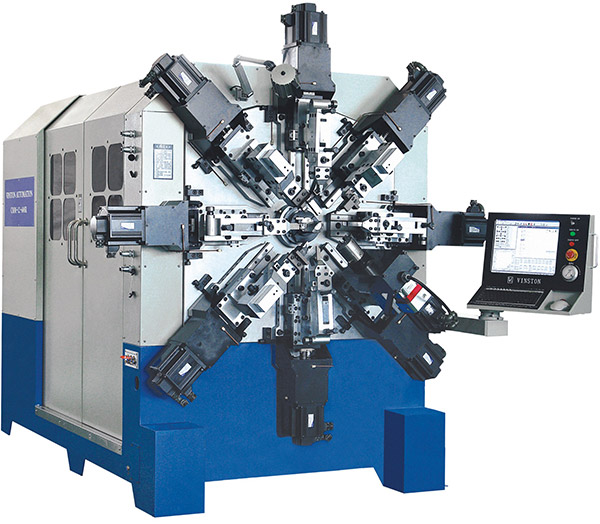
Source industrial-grade spring coiling machines from vetted manufacturers and suppliers in Asia. Designed for importers, machinery distributors, and manufacturing facilities, our network offers advanced CNC equipment for precise, high-volume wire forming and spring production.
Sourcing spring coiling machines requires balancing precision engineering with long-term reliability. Whether you are supplying regional manufacturing facilities or upgrading your own production floor, the equipment must handle strict tolerances and continuous operation. The challenge lies in verifying that a manufacturer’s claims about servo accuracy, control systems, and mechanical durability hold up under industrial workloads.
Key Specifications to Define
When negotiating with manufacturers, vague requirements lead to underpowered or inaccurate machinery. You must define the exact operational envelope the machine will handle.
Critical Sourcing Parameters
- Wire Diameter Range (e.g., 0.15mm to 2.5mm or heavy-duty 3.0mm to 8.0mm)
- Number of CNC Axes (typically 2-axis to 12-axis systems depending on complexity)
- Maximum Production Speed (pieces per minute based on a standard spring profile)
- Wire Feed Accuracy (tolerance in millimeters)
- Control System Origin (e.g., Yaskawa servos, proprietary vs. standard CNC controllers)
- Power Requirements (voltage, phase, and total kW consumption)
The number of axes directly impacts the machine's versatility. While a basic 2-axis machine handles standard compression springs, complex torsion or tension springs require 4 to 8 axes to manipulate the wire without manual secondary operations.
Need help verifying technical specifications with overseas machinery manufacturers? Let us handle the technical translation and capability assessments.
Talk to our teamComponent Quality and Manufacturer Verification
The longevity of a spring coiling machine relies heavily on the quality of its internal components. Chinese manufacturers range from assemblers using budget parts to high-end producers integrating Japanese or European servo motors and linear guides.
Where Quality is Won or Lost
- Servo Motors and Drives: The heart of the machine's accuracy. Look for recognized brands (like Yaskawa, Sanyo Denki, or Delta). Inferior servos lead to thermal drift and inconsistent spring lengths over a shift.
- Tooling Material: The wire guides, feed rollers, and cutting blades must be made from high-grade tungsten carbide or specialized tool steel (like SKD11) to withstand continuous friction.
- Software Interface: A rigid, poorly translated, or buggy CNC interface increases setup time and scrap rates. Request video demonstrations of the software during complex profile programming.
Relying solely on a specification sheet is risky with capital equipment. Conducting thorough Factory Audits ensures the supplier has the machining capabilities to produce rigid cast-iron frames and the assembly standards required for precision CNC equipment.
Quality Control and Acceptance Testing
Never authorize final payment before the machine has been tested producing your specific spring designs. Factory Acceptance Testing (FAT) is critical.
Material Verification
Ensure the factory tests the machine using the exact wire material and tensile strength you will use in production.
Continuous Run Test
Run the machine at maximum rated speed for at least 4 hours to check for servo overheating and dimensional drift.
Tolerance Verification
Measure a random sample of produced springs using digital optical comparators to confirm length and diameter consistency.
Software and Safety Check
Verify all emergency stops, safety interlocks, and software alarm functions operate correctly.
Implementing stringent Quality Control & Inspection protocols before the machine is crated prevents the nightmare of receiving a misaligned or malfunctioning unit overseas.
Pricing, MOQs, and Lead Times
Spring coiling machines are capital investments, and pricing varies drastically based on the wire capacity and number of CNC axes.
When negotiating pricing, clarify what is included. Does the price cover a standard tooling package, a wire decoiler, and spare parts? Often, budget quotes exclude the decoiler, which is essential for operation. If you require specific modifications or private branding, OEM/ODM Services can facilitate custom paint, interfaces, and safety enclosures to meet regional compliance standards.
Looking for accurate pricing and lead times for specific CNC spring coiling machines? We can source quotes from verified, export-ready manufacturers.
Get a free consultationFrequently Asked Questions
Investing in spring coiling machinery requires rigorous technical vetting and uncompromising quality assurance before shipment. By focusing on component origin and demanding strict factory acceptance testing, you can secure equipment that delivers decades of reliable production.
Get Sourcing Help for Spring Coiling Machines
Tell us your requirements and our experts will connect you with verified manufacturers.