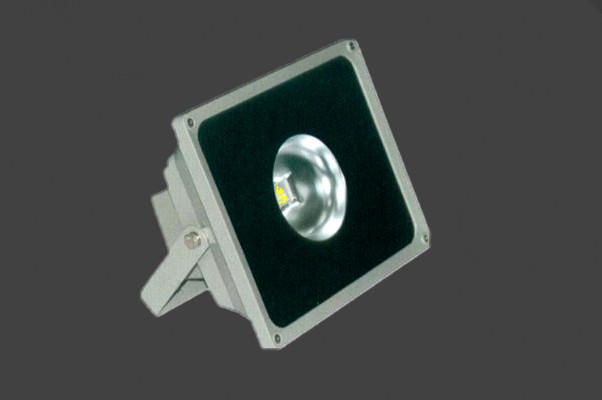
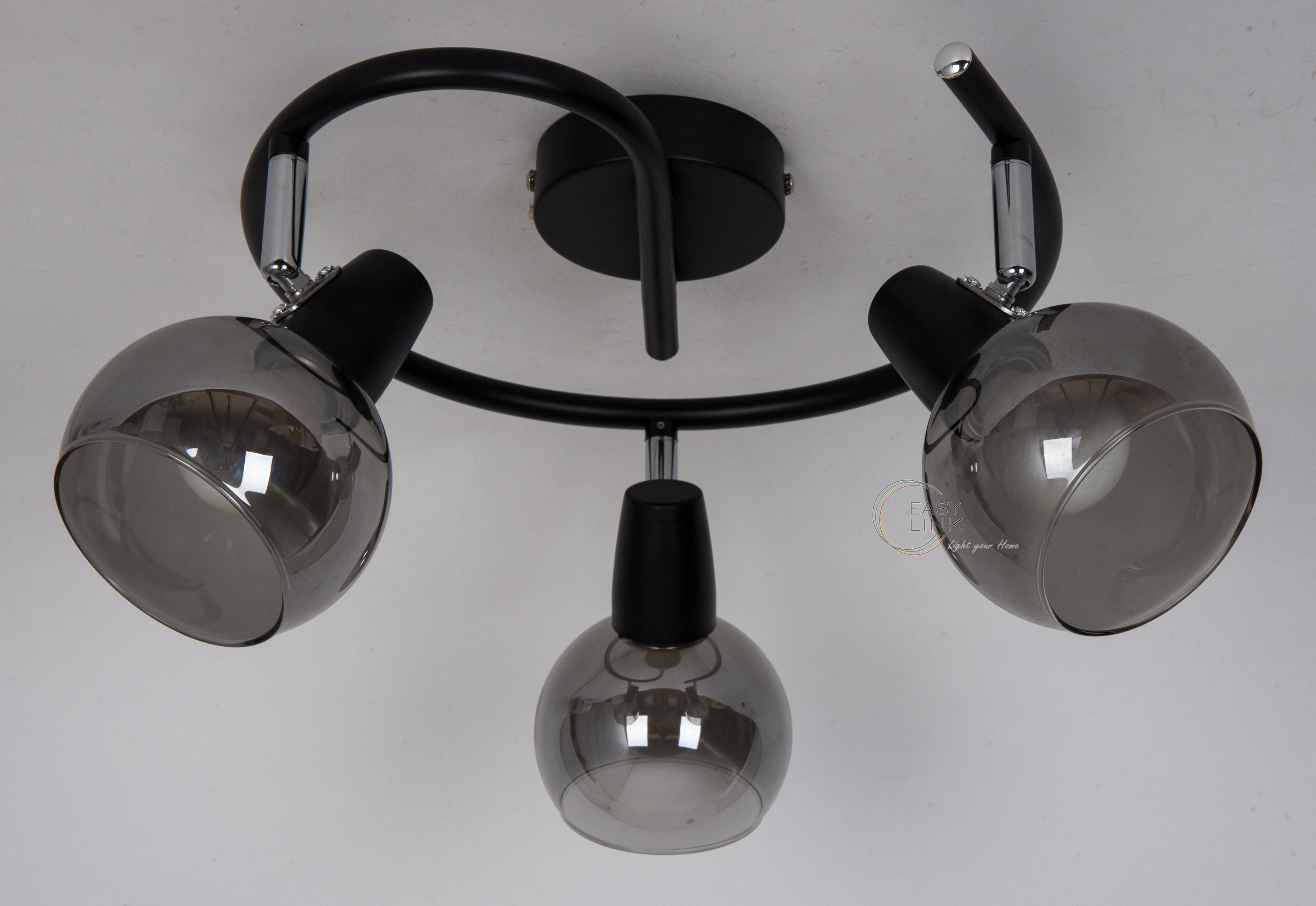
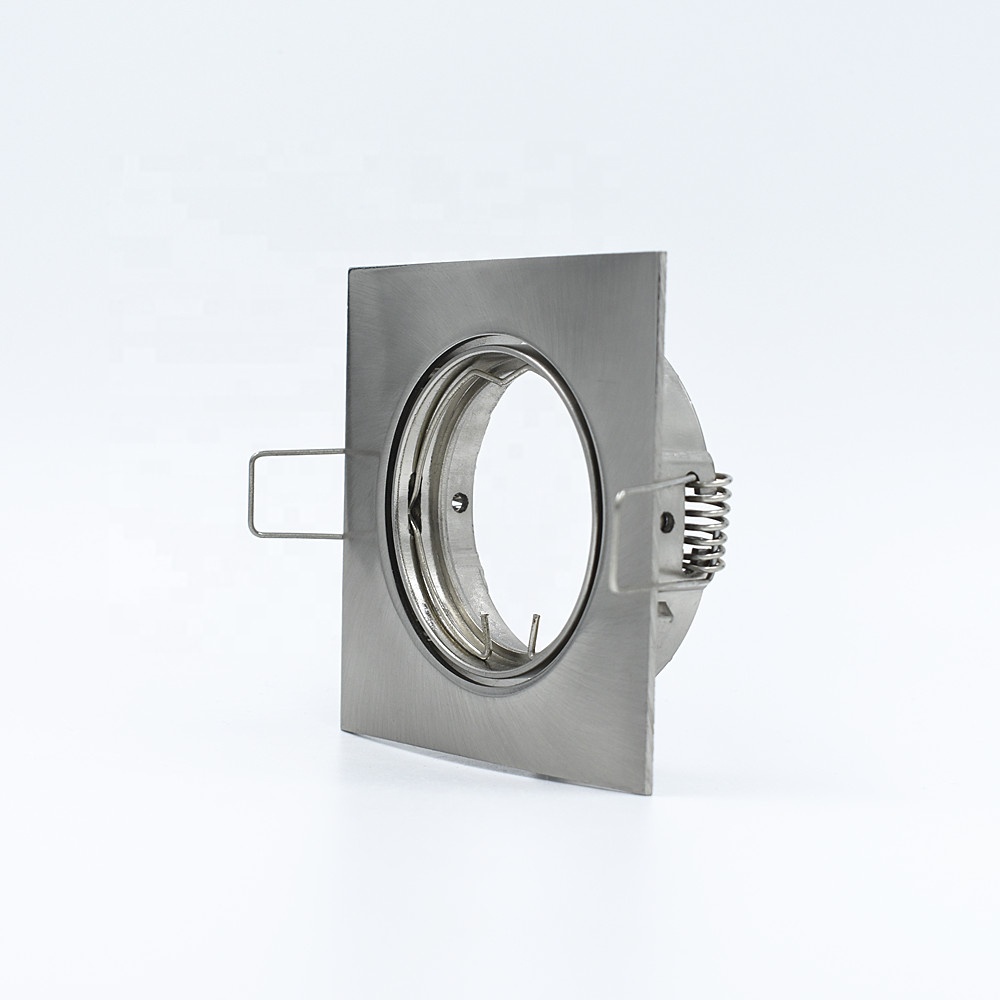
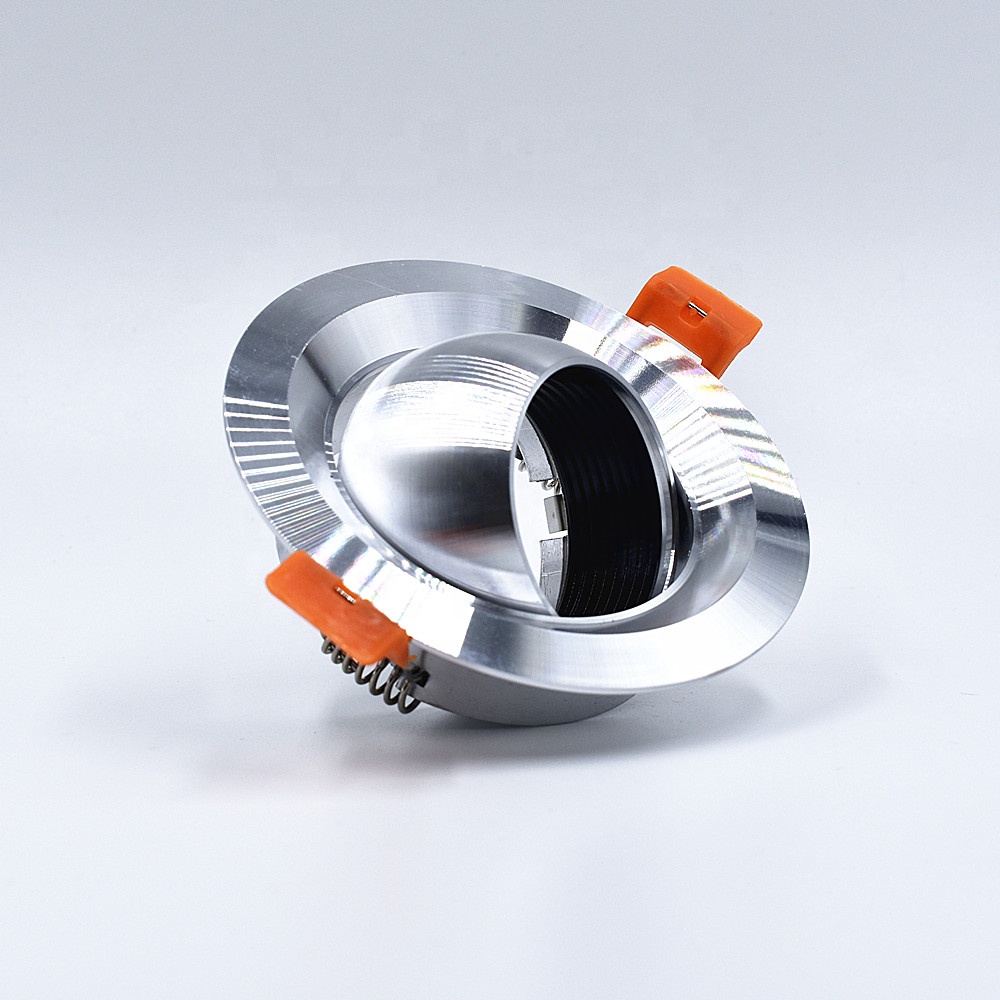
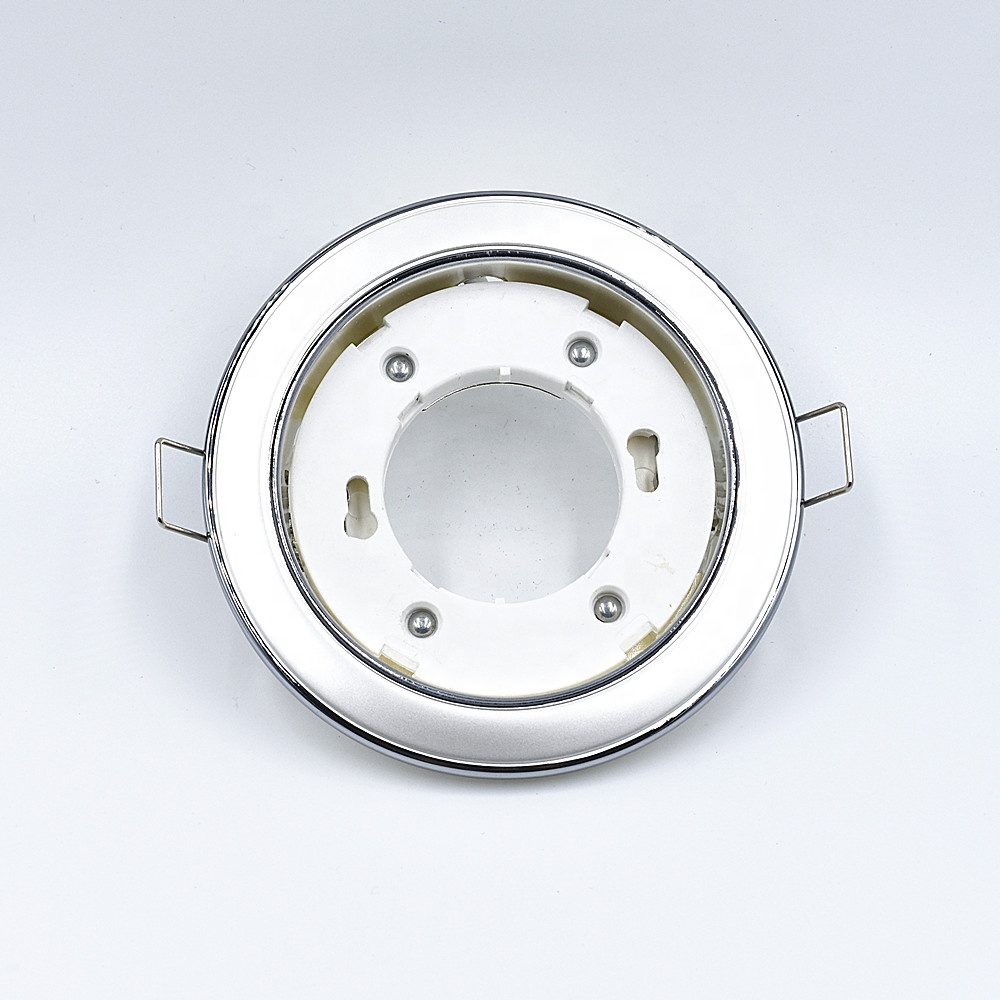
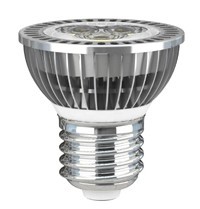
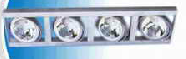
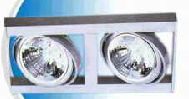
Spotlights
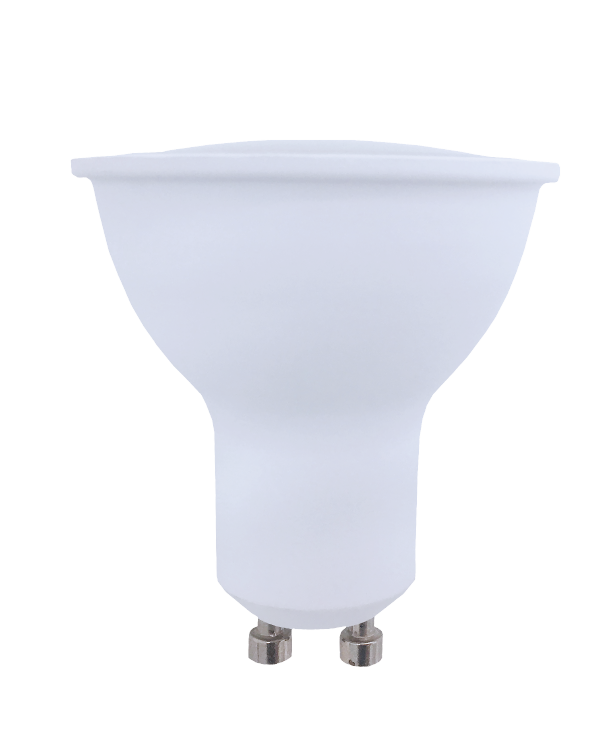
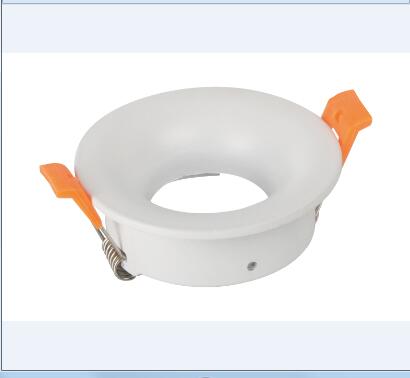
Source high-quality spotlights from vetted suppliers and manufacturers in China and across Asia. Designed for importers, electrical distributors, and lighting brands seeking reliable OEM or private-label production, our bulk wholesale spotlights meet strict international compliance standards for commercial and residential applications.
Sourcing indoor spotlights in volume requires balancing optical performance, thermal management, and electrical reliability. Whether you are outfitting commercial retail spaces, hospitality venues, or residential developments, the variance between a premium fixture and a rapid-failure unit rarely comes down to the external housing. The true quality is hidden in the driver architecture, the LED package, and the thermal dissipation design.
Successfully importing spotlights means looking past surface-level specifications to verify the underlying components and the factory's assembly standards.
Defining Optical and Technical Performance
Commercial buyers must specify exact photometric and electrical parameters. Leaving these open to factory interpretation often results in inconsistent batches, particularly in color temperature and glare control.
| Parameter | Standard Commercial | High-End Retail/Gallery |
|---|---|---|
| Color Rendering (CRI) | 80 to 90 | 95+ (R9 ≥ 50) |
| Color Consistency | ≤ 5 SDCM | ≤ 2 to 3 SDCM |
| Glare Control (UGR) | ≤ 22 | ≤ 16 to 19 |
| Dimming Protocol | Standard Triac | DALI, 0-10V, or Zigbee |
For environments where product presentation is critical, such as retail and galleries, the R9 value (red color rendering) is just as important as the overall CRI. Furthermore, MacAdam ellipses (SDCM) dictate color consistency; anything over 5 SDCM will result in noticeable color shifts between fixtures in the same ceiling.
Need help finding manufacturers capable of tight SDCM tolerances and premium optical performance?
Talk to our teamManufacturing Tolerances and Component Selection
The lifespan of a spotlight is dictated by its weakest component. Understanding how factories structure their bills of materials (BOM) allows you to control the final product quality.
LED Chips and Thermal Management
Most modern high-performance spotlights utilize COB (Chip on Board) technology rather than SMD (Surface Mount Device) arrays, as COB provides a cleaner, more focused beam angle. However, the heat generated by a high-wattage COB chip is substantial. If the heat sink—typically cold-forged or die-cast aluminum—lacks sufficient surface area or uses low-grade thermal paste, the junction temperature of the LED will exceed safe limits, causing rapid lumen depreciation.
Driver Architecture
The driver is the most frequent point of failure in indoor lighting. Factories often offer a "brand name" LED chip but pair it with a generic, unbranded driver to lower costs. For reliable performance, specify drivers from established brands (like Osram, Philips, Tridonic, or Lifud) or require strict flicker-free certifications. If you are developing custom fixtures, utilizing OEM/ODM services allows you to dictate the exact driver topology and dimming compatibility to match your target market's infrastructure.
Quality Control and Compliance Standards
Spotlights must pass stringent electrical safety and electromagnetic compatibility (EMC) tests to legally enter Western markets. CE and RoHS are mandatory for Europe, while UL or ETL listings are effectively required for commercial installation in North America. SAA is necessary for Australia.
Verifying these certifications is only the first step. Rigorous quality control and inspection at the factory level ensures the bulk production matches the golden sample.
Critical Pre-Shipment QC Checks
- Integrating sphere data verification (luminous flux, CCT, CRI, SDCM)
- Hi-pot (dielectric withstand) testing for electrical safety
- Thermal imaging of the heat sink during extended operation
- Minimum 12 to 24-hour burn-in (aging) test at maximum operating temperature
- Dimming curve smoothness and flicker-percentage verification
Because lighting regulations frequently update (such as the EU's Ecodesign/ErP directives), partnering with experts for compliance and testing ensures your shipments aren't held up at customs due to outdated labeling or missing test reports.
Pricing Drivers, MOQs, and Lead Times
The unit price of a spotlight is heavily influenced by the tier of the internal components and the weight of the aluminum housing. A fixture priced 30 percent below market average usually features a generic driver, a low-CRI chip, or a hollowed-out heat sink that will compromise longevity.
Custom tooling for bespoke die-cast housings will increase initial lead times by 20 to 30 days and generally require higher MOQs (often 2,000 units or more) to amortize the mold costs.
Ready to optimize your lighting supply chain and negotiate better terms with vetted factories?
Get a free consultationFrequently Asked Questions
Sourcing reliable spotlights at scale is an exercise in risk management. By clearly defining your optical requirements, dictating the component BOM, and enforcing strict in-line quality control, you can secure fixtures that deliver long-term performance and protect your brand's reputation in the market.
Get Sourcing Help for Spotlights
Tell us your requirements and our experts will connect you with verified manufacturers.