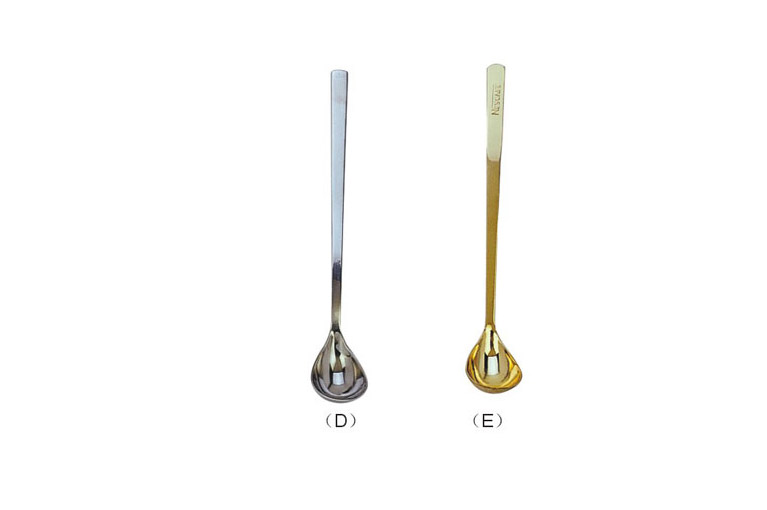
Spoons
Source high-quality spoons from vetted manufacturers and wholesale suppliers across Asia. Designed for importers, wholesalers, distributors, and brands seeking reliable OEM and private-label flatware production, our network delivers scalable manufacturing, strict material verification, and competitive bulk pricing.
Sourcing flatware at scale requires precision. While spoons might seem like simple stamped metal, achieving consistent weight, balance, and flawless finishes across hundreds of thousands of units demands rigorous factory oversight. For volume buyers, the primary challenges lie in verifying raw material grades, preventing unauthorized alloy substitution, and managing the labor-intensive polishing stages where defect rates typically spike.
Material Specifications: Navigating Stainless Steel Grades
The core driver of both cost and quality in spoon manufacturing is the stainless steel alloy. Factories typically categorize these by their chromium and nickel content. Nickel provides corrosion resistance and a silver-like luster, while chromium adds hardness.
| Grade | Composition | Magnetic | Primary Application |
|---|---|---|---|
| 18/10 (304 Series) | 18% Chromium, 10% Nickel | No | Premium retail, high-end hospitality |
| 18/8 (304 Series) | 18% Chromium, 8% Nickel | No | Mid-market retail, commercial dining |
| 18/0 (430 Series) | 18% Chromium, 0% Nickel | Yes | Economy, high-volume institutional use |
| 13/0 (420 Series) | 13% Chromium, 0% Nickel | Yes | Budget disposable, extreme low cost |
A common factory-level issue is material substitution—quoting for 18/10 but substituting 18/8 or even 18/0 during mass production. Verifying the material composition early through Compliance & Testing is critical before bulk shipments leave the facility.
Struggling with inconsistent polishing or material substitution? We can help stabilize your flatware supply chain.
Get a free consultationManufacturing Processes: Where Quality is Won or Lost
The production method dictates the spoon's weight, balance, and perceived value.
Blanking and Rolling
Stainless steel sheets are cut into flat blanks. The blanks are then rolled to distribute thickness—thinner at the bowl, thicker at the handle base for balance.
Forming (Stamping vs. Forging)
Economy spoons are stamped directly from thin sheets, resulting in a uniform thickness. Premium spoons are forged, allowing for intricate handle designs, heavier weight, and superior structural integrity.
Polishing
The most labor-intensive step. Methods range from tumble polishing (vibratory finishing for economy lines) to multi-stage hand or robotic mirror polishing. Inadequate polishing leaves micro-scratches that harbor bacteria and accelerate rusting.
Surface Treatments (Optional)
PVD (Physical Vapor Deposition) coating is applied for gold, black, or copper finishes. The quality of the vacuum chamber directly impacts coating adhesion and durability.
Quality Control Defect Checklist
Because polishing and edge-finishing rely heavily on machine calibration and operator skill, in-line Quality Control & Inspection is essential. Catching these defects prior to packaging saves significant rework costs.
Critical Flatware Inspection Points
- Edge Smoothness: Run a fabric cloth around the bowl edges to check for burrs or sharp flashings.
- Symmetry and Bowl Depth: Ensure the stamping die has not worn down, which causes shallow or lopsided bowls.
- Polish Consistency: Inspect under high-lumen lighting for pitting, drag marks, or 'orange peel' textures.
- PVD Adhesion: Perform cross-hatch adhesion testing on colored spoons to ensure the finish won't flake in commercial dishwashers.
- Weight Tolerance: Check that individual unit weights fall within a strict tolerance (typically plus or minus 2 grams).
Buying Mechanics: MOQs, Pricing, and Tooling
When sourcing direct from factories, understanding the cost drivers will help you negotiate effectively. If you are developing custom handle designs, OEM/ODM Services will require custom tooling.
Pricing fluctuates based on global nickel and chromium commodity indices. If a factory offers a price significantly below market average for 18/10 stainless, it is almost certainly utilizing 18/0 or reducing the thickness (gauge) of the steel blank. Conducting thorough Factory Audits ensures the supplier actually possesses the forging and polishing equipment they claim, rather than subcontracting to lower-tier workshops.
Need reliable OEM production for a custom flatware line? Let us handle the factory vetting and tooling negotiations.
Talk to our teamFrequently Asked Questions
Mastering the sourcing of flatware means looking past the surface shine and verifying the structural and material integrity of the product. By locking down strict material specifications and maintaining rigorous oversight during the polishing phase, volume buyers can secure high-quality production without the risk of costly post-shipment defects.
Get Sourcing Help for Spoons
Tell us your requirements and our experts will connect you with verified manufacturers.