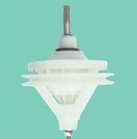
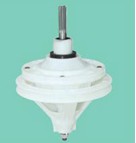
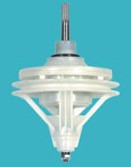
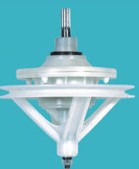
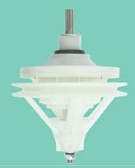
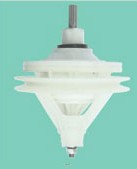
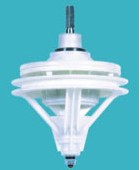
Speed Reducers
Source high-performance speed reducers from vetted manufacturers and suppliers. Designed for industrial importers, wholesale distributors, and OEMs seeking reliable bulk production, our network delivers precision-engineered gearboxes built to exact torque and ratio specifications.
Sourcing industrial speed reducers in volume requires a strict focus on manufacturing precision and material integrity. Whether you are distributing standard worm gearboxes or integrating custom planetary reducers into OEM equipment, the core challenge remains the same: ensuring the factory's machining tolerances and heat treatment processes can consistently deliver the required torque and service life.
Defining Your Speed Reducer Specifications
Before approaching manufacturers, your RFQ must detail the exact mechanical requirements. Vague specifications lead to mismatched gear profiles, excessive vibration, and premature failure in the field.
Critical RFQ Parameters
- Input and Output Speed (RPM) to determine the exact gear ratio.
- Nominal and Peak Output Torque (Nm) required by the driven application.
- Service Factor (SF) based on daily operating hours and shock load frequency.
- Mounting configuration (flange, foot, shaft-mounted) and exact shaft dimensions.
- Acceptable backlash limits (arcmin), critical for precision servo applications.
Factory Capabilities: Where Quality is Won or Lost
Not all assembly plants actually machine their own gears. When evaluating suppliers, you need to understand their level of vertical integration. The longevity of a speed reducer depends heavily on the gear hobbing and heat treatment stages.
If a factory outsources its carburizing and quenching, quality control becomes fragmented and difficult to trace. Verifying these capabilities on-site through thorough factory audits is essential before committing to a high-volume order.
Gear Machining
High-quality suppliers use 5-axis CNC gear hobbing and grinding machines to achieve DIN 5 or DIN 6 precision grades, reducing noise and wear.
Heat Treatment
Carburizing and quenching processes harden the gear teeth for wear resistance while keeping the core tough to absorb sudden shock loads.
Housing Precision
Cast iron or aluminum housings must be bored with high concentricity to ensure proper bearing alignment and prevent oil seal leaks.
Need help verifying a factory's machining and heat treatment capabilities? Our engineering team can evaluate suppliers and manage the vetting process on your behalf.
Talk to our teamQuality Control and Inspection Protocols
Speed reducers are prone to specific failures if assembly is rushed or components are substandard. A robust quality control plan must include both in-line monitoring and pre-shipment testing.
Common Defects to Monitor
Oil leakage is the most frequent defect, usually caused by poor housing machining, low-quality seals, or improper breather plug installation. Always require pressure leak testing at the factory prior to packaging.
During inspection, ensure the factory conducts:
- No-load run tests: Checking for abnormal noise (measured in decibels) and excessive vibration.
- Temperature rise tests: Running the unit continuously to ensure bearings and gears do not overheat due to excessive friction.
- Torque testing: Verifying the unit can handle peak loads without slipping, stalling, or gear deformation.
Pricing, Lead Times, and OEM Production
China is a global hub for power transmission equipment, with major manufacturing clusters in Zhejiang (particularly Wenzhou and Taizhou) and Jiangsu provinces. Understanding the baseline mechanics of purchasing from these regions helps you forecast costs accurately.
When engaging in OEM/ODM services for custom reducers, expect upfront tooling costs for custom cast housings or specialized output shafts. Standardized models have highly commoditized pricing, where raw material costs (aluminum, cast iron, and copper for worm wheels) heavily dictate market fluctuations.
Struggling to negotiate favorable terms or manage custom tooling costs? Let us handle the supplier negotiations and production management.
Get a free consultationFrequently Asked Questions
Sourcing speed reducers at scale is an exercise in risk management. A cheap gearbox that fails in the field costs exponentially more in downtime and replacements than the initial unit savings. By rigorously vetting factory machining capabilities and enforcing strict testing protocols, you can secure reliable power transmission components that protect your product's reputation.
Get Sourcing Help for Speed Reducers
Tell us your requirements and our experts will connect you with verified manufacturers.