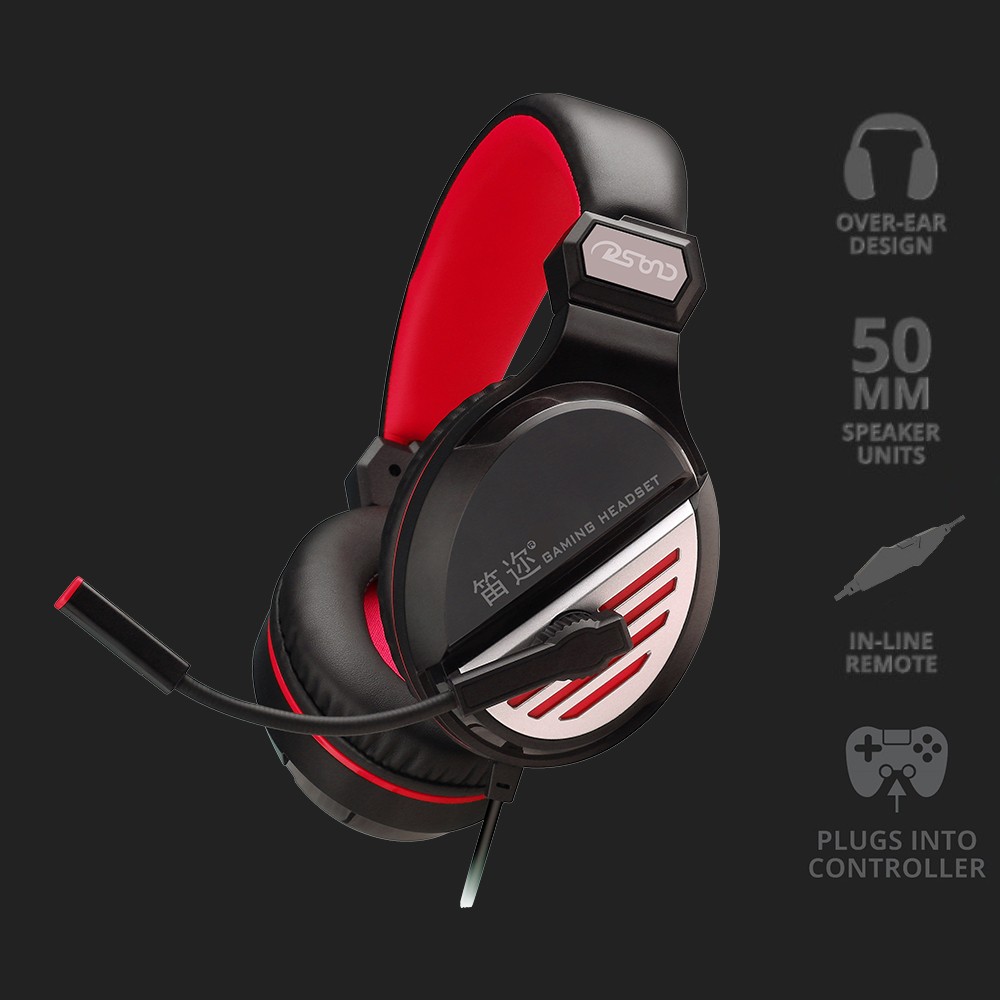
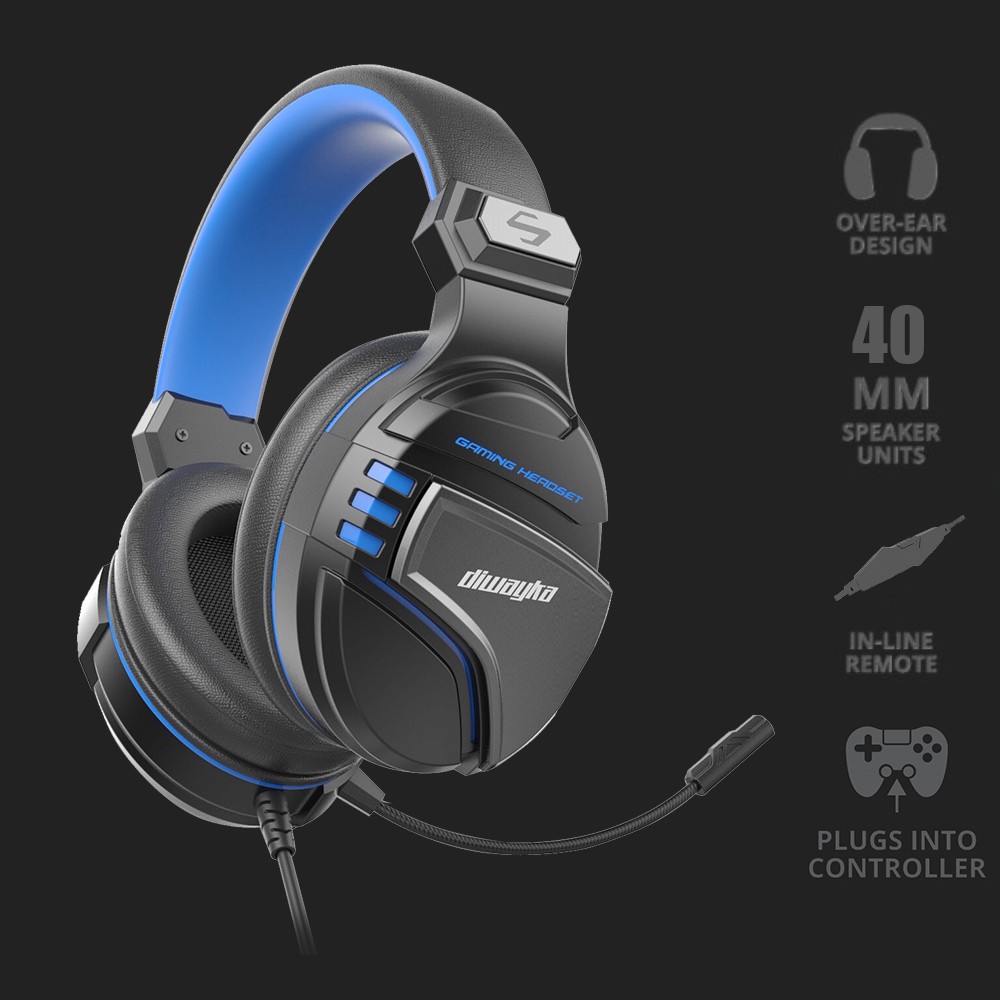
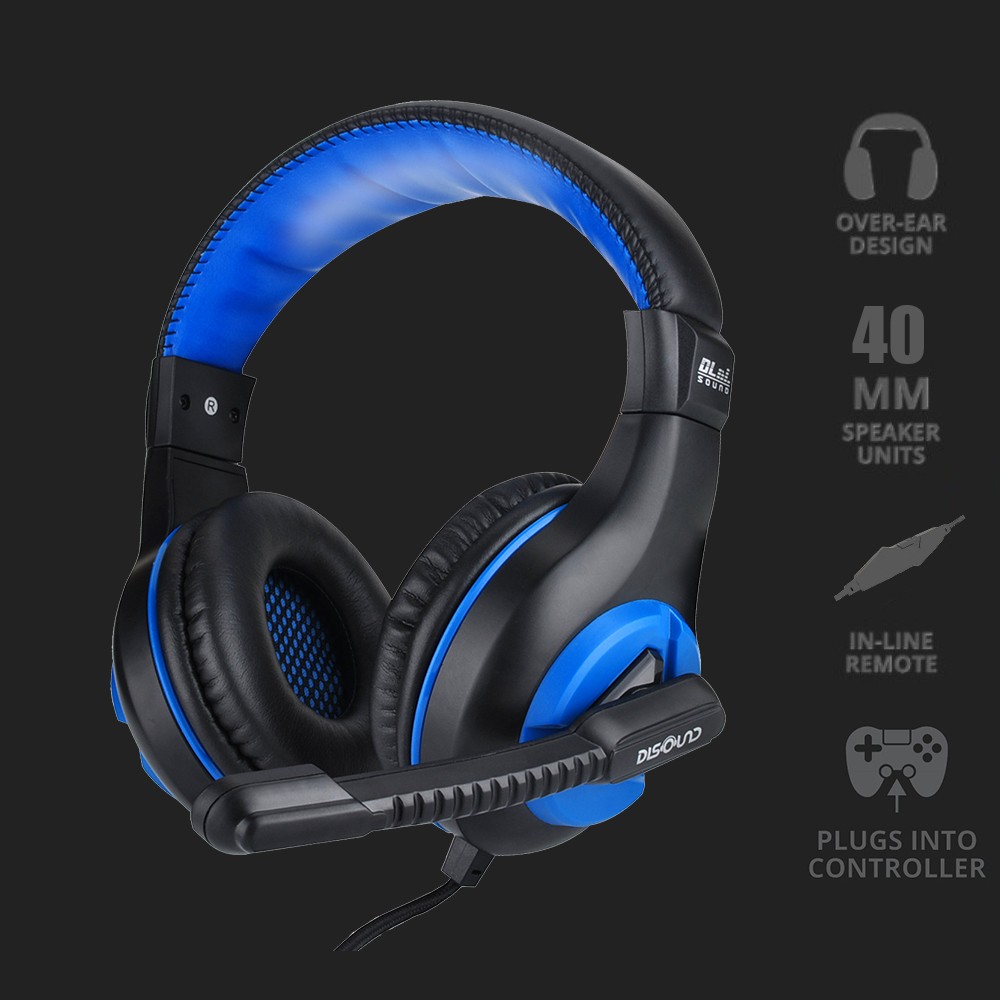
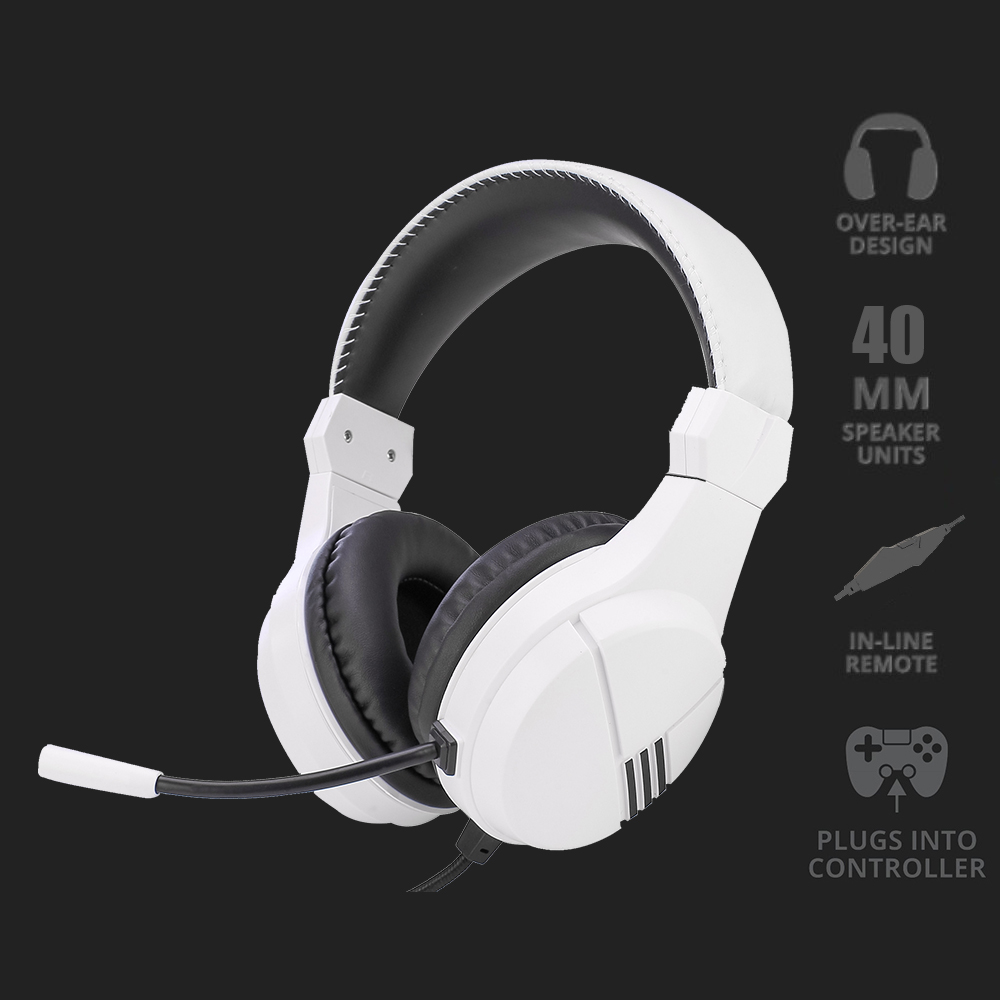
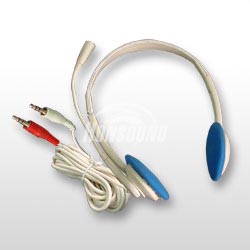
Specialized Headsets
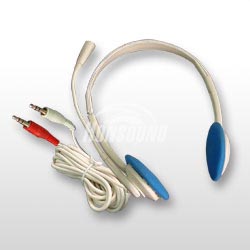
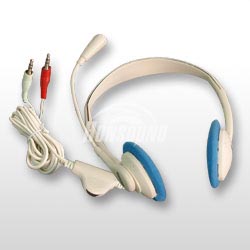
Source specialized headsets from vetted suppliers and manufacturers across Asia. Designed for importers, distributors, and brands requiring OEM or private-label production, our bulk wholesale options cover enterprise, tactical, broadcast, and aviation-grade audio equipment built to exact specifications.
Sourcing specialized headsets—whether for high-density call centers, aviation, tactical operations, or broadcast environments—requires a fundamental shift away from consumer audio priorities. In this category, acoustic fidelity takes a backseat to vocal clarity, environmental noise cancellation (ENC), and extreme mechanical durability. Partnering with the right factory means evaluating their engineering capabilities in acoustic chamber testing, PCB design for active noise cancellation (ANC), and precision injection molding for ruggedized housings.
Engineering and Specification Requirements
Unlike standard consumer headphones, specialized headsets are purpose-built tools. When evaluating a manufacturer's capability, you must drill down into their component supply chain and assembly tolerances.
The microphone assembly is often the most critical point of failure. Boom microphones must maintain positional tension over thousands of adjustments. Electret condenser microphones (ECM) or micro-electro-mechanical systems (MEMS) must be paired with specific DSP (Digital Signal Processing) chipsets to filter out background frequencies effectively.
Connectivity is another major differentiator. Specialized headsets rarely rely on standard 3.5mm jacks, requiring factories to source and terminate specialized plugs with high-grade strain relief.
| Application Environment | Standard Connectors | Primary Engineering Focus |
|---|---|---|
| Enterprise & Call Center | QD (Quick Disconnect), USB-A/C | Ultra-lightweight ergonomics, high-cycle cable durability |
| Aviation & Broadcast | PJ-055/PJ-068, 5-pin XLR | Precise impedance matching, passive noise attenuation |
| Tactical & Industrial | U-174/U, NEXUS, Lemo | IP-rated sealing, bone conduction integration |
Need a manufacturer capable of meeting strict acoustic and durability standards? Let's discuss your project.
Talk to our teamManufacturing Tolerances and Quality Control
The assembly of specialized headsets involves intricate hand-soldering of fine-gauge wires, precise acoustic sealing of speaker enclosures, and rigorous testing of active electronic components. Factories must have in-house anechoic chambers to test frequency response and Total Harmonic Distortion (THD) on every production batch.
A frequent issue in lower-tier factories is inconsistent acoustic sealing. If the ultrasonic welding or adhesive application on the ear cup housing is uneven, passive noise isolation drops significantly, and ANC algorithms will overcompensate, causing a "hissing" artifact. Implementing strict Quality Control & Inspection protocols is non-negotiable to catch these defects before shipment.
Critical Factory QC Checkpoints
- Cable strain relief testing (industry standard is a minimum of 10,000 to 20,000 bend cycles).
- Microphone boom hinge tension testing to ensure zero drift after extended use.
- Acoustic performance verification in an anechoic chamber (THD, frequency response).
- Environmental simulation (temperature cycling, humidity, and drop testing).
- Verification of specialized connector pinouts and impedance matching.
Furthermore, specialized headsets often require strict regulatory adherence. Depending on your market and application, you may need to ensure the factory can support Compliance & Testing for standards like FAA TSO for aviation, MIL-STD-810 for tactical gear, or specialized occupational hearing protection certifications (e.g., OSHA compliance in the US).
Sourcing Realities: MOQ, Pricing, and Lead Times
Pricing in this category is heavily driven by the chipset used for noise cancellation (Qualcomm, Realtek, or proprietary DSPs), the quality of the acoustic drivers, and the ruggedization of the materials (e.g., glass-filled nylon versus standard ABS plastic).
If you are leveraging OEM/ODM Services to develop a custom headset—such as a proprietary tactical headset with specific helmet mounts—expect significantly higher MOQs to amortize the cost of new injection molds and custom PCB layouts.
Navigating tooling costs and component sourcing for custom headsets? We can help you structure the right manufacturing agreement.
Get a free consultationFrequently Asked Questions
Sourcing specialized headsets is an exercise in risk management and technical validation. Success depends entirely on matching your specific application requirements with a factory that possesses the right engineering pedigree, testing infrastructure, and component supply chain.
Get Sourcing Help for Specialized Headsets
Tell us your requirements and our experts will connect you with verified manufacturers.