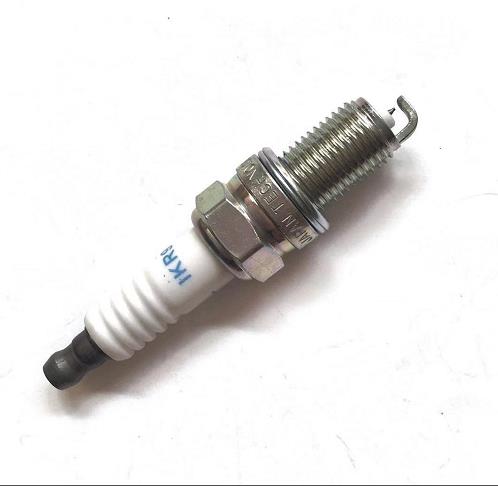
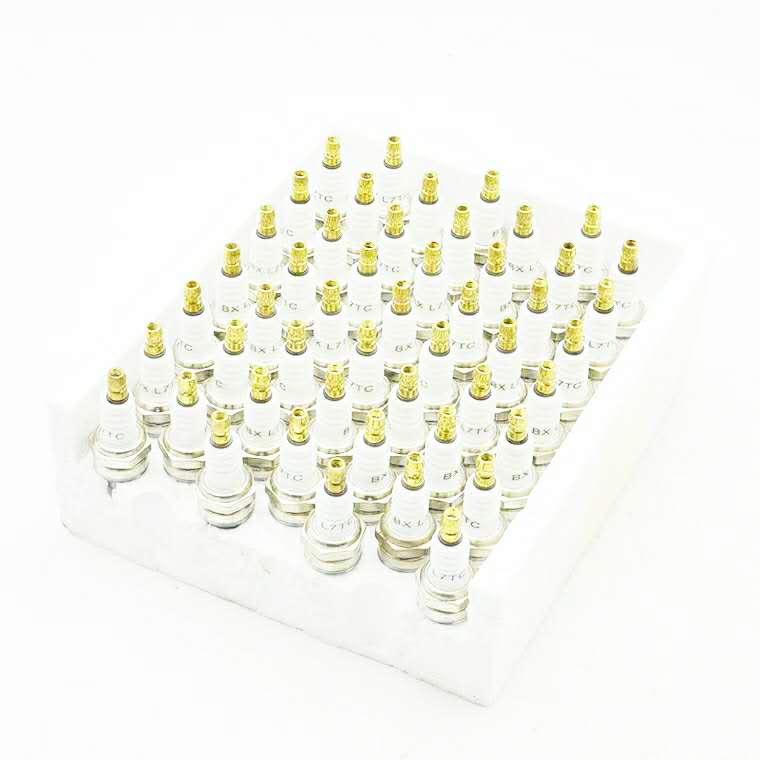
Spark Plugs
Source high-performance spark plugs directly from vetted manufacturers and wholesale suppliers. Designed for automotive parts distributors, aftermarket importers, and brands requiring OEM or private-label production, our network delivers reliable ignition components in bulk, ensuring consistent quality and competitive pricing for your supply chain.
Sourcing spark plugs at scale requires navigating a complex intersection of metallurgy, ceramics, and precision assembly. Because the ignition system is critical to engine performance, fuel efficiency, and emissions compliance, buyers cannot afford to compromise on manufacturing tolerances. The primary sourcing challenge lies in verifying that a factory's claims regarding precious metal applications (like iridium or platinum) and ceramic purity hold up under rigorous testing, rather than just looking good on a spec sheet.
Electrode Materials and Heat Ranges
The core value of a spark plug is dictated by its center and ground electrode materials. While copper-core plugs remain standard for certain older applications or specific marine/small engine uses, the aftermarket and modern OEM sectors are entirely dominated by platinum, iridium, and ruthenium alloys.
When specifying your order, you must clearly define the exact alloy composition and the diameter of the fine-wire center electrode. A true iridium plug will typically feature a center electrode diameter between 0.4mm and 0.6mm. If a supplier is offering unusually low prices on "iridium" plugs, they are likely using an inferior alloy blend or standard nickel with a minimal precious metal wash that will burn off under operating temperatures.
| Electrode Material | Typical Lifespan | Manufacturing Complexity |
|---|---|---|
| Copper / Nickel | Up to 30,000 miles | Low - Standard extrusion and pressing |
| Single / Double Platinum | Up to 60,000 miles | Medium - Requires precision pad welding |
| Iridium / Ruthenium | Up to 100,000+ miles | High - Requires advanced 360-degree laser welding |
Equally critical is the heat range. The length of the ceramic insulator nose determines how fast heat transfers from the firing tip to the cylinder head. You must ensure your supplier has the engineering capability to accurately map their heat ranges to standard international scales (such as NGK or Denso equivalents) to prevent pre-ignition or carbon fouling in your target markets.
Need help verifying supplier metallurgical claims or matching heat ranges for your private label?
Talk to our teamManufacturing Tolerances and Quality Control
A spark plug is only as good as its assembly. The ceramic insulator must be made from high-purity alumina powder (typically over 95 percent purity) to provide sufficient dielectric strength and thermal shock resistance. Inferior ceramics can crack under high engine loads, leading to catastrophic engine failure.
During production, the shell threads must be rolled, not cut, to ensure strength and prevent seizing in the cylinder head. Furthermore, the internal seal between the terminal, the resistor (if applicable), and the center electrode must be formed using a specialized glass seal powder, fired at high temperatures to prevent combustion gas leakage.
To ensure consistency, robust Quality Control & Inspection protocols must be implemented directly on the factory floor.
Critical Factory-Level QC Checks
- Dielectric Strength Testing: Verifying the ceramic insulator can withstand up to 40kV without puncturing.
- Gas Leakage Testing: Pressurizing the plug to ensure the internal glass seal holds under combustion-level pressures.
- Laser Weld Inspection: Microscopic or automated optical inspection of the precious metal tip weld integrity.
- Resistance Measurement: Checking the internal monolithic resistor (typically 5k Ohms) for EMI/RFI suppression consistency.
OEM/ODM and Private Labeling
For brands building their own aftermarket identity, OEM/ODM Services offer complete customization. This includes custom pad printing on the ceramic insulator, specialized anti-corrosion plating on the metal shell (such as trivalent zinc or nickel), and custom packaging. When developing a private label line, ensure the factory can accurately reproduce your required terminal types (solid, threaded, or removable) and electrode gaps right off the assembly line.
Pricing, MOQs, and Lead Times
Volume pricing for spark plugs is highly sensitive to the global commodities market for precious metals. Because of the automated nature of spark plug assembly lines, factories require significant volume to justify tooling and setup, especially for custom branding.
When negotiating, clarify whether the quoted price includes the specific anti-seize coating on the threads or if it is raw steel. Also, confirm the exact thickness of the precious metal pad; a 0.2mm platinum pad will cost significantly less—and fail much faster—than a 0.4mm pad.
Looking to consolidate your automotive parts supply chain and negotiate better bulk terms?
Get a free consultationFrequently Asked Questions
Securing a reliable supply of high-quality spark plugs demands rigorous technical vetting and a deep understanding of automotive manufacturing standards. Choosing the right manufacturing partner—one with verifiable metallurgical integrity and automated precision assembly—is the most critical step in protecting your brand's reputation in the aftermarket. Conducting thorough Factory Audits before placing large volume orders ensures your supplier has the actual capability to meet these demanding specifications.
Get Sourcing Help for Spark Plugs
Tell us your requirements and our experts will connect you with verified manufacturers.