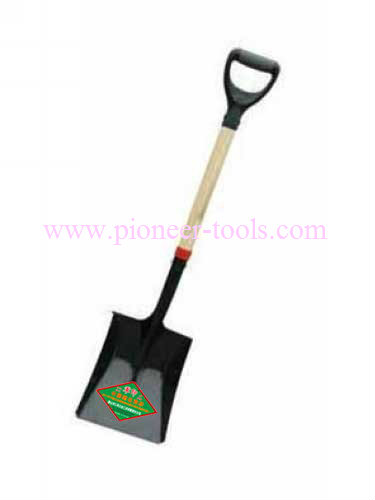
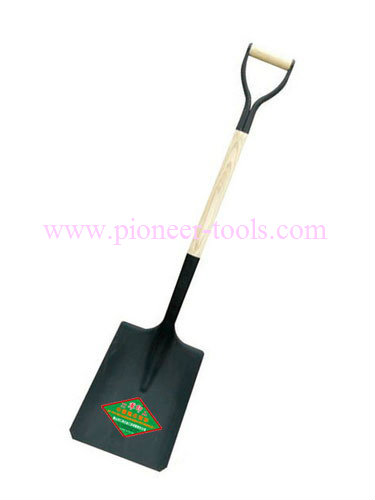
Spades & Shovels
Source high-quality spades and shovels directly from vetted manufacturers and wholesale suppliers. Designed for importers, hardware distributors, and tool brands seeking reliable OEM production, our network delivers bulk volumes with strict quality control.
Sourcing spades and shovels in bulk requires balancing aggressive unit costs with non-negotiable structural integrity. The core challenge in procuring these hand tools is verifying that a factory's metallurgical processes—specifically heat treatment and socket welding—can reliably withstand heavy leverage. When sourcing at scale, a failure in the field due to brittle steel or a snapping shaft quickly compromises brand reputation and distributor relationships.
Blade Metallurgy and Heat Treatment
The performance of a shovel or spade is dictated by its blade material and the precision of its heat treatment. While mild steel is sometimes used for promotional or ultra-low-cost items, professional and consumer-grade tools require higher carbon content.
| Material | Key Characteristics | Typical Application |
|---|---|---|
| 50Mn Carbon Steel | Standard industry workhorse, good balance of tensile strength and cost. | General landscaping and hardware retail. |
| 65Mn Carbon Steel | Higher carbon content yields superior hardness and edge retention. | Contractor-grade and heavy-duty digging tools. |
| Stainless Steel (304/420) | Excellent corrosion resistance, lower impact strength than high-carbon. | Premium garden lines, hygienic environments. |
Heat treatment is where factory capability is truly tested. Blades should typically be tempered to a hardness between HRC 42 and HRC 48. If the steel is left under HRC 40, the blade will bend under leverage. If it is pushed over HRC 50 without proper tempering, it becomes brittle and prone to catastrophic snapping upon striking a rock.
Need to verify the metallurgical capabilities of a prospective supplier? We can help you navigate supplier selection and technical vetting.
Talk to our teamShaft Integrity and Socket Connections
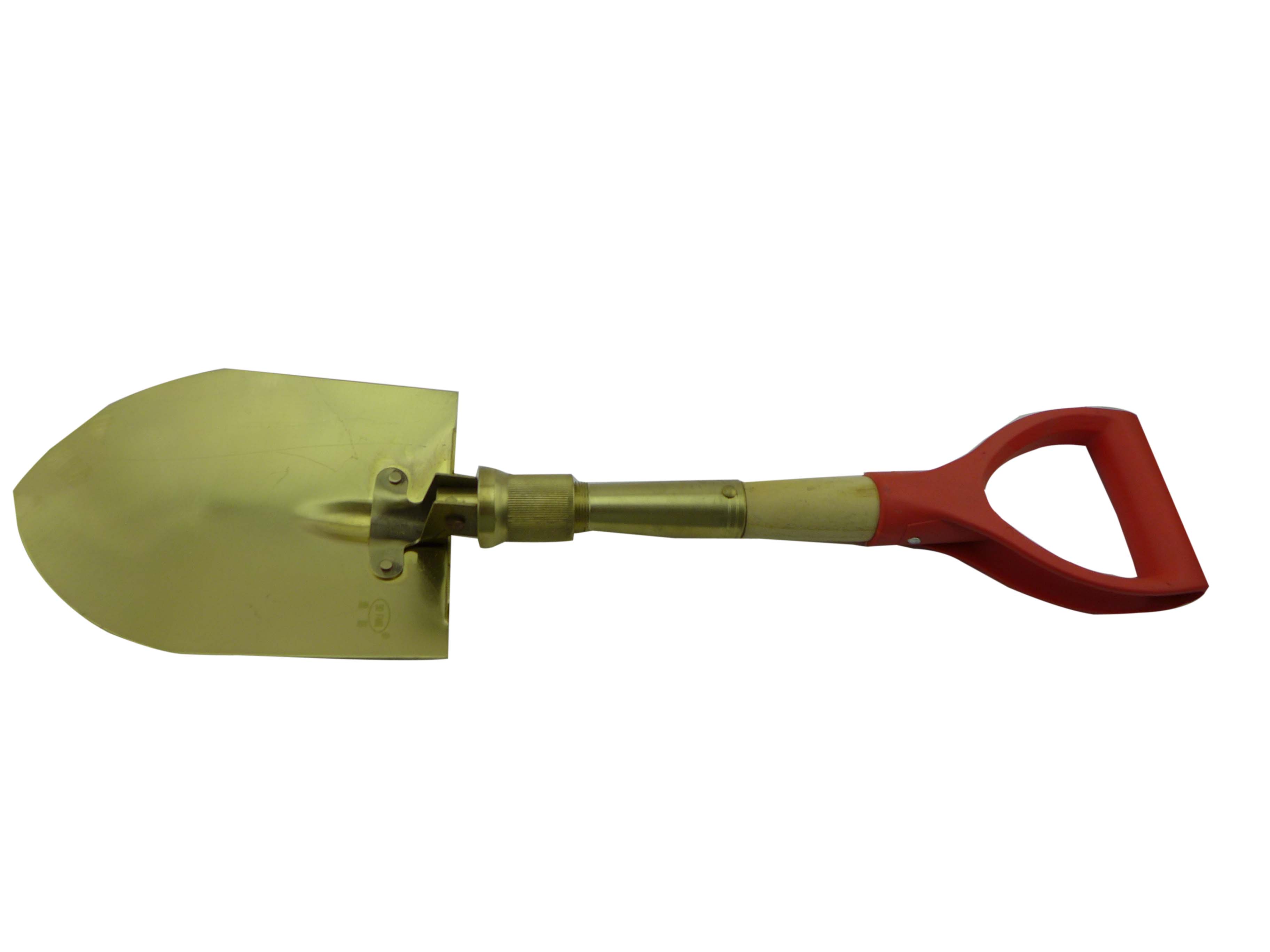
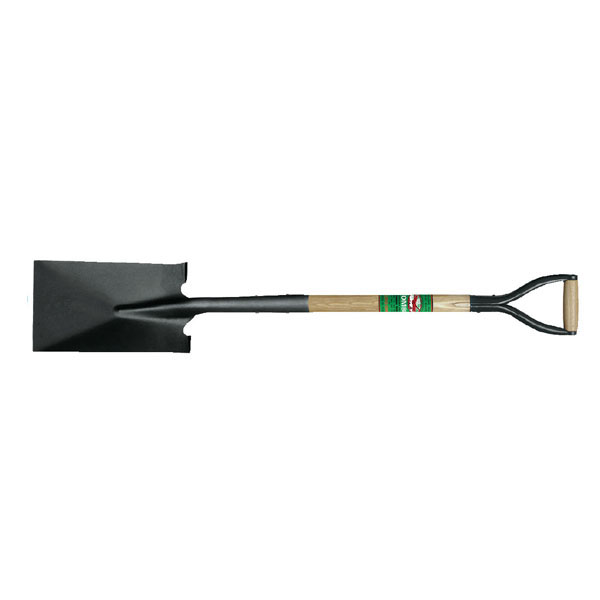
The connection point between the blade and the handle—the socket—is the most common point of failure. In stamped shovels, the socket is rolled from the same piece of steel as the blade. In forged or heavy-duty welded shovels, the socket is a separate piece welded to the blade.
When conducting Quality Control & Inspection on your orders, ensure the factory is performing regular pull-off force testing. The handle must be secured with heavy-duty rivets rather than standard screws, and the rivet holes must be precisely aligned to avoid introducing stress fractures into the wood or fiberglass.
Critical Quality Control Checkpoints
- HRC Hardness Testing: Verify blade hardness falls within the specified 42-48 range.
- Bending Load Test: Apply standardized weight to the blade tip while the handle is fixed to check for permanent deformation.
- Weld Penetration: Inspect the collar weld for porosity, slag inclusions, or incomplete fusion.
- Salt Spray Testing: Ensure powder coating or clear lacquer meets rust-resistance standards (typically 48 to 72 hours).
Handle Materials
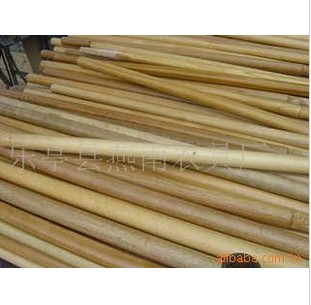
- Wood: Ash and Hickory are the global standards. The grain orientation must run parallel to the direction of leverage to maximize strength. Moisture content must be strictly controlled (typically between 10 percent and 14 percent) before assembly to prevent shrinking and loosening in the socket.
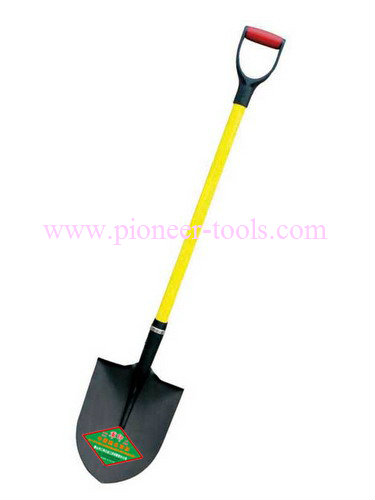
- Fiberglass: Requires a solid core at the socket insertion point. The ratio of glass fiber to resin determines the shaft's weather resistance and flexibility.
Manufacturing Hubs and Supplier Vetting
In China, the production of spades, shovels, and agricultural hand tools is heavily concentrated in Hebei Province, particularly around Tangshan. While this regional cluster offers deep supply chains for steel and handles, it also houses hundreds of trading companies posing as direct manufacturers. Conducting thorough Factory Audits is essential to confirm that your chosen partner actually owns their stamping presses, heat treatment furnaces, and powder-coating lines.
Typical MOQs, Pricing, and Lead Times
Tool production relies heavily on economies of scale, especially when custom stamping or private labeling is involved.
Pricing is directly tied to the global steel index, the grade of the handle material, and the finishing process. A basic painted finish will cost significantly less than a baked powder coat or a fully polished stainless steel blade. If you are developing a proprietary grip or a specialized blade shape, engaging a partner with robust OEM/ODM Services is crucial for managing tooling costs and mold ownership.
Planning a bulk order of hand tools? Let us help you structure your supply chain for better pricing and reliable quality.
Get a free consultationFrequently Asked Questions
Sourcing spades and shovels at scale is about securing consistent metallurgical performance and reliable assembly. By strictly defining your material specifications, enforcing rigorous pre-shipment testing, and working with audited manufacturers, you can build a resilient hand-tool supply chain that protects your margins and your brand.
Get Sourcing Help for Spades & Shovels
Tell us your requirements and our experts will connect you with verified manufacturers.